
Category: Cited Sources

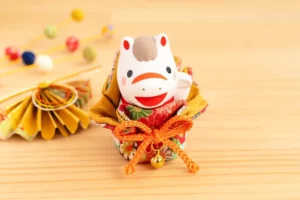
A ceramic figurine representing the Year of the Horse.

Year of the Horse: A Ride Through Japan’s Past!

The lunar zodiac cycles have been an integral part of Japanese society for hundreds of years. Each animal in this 12-year loop has its own unique energy that is woven into festivals, fortunes, and daily decisions. The coming new year will mark the start of The Year of the Horse. And, as we charge into 2026, the horse (uma) will be the animal on everyone’s minds. 

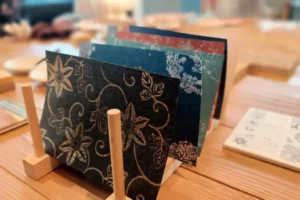
Printed Japanese paper, or karakami, on display.

Japanese Paper: The Secret Behind the Art of Karakami

Paper has always played a significant role in Japanese culture. It is the foundation of many of the country’s art forms and plays a vital role in numerous customs. But karakami stands out among Japanese paper types as an irreplaceable part of many traditional Japanese art forms and ceremonies. It adds its elegance to all manner of aesthetics, in crafts, ceremonies, writings, and even interior design. 

A couple on a winter getaway in Japan, most likely somewhere in Fujiyoshida.

Fujiyoshida and More: Hidden Wonders of Japan’s Winter

Japan is an excellent destination that shines in all four seasons—spring, summer, autumn, and winter. Each season brings its own unique atmosphere and scenery. Even during the coldest and harshest time of the year, the country’s natural beauty and cultural activities always leave a lasting impression on visitors.

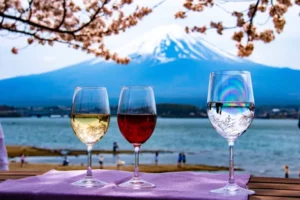
A bunch of wine glasses on a table in Yamanashi Prefecture.

Yamanashi Wine Country: Japan’s Beautiful Vineyard Heartland

Yamanashi Prefecture is known as Japan’s wine capital. Located west of Tokyo, it is home to most of Japan’s wineries and produces a large share of the country’s wine. The region’s mountains, clean water, and sunny weather create ideal conditions for grape growing.

Two shisa statues near a beach in Okinawa.

Shisa: The Legendary Guardians of Okinawa

Across the tropical rooftops and street corners of Okinawa, you’ll find fierce yet friendly-looking creatures sitting in pairs, one roaring proudly, the other calmly closing its mouth. These are shisa, Okinawa’s legendary lion-dogs, protectors that have watched over homes, temples, and entire villages for centuries.

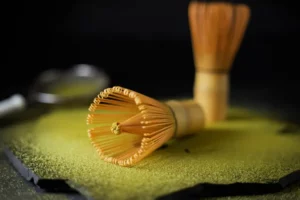
Two whisks on top of matcha powder.

Matcha Whisk Production: How Do They Do It in Nara?

In Nara, tradition runs as deep as its rivers. Here, a special craft stands out: the making of the matcha whisk. This delicate tool is essential for preparing matcha with precision. Each whisk reflects centuries of skill, patience, and artistry. More than a utensil, it symbolizes the rich cultural heritage of Japan’s tea ceremony.

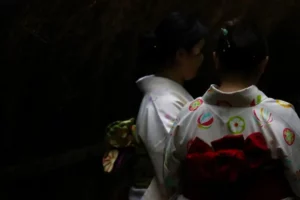
Two women dressed in white kimonos shrouded in darkness, representing dark Japanese literature.

Japanese Literature Spotlight: Yukimi Ogawa

Japanese literature has a rich history of myths, folktales, and strange, magical stories, but few writers combine this tradition with modern science fiction in English. Yukimi Ogawa does precisely that.