



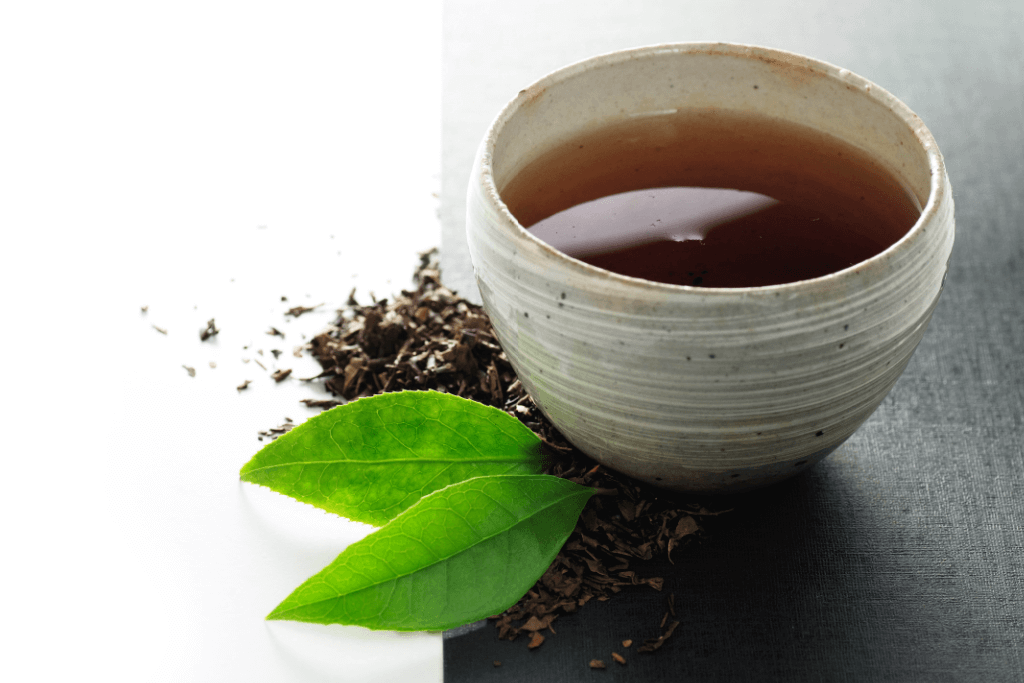
In Japan, people of all ages, including children and the elderly, commonly drink hojicha, a roasted green tea. This healthy and aromatic beverage has a distinct, deep, earthy taste and an exciting history that makes it truly special.
A Brief History of Japanese Tea
Compared to other green teas, hojicha (written as ほうじ茶 in Japanese) has a much more recent history. The first variations of green tea came to Japan during the Nara period (710-794) by Buddhist monks from China. These monks consumed green tea because they believed in the drink’s health benefits and that it helped them improve their meditation practice.
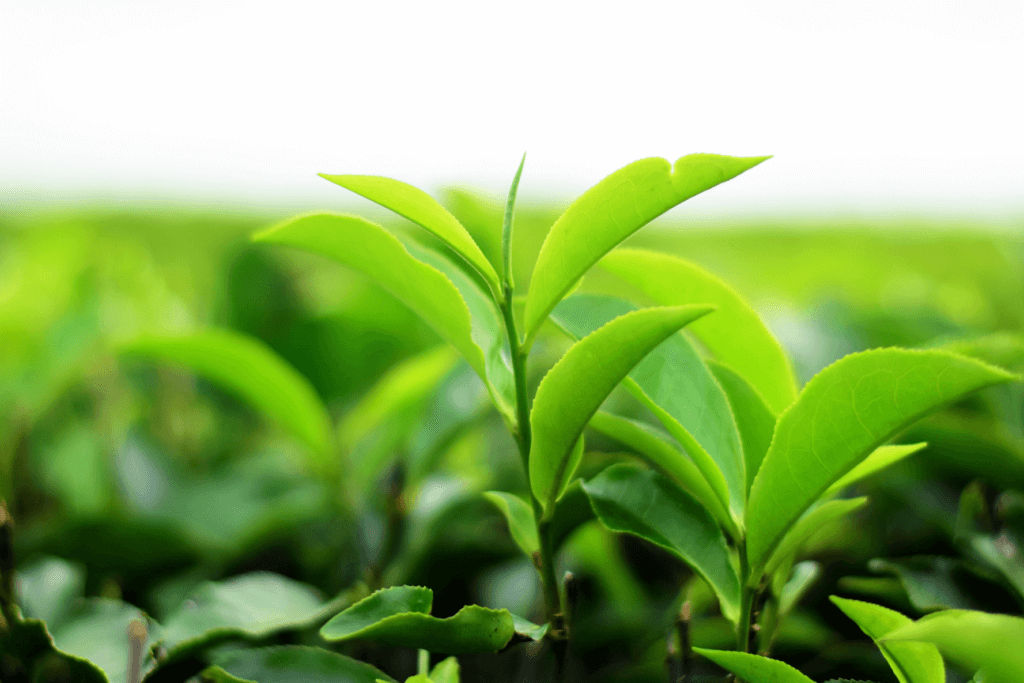
Tea then gained popularity among the nobility of Japan during the Heian period (794-1185). Emperor Saga was crucial in promoting tea plant cultivation in Japan. He actively encouraged other royal court members to enjoy the drink, leading to the importation of tea seeds from China. Not long after, Japan was able to grow tea plants, and they were able to make a lot more drinks from homegrown tea leaves.
The History of Hojicha Tea
From this era, we fast forward to the Meiji period (1868–1912). During Japan’s economic growth, the country experienced a significant increase in its product exports. Previously done by hand, tea leaf harvesting saw passionate individuals harvesting up to eight kilograms daily.
However, because of the sudden influx of demand for Japanese tea, it became challenging for tea growers and farmers to keep up with this high demand, some needing to produce amounts weighing tonnes! To address this issue, the act of harvesting tea leaves became automated. Machines were specifically designed for this process, and Japan was able to export its tea all across the world.
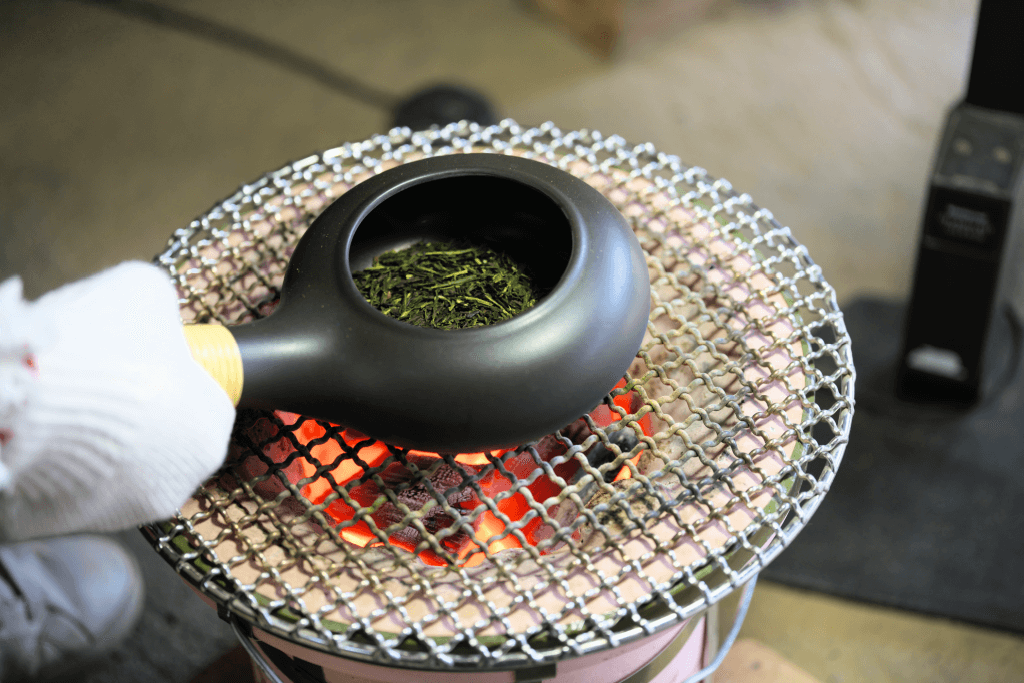
The way that machines harvest tea leaves did, however, result in excess waste like leftover stems and leaves. This was a problem because Japan had limited resources. One tea merchant in the 1920s saw potential in the loose leaf that came off during the harvesting process. He gathered them and experimented by roasting them over charcoal at a high temperature. This roasting process resulted in a surprisingly delicious, reddish brown brew known as hojicha tea.
Hojicha Tea in Japan Now
Today, hojicha tea remains a staple beverage for people in Japan. Hojicha is a tea that is commonly available in both hot and cold variations, and it undergoes various processing methods to create different products. One can enjoy the tea by drinking loose-leaf hojicha, which resembles its original version when the tea originally debuted many years ago.
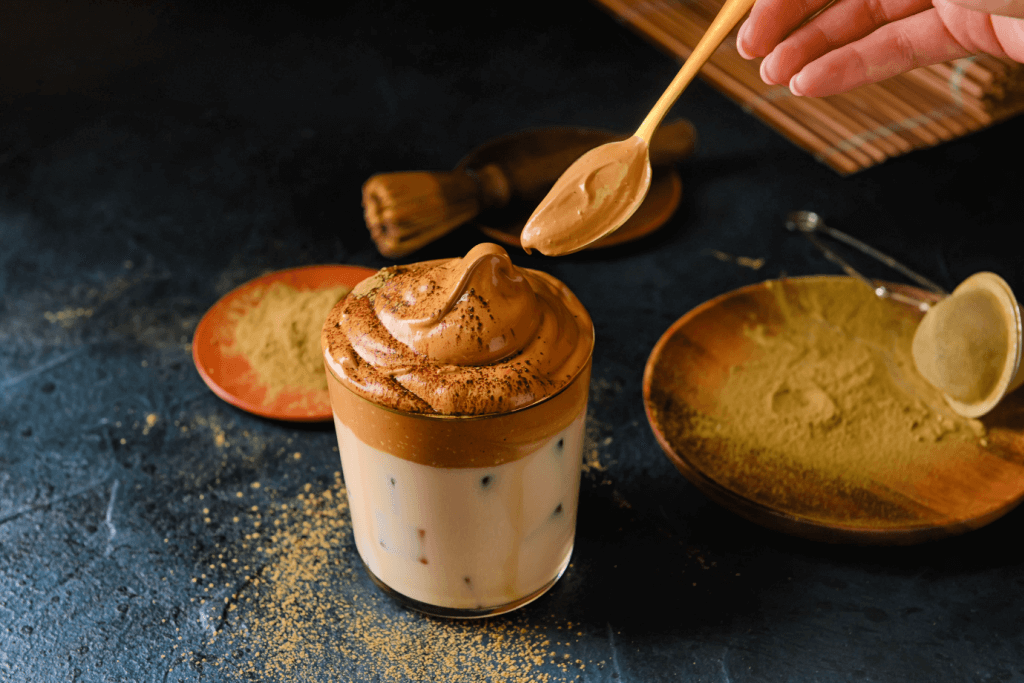
Hojicha tea also comes in a powder form, made by grounding hojicha until it turns into a fine powder. Once it is in this form adding it to all sorts of drinks and food is much easier once it is in this form. A good example of this is hojicha latte. The powder combines with milk (and ice, if you prefer the cold version) to create a smooth, richly flavored drink similar to milk tea.
In addition to being a beverage, hojicha powder can create delightful desserts. One such example is hojicha cake, which has gained popularity online. The unique earthy and slightly bitter flavor of roasted green tea lends itself well to the sweeter components of a cake, resulting in a harmonious combination of tastes. The resulting hojicha cake is a delectable treat tantalizing the palate with its rich, earthy notes, offering a delightful twist to traditional cake flavors.
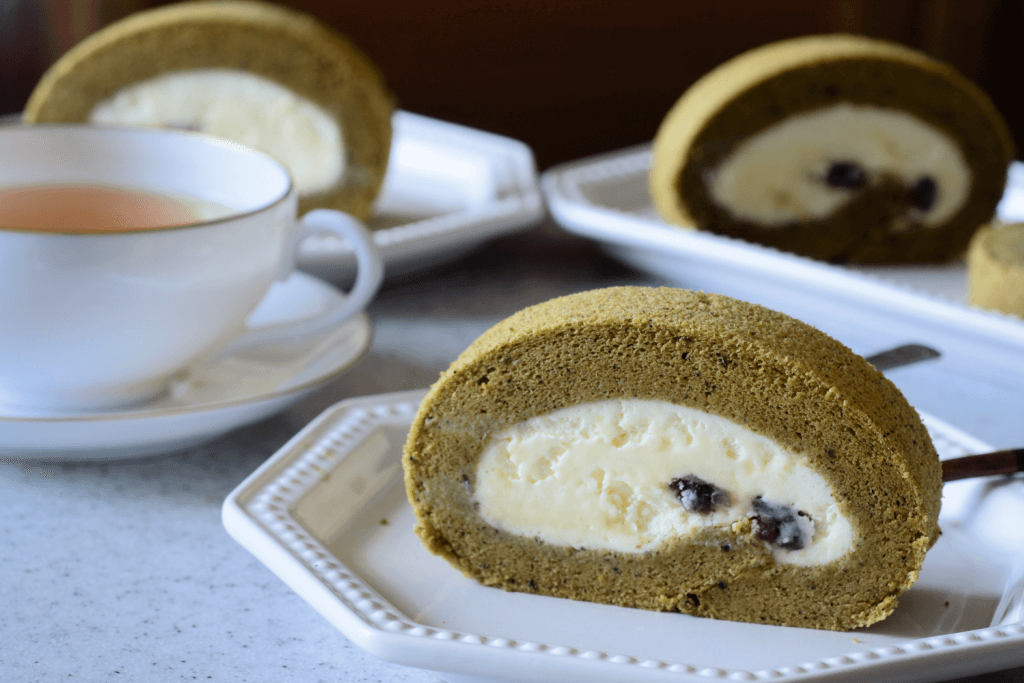
Hojicha tea is one delicious Japanese tea that should be on everyone’s must-drink list. It has a beautiful reddish brown color, a distinct but subtle flavor, and an exciting history that traces back to one tea merchant who made one of the most popular kinds of tea in Japan today. Try hojicha tea and add a new flavor experience under your belt with this distinctly Japanese tea.



One Response
The polyphenol compound in green tea works to intensify the levels of fat oxidation and also the rate at which your body turns food into calories. It also contains the caffeine that aids in fat burning and also enhancing your workout performance.