


Let’s embark on a culinary journey through Japanese cuisine. Each dish is a testament to precision, flavor, and gastronomy art. We’ll explore kushiyaki, savoring the grilled perfection of skewers. We’ll also discover the wonders of robatayaki, the sautéed brilliance of kinpira, the comforting embrace of nabemono, and the seared elegance of tataki. Join us as we unravel the intricacies of Japanese cooking techniques that elevate each dish to a symphony of flavors.
The Allure of Kushiyaki
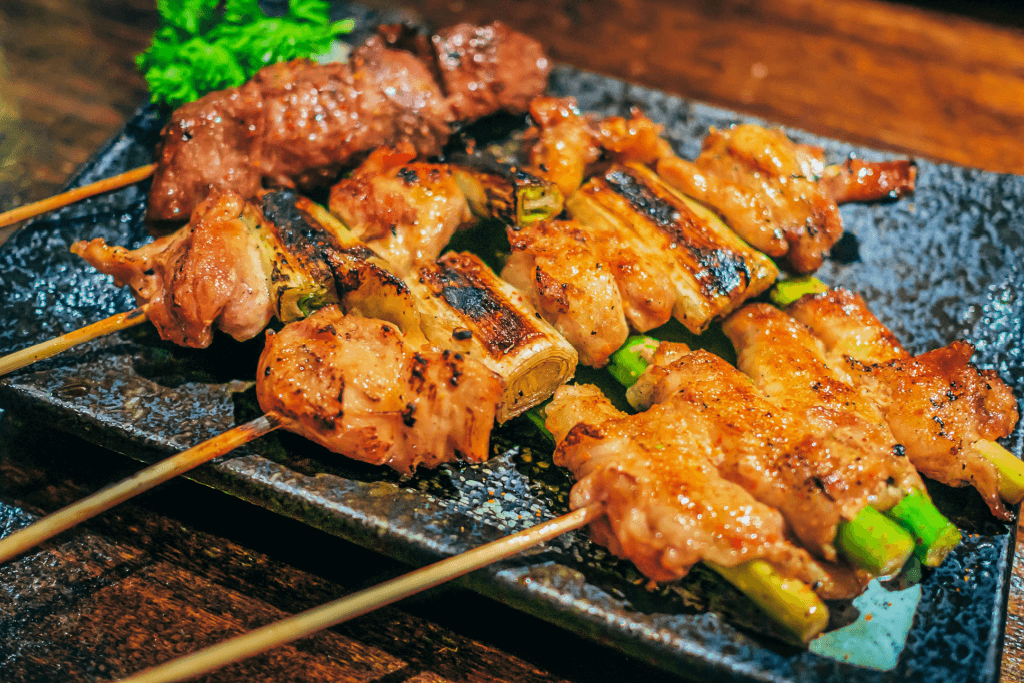
Within Japanese culinary craftsmanship, kushiyaki takes center stage, adorning tables with delectable grilled skewers. Far more than a mere dish, kushiyaki is a celebration—a symphony of delicious skewers, captivating the senses with each exquisite bite. This culinary experience transcends the ordinary, inviting diners to experience a meal where each skewer tells a story of meticulous craftsmanship and a deep appreciation for the art of flavor.
Kushiyaki
Picture succulent pork belly, meticulously skewered and grilled to perfection. Not to mention, each bite is an explosion of flavors, enhanced by the smoky allure of the grill. From beef skewers to tsukune chicken meatballs, kushiyaki encompasses diverse offerings. Therefore, it is a beloved dish that mirrors the diversity of Japanese culinary traditions.
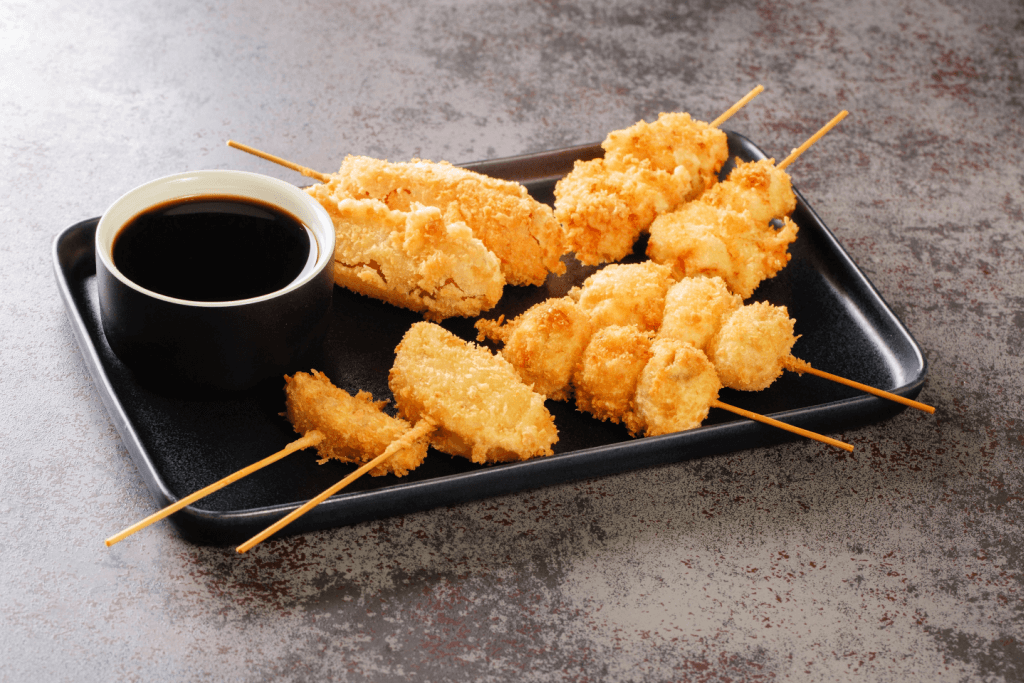
This food’s charm also lies in its delightful taste and the communal experience. Sharing these skewers becomes a social ritual, whether enjoyed at a bustling street vendor or a cozy izakaya. At this moment, friends and family come together to relish the art of grilling and the camaraderie accompanying it.
Robatayaki
Like a Japanese barbecue, robatayaki adds a touch of theatricality to the culinary stage. The chef stands behind a grill, showcasing an array of fresh ingredients. Moreover, the grilling process is a performance in itself, as skewers of seafood, meat, and vegetables are skillfully cooked over an open flame. The result is a smorgasbord of smoky, charred perfection that elevates the dining experience to new heights.
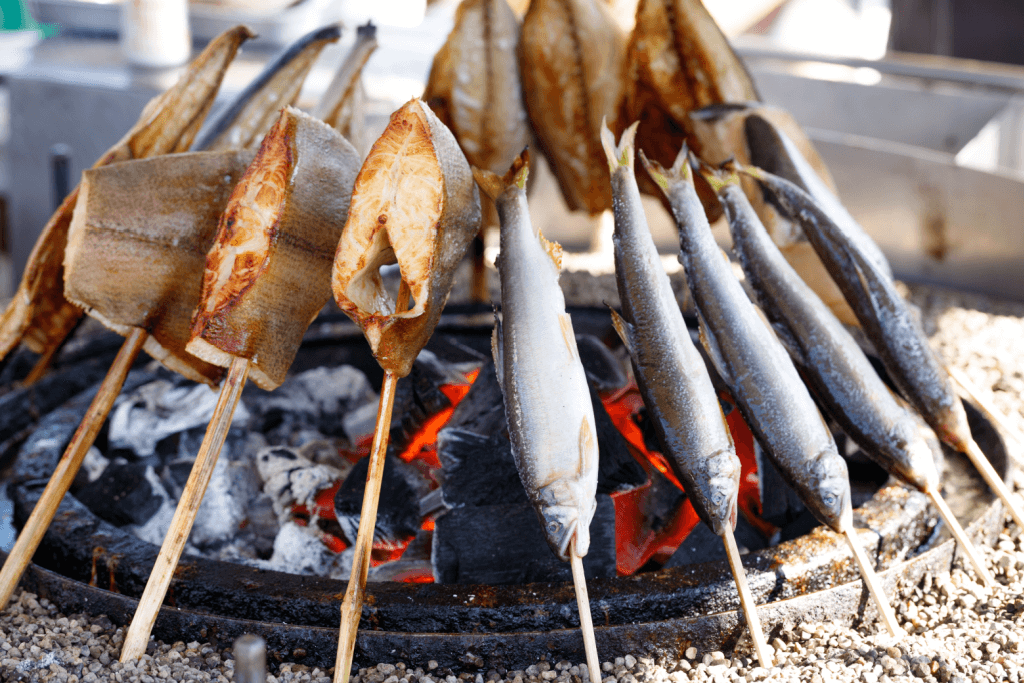
The allure of robatayaki lies not just in the delicious outcome but in the immersive journey of watching your meal being prepared. Generally, it’s a culinary spectacle that engages all the senses, from the enticing aroma of grilling seafood to the mesmerizing dance of flames. As a result, this cooking style transforms dining into an experience, making every visit to a robatayaki restaurant memorable.
Kinpira
In Japanese home cooking, kinpira is a dish that blends sautéing and simmering with unparalleled finesse. Typically featuring root vegetables, such as burdock and carrot, kinpira is stir-fried and then simmered in a flavorful broth. The result is a dish that combines the natural sweetness of vegetables with the rich essence of soy sauce, creating a balance that delights the palate.
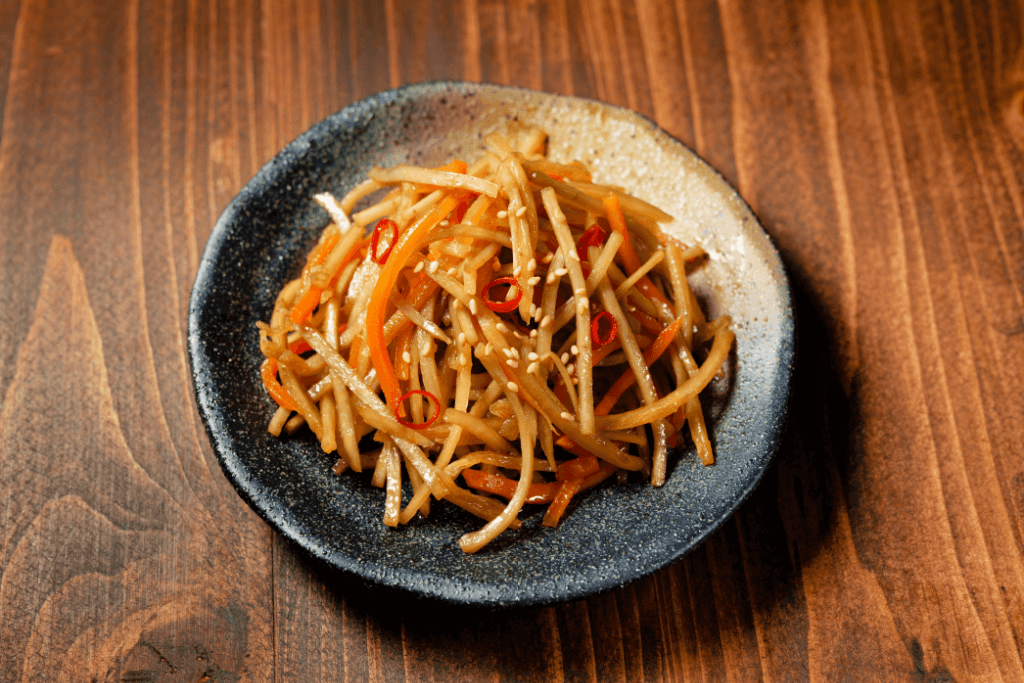
Overall, kinpira showcases the Japanese culinary philosophy of harmonizing flavors and textures. The crispness of sautéed vegetables meets the tenderness of a simmering broth, creating a dish that is not only delicious but also a celebration of the country’s commitment to culinary balance and simplicity.

Nabemono
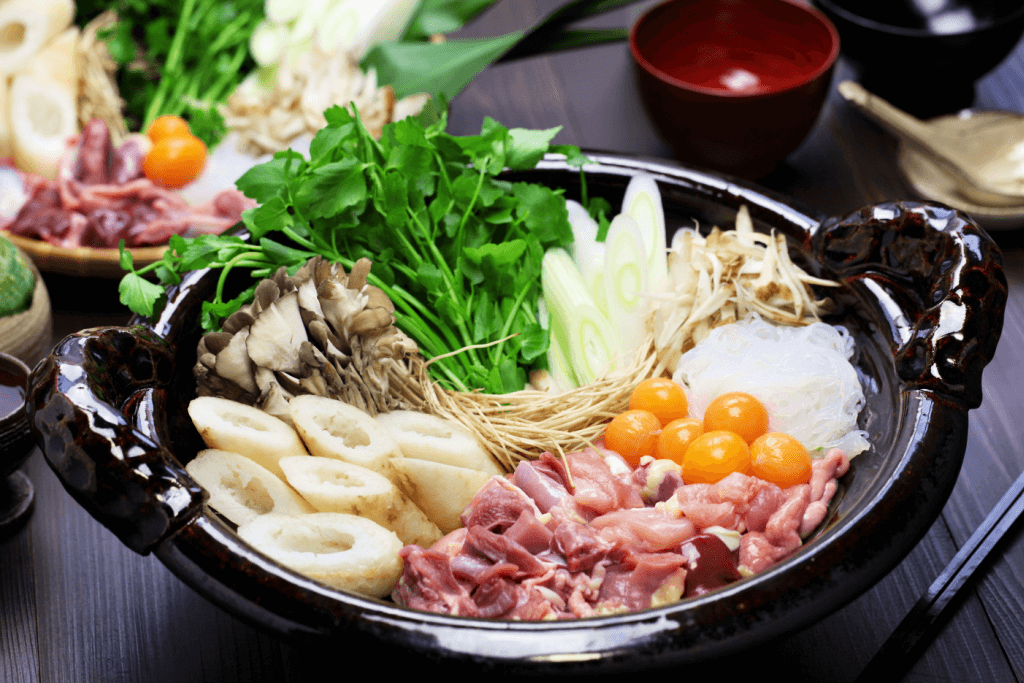
Nabemono, which encompasses various hot pot dishes, is a cornerstone of Japanese comfort food. From the communal gathering around a bubbling pot of sukiyaki to the individual indulgence of shabu-shabu, nabemono undoubtedly captures the essence of shared warmth and culinary delight. The ingredients, ranging from thinly sliced meats to an array of vegetables, boil together in a rich broth, creating a meal that is as heartwarming as it is delicious.
Tataki
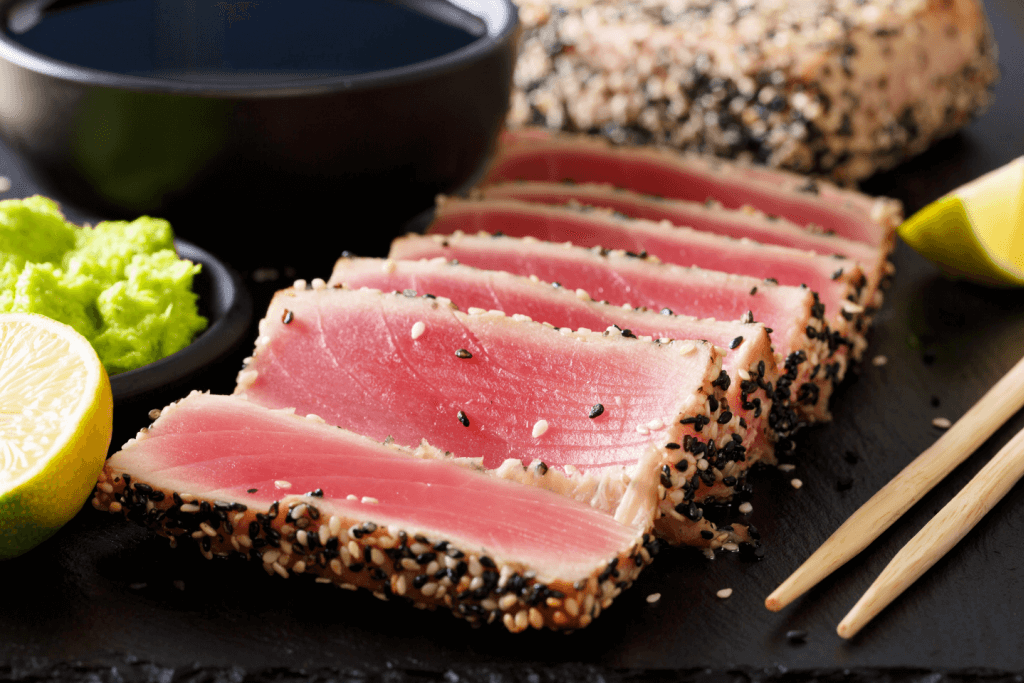
For those seeking culinary refinement, tataki offers a masterclass in seared elegance. The searing process not only seals the juices but also imparts a smoky depth that elevates the overall taste profile. The technique involves searing meat in a hot pan and marinating it in a flavorful concoction. It’s most common for fish or beef. As a result, the dish balances delicate tenderness with bold marinade notes. It creates a sophisticated and indulgent sensory experience. Tataki showcases the Japanese commitment to preserving natural flavors. Not to mention, they enhance them with minimal yet impactful seasoning.
Why is Japanese cooking, like kushiyaki, popular?
Japanese cooking has garnered global acclaim due to its meticulous techniques and emphasis on fresh, high-quality ingredients. The popularity of dishes like kushiyaki lies in the exquisite balance of flavors. Also, the artistry in presentation and the cultural richness each dish embodies.
Japanese cuisine resonates with food enthusiasts worldwide. It can transcend mere sustenance and become an immersive cultural experience. Whether it’s sharing hot pot in nabemono or grilled skewers in kushiyaki, it’s communal joy. Have you savored the grilled perfection of kushiyaki or immersed yourself in the comforting embrace of nabemono? Leave a comment below and let the conversation unfold!