


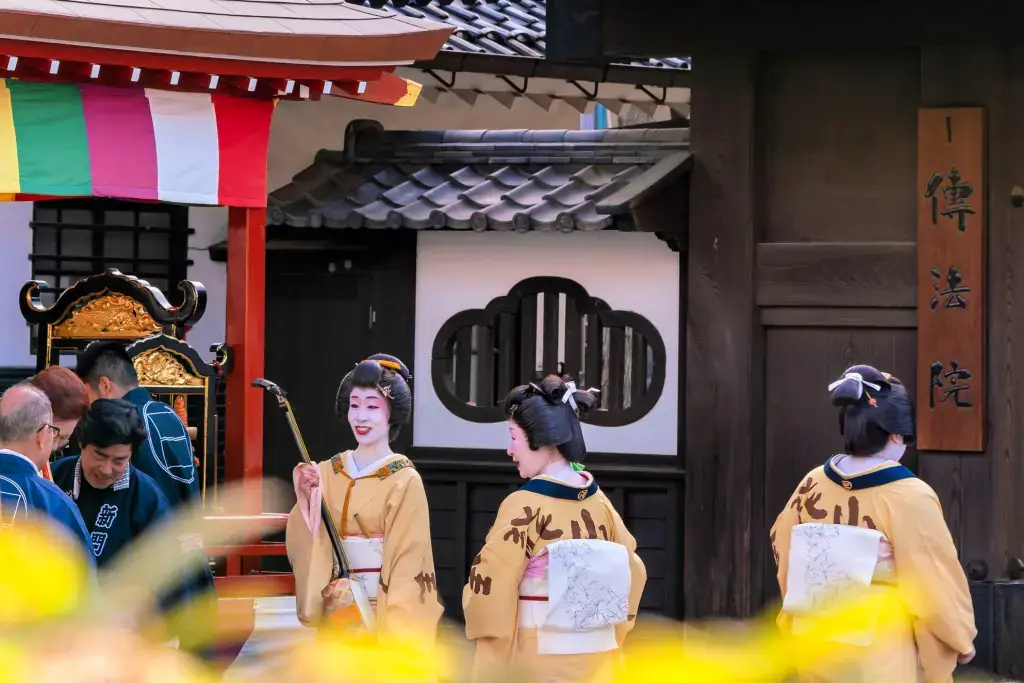
Denboin Street in Asakusa is known for its traditional Japanese crafts and culture. This shopping street offers many items, from beautifully crafted kanzashi hairpins to elegant kimonos and yukatas. Each product reflects Japan’s rich history and artistry, making it an excellent place for those seeking authentic Japanese souvenirs and gifts.
Kanzashi
Since the Jomon period, people have used kanzashi, traditional Japanese hairpins, originally believed to ward off evil. These hairpins became popular as decorative items during the Edo period, and artisans made them from various materials, including wood, metal, and tortoiseshell. Kanzashi come in different types, each serving functional and artistic purposes, making them accessories for traditional and modern outfits.
In modern Japan, kanzashi are experiencing a revival. Generally, people wear them with kimonos during special occasions like weddings, festivals, and coming-of-age ceremonies. They are also popular as fashionable hair accessories with Western clothing. Modern kanzashi can range from simple designs to elaborate pieces adorned with seasonal flowers, pearls, and other decorations.
Kimono and Yukata
When it comes to traditional Japanese clothing, the kimono has a rich history. The word “kimono” actually means “thing to wear.” Imagine wearing a T-shaped outfit made from layers and layers of fabric, all wrapped up with a belt called an obi. Kimonos are often silky and are the go-to outfit for fancy events like weddings and special ceremonies. Kimonos can be intricate, with intricate designs and decorations, requiring special undergarments and accessories.
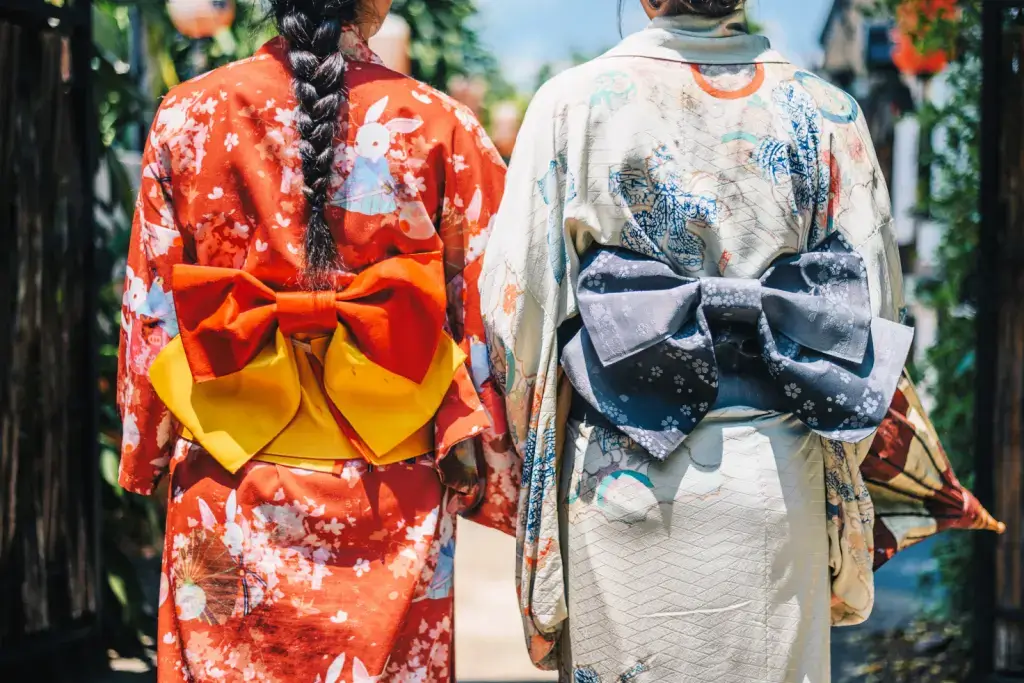
Meanwhile, the yukata is a lightweight, casual version of the kimono, typically worn in the summer. Made from breathable fabrics like cotton, yukatas are comfortable and easy to clean. Yukatas are also popular at festivals, parties, and hot springs. Unlike kimonos, because yukatas are light, they’re great for warm weather. They also come in various patterns, often bright and colorful for women and more subtle for men.
Edo-Kiriko Glassware
Edo Kiriko, a traditional craft from the 19th century, involves designs cut into colored glass. Originating in Edo, it references European techniques and is popular for its simple and beautiful patterns. Edo Kiriko uses less-than-1-mm thick colored glass. Traditional patterns, like the Nanako pattern resembling fish eggs, and modern glassware generally make Edo Kiriko pieces a favorite for everyday use and special occasions.
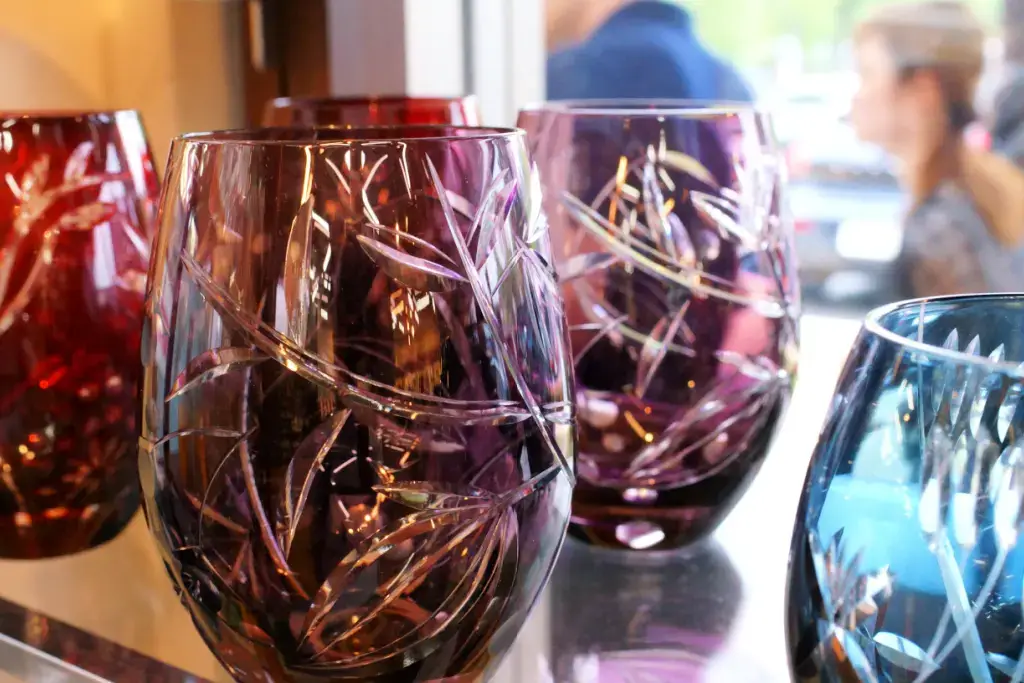
The production of Edo Kiriko involves several steps. First, artisans mark the glass with grid lines. Then, they cut basic patterns with sand-coated metal discs. Next, they refine the designs in great detail. Finally, they polish the glass with wood and cloth discs to restore its shine and enhance its beauty. This process ensures that each piece of Edo Kiriko reflects light beautifully, much like a kaleidoscope, making it highly prized glassware.
Are you looking for amazing traditional snacks from the Tokyo area? Check out Sakuraco! Sakuraco delivers traditional Japanese snacks, teas, sweets, and snacks from local Japanese makers directly to your door so you can enjoy the latest treats from Japan!

Boxwood Combs
Yonoya Kushiho, an artisanal shop, has been crafting boxwood combs since 1717. These combs, made from Satsuma boxwood trees in Kagoshima, are known for their durability and gentleness on hair. Originally a wholesale business catering to professional hairdressers, Yonoya began selling directly to customers during the Meiji era as Western hairstyles became popular in Japan.
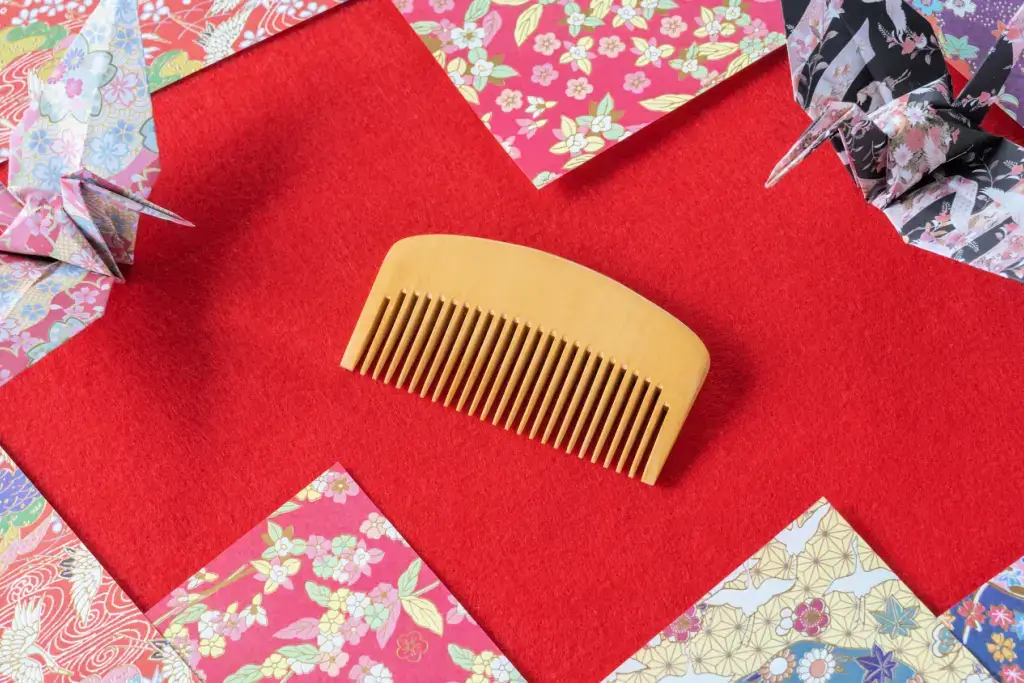
Today, Yonoya continues to produce high-quality combs. Not to mention, they are famous for their minimal static electricity, which protects hair from damage and keeps it healthy and shiny. In addition, artisans soak each comb in camellia oil. The combs are also hand-finished to soften the scalp, stimulate blood flow, and reduce hair loss. As a result, these combs can last over a decade, turning a beautiful amber hue.
Hand Fans
Sensu folding fans, originating in Japan during the Heian period, were used by men in the imperial court. These fans, also called ōgi, evolved into colorful and decorative items, with people drawing pictures and writing poems. They also became popular in Shintō ceremonies, tea ceremonies, and traditional dances. Over time, the kawahori-ōgi style emerged, featuring a bamboo frame and paper covering, similar to modern sensu.
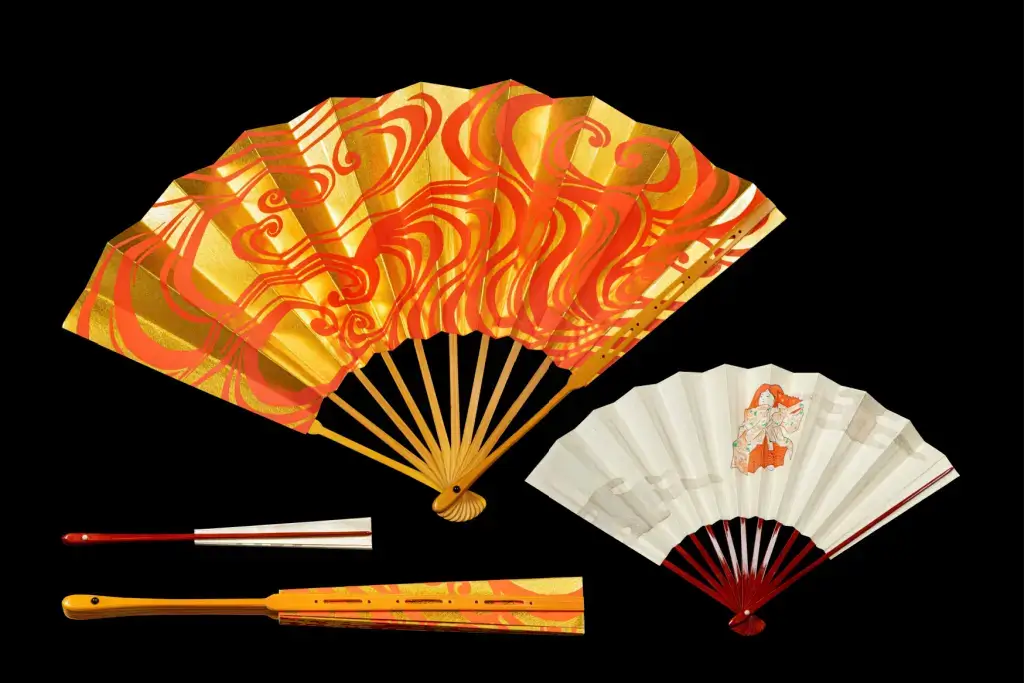
Sensu fans are deeply embedded in Japanese culture as cooling devices and significant artistic and cultural accessories. Moreover, they are used in traditional Japanese performing arts like kyōgen, Nōh theater, and rakugo (traditional Japanese standup comedy) storytelling, where they can represent various props. Today, sensu fans remain popular as practical items and beautiful gifts, often decorated with designs that reflect Japan’s rich culture.
From intricate Edo-Kiriko glassware and traditional kanzashi hairpins to elegant kimonos, yukatas, and boxwood combs, each item reflects the artistry and traditions of Japan. Whether searching for a unique souvenir or a beautiful gift, Denboin Street generally provides a great selection of high-quality, culturally significant treasures! Have you ever been to Denboin Street in Tokyo? What did you buy there? Let us know in the comments below!