


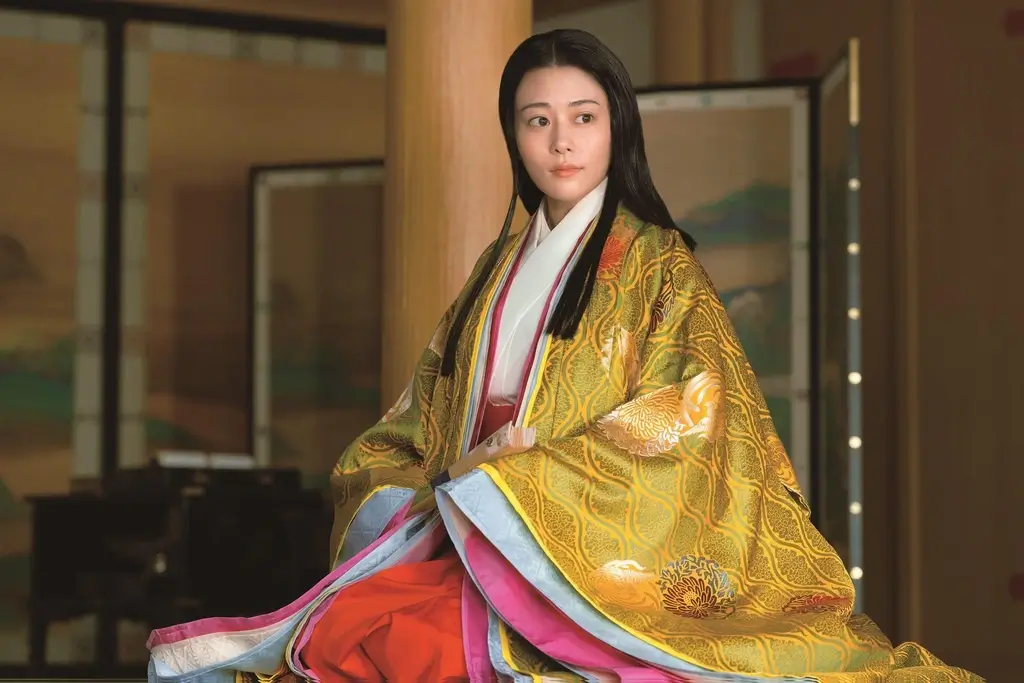
The junihitoe is one of the most iconic garments in Japanese history. It was once worn by court ladies during Japan’s Heian period and remains a symbol of elegance, culture, and tradition. Though no longer part of everyday fashion, it appears in modern ceremonies and royal events as a visual connection to Japan’s aristocratic past.
What is the junihitoe?
The word junihitoe translates to “twelve-layer robe,” though the number of layers varied depending on rank, occasion, and season. It consists of multiple silk robes worn one over another, starting with a base layer and building up with garments like the kosode, hitoe, itsutsuginu, and the outermost layer called the uwagi. The final touch is the karaginu mo, combining a stiff, short jacket and a long, trailing skirt that completes the ensemble.
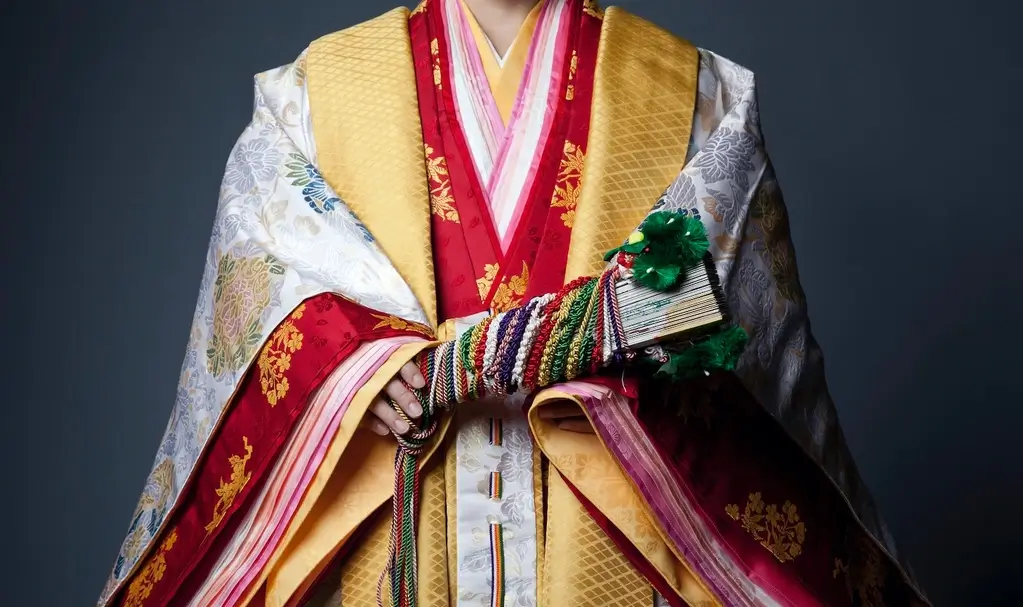
While it looks regal and delicate, the junihitoe was once part of daily life for imperial women. These robes are made from finely dyed silk, and each layer contributes to an overall design based on color harmony and seasonal themes. Colors expressed everything from court status to the changing leaves of autumn or cherry blossoms in spring. The complete outfit could weigh up to 20 kilograms and required assistance to put on correctly.
History of the Junihitoe
The junihitoe emerged during Japan’s Heian period (794-1185), when the imperial court in Kyoto was the center of culture, poetry, and politics. Court life greatly emphasized elegance, etiquette, the ability to express emotion, and seasonal awareness through clothing. Initially, the layers were practical, helping wearers adjust to weather conditions in poorly heated palaces. Over time, however, the layers became ceremonial and symbolic.
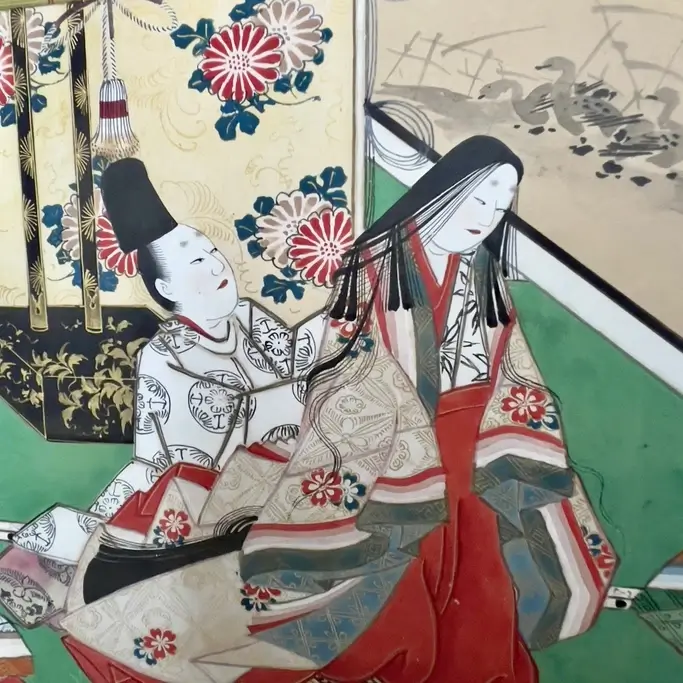
By the late Heian period, specific color combinations were considered prestigious, and aristocratic women became highly skilled in layering tones to match poetry and seasonal events. Though fashion changed over the centuries, the junihitoe never disappeared completely. It remained preserved through painting, literature, and rare ceremonial use. In many ways, the robe is a wearable record of Japan’s Heian elite.
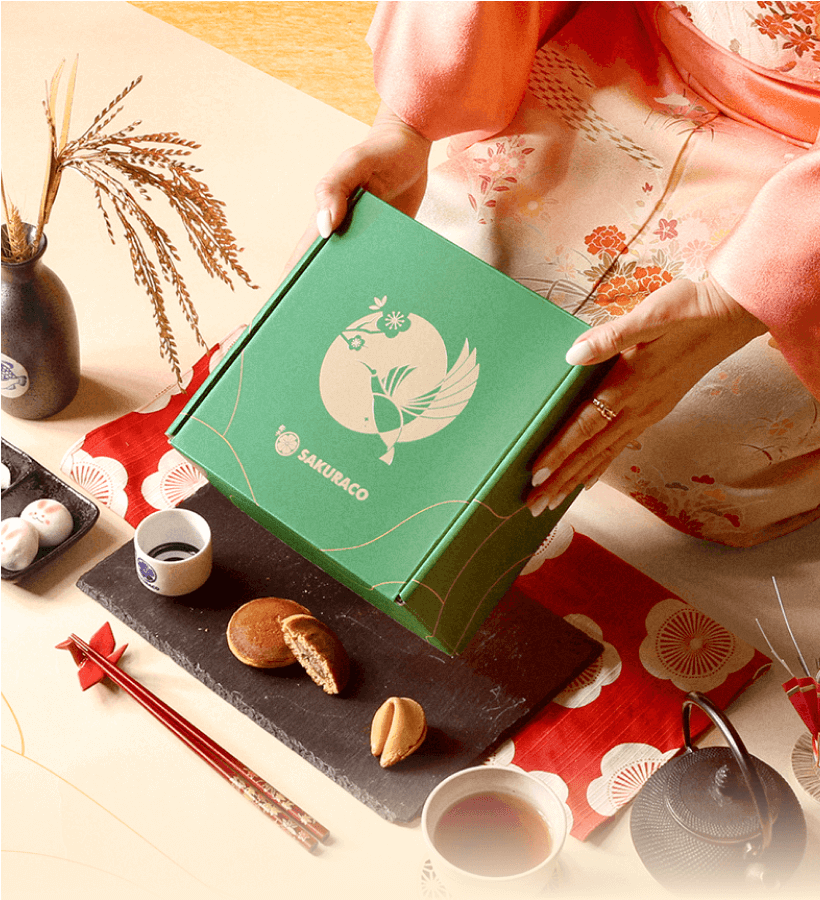
Are you looking for great snacks while learning about historical Japanese fashion? Check out Sakuraco! Sakuraco delivers traditional Japanese snacks, teas, and sweets from local Japanese makers directly to your door so you can enjoy the latest treats directly from Japan!

Modern Appearances and Uses
Today, the junihitoe is no longer worn daily but remains a powerful cultural icon. One of the most visible moments it appears is during imperial enthronement ceremonies, where royal women wear it as a sign of dignity and tradition. It’s also used in historical reenactments, especially during events like Kyoto’s Jidai Matsuri (Festival of the Ages), where participants dress in outfits from various Japanese eras. Moreover, some people of higher socio-economic status wear the junihitoe
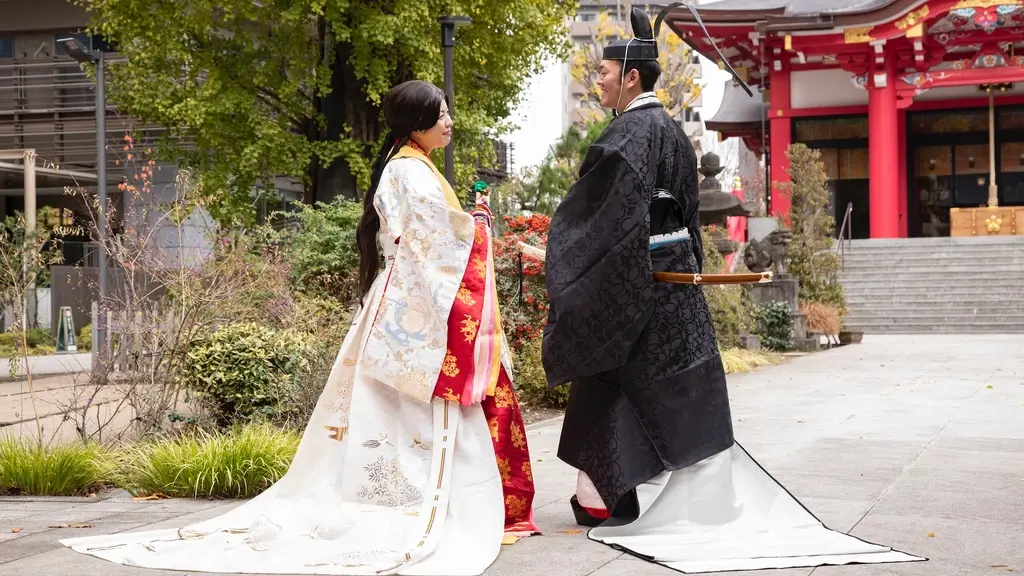
Some museums and cultural centers offer junihitoe dressing experiences, giving people the rare chance to try on a simplified version. These experiences are highly controlled due to the delicacy and value of the garments, but they serve an educational purpose. The robe may also appear in traditional Shinto weddings or heritage promotions. Despite the layers, it stands as a timeless symbol of elegance.
Cultural Symbolism and Beauty
Wearing the junihitoe was a way for noble women to speak without words. Colors, fabrics, and the number of layers communicated seasonal changes, emotional states, and cultural sensitivity. For example, combinations like “plum blossom over spring haze” used shades of pink and gray to reflect nature and mood. These pairings had poetic names and required literature, art, and traditional knowledge. It was an art form wrapped in silk.
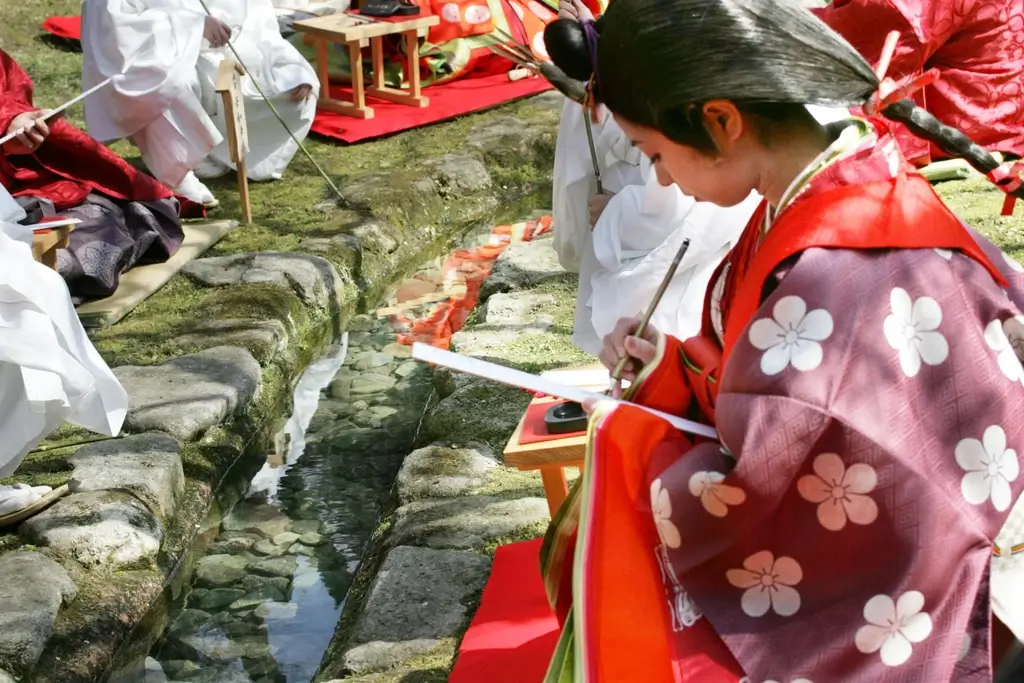
The robe also symbolized social rank and inner composure. A woman wearing the junihitoe showed she could bear the physical burden of the outfit while maintaining poise and grace. It reflected patience, strength, and understanding of beauty beyond appearance. Even the trailing skirt served a purpose, showing that the wearer could walk slowly, gracefully, and with mindfulness. In every detail, the junihitoe revealed depth, education, and elegance.
Why do people appreciate junihitoe?
The junihitoe embodies a deep part of Japanese history and cultural identity. Each layer is chosen carefully to reflect the seasons, emotions, or poetry, making dressing an art form. Even though it’s no longer worn daily, it continues to carry meaning in royal ceremonies and traditional festivals. By understanding it, one can better appreciate how beauty, language, and tradition come together in Japanese culture.
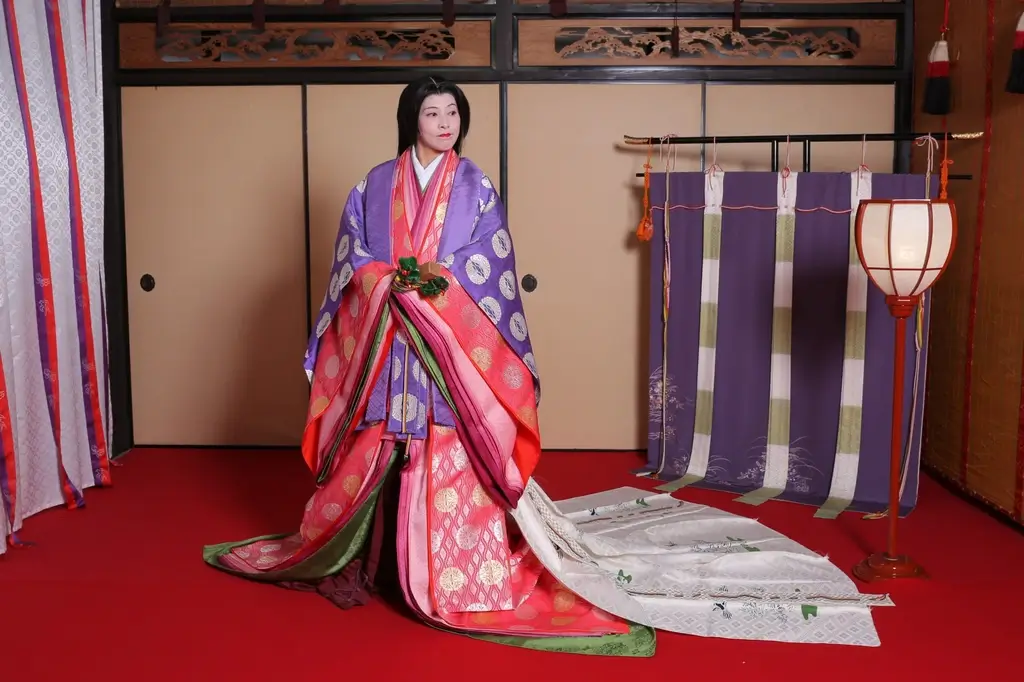
Appreciating the junihitoe means recognizing the skill and thought behind each part of the outfit. The color pairings follow traditions passed down over centuries, and each piece is handmade by skilled artisans. It shows how elegance and discipline were once central to daily life for the nobility. Even today, the robe stands as a symbol of quiet dignity and enduring craftsmanship. Have you ever seen a junihitoe? Have you ever experienced wearing one? Let us know in the comments below!