
Sakuraco August 2025 Reviewer Contest Winners Announced

Share:

Share on facebook
Share on pinterest
Share on twitter

Thank you to everyone who has submitted the review!

Hi Sakuraco Family!

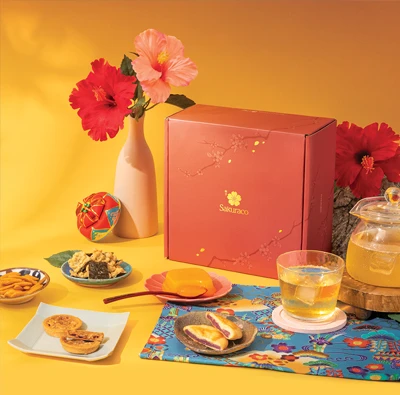
From sacred landmarks to lively festivals, our Journey to Okinawa box celebrated the beauty and heritage of the Ryukyu Islands. We loved reading your stories, unboxings, and heartfelt reactions.

Now, we’re excited to share the voices that stood out this month. Congratulations to our Reviewers of the Month:

  • Astrid C
  • Christian S
  • Heather S
  • Selim P
  • Eva P

A big thank you to everyone who submitted feedback. Your input means a lot to us, and we’re always working to improve your Sakuraco experience.

Now, let’s give a special shoutout to the three grand prize winners who will soon receive their very own Sakuraco box:

  • Julia S
  • Christine M
  • Sydney S

Congratulations to all the winners! We’ll be reaching out to arrange the prize, so keep an eye on your inbox.

If you didn’t win this time, don’t worry! Join our next Reviewer Contest by sharing your thoughts, and you could be our next winner. Best of luck to everyone!

Discover authentic flavors with Sakuraco

Enjoy new Japanese sweets, snacks and tea every month starting from $32.50USD

Leave a Reply

Your email address will not be published. Required fields are marked *

Discover authentic flavors with Sakuraco

Enjoy new Japanese sweets, snacks and tea every month starting from $32.50USD

Related Articles

People praying at a shrine during hatsumode.

Hatsumode: Why Is It Japan’s Most Important Tradition?

Hatsumode is the first visit to a shrine or temple in the New Year in Japan, and it is one of the country’s most important traditions. Every year, millions of people participate, demonstrating the profound connection between this custom and daily life.

A green Japanese fish bait (kebari) in a bush.

Japanese Fish Bait: The Beautiful Art of Kebari

Kebari are traditional hand-tied flies used for freshwater fishing in Japan, especially in mountain streams where small insects form the main diet of native fish. Instead of bright plastic lures, kebari use feathers, thread, and natural materials to create subtle movements in the water.