


Fluttering cherry blossoms, tranquil shrines, and delicious sushi. These images might pop in your mind the moment you think of Japan, but the country’s charm goes beyond these famous icons. In Saga, Japan, a tradition has evolved that combines history, teamwork, and culture into a single thrilling spectacle: the Ancient Row Boat Race.
Every summer, this historic event in the Kyushu region transforms Saga’s riverside into a place of energy and excitement, offering both participants and visitors a thrilling experience. The rhythmic sound of oars echoes as people paddle in unison, working together to win the race, as onlookers cheer from the riverbanks. Dive into the waves of trade and time to discover how they breathed life into this race!
What is the Ancient Row Boat Race?
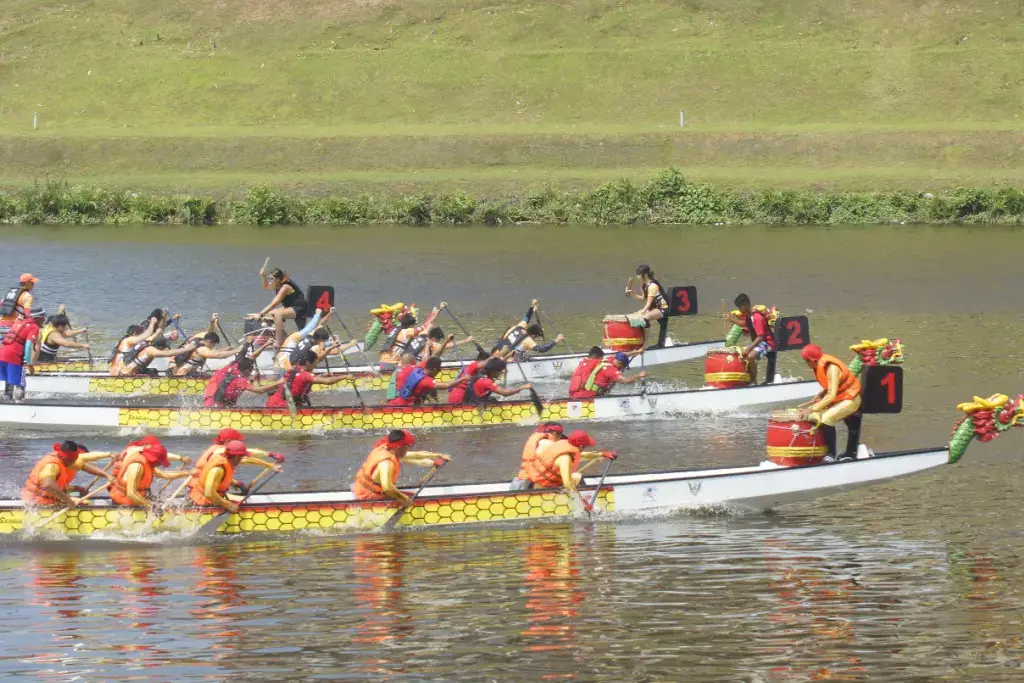
The Dragon Boat Race is an annual event where teams fiercely compete for speed while rowing traditional Japanese boats. It features 10-meter (33-feet) long vessels inspired by the boats that carried Japanese envoys in their journey to the Tang Dynasty and back. They are beautifully crafted, often by local artisans using methods handed down through generations, and carry 16 people each.
The race takes place on the Kase River in Saga City. Teams push their boats forward for a round trip of 500 meters (1640 feet), battling the current and each other to claim victory. Some participants compete fiercely for the top spot, while others simply join for the thrill of teamwork and the joy of tradition. Regardless of motivation, everyone perseveres toward the same goal: crossing that finish line together.
Tradition Rooted in History
The roots of the race stretch back to the Saga, Japan’s waters, roughly 13 centuries ago, during the Nara period, when Japan and China’s Tang Dynasty engaged in significant cultural exchange. It is said that a boat carried the Chinese monk Jianzhen, also known in Japan as Ganjin, to Saga City during this time. Jianzhen is recognized as a pivotal figure in introducing Buddhism to Japan.
Beyond honoring history, the event also supports the present and future. Through river activities, the race supports disaster-prevention education for the children who will ultimately shape the future. Today, it remains one of Saga’s proudest traditions, drawing participants from across Japan. Just this year, the Ancient Row Boat Race attracted 41 teams all over the country to compete in its waters.
Are you looking for great snacks from places as far as Saga, Japan? Check out Sakuraco! Then check out Sakuraco! Sakuraco delivers traditional Japanese snacks, sweets, teas, and more from local Japanese makers right to your door!

Saga Japan’s Celebration of Community
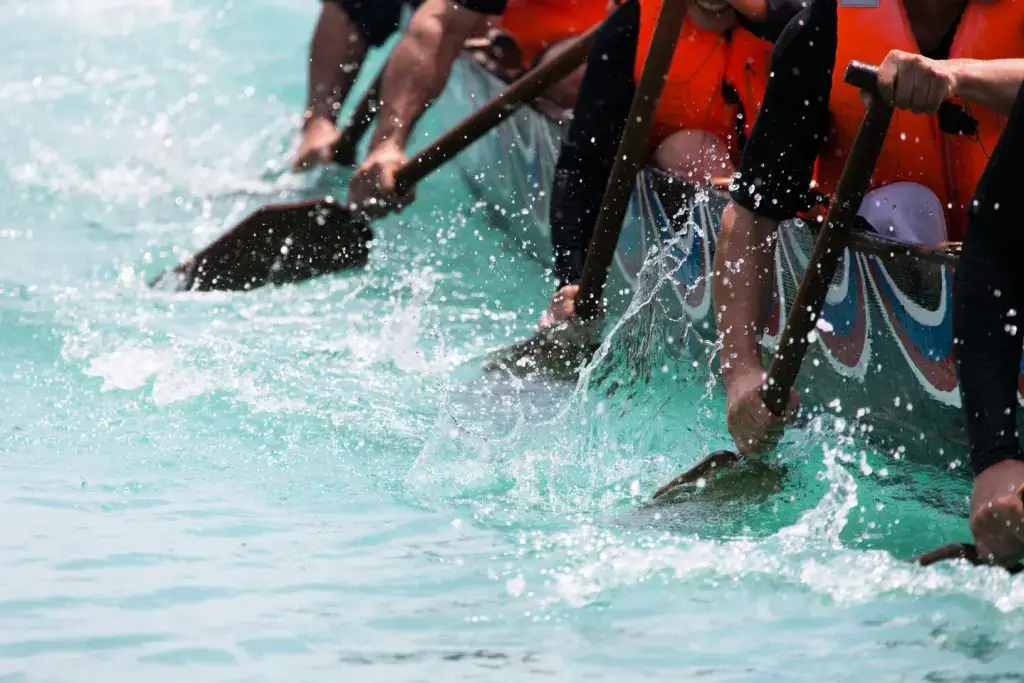
The race is as much about the people as it is about the competition. Participants row with precision and rhythm. They must stay in perfect sync to keep the boat steady and move it quickly, requiring extraordinary teamwork. The result is a display of strength, grace, and discipline that’s mesmerizing to watch.
Meanwhile, the riverside also comes alive with excited spectators. Family, friends, and curious bystanders excitedly watch the race as vendors sell local snacks. The entire town participates as they cheer on the rowers and celebrate their shared heritage. For travelers, this event offers a unique glimpse into the culture and community of Saga, Japan, making it a truly unforgettable experience.
How to Participate in the Ancient Row Boat Race
Feeling inspired to do more than just watch? You can actually participate in this annual event! Teams must apply by mid-July through the organizers at the Saga Mizu-monogataru Kan or the Saga Water Chronicle Museum, via fax or email. Participation costs 10,000 yen per team (about $68), which covers entry into the race.
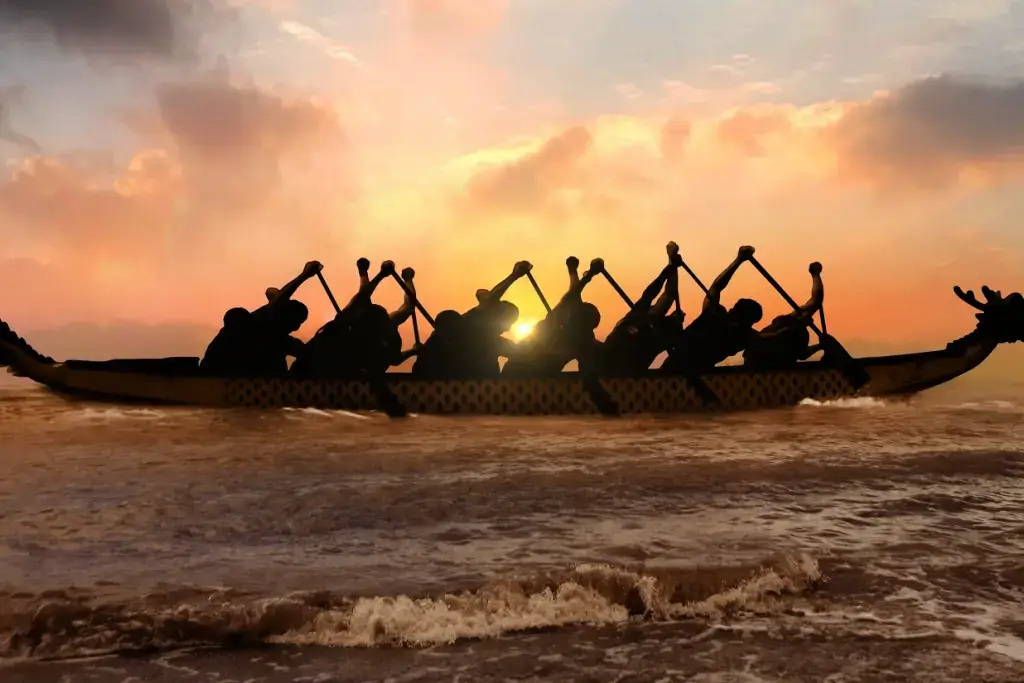
Each boat requires a full crew, so assemble a committed team of 12 to 16 people before registering. Moreover, keep in mind that the boats are long and require perfect timing to row forward! Therefore, it is recommended to practice together regularly before the race to get accustomed to each other’s rhythm. Study the official rules, which include course layout, turning points, and safety requirements, to prepare properly.
Why should I visit Saga, Japan?
Whether you join as a participant or simply watch from the riverbank, the Ancient Row Boat Race is a must-see experience in Saga, Japan. It blends skill, craftsmanship, and centuries-old history into one event. For rowers, the race is an opportunity to challenge oneself, bond with fellow team members, and connect with the natural world. For spectators, it’s a vibrant celebration of culture and community, filled with excitement from the first race to the last.
In a world that moves quickly, events like this remind us of the value of slowing down, honoring history, and celebrating together. So, when August comes around, head to Saga’s riverside, pick up an oar or pick out a good viewing spot, and witness a tradition that continues to hold people together year after year. Have you ever witnessed Japan’s boat races? How was it? Let us know in the comments!