


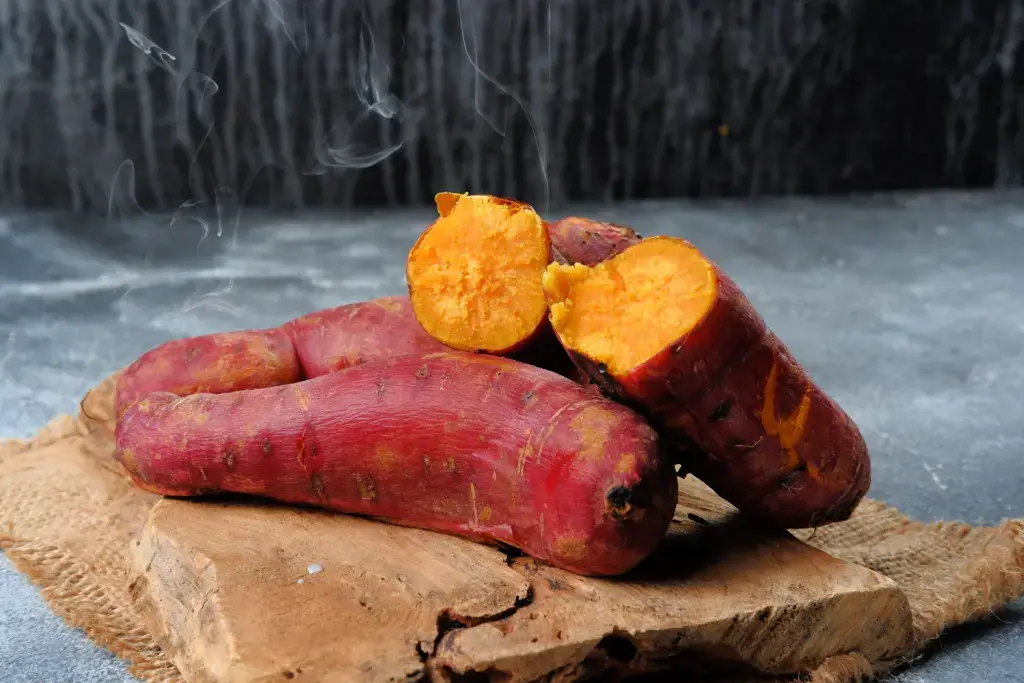
There’s something magical about the Japanese sweet potato. It can be sold piping hot by street vendors on a crisp autumn day. It can also appear as a delicately plated dessert at a traditional tea house. Either way, it warms both stomach and soul. This humble ingredient has been cherished for centuries. It is both a food source and a seasonal delight that sparks creativity in the kitchen.
What is a Japanese sweet potato?
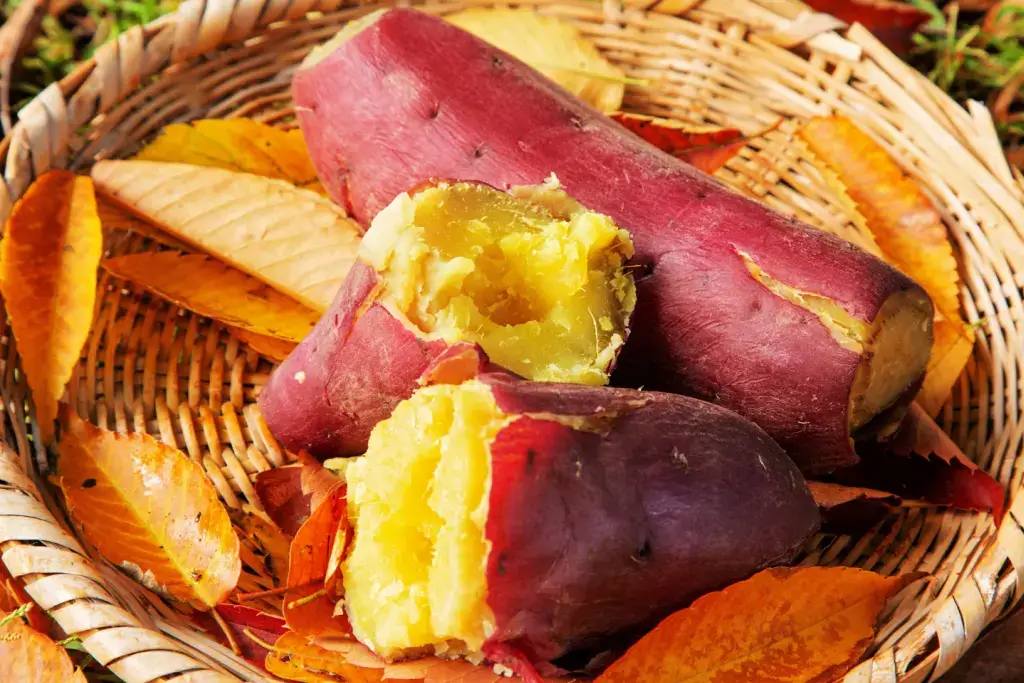
The Japanese sweet potato, or satsumaimo, is a root vegetable characterized by its vibrant purple skin and naturally sweet, golden-yellow flesh. When cooked, it becomes creamy, smooth, and almost dessert-like with a gentle sweetness that is both comforting and refined. This makes it perfect for both savory and sweet dishes. Its versatility allows it to be roasted, steamed, mashed, or transformed into elegant desserts, making it one of Japan’s most beloved seasonal ingredients.
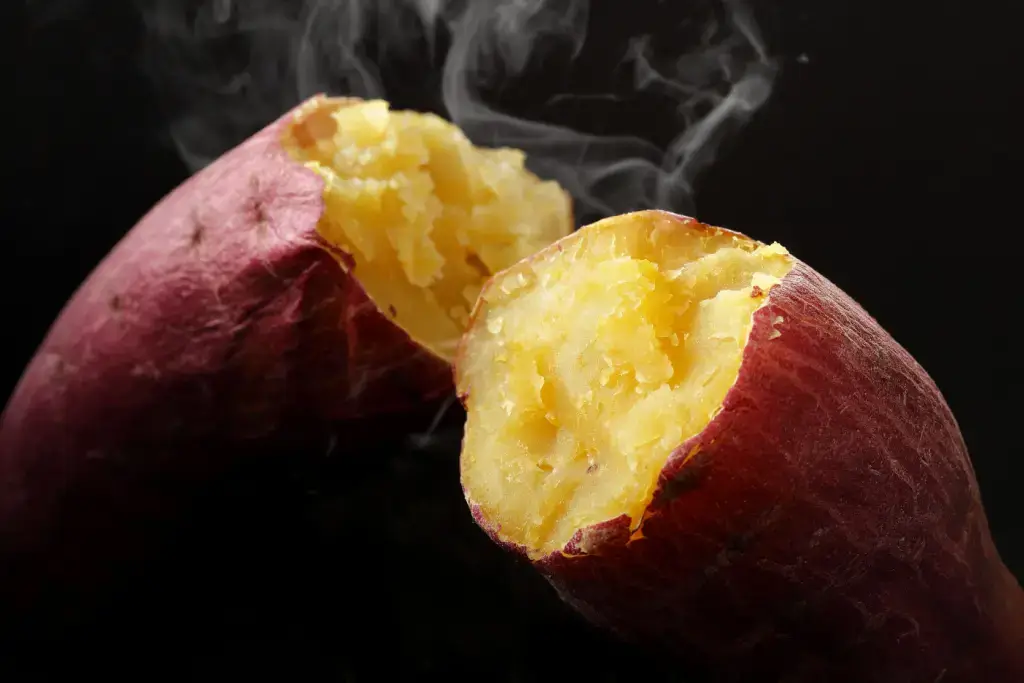
In Japan, satsumaimo marks the arrival of autumn and the onset of colder months. Street vendors and supermarkets sell them roasted over hot stones, filling the air with an irresistible aroma. At home, families use them to create seasonal dishes that bring warmth to the table. Their ability to transition seamlessly from rustic snacks to elegant desserts is what makes them truly special and explains why they remain a staple in Japanese kitchens year after year.
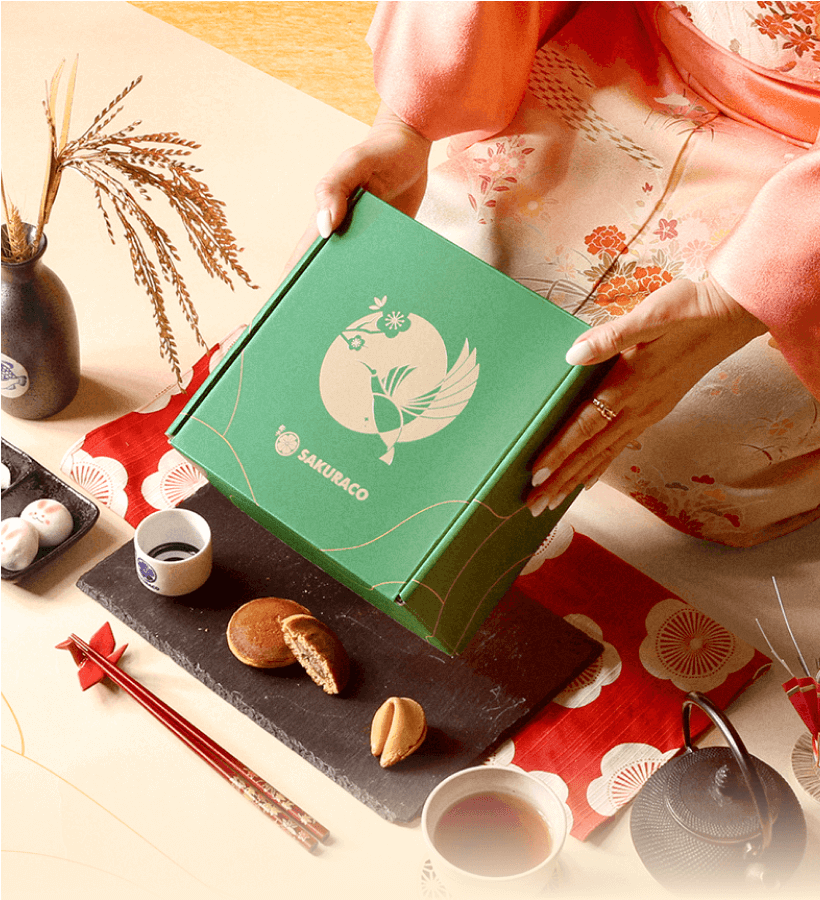
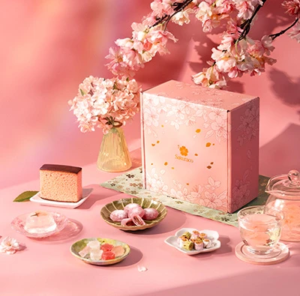
Are you looking for great snacks that include Japanese sweet potato? Check out Sakuraco! Sakuraco delivers traditional Japanese snacks, sweets, tableware, and more from local Japanese makers right to your door, perfect for a pleasant snack time at home!

Apple Sweet Potato Cake
One of the most delightful wagashi to try is the apple sweet potato cake. This dessert brings together two comforting flavors—satsumaimo and apple. The result is a moist, tender cake that feels like autumn on a plate. Mashed Japanese sweet potato creates a rich, velvety base. Diced apples add tartness and a gentle crunch.
Bakeries and small wagashi shops often sell this cake in the fall. That makes it a seasonal treasure worth finding. Its mild sweetness pairs well with green tea or coffee. It is a perfect choice for anyone seeking something familiar yet uniquely Japanese.
Sweet Potato Yokan
Imo yokan, or sweet potato yokan, is wagashi in its most traditional state. Yokan is a firm, jelly-like sweet made with bean paste, sugar, and agar. However, sweet potato yokan uses creamy sweet potato rather than bean paste, giving the confection a golden hue and a delicate sweetness.
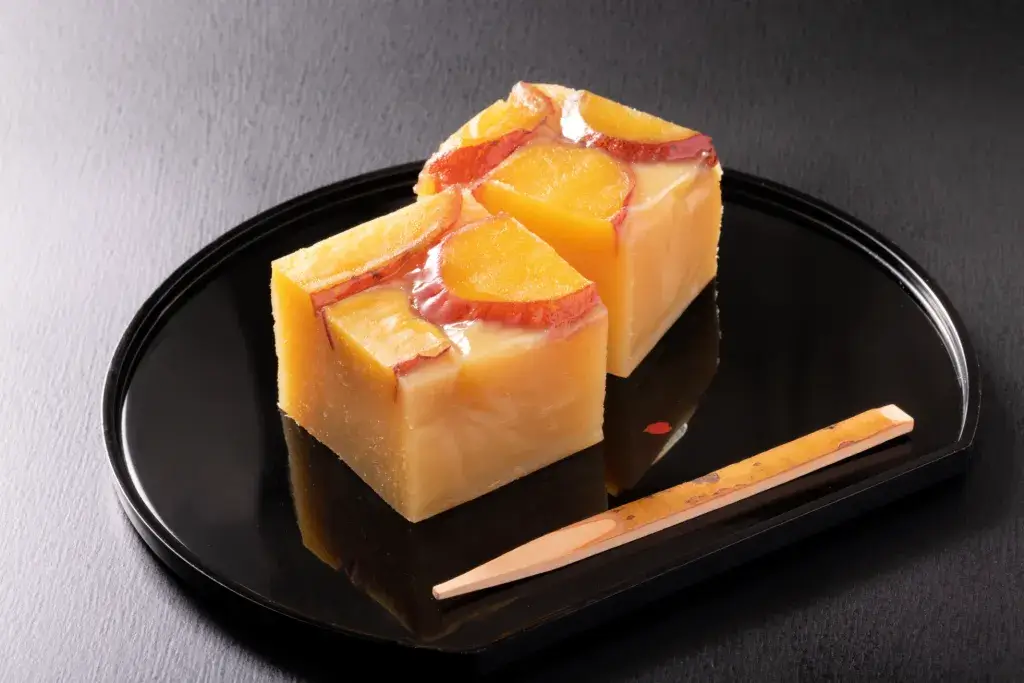
Moreover, it is also elegant in its simplicity. The smooth, compact texture holds its shape when sliced, and its taste is subtle yet deeply comforting. It’s less sugary than Western desserts, allowing the natural richness of the potato to shine. Typically enjoyed with green tea, sweet potato yokan offers a balanced sweetness that complements the tea’s slight bitterness.
You’ll find it in many wagashi shops across Japan, especially in autumn and winter. Some shops even package it in beautiful boxes, making it an ideal souvenir. It’s one of those treats that perfectly reflects Japanese aesthetics: simple, refined, and meaningful.
Sweet Potato Manju
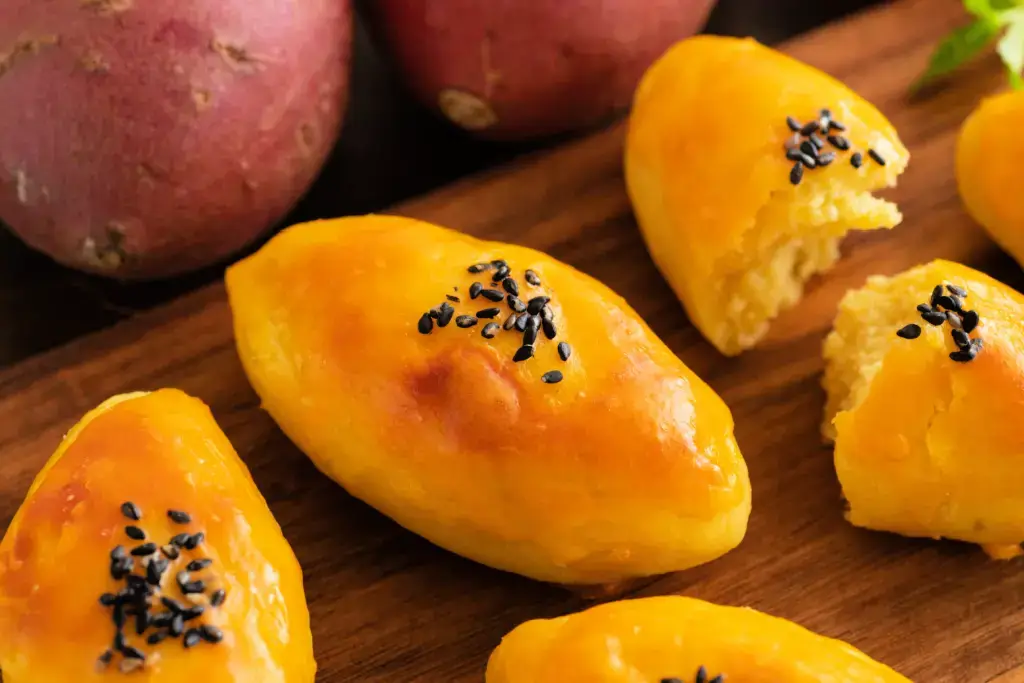
Another wagashi to look out for is sweet potato manjū, a small, round-shaped confectionery with a buttery, flaky dough that encases a sweet filling. Traditionally, manjū is filled with red bean paste. However, this version replaces the filling with mashed Japanese sweet potato blended with sugar and sometimes a touch of butter or milk for extra creaminess.
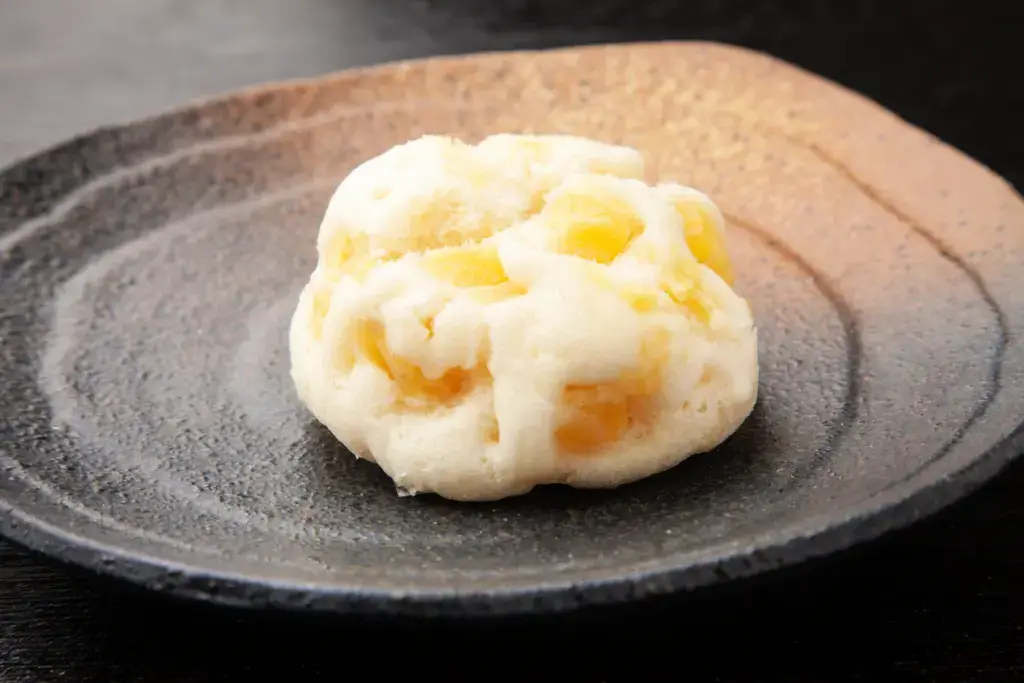
The outer shell is often baked until slightly golden, giving it a tender texture with just a hint of crispness. Inside, the smooth sweet potato filling provides a gentle sweetness that feels both familiar and unique. These little confections are perfectly portioned for a quick bite, making them especially popular as tea-time treats. Sweet potato manjū can be found year-round in wagashi shops in Japan!
Kuri Kinton
For those who want to enjoy an exquisite and symbolic treat, kuri kinton, or candied chestnuts and sweet potatoes, is the one. This wagashi is especially associated with New Year celebrations in Japan, where it appears in osechi ryori–the traditional assortment of food that represents good luck, health, and prosperity in the coming year. Kuri kinton’s golden color represents prosperity and good fortune, making it both a meaningful and delicious dish.
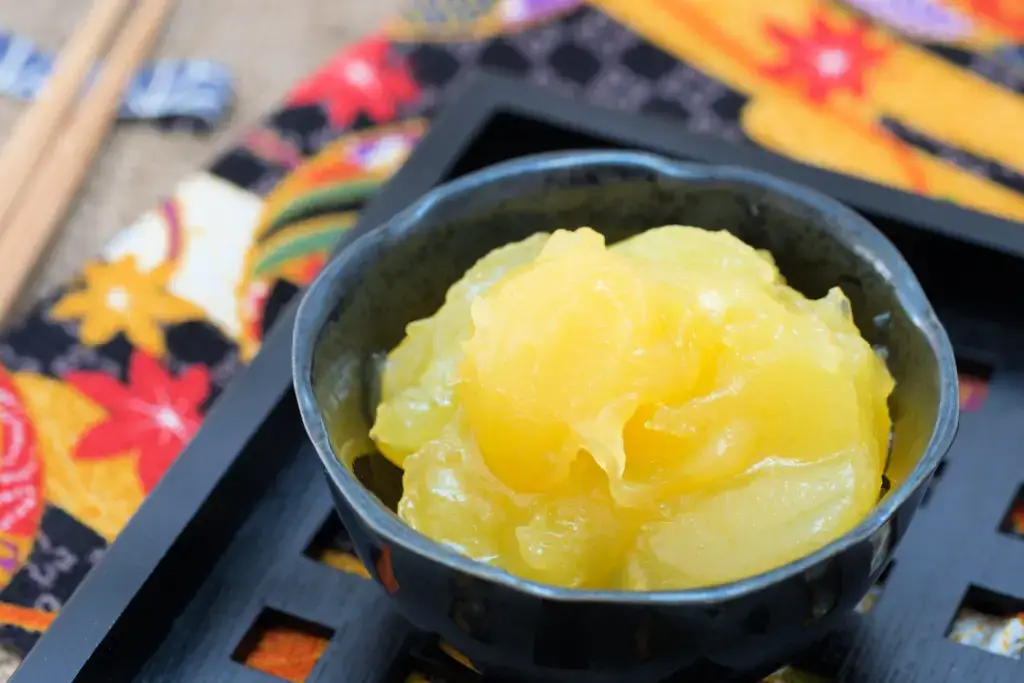
This wagashi is made by steaming and mashing candied chestnuts and Japanese sweet potatoes until they are perfectly smooth. Its paste is then sweetened using the syrup from the candied chestnuts. It’s shaped into small, delicate mounds and tastes sweet, with a slightly nutty flavor. Kuri kinton melts in your mouth while pleasing the eye with its golden glow!
Why should I try Japanese sweet potato wagashi?
Japanese sweet potato is a root crop that combines nature, seasonality, and craftsmanship in one dish. In wagashi, it becomes the centerpiece of sweets that are both comforting and beautiful. From the fusion charm of apple sweet potato cake to the traditional elegance of yokan, from the bite-sized delight of manjū to the symbolic richness of kinton, each confection tells a story of culture and creativity.
What makes these wagashi so special is their ability to highlight the natural sweetness of the Japanese sweet potato without overwhelming it. So, whether you’re strolling through a wagashi shop in Tokyo, exploring a local Japanese market, or lucky enough to find them at a specialty store abroad, keep an eye out for these sweet potato creations. They are edible works of art, and tasting them is one of the most delicious ways to experience Japanese culture! Have you ever tried a Japanese sweet potato wagashi? How was it? Share it with us in the comments!