


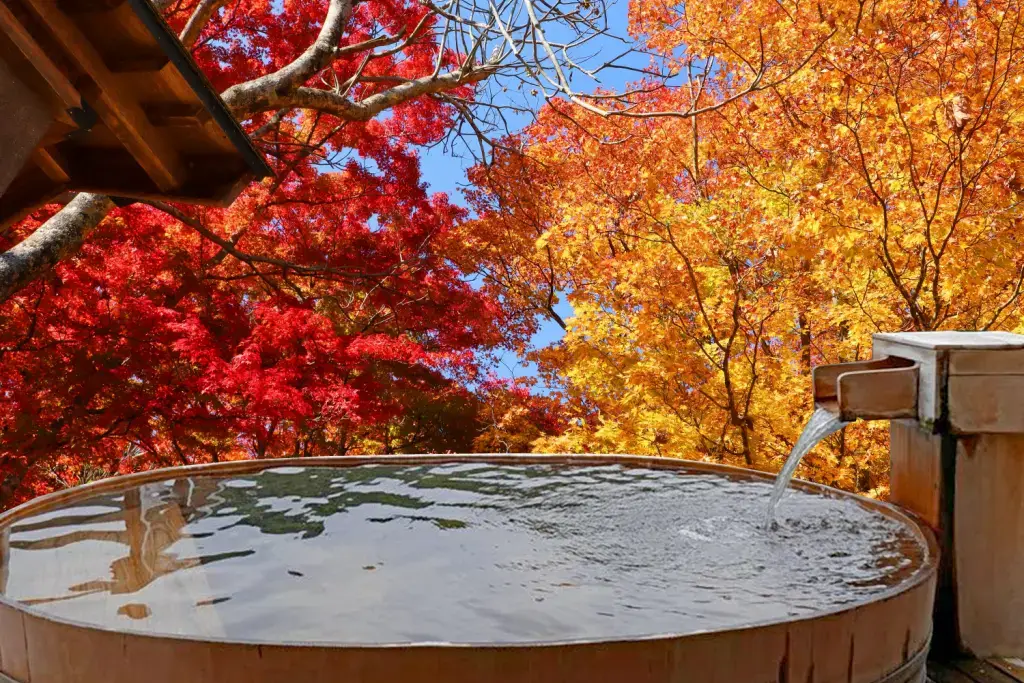
In Japan, few experiences capture the nation’s love for nature and relaxation quite like the rotenburo. These outdoor baths enable visitors to soak in naturally heated water while surrounded by lush forests, majestic mountains, or the serene sea. Many travelers describe the experience where time seems to slow down. Whether you’re visiting a remote onsen village or a luxury ryokan, soaking under the open sky is one of Japan’s most cherished traditions.
What is a rotenburo?
A rotenburo is an outdoor hot spring bath that uses naturally heated geothermal water. Unlike indoor onsen, these outside baths offer an unobstructed view of the surrounding landscape, allowing bathers to relax in harmony with nature. You might find one overlooking a mountain valley, beside a river, or facing the sea. Because Japan’s climate varies widely, every season brings a different mood.
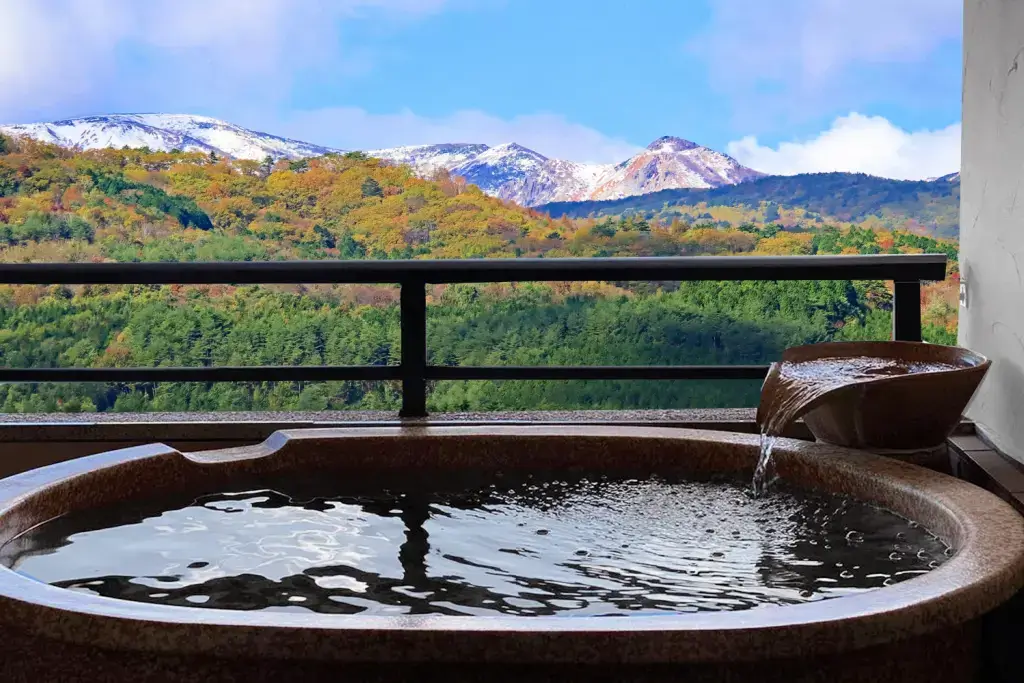
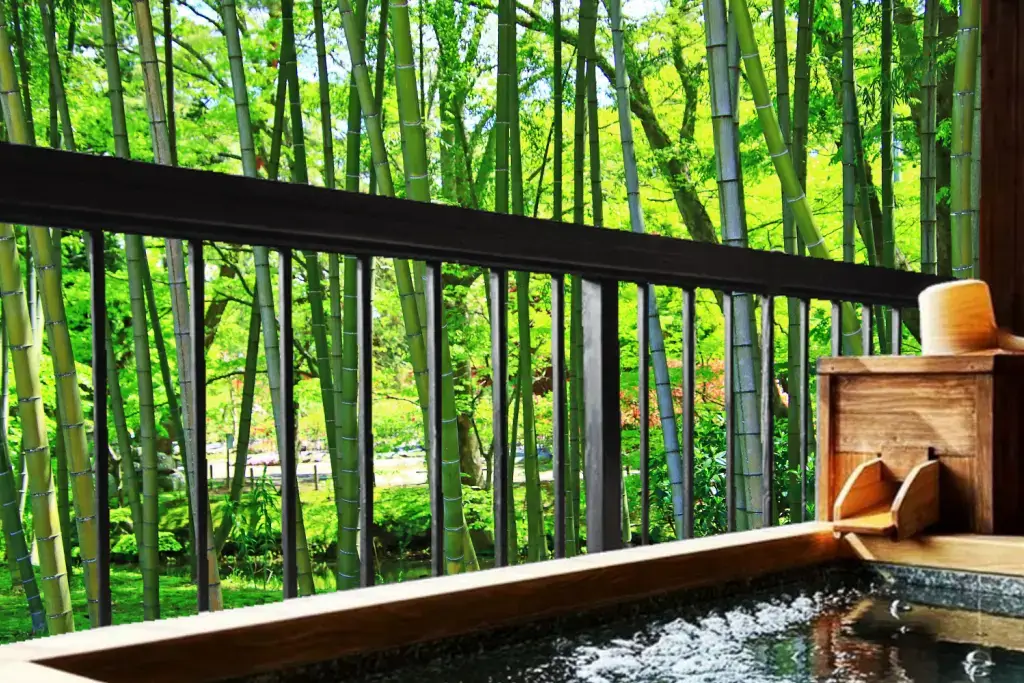
Indoor baths focus on warmth and comfort, but outdoor baths emphasize openness and connection to the environment. Bathers describe the contrast between hot water and cool air as one of the most soothing sensations. Some outdoor baths are simple rock pools, while others are designed with wooden decks or bamboo fences for privacy. These natural surroundings are what make them so memorable and distinct from other hot springs.
The Origins and Evolution of Rotenburo
The tradition of bathing in natural hot springs dates back centuries in Japan. In the past, these springs were located in remote areas where travelers stopped to rest, creating an early form of rotenburo. Over time, as onsen towns developed, these outdoor pools became refined and were incorporated into inns and resorts. Even as Japan modernized, these baths continued to hold importance as a place for rejuvenation and reflection.
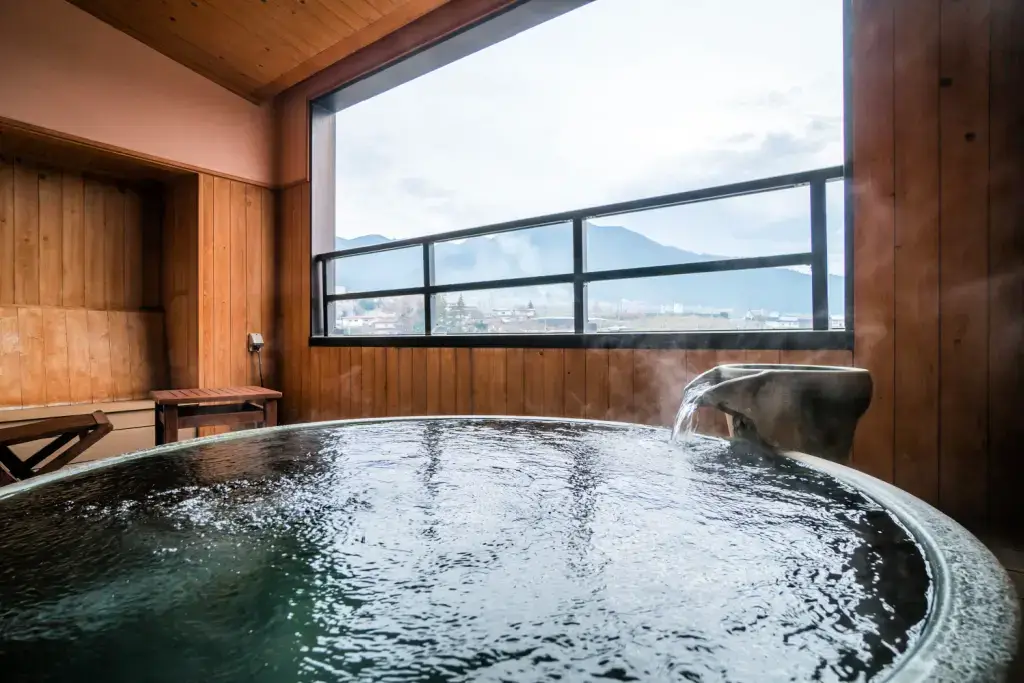
Today, they can be found across the country, from the snowy mountains of Hokkaido to the volcanic coasts of Kyushu. While the designs may vary, from natural rock pools to luxurious terrace baths, the essence remains the same: to enjoy nature through the experience of bathing. Many visitors find that soaking outside in warm water while feeling a cool breeze captures the balance between serenity and vitality.
Are you looking for excellent snacks to enjoy after you visit the hot spring? Then check out Sakuraco! Sakuraco delivers traditional Japanese snacks, sweets, teas, and more from local Japanese makers right to your door!

New Trends in Rotenburo Design
Modern rotenburo facilities continue to evolve, combining traditional aesthetics with new comforts. Some ryokan have begun adding LED lighting under the water to enhance nighttime baths, while others use aromatic wood or mineral stones to create a relaxing atmosphere. Rooftop baths in urban hotels enable city dwellers to experience the open-air ambiance. Natural and eco-friendly designs are gaining popularity, emphasizing sustainability and harmony with the surrounding landscape.
Private outdoor baths are also gaining popularity among younger travelers who seek comfort and privacy. These smaller baths often come with panoramic views, glass walls, or even private gardens. Many resorts now promote “seasonal bathing,” encouraging guests to return in different seasons to appreciate changing scenery. This evolution shows that even a centuries-old tradition can adapt while keeping its original spirit.
How to Enjoy a Rotenburo
When visiting a rotenburo, begin by checking whether it is gender-separated, mixed, or private. Some remote baths may be nude and mixed, while many hotel ones are gender-separated and follow onsen rules. Before entering, wash and rinse your body thoroughly in the indoor changing area or shower space. Once clean, step outside and slowly enter the hot spring water. Allow your body to adapt to the temperature and outdoor air.
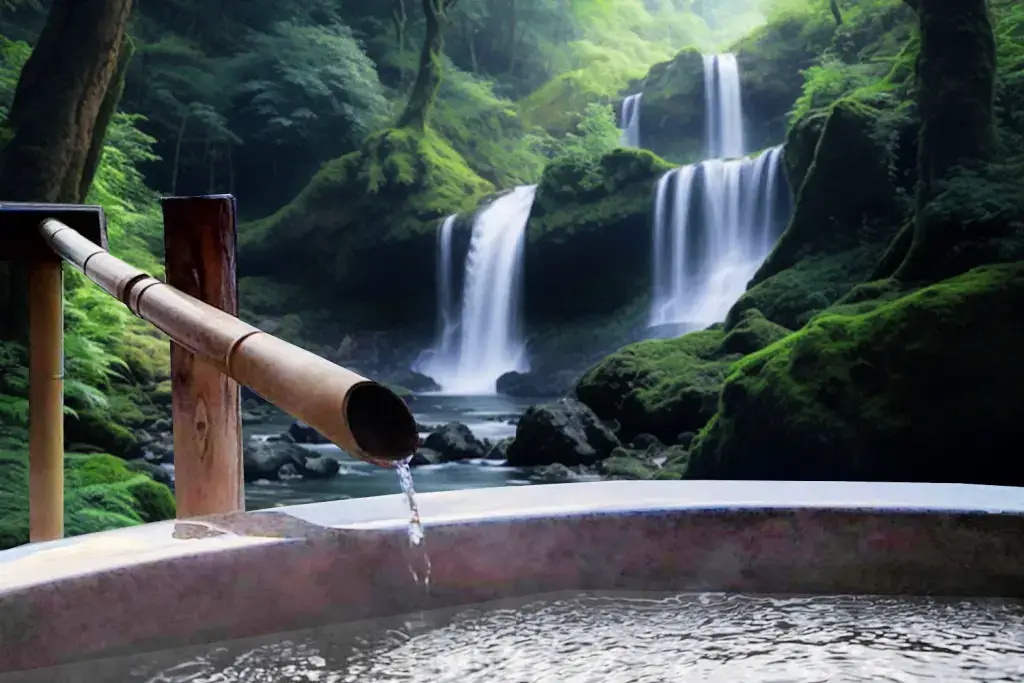
While soaking, take your time. Look around, breathe in the air, listen to your surroundings; a good bath invites you to slow down. If it’s winter, you might feel snow falling while you’re in hot water; if it’s autumn, you may watch leaves drift. This part of the experience is as essential as the water itself. After your soak, rinse off lightly and dry yourself before returning to indoor spaces.
Practical Tips for Visiting a Rotenburo
Before visiting a rotenburo, it’s essential to learn the basic etiquette. Always wash your body thoroughly before entering the bath. Most outdoor baths require complete nudity, though private baths and some mixed-gender ones may allow swimsuits. Keep your towel out of the water and avoid splashing or swimming in it. Quiet conversation is fine, but many guests prefer to relax in silence, enjoying the natural sounds around them.
Bring a small towel for modesty and a larger one for drying afterward. If you have tattoos, check the rules in advance, as some onsen may ask you to cover them. Be mindful of how long you stay in the hot water, especially if you’re not used to high temperatures. After soaking, hydrate well and give your body time to cool down before dressing. Following these simple steps ensures a comfortable and respectful experience for everyone.
Why You Should Try a Rotenburo
A rotenburo offers an experience that connects mind and body through nature. The mineral-rich waters are believed to alleviate muscle tension, enhance circulation, and induce a sense of calm. Bathing outdoors adds another dimension: the sound of wind in the trees, the sight of falling snow, or the scent of pine carried on the air. Whether enjoyed at dawn or under the stars, these outdoor baths invite you to pause and simply take a breath.
For travelers, soaking in a rotenburo is also a way to understand Japanese culture. It reflects the national appreciation for natural beauty, hospitality, and balance. Sharing an outdoor bath at a ryokan connects guests to centuries of bathing tradition, while private baths offer moments of quiet reflection and solitude. If you visit Japan, trying one of these outdoor baths is not just recommended; it’s almost essential. Have you ever tried rotenburo? What was your experience like? Let us know in the comments below!