


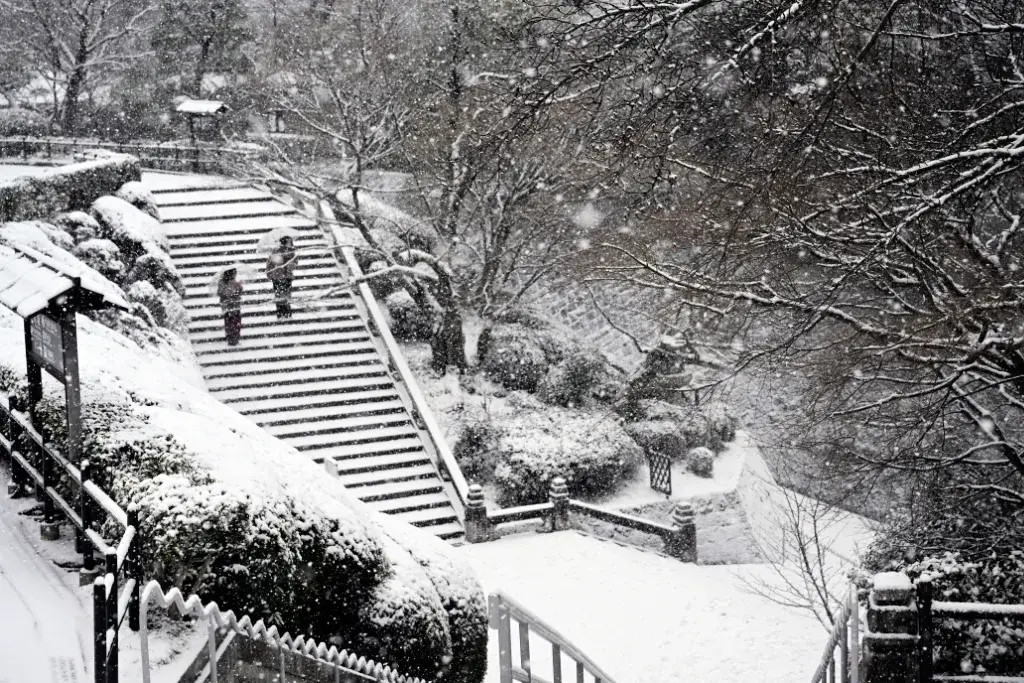
As November draws to a close, many parts of Japan should be firmly draped in autumnal weather. Typically, late November brings cool days, with dipping temperatures around 10 to 15°C (50–59°F) in many regions. People expect crisp air, colorful fall leaves, and gentle breezes–and definitely not biting cold. This year, though, things feel different. Because of these changes, many people are asking: Did Japan’s winter really arrive too soon?
Why did Japan’s winter come early this year?
Several weather experts say that this year’s early chill was not a gradual slide into winter, but a more sudden shift. According to long-range forecasts by the Japan Meteorological Agency and the Japan Weather Association, autumn this year was unusually unstable. After a hot summer that lingered into October, temperatures dropped sharply in November.
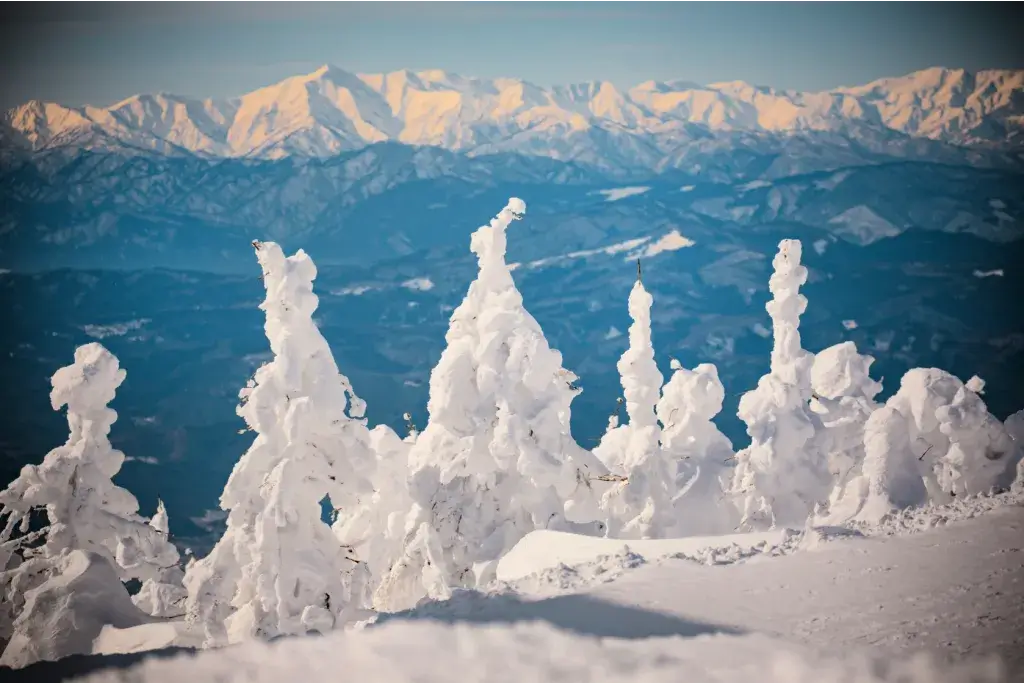
Forecasts indicate that a stronger-than-usual pattern of cold air is expected to arrive in Japan earlier than usual. Some regions may even experience heavier snowfall due to the increased moisture carried by colder winter air, especially on the western coast of the country. Meanwhile, autumn’s usual calmness gave way to a more volatile pattern, making things feel like winter had hit quickly.
What does Japan have to say about the early winter?
Many local meteorologists and the Japan Meteorological Agency have already spoken up. Several weather forecasters noted that this year’s autumn “felt short,” with warm days lasting longer than usual and then shifting to sudden cold. According to their predictions, December may also bring powerful cold fronts.
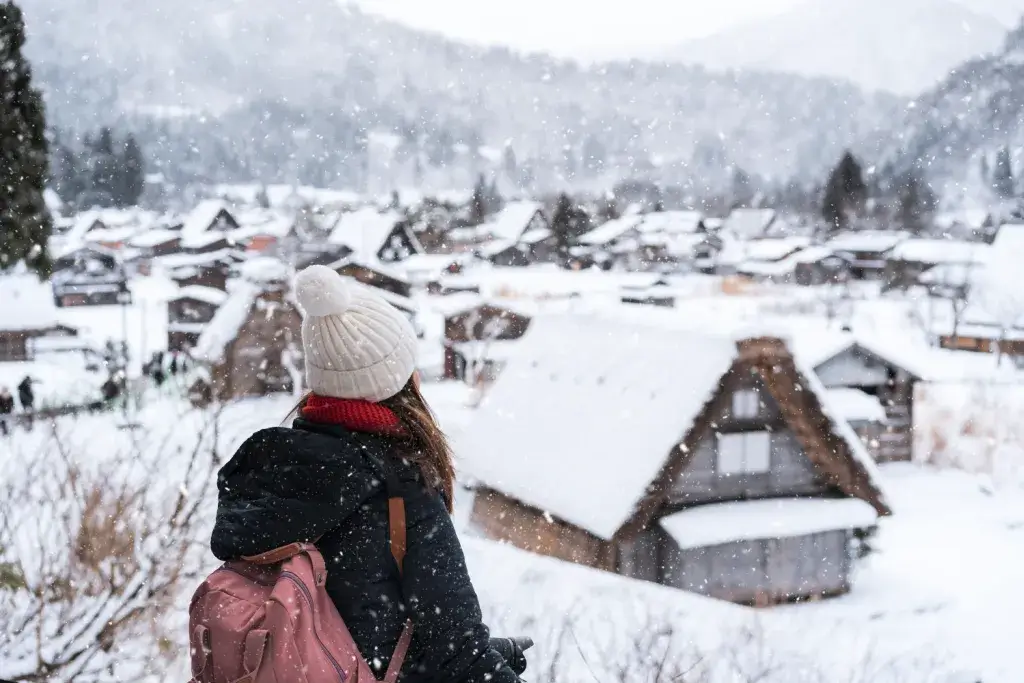
It has also been warned that the first half of winter may feel more extreme than average. For now, people in Japan are being asked to prepare early: check their winter gear, pay attention to snow forecasts, and not assume things will stay mild just because autumn lingered for a while. If you plan to travel to Japan in the winter, especially to ski or hike snowy mountains, be sure to bring high-quality gear and prioritize your safety.
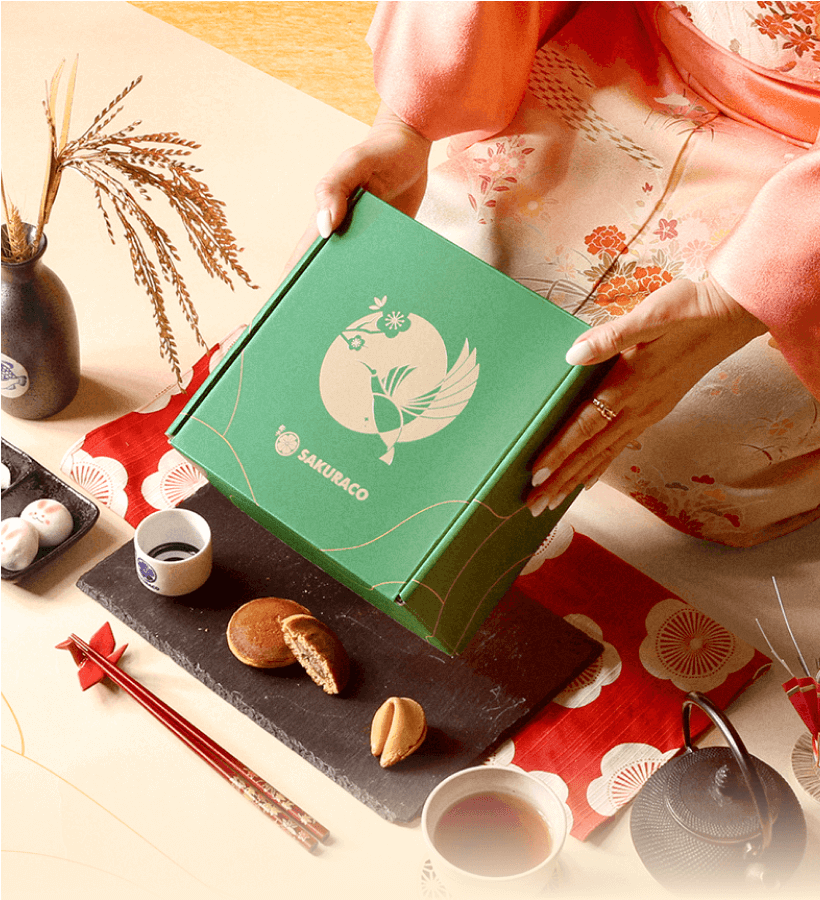
Are you looking for great snacks for the winter? Check out Sakuraco! Sakuraco delivers traditional Japanese snacks, sweets, teas, and more from local Japanese makers right to your door!

Is climate change to blame?
So, is this early winter just random weather, or part of a bigger trend? Many scientists believe that climate change is one contributing factor, although the issue remains complex. The question isn’t just “why is it colder now?” but also “how has the warming world made these shifts more likely?”
Some of the forecasting models predict that specific climate patterns, such as what’s called a “La Niña–like” influence, could increase the chance of colder air pushing into Japan more intensely. That said, climate change doesn’t always mean warmer all the time. For Japan, a changing climate could make some winters more variable, with periods of very warm weather followed by sharp cold snaps, similar to this year.
Hence, while no single weather event proves climate change by itself, experts believe this kind of erratic pattern is precisely the kind of thing scientists have predicted. It’s a reminder that even though the planet is warming overall, some regions may see more unpredictable or extreme seasonal swings.
Why should people worry about this year’s winter?
There are a few reasons why this early winter matters beyond just feeling chilly. If snow arrives earlier, communities, especially those not accustomed to heavy winter weather, may be caught off guard. Roads, public transport, and buildings could be less prepared, leading to snow-induced traffic and in worst-case scenarios, traffic accidents. Moreover, energy demand could increase more rapidly than usual. If temperatures drop sooner, more people will crank up heating earlier in the season, which could strain power supplies. That’s especially worrying for regions that rely on electric heating or have limited infrastructure.
For farmers and food producers, early cold can also disrupt seasonal cycles. Harvests, supply chains, and crop protections are all adapted to typical seasonal patterns. When winter becomes more unpredictable, everything becomes harder to plan. This can eventually lead to more expensive groceries due to challenges in the harvest. Finally, humans aren’t the only ones affected. Wildlife and ecosystems also depend on seasonal timing. Birds, insects, plants, and other animals all follow patterns linked to the text of seasons. A sudden freeze or early cold front could throw off that balance.
What does this mean for winter in Japan?
This year, many people in Japan are feeling the bite of winter sooner than usual. This could be the start of a colder, snowier season, especially for Japan’s seaside region. While climate change isn’t the only factor, it may be contributing to these wild swings.
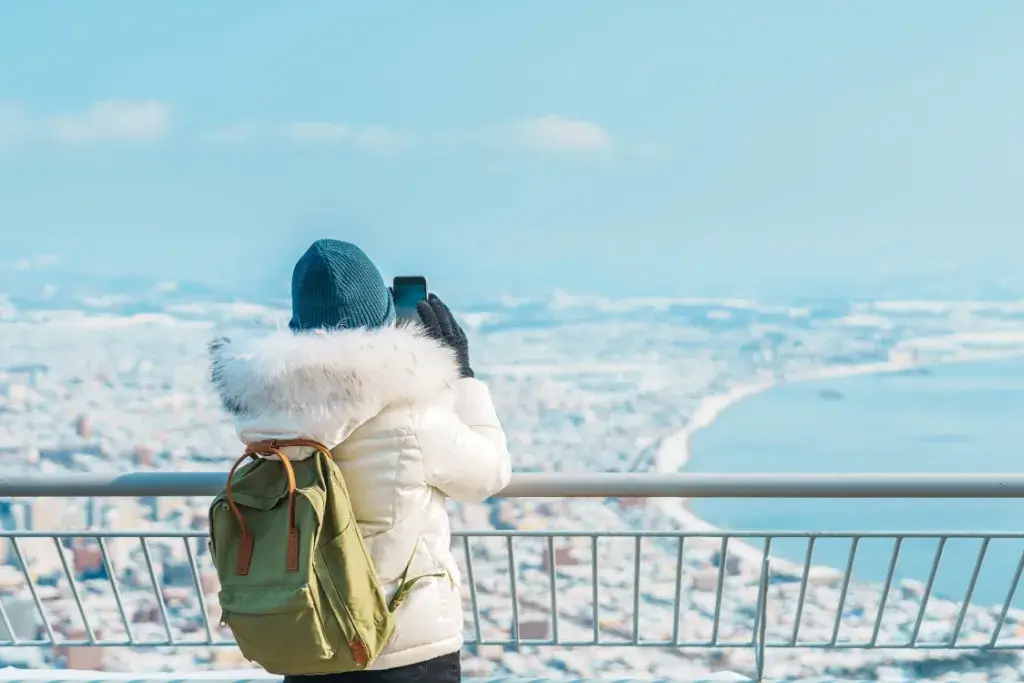
It’s a good reminder that the weather isn’t just background scenery. It’s intertwined with power use, safety, food systems, and more. Whether you live in Japan, are a tourist planning to travel, or are simply curious about the climate, it’s worth keeping an eye on forecasts and considering what a changing climate might mean for everyday life.
Japan’s early winter this year might feel exciting in some places, but it also carries a warning: seasons are shifting, and we need to pay attention to what that shift means. Did you feel the sudden change in temperatures? What do you think about it? Let us know in the comments below!