


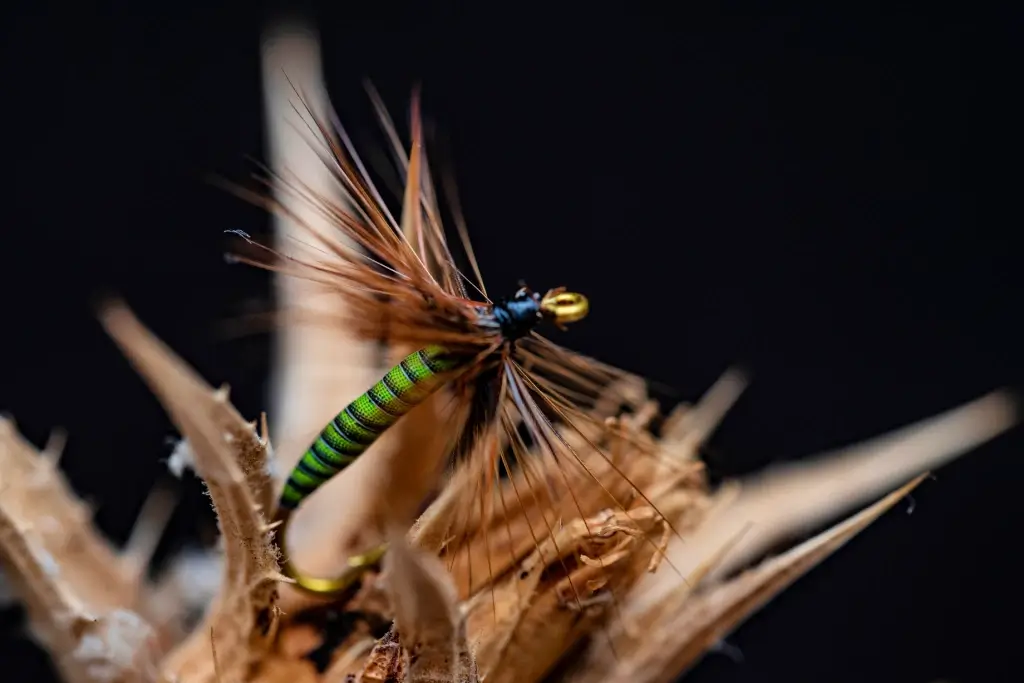
Kebari are traditional hand-tied flies used for freshwater fishing in Japan, especially in mountain streams where small insects form the main diet of native fish. Instead of bright plastic lures, kebari use feathers, thread, and natural materials to create subtle movements in the water. The practice combines everyday fishing techniques with meticulous craftsmanship, and in some regions, kebari are regarded as a traditional art form.
What Kebari Are and Where They’re Used
Kebari (毛鉤) are artificial flies that imitate insects eaten by freshwater fish such as yamame, iwana, and trout. Because these fish live in clear, fast-flowing mountain streams, kebari must drift lightly and naturally to attract fish. Different regions develop their own unique styles, ranging from simple patterns to elaborate decorative designs. Kebari fishing emphasizes presentation rather than weight, so anglers are delicate and use line control to guide the fly.
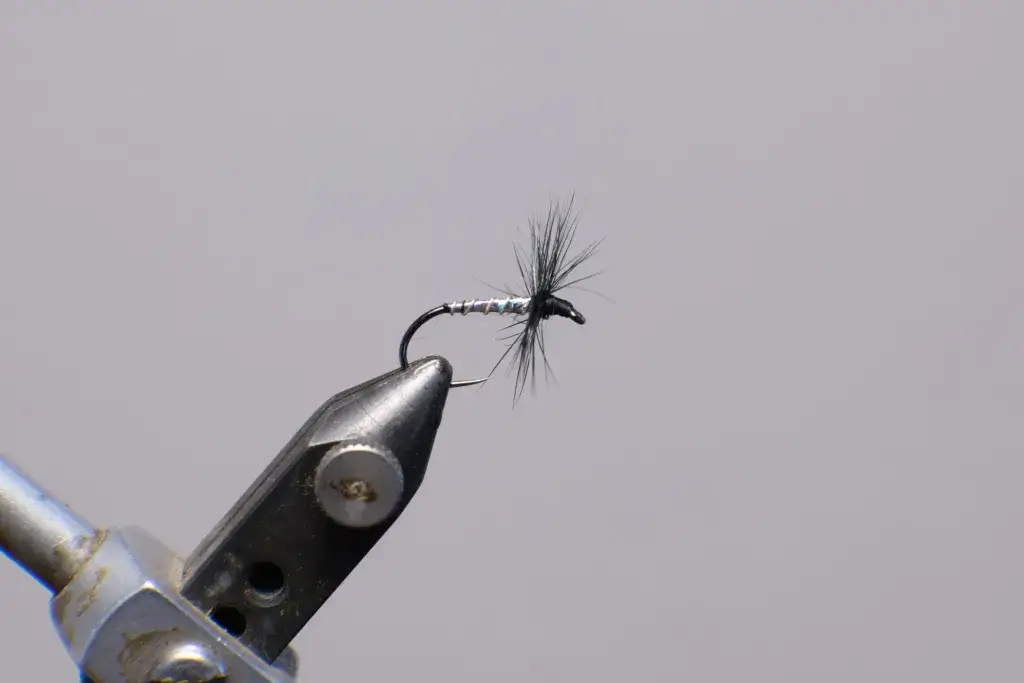
Their styles change depending on the river, season, and local insects. Mountain streams often require small, dark kebari, while lower rivers may call for brighter colors. Many anglers tie their own kebari so they can match the exact conditions of the day. Others buy regional sets crafted by specialists who understand the needs of each season. Whether handmade or purchased, kebari help anglers fish effectively and adapt to the environment.
Materials and Basic Kebari Tying Techniques
Traditional kebari use simple, natural materials, such as bird feathers, silk, or fine thread, and small hooks. The tying process focuses on creating a lightweight, natural-looking profile that moves realistically. Basic steps involve laying a thread base, attaching a feather hackle, shaping a slim body, and finishing with a neat head tied tightly. Simpler tenkara-style kebari use only a few turns of feather and thread, making them quick to tie and easy for beginners to use.
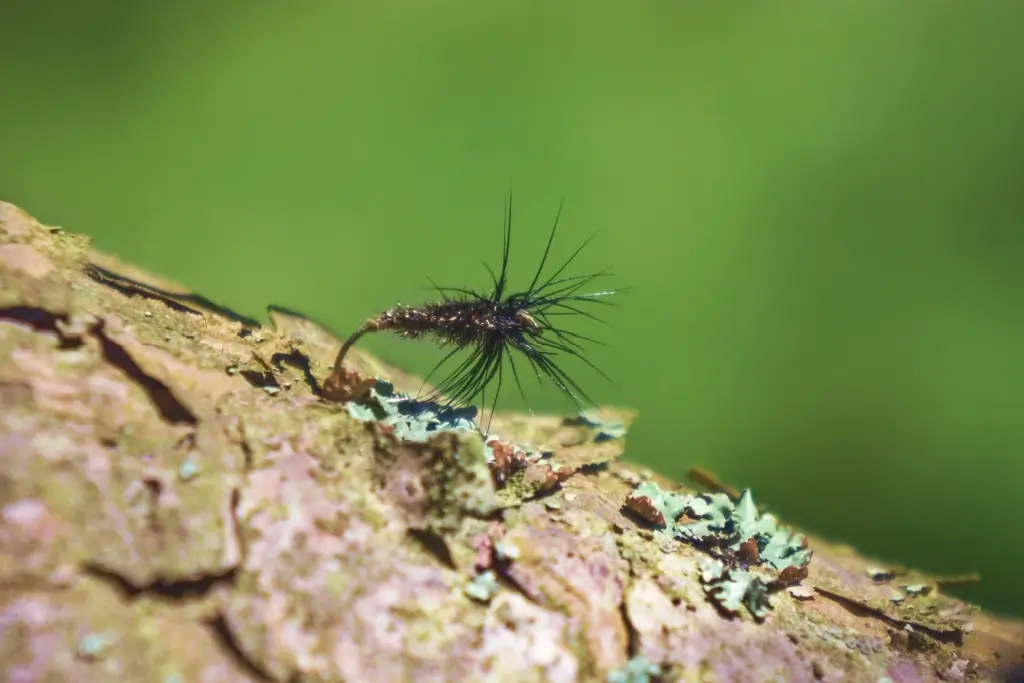
More advanced kebari can include multiple feather layers, decorative thread patterns, or polished heads that reflect traditional craftsmanship. Some regions are known for their detailed, ornate kebari, which can take much longer to produce and resemble miniature pieces of art. While they still function as lures, many anglers collect them for their beauty and history. This blend of art and function is part of what makes kebari so unique.
Kebari Patterns, Styles, and Regional Traditions
Japan’s regions each developed their own kebari patterns to match local water types and insect life. Mountainous areas favor small, subtle patterns that imitate the insects hatching along cool streams. In contrast, some lowland or stocked rivers use kebari with brighter colors to attract fish in different conditions. Tenkara anglers often prefer minimalist flies that can be tied quickly and used for a wide range of environments.
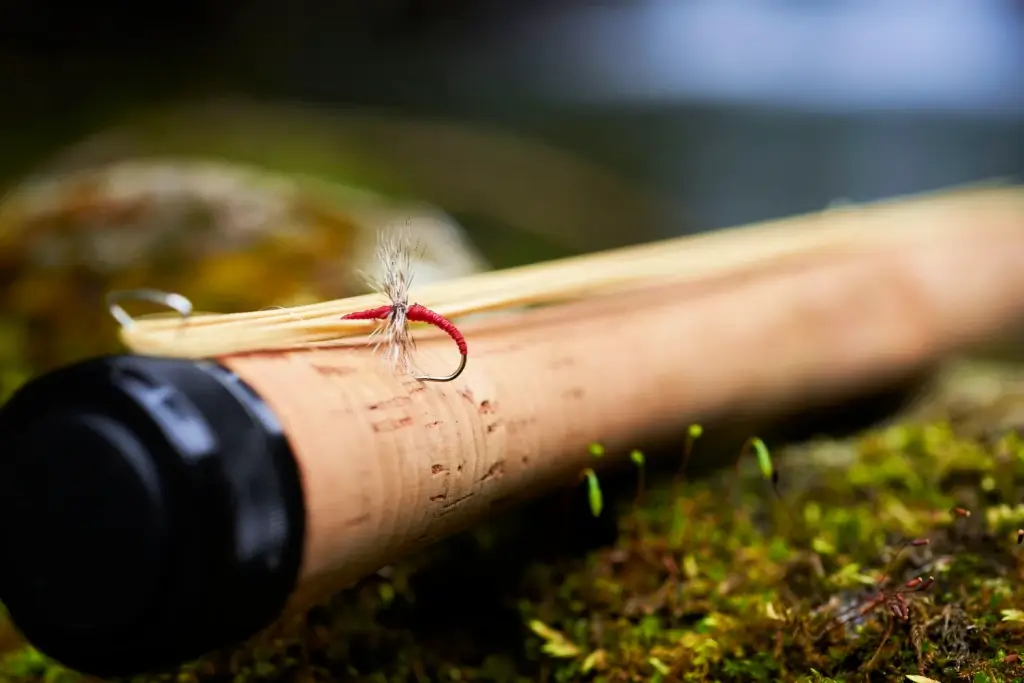
Local craftsmen often maintain traditional methods and create region-specific kebari using techniques passed down through families or community workshops. Anglers who visit different regions may purchase these kebari as souvenirs or practical tools for the rivers they plan to fish. This combination of traditional craftsmanship and accessibility helps the kebari tradition continue to thrive.
Are you looking for great snacks from unique places in Japan? Check out Sakuraco! Sakuraco delivers classic Japanese teas, ceramics, and sweets from local Japanese businesses straight to your door!

Styles of Kebari Flies
Kebari flies come in several styles, each designed to behave differently in the water. Futsuu kebari use stiff hackles that spread evenly around the hook, making them steady and reliable in many river conditions. Jun kebari have soft, backward-leaning hackles that move gently in the current, creating a lifelike motion. Sakasa kebari feature forward-facing hackles that pulse when the angler twitches the line, attracting fish in fast or rough water.
Banshu kebari originate from the historic Banshu region and are famous for their durable construction and clean, simple design. They use natural materials that create a slim profile, allowing them to sink slightly faster than other styles. Because of their balance and weight, these flies are useful when fish are feeding deeper or when currents are stronger. Like the other styles, they do not copy a specific insect; instead, they create movement and form.
Kebari, Conservation, and Respect for Streams
Kebari fishing is closely linked to conservation values, especially in fragile mountain ecosystems. Because kebari are small and naturally drifting, they support catch-and-release practices that reduce stress on fish. Many anglers opt for barbless hooks and refrain from disturbing riverbanks to protect habitats for endangered species. The nature of kebari encourages a slower approach to fishing, rather than relying on gear-heavy methods.
Workshops and fishing groups sometimes combine kebari tying lessons with river cleanup events or discussions about stream ecology. These activities help anglers understand how insects, fish, and river conditions interact, enabling them to become better stewards of the environment. By learning how insects behave and what fish naturally eat, anglers can tie kebari that match those conditions while respecting local ecosystems.
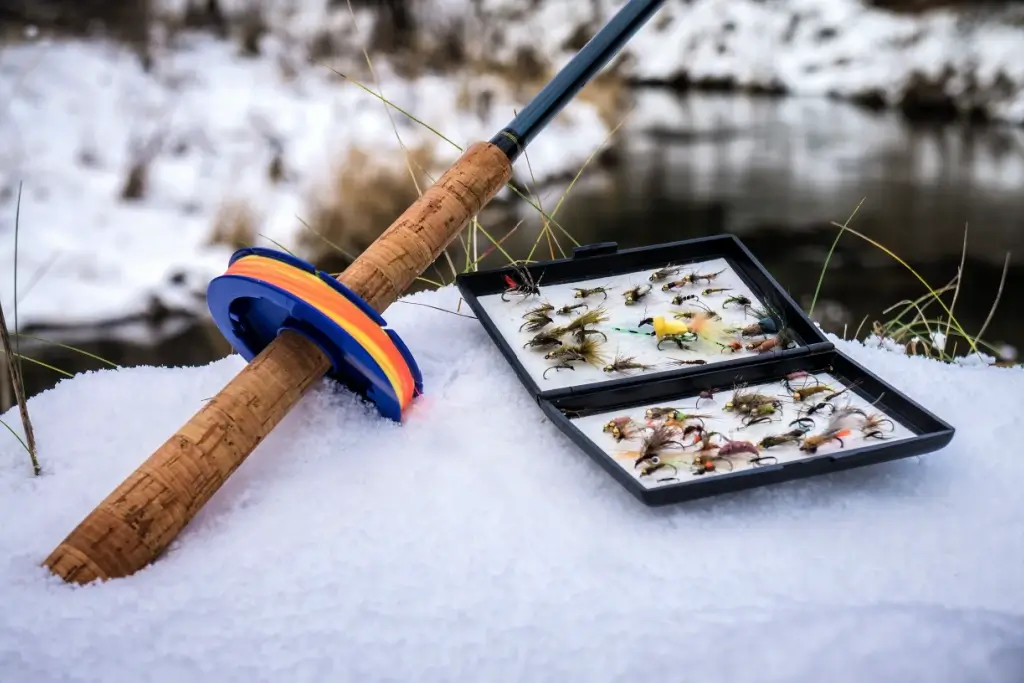
Why should I try to use kebari?
Making your own kebari teaches patience and helps you understand how small design changes affect the behavior of fish. Fishing with kebari requires careful reading of the water, observing insect activity, and mastering subtle line control. These skills help you become a more observant angler. Many people find kebari fishing relaxing and rewarding because it focuses on technique rather than gear.
Kebari introduces you to a Japanese tradition that combines art, fishing expertise, and reverence for nature. Whether you tie your own or buy one, a kebari reflects centuries of craft development. For beginners, kebari are accessible and enjoyable to learn, while for experienced anglers, they present challenges in pattern design and presentation. Kebari fishing promotes sustainability and maintains the health of mountain streams for future generations. Are you a fisher? Do you think you’ll be using kebari flies in the future? Let us know in the comments below!