


Mochitsuki is a traditional Japanese practice of pounding steamed rice to make mochi for the New Year. Families and neighbors gather to participate in this lively and meaningful tradition. The teamwork involved helps everyone feel a sense of connection. Even younger participants enjoy shaping the soft mochi once the pounding is done. Mochitsuki remains vital because it seamlessly blends culture, effort, and celebration simply and enjoyably.
What Mochitsuki Is and How It’s Made
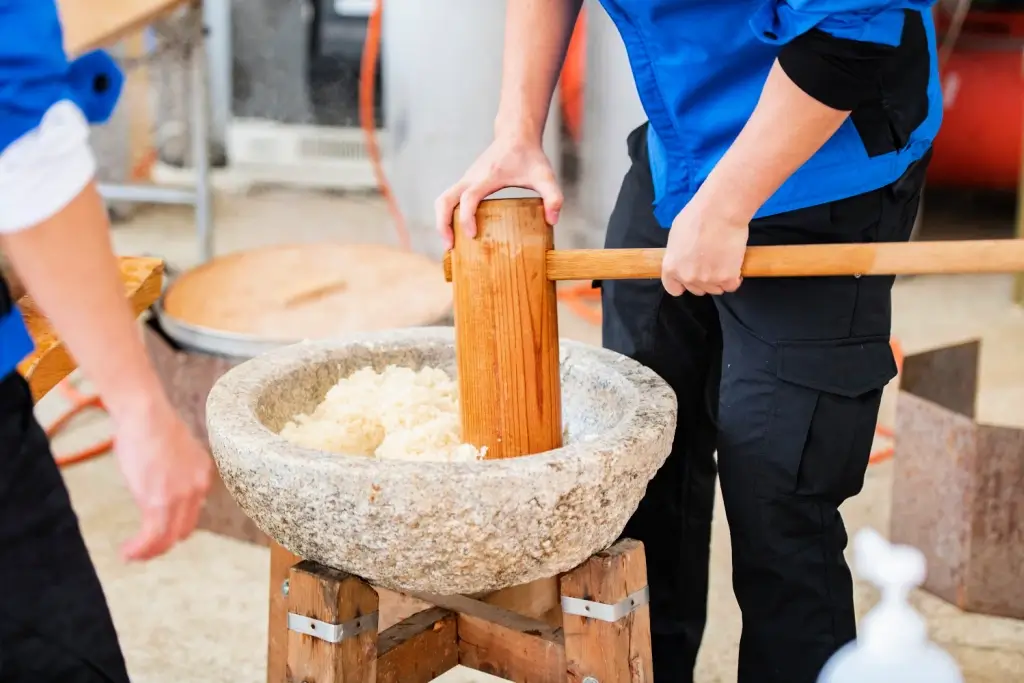
Glutinous rice is soaked, steamed, and placed into a large mortar called an usu. One person pounds the rice with a wooden mallet while another turns and wets it between each strike. The process requires timing and trust, but partners quickly learn to work smoothly together. Each hit helps the rice become softer and stretchier. When the pounding is complete, the rice turns into smooth mochi, ready to be shaped.
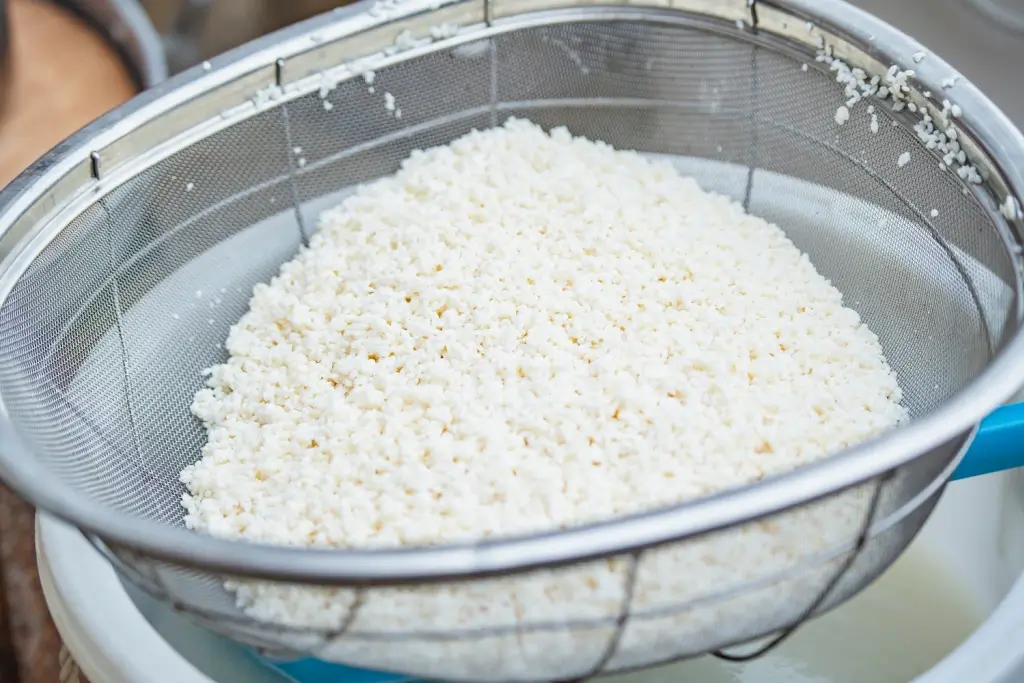
People gather around tables to shape the mochi while it is still warm. Some pieces are rolled plain, while others are covered in kinako or dipped in sweet soy sauce. Families also make mochi for ozoni, a New Year soup that varies across Japan. Sweet mochi filled with red bean paste is another popular treat. This simple shaping process makes it easy for all ages to join the tradition.
Cultural Importance of Mochitsuki
Mochitsuki carries deep meaning because mochi represents strength, good health, and long life. Many families believe that eating fresh mochi during the New Year brings luck for the coming year. The round shape symbolizes harmony and unity within households. Because of this symbolism, mochitsuki is more than just a cooking activity; it is a cultural tradition. It is a hopeful ritual that marks a fresh beginning.
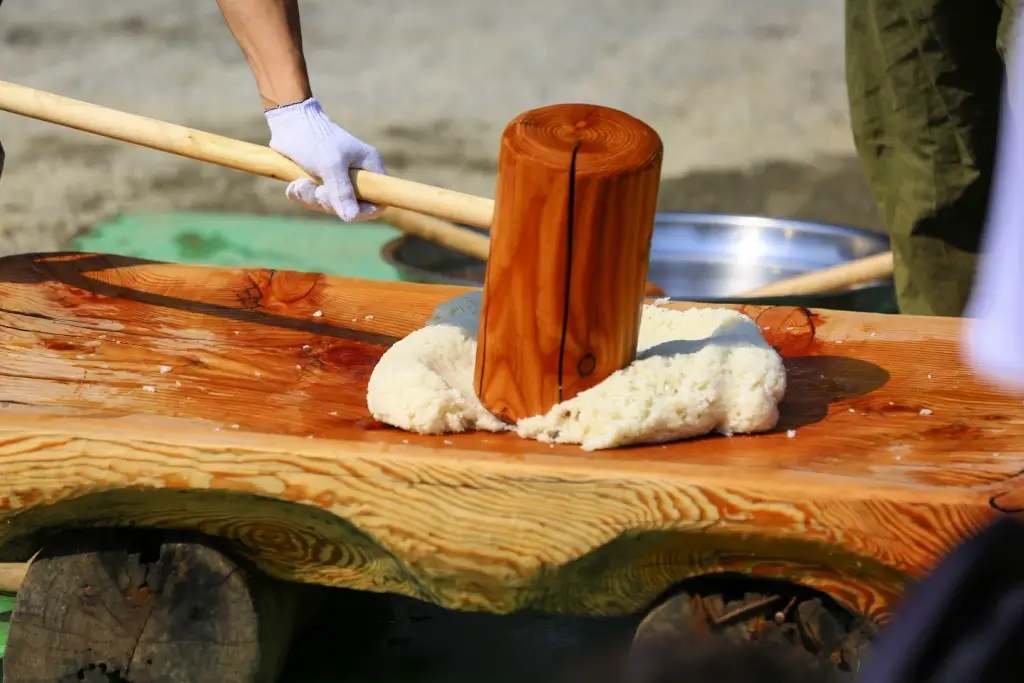
The tradition also teaches respect for food and the value of cooperation. Children learn how rice changes texture through the process of steaming and pounding. Adults appreciate the teamwork required to create mochi for their families. Even in cities, schools, and community centers continue to host mochitsuki events. Its cultural significance encourages each generation to carry the custom forward.
Community and Social Connections
Mochitsuki brings people together in ways that daily routines often fail to do. Neighborhood halls, parks, and schools host events where volunteers guide newcomers and provide them with the necessary tools. Children enjoy taking turns at the usu with careful supervision. Adults share stories and laughter while waiting for their turn to shape the mochi. These moments help strengthen relationships across the community.
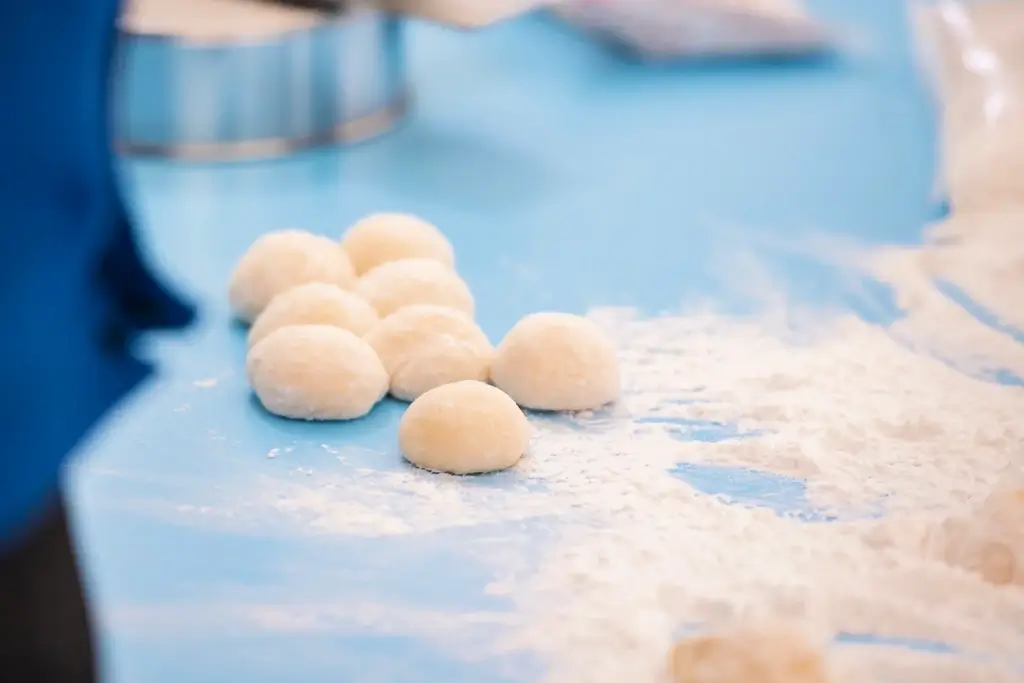
The activity naturally inspires teamwork and trust among participants. Coordinating each strike and turn requires people to work closely together. Sharing warm mochi at the end creates a welcoming and friendly atmosphere. Even visitors and newcomers feel included because the steps are easy to understand. These social benefits help keep mochitsuki alive year after year.
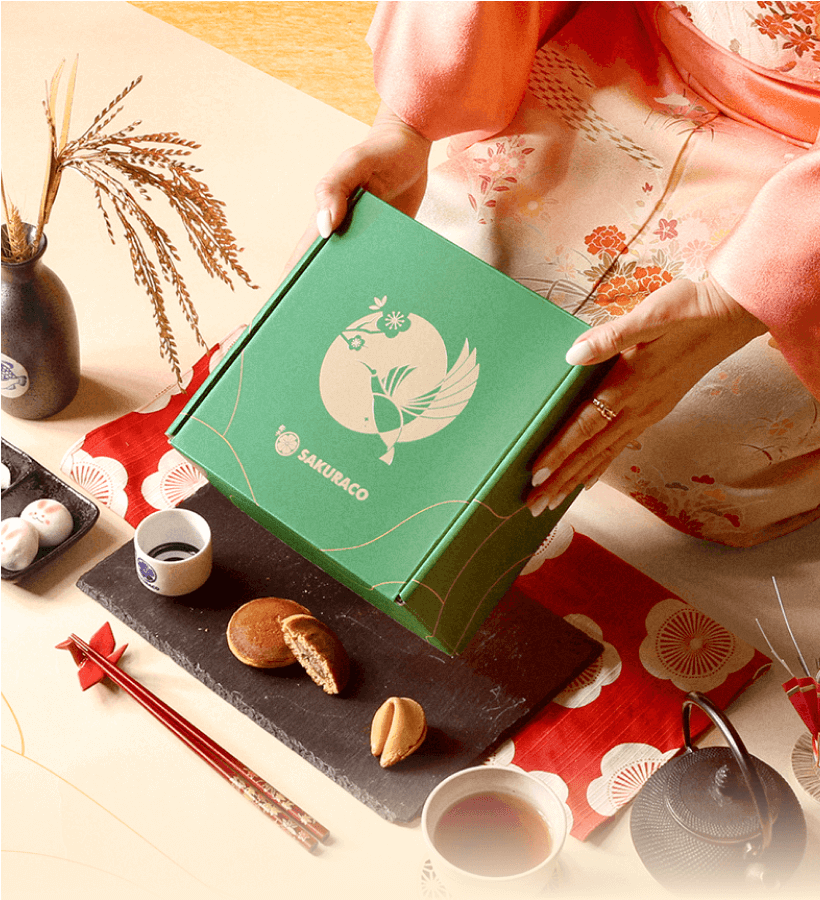
Are you looking to experience unique snacks such as mochi? Check out Sakuraco! Sakuraco sends traditional Japanese snacks, teas, and sweets from local makers straight to your door each month. They are perfect to enjoy with your daily drink.

Modern Changes to Mochitsuki
Modern households often use electric mochi machines that automatically knead the rice. These machines make it easier to enjoy mochi without the need for traditional tools. While convenient, they do not offer the same lively atmosphere as group pounding. As a result, many families continue to participate in community events to enjoy the traditional experience. This blend of old and new helps the customs stay accessible.
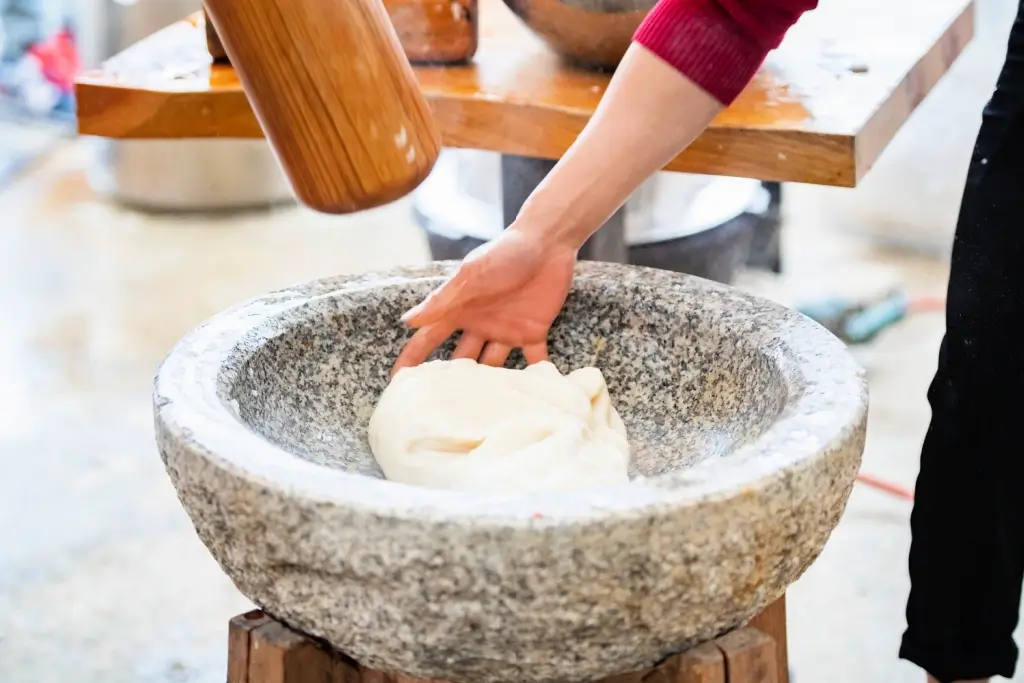
Public mochitsuki events now follow safety guidelines to support large groups. Volunteers sanitize equipment and teach proper handling techniques. Demonstrations help beginners understand the steps before participating. These safety measures ensure the event is fun and comfortable for all ages. The balance between tradition and caution keeps mochitsuki enjoyable and safe.
Regional Flavors and Local Traditions
Different regions of Japan prepare mochi in their own unique styles. Some areas prefer kinako mochi, while others enjoy salty soy-sauce versions. Kansai families often prepare firmer mochi for their ozoni, while Hokkaido families enjoy sweetened bean toppings. These regional differences reflect local ingredients and cooking traditions. They add variety and excitement to mochitsuki gatherings.
Seasonal flavors also appear during New Year mochitsuki events. Some communities create yomogi mochi using mugwort leaves for a bright green color. Others prepare mochi topped with sesame, peanuts, or other special ingredients. These variations offer participants the opportunity to discover new tastes each year. Regional creativity keeps mochitsuki fresh and enjoyable for everyone.
Why should I take part in mochitsuki?
You should participate in mochitsuki because it offers a hands-on experience with a significant Japanese New Year tradition. The pounding process is exciting and easy to enjoy, even for beginners. Teamwork helps people connect with others in a meaningful way. Fresh mochi tastes far better than store-bought versions and feels special. Participating lets you appreciate culture through action rather than observation.
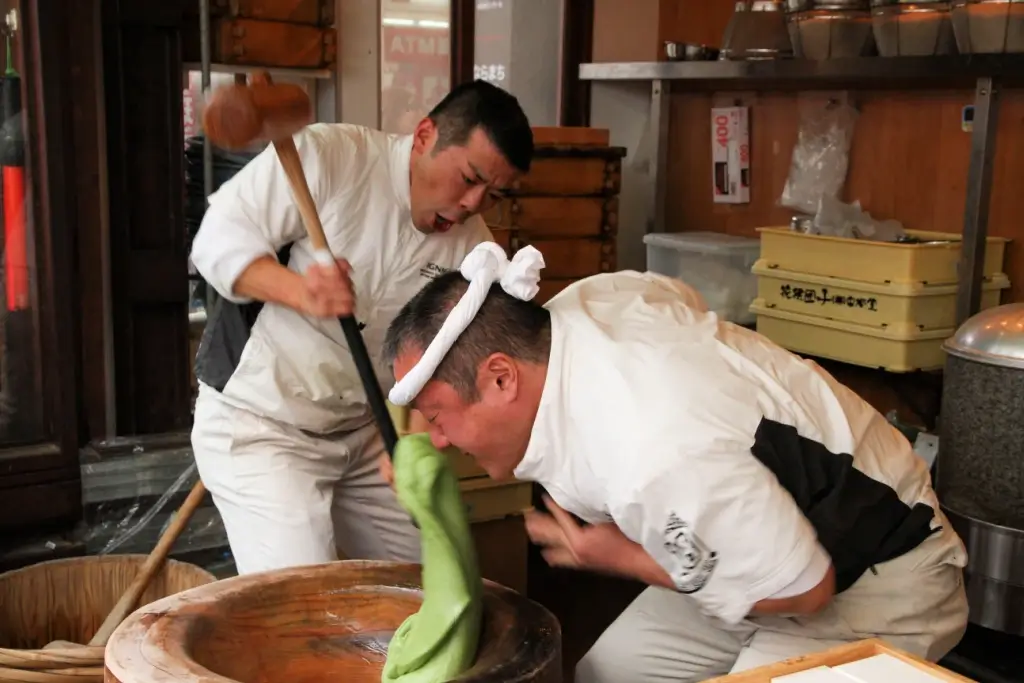
Mochitsuki also brings families, friends, and neighbors together in a warm setting. The shared effort creates a fun and relaxed atmosphere for everyone involved. Learning each step adds to the feeling of accomplishment when the mochi is finished. Eating warm mochi afterward adds a simple and satisfying reward. Joining the event helps you begin the New Year with a sense of community and celebration. Have you ever experienced mochitsuki? What was your experience like? Let us know in the comments below!