


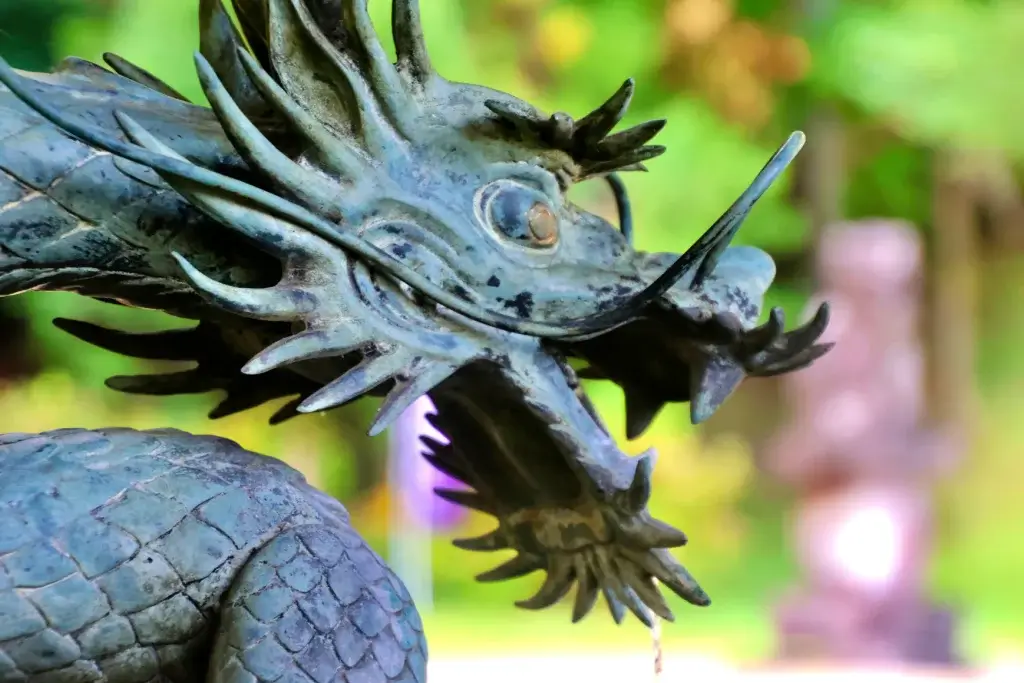
In Japanese culture, dragons are spiritual beings that represent strength, prosperity, and a harmonious balance with the natural forces. Nara, Japan, has a unique story associated with sacred ponds and revered shrines throughout the region.
It is a blend of myths spanning hundreds of years, encompassing ancient beliefs and a deep respect for the natural environment. Today, we will delve into the legend of the sacred dragon in Nara, Japan, to explore its origins and its connection with modern cultural practices.
Origins of the Nara Dragon Legend
This sacred dragon legend began in Japan’s early historical eras. Japanese myths, such as the Kojiki and Nihon Shoki, were written during the Nara Period (710–794). These stories centered on spiritual beings tied to the natural world. Dragons often appeared as kind water spirits. People believed they protected ponds and rivers, brought rain, and promoted good health.
Local legends from Nara Prefecture combined these supernatural beliefs with elements of tragedy to create this specific account. It is an emotional and bittersweet story that has been passed down through generations via oral traditions and written records.
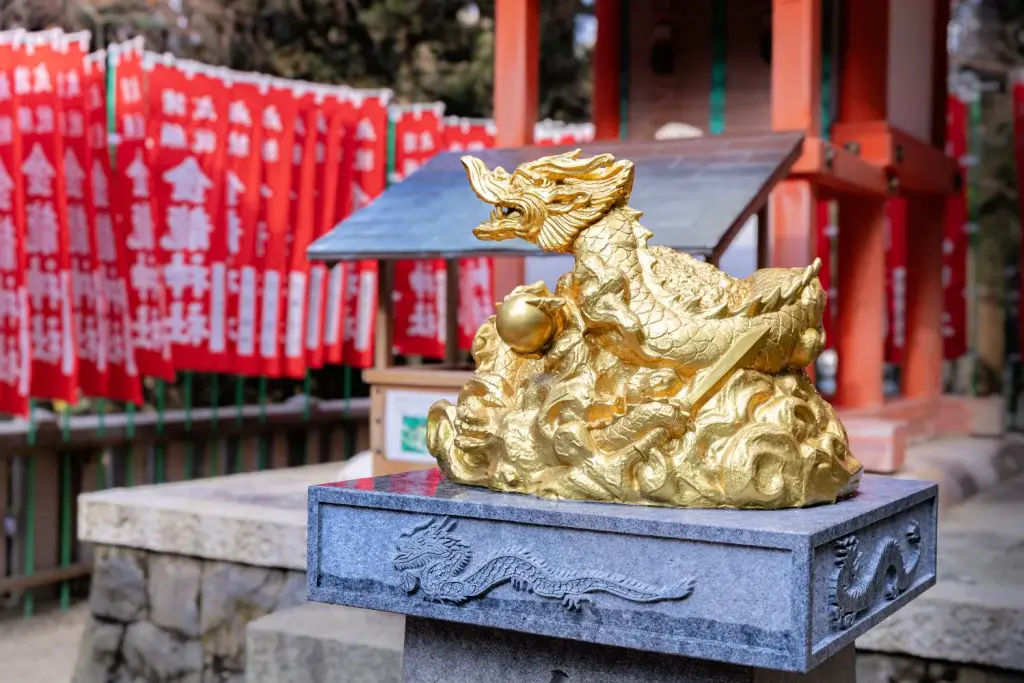
The Move from Sarusawa Pond
Sarusawa Pond is situated in Konishicho, at the heart of Nara, Japan, near the renowned Kofuku-ji Temple complex. This is one of the oldest and most influential Buddhist temples in the country, boasting over 1,300 years of history. According to the story, a mighty dragon god resided within its waters many centuries ago.
According to folklore, these mythical creatures choose pure, peaceful environments to make their home. But one day, a lady of the court chose to end her life by drowning herself in the pond. The sorrowful incident disturbed the serenity of the lair, forcing the dragon to leave. It escaped to the nearby slopes of Mount Kasuga, then further east to the Murou area.
A New Home in Murou
The dragon made its new home in Murou Ryuketsu Shrine, located in the tranquil setting of Nara’s Uda City. The site was established well before the eighth century and has become dedicated to honoring the dragon deity. Towering cedar trees surround this spiritual spot, which features a cascading waterfall – a location well-suited for water spirits. Besides the waterfall, other attractions include Ryuketsu or “Dragon Cave” and the adjacent Murou-ji Temple.
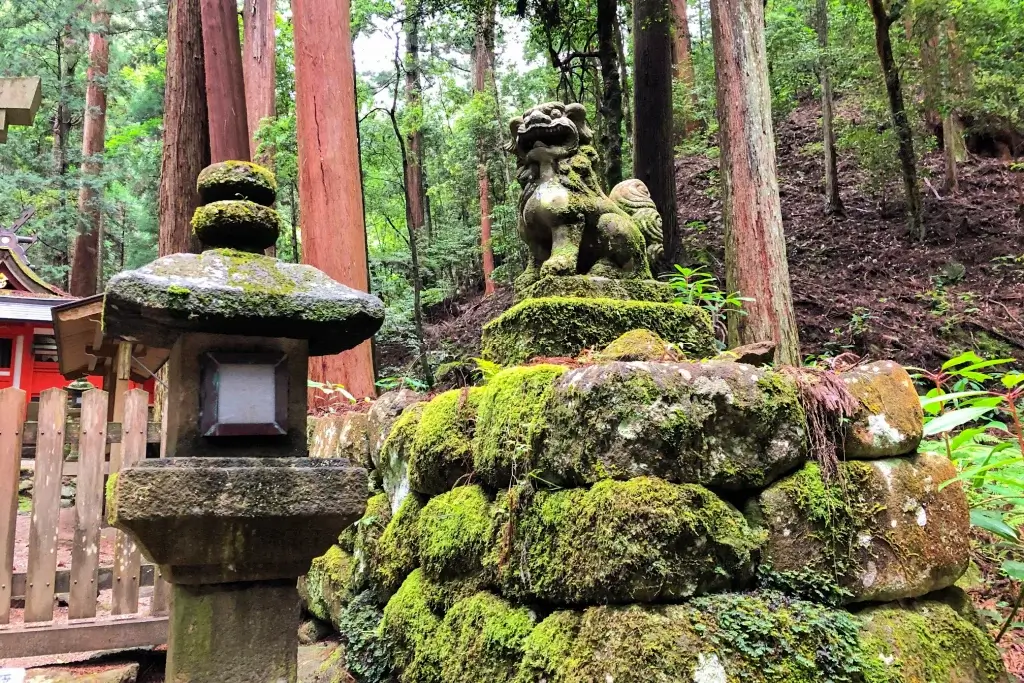
Annual rituals at Murou Ryuketsu honor the legend by making offerings to the dragon. People believe that it guarantees the rainfall that is so essential for agriculture and daily life in the area. These offerings are often in the form of eggs, which symbolize fertility and renewal. According to legend, Emperor Kanmu did the same and recovered from a serious illness.
Are you looking for great snacks from places such as Nara? Check out Sakuraco! Sakuraco delivers traditional Japanese snacks, sweets, teas, and more from local Japanese makers right to your door!

Visiting Dragon Sites in Nara, Japan
Even today, pilgrims make their way to Sarusawa Pond, where this captivating story originates. Their journey then continues onward to Murou Ryuketsu Shrine, where they perform prayers related to personal well-being. These two sites have attracted devotees for centuries. Visitors can easily access Sarusawa Pond on foot from Nara Station in just a few minutes. Murou Ryuketsu Shrine is accessible via bus from Muroguchi-ono Station, followed by a moderate thirty-minute hike to the cave itself. Admission remains free of charge for all visitors.
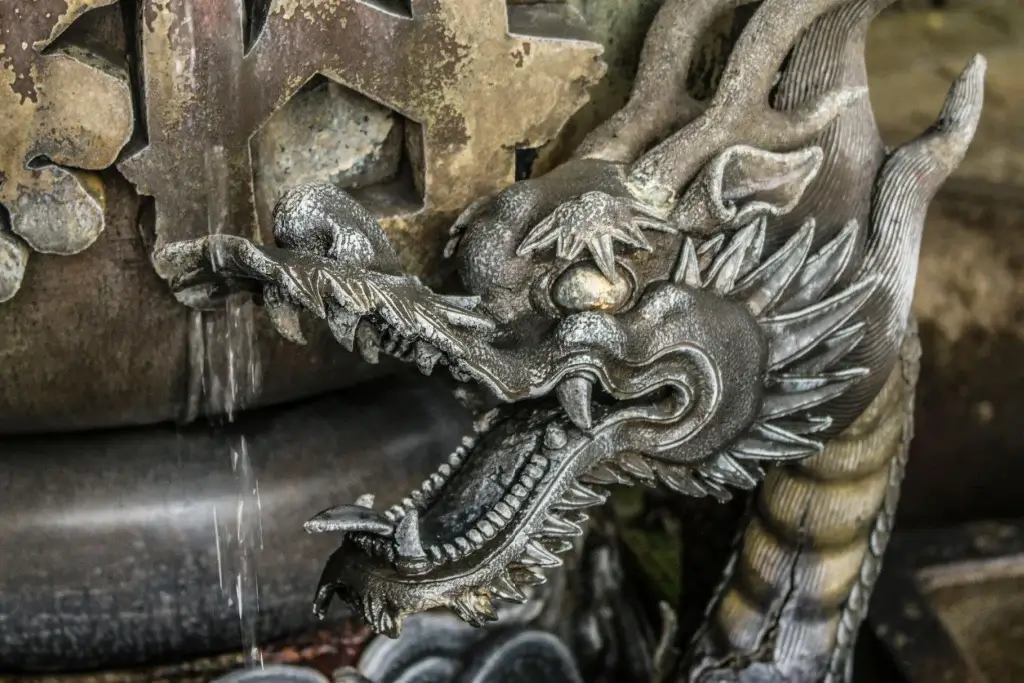
Sarusawa Pond and Murou Ryuketsu Shrine are the most popular attractions in Nara related to this legend. However, there are other locations associated with this sacred dragon legend. Some of them feature their own dragon-related stories. Okadera Temple, which is on a hillside in Asuka, was founded by a monk named Gien in the year 660.
According to this temple’s narrative, he trapped a dragon in the ground’s pond by covering it with a giant stone. Over time, it became a protector, granting wishes and helping those who worshipped. The large dragon-carved stone lid is the main attraction. Access is only a bus ride away from Kashiharajingu-mae Station, and the entry fee is 500 yen. The surrounding ancient tombs add even deeper historical context to the legend.
Why is Nara’s Sacred Dragon Legend popular in Japan?
Nara’s sacred dragon legend remains popular in Japan because it connects to some of the country’s oldest stories. Timeless literary classics include this legend, which people pass through generations, inspiring continued respect for traditional narratives. This local legend reinforces longstanding beliefs where spirits inhabit rivers, mountains, and other landscape features. It also preserves rituals honoring water gods that were an integral part of daily life in ancient Japanese society.
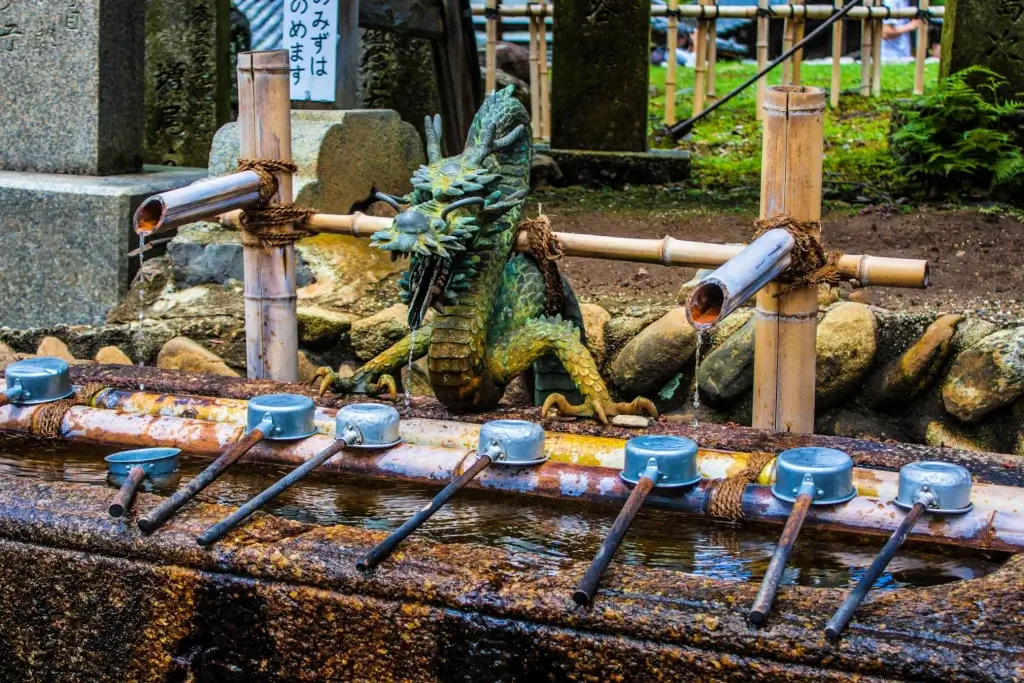
Like most old stories, you can appreciate it in many ways. Its combination of spiritual beliefs and respect for nature contributes to the modern appreciation for nature that remains prevalent throughout Japan today. Overall, it is a perfect example of how traditional stories and practices can be applied to modern life without losing their deeper original meaning. And it underscores people’s reliance on natural resources for life, sustenance, and prosperity.
Do you know of any other dragon stories from Nara, Japan? Are there any other shrines and temples in the region devoted to this mythical protector? Share your knowledge in the comments below! Let’s exchange ideas and tips about exploring Nara’s ancient lore.
Cited Sources
- Nara YAMATO Spirit Tours. “The Legend of the Sacred Dragon in Nara“.
- The Japan Times. “Chasing dragons across the temples of Nara“.
- Official Nara Travel Guide. “Ryuoji Temple.”