


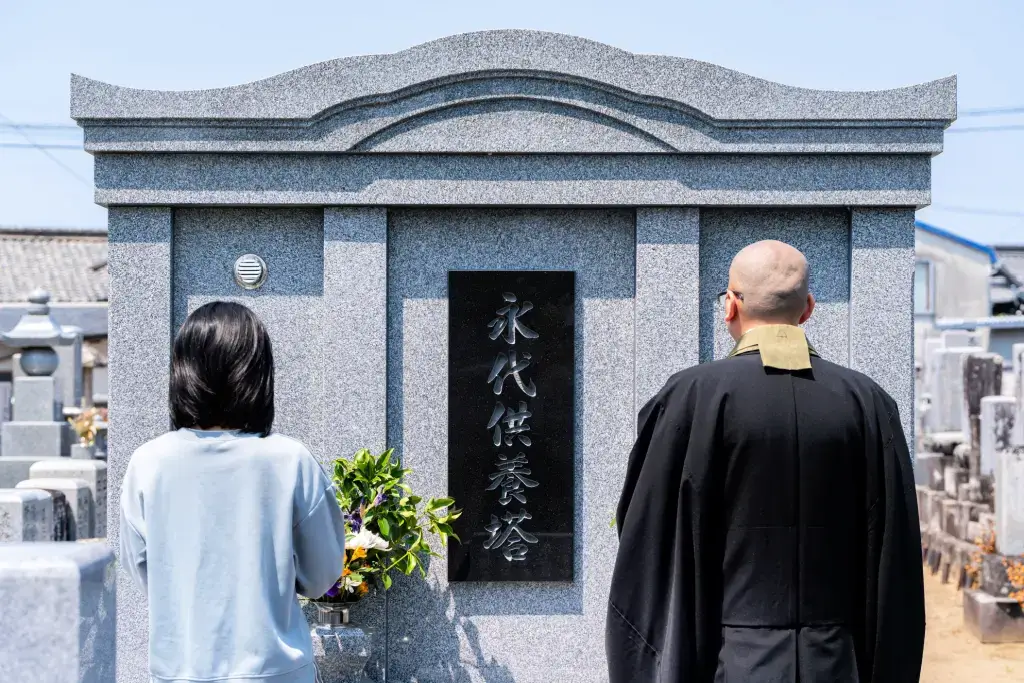
A walk through a Japanese cemetery often shows strong ties to family, memory, and tradition. For generations, visiting family graves has been an important custom in Japan. However, fewer people can continue this practice due to busy lives, long distances, and changing family structures. Today, let’s look at Japanese grave customs and the reasons behind the decline in tomb visits. We will also look at how modern and digital solutions help people remember their ancestors in new ways.
Japanese Family Grave Traditions and Cemetery Customs
In Japan, visiting family tombs plays a central role in how people relate to their ancestors and family history. Most sites are shared across multiple generations and represent the continuity of the household rather than a single individual’s life. These sites are commonly located at Buddhist temples or public cemeteries, and families are expected to care for them over time. Maintaining and visiting the grave is viewed as a family duty and a sign of respect for ancestors.
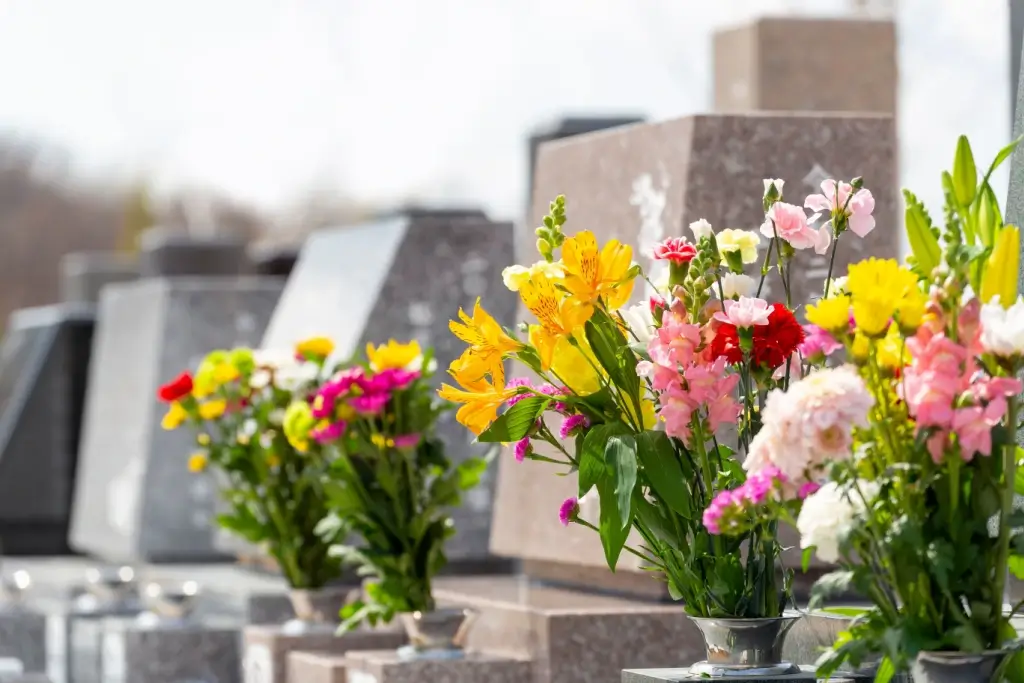
People often visit tombs at specific times of year rather than at random. The most common times are Obon in summer, mainly from August 13 to 16, and Higan in spring (March 18–24) and fall (21st – 25th September). During Obon, families believe their ancestors’ spirits return home, so visiting graves becomes a way to welcome them. Many people also visit the sites on death anniversaries or during the New Year period.
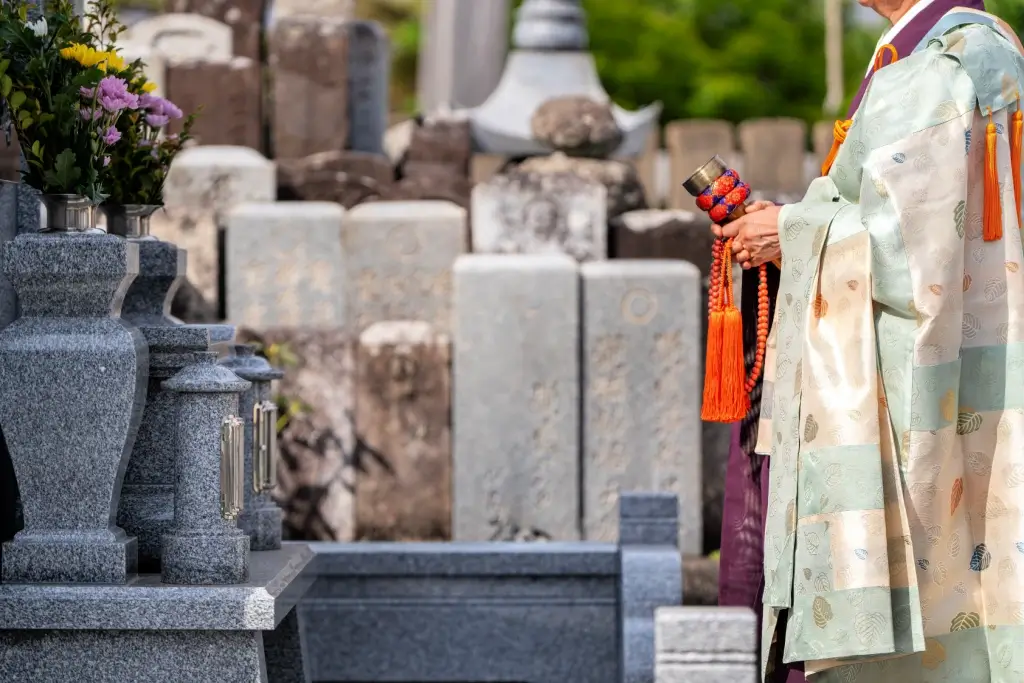
A typical grave visit involves cleaning the tomb, removing weeds, and washing the stone with water. Visitors then place fresh flowers, light incense, and sometimes leave food or drinks that the deceased enjoyed in life. People usually put their hands together and pray quietly, speaking to their ancestors in their hearts. These visits are calm and personal, even when families come together.
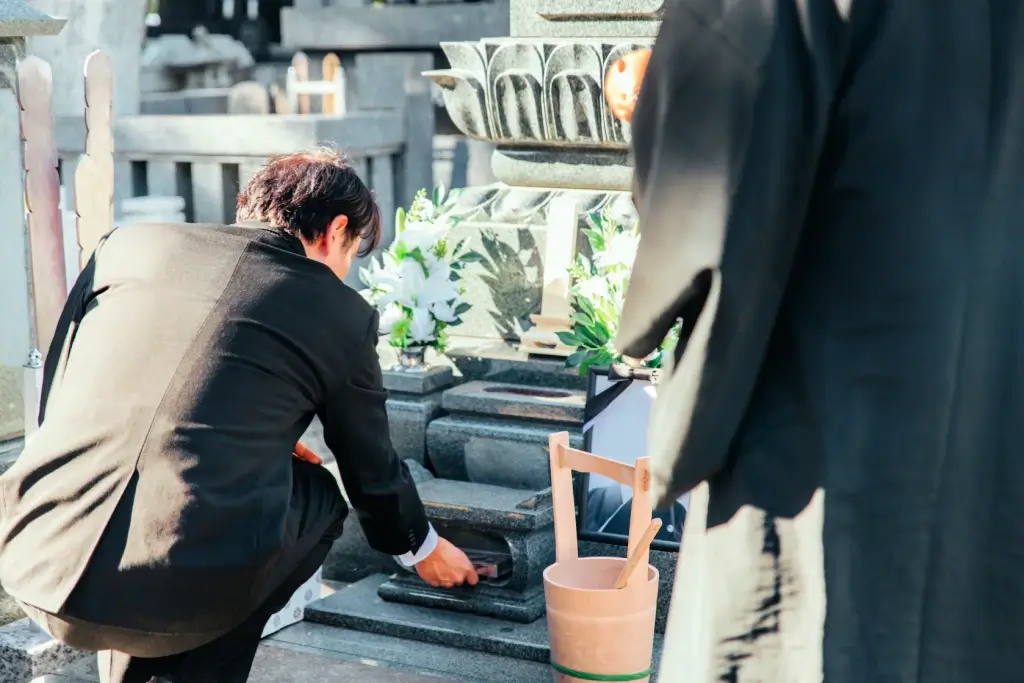
Traditionally, the responsibility for maintenance falls on the eldest son or the family member living closest to the memorial site. This system worked well when families stayed in the same area for generations. However, as lifestyles change and people move to cities or abroad, maintaining this tradition has become more difficult, especially for younger generations.
Trends in Family Grave Visits in Japan
In recent years, fewer people in Japan have been visiting their family tombs, a change that shows how modern life and social issues are reshaping long-held traditions. One clear indicator of this trend comes from recent Obon statistics, which show that the percentage of people visiting family memorial sites has dropped from over 50 percent a decade ago to just around 30 percent today. People still visit memorial sites to pray and clean them during Obon, but overall attendance continues to decline.
Data also shows that attitudes toward grave visiting are changing, especially among younger generations. Surveys suggest that younger people feel less obligated to visit family tombs regularly than older generations. Many respondents point to distance, cost, and lack of time as the main reasons. At the same time, the number of people choosing non-traditional burial and memorial options increases each year, particularly in urban areas.
What do these numbers mean?
These figures show that the decline in memorial visits reflects a long-term social shift rather than a short-term trend. Several main reasons help explain this change. First, lifestyles have shifted. Many younger Japanese now live far from their hometowns for work or study, making travel to family memorial sites expensive and time-consuming. A resting place in a rural area may be hours away from relatives’ current homes, leaving little time for regular visits.
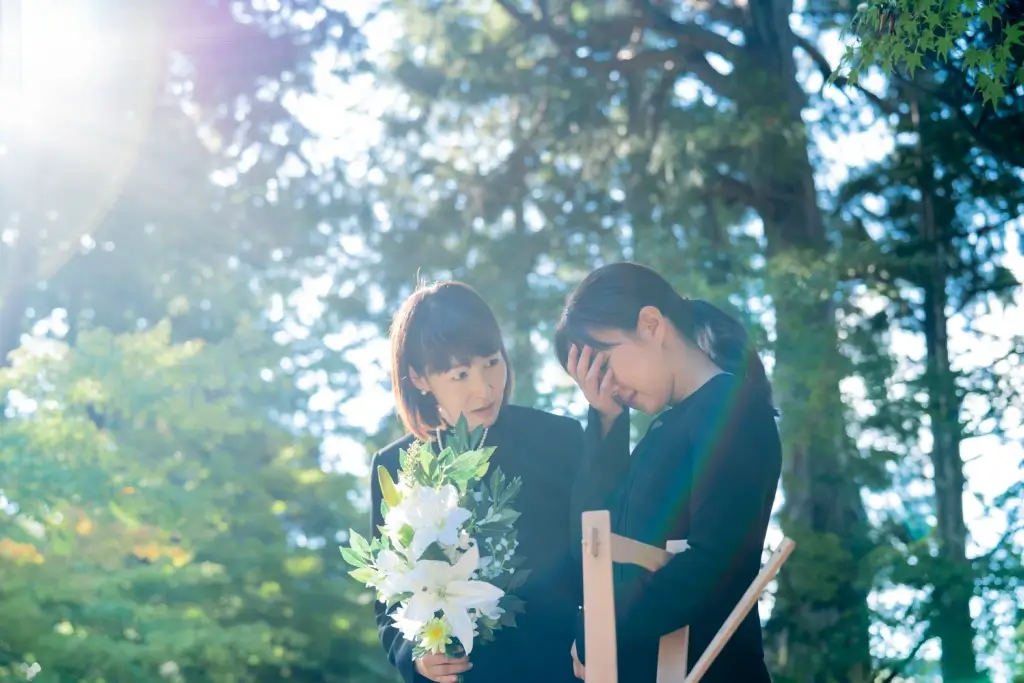
Second, Japan’s aging population and low birthrate mean that family structures are smaller and more spread out than before. With fewer children and more single-person households, fewer people are able or willing to take on traditional duties, such as tomb upkeep. Some families also worry about placing this responsibility on the next generation. With rising costs and stagnant salaries, the financial pressure of site maintenance becomes an added concern for many households.
These changes have led to new trends and solutions. Some companies now offer memorial-visiting proxy services, in which workers clean the tomb and place flowers and incense on behalf of family members who can’t visit. Another sign of the trend is the increase in memorial site closures, known as “hakamajimai,” in which family plots are dismantled, and remains are moved to communal tombs that require less maintenance.

How Digital Tools Are Changing Ancestor Remembrance in Japan
As visiting family memorial sites becomes more difficult, digital solutions have emerged as a practical way to maintain connections with ancestors. Online memorial platforms now allow families to create digital graves where they can offer prayers, leave messages, and upload photos. These services help people remember loved ones even when they live far away or cannot travel often.
Some temples and memorial service providers also use digital tools. They livestream memorial ceremonies during Obon or on death anniversaries, allowing families to participate from anywhere. Others send photos or videos after scheduled tomb cleaning or prayer services, giving families peace of mind that the resting place is being cared for.
Digital records of memorial services and family histories are also becoming more common, making it easier to pass memories to future generations. While these tools do not replace physical tomb visits, they offer a flexible, modern way to continue ancestral remembrance in a society with busy schedules, long distances, and changing family structures.
Why is it important to know about the trends surrounding visiting family graves in Japan?
Understanding trends in visiting family graves in Japan helps explain how daily life, financial concerns, and population change shape traditional customs. As more people live far from their hometowns and family sizes shrink, regular visits to the tomb become harder to maintain. This shift shows how people are adapting old practices to modern realities rather than abandoning them.
Understanding these trends gives clearer insight into how Japanese society balances respect for ancestors with the demands of contemporary life. Do you see similar trends in your home country? Let us know in the comments below!