


Kokuho, Japan’s most popular movie last year, captured audiences with its mix of modern drama and traditional arts. Let’s explore what the film is about, explain Kabuki theater, show how Kokuho boosted its popularity, and discuss why this cultural revival matters. With stunning visuals and Oscar-nominated costuming and makeup, the movie has inspired both longtime fans and newcomers to experience Kabuki like never before.
Exploring the Plot of Kokuho
Kokuho was the most popular movie in Japan last year, drawing huge crowds and sparking nationwide conversations. The film follows a young man, Hiroshi, as he struggles with the pressures of modern life, including work, relationships, and self-doubt. At the same time, he uncovers his family’s hidden ties to Japan’s traditional arts.
As Hiroshi learns more about his ancestors’ involvement in Kabuki theater and other cultural practices, he begins to understand the importance of tradition. He also faces the challenge of finding his own path in life. The story blends moments of suspense, heartfelt family drama, and personal discovery, showing how history and culture continue to shape contemporary life.
The movie is celebrated for its striking visuals and powerful storytelling. Viewers are transported between the bustling modern cityscape and the ornate, ceremonial world of traditional arts that define the characters’ heritage. Themes of honor, loyalty, and self-discovery run throughout, encouraging audiences to reflect on their own relationships with family and cultural roots.
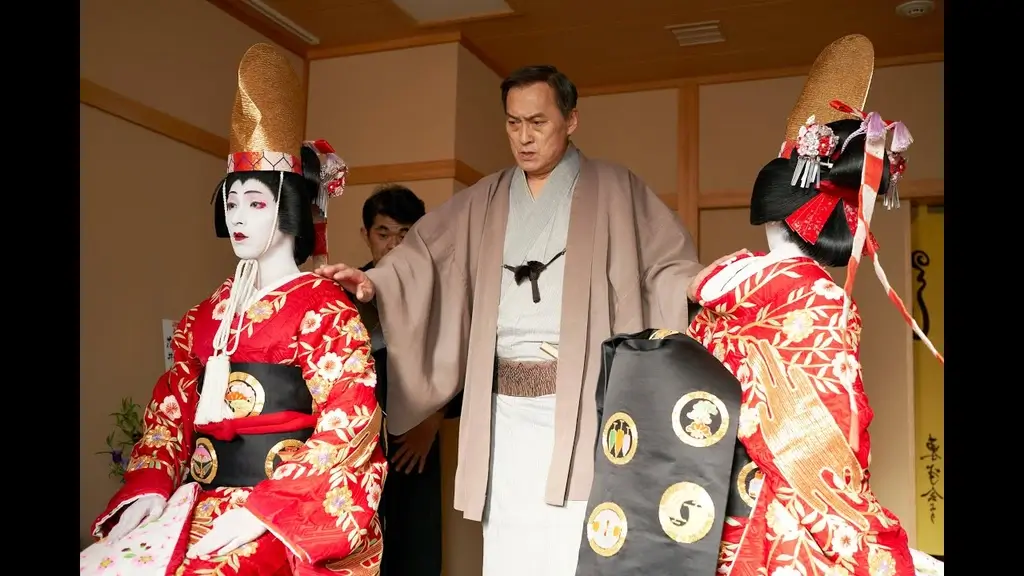
Kokuho also weaves the traditional Japanese theater into key scenes. From elaborate costumes to dramatic gestures and storytelling techniques, Kabuki becomes a character in itself, captivating viewers who may have never seen a performance before. Its makeup and costume design even earned a nomination for the Best Makeup Oscar, shining a global spotlight on Japan’s traditional arts. The film topped box office charts and inspired social media trends. Audiences began exploring Japan’s artistic heritage in new ways. Kokuho opened doors for many to discover the beauty, depth, and emotional power of the country’s traditional performing arts.
Understanding Kabuki Theater
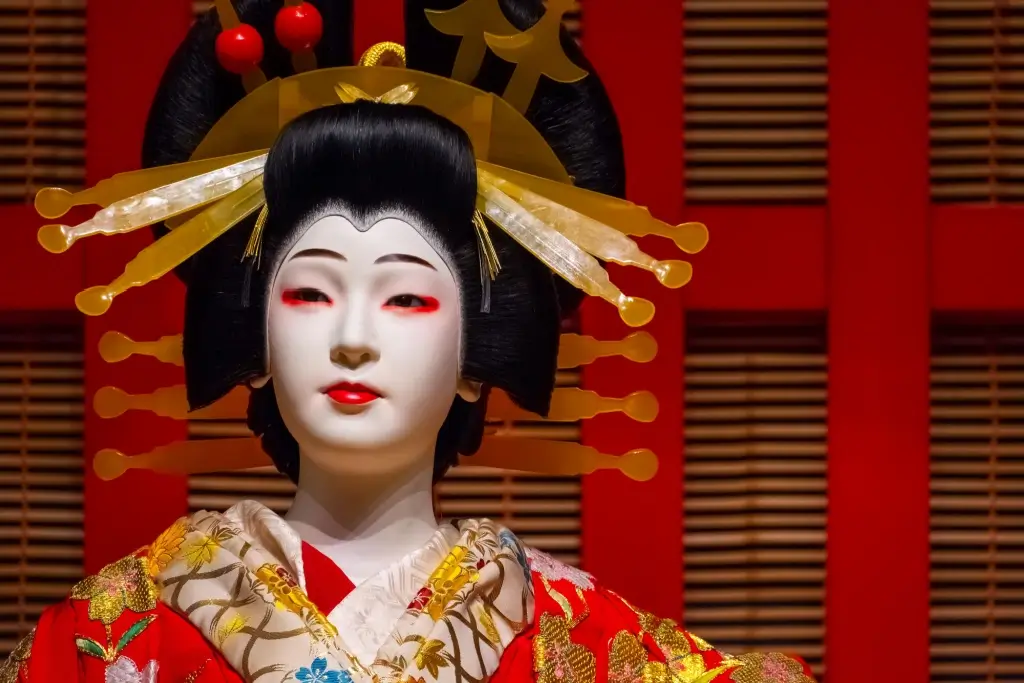
Kabuki is one of Japan’s most famous traditional performing arts. It began over 400 years ago and is known for its colorful costumes, dramatic makeup, and powerful storytelling. Performances combine acting, singing, and dancing, creating a unique and exciting experience for audiences.
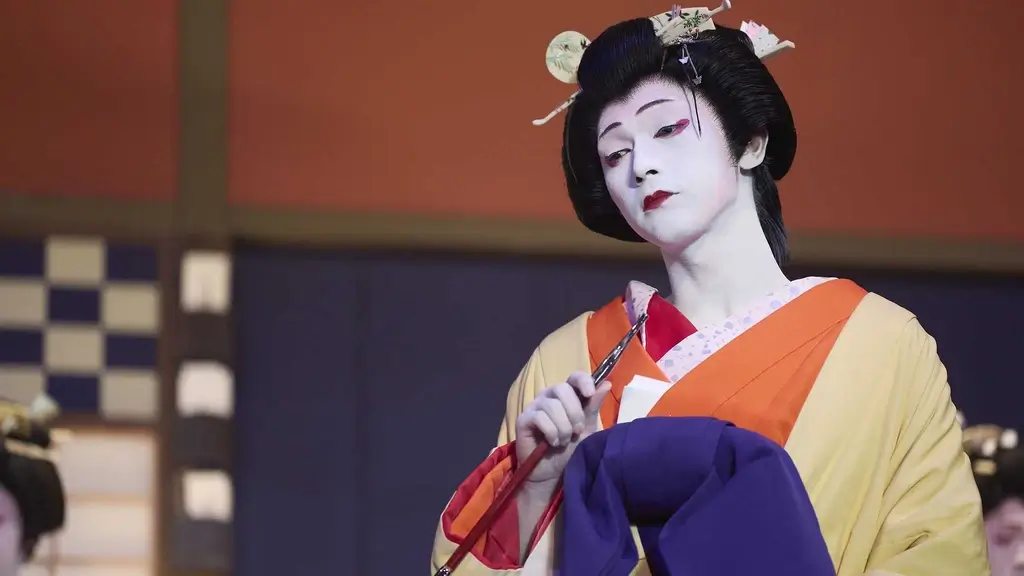
Actors use exaggerated movements and gestures to show emotions and tell stories. Every detail, from the elaborate costumes to the painted faces, carries meaning. The makeup, called kumadori, highlights the character’s personality, whether they are a hero, villain, or supernatural being. The music and rhythm of the performance also guide the audience’s emotions, making each scene more intense and captivating.
Originally, the performing style was performed mainly by men, and today, male actors still play female roles, called onnagata. Performances can last several hours, and many plays are based on historical events, legends, or moral lessons. Today, it attracts both Japanese audiences and international visitors, inspiring new generations to appreciate and preserve this remarkable art form.
Are you looking for great snacks after watching a good movie? Check out Sakuraco! Sakuraco delivers traditional Japanese snacks, sweets, teas, and more from local Japanese makers right to your door!

How Kokuho Revived Interest in Kabuki Theater
The movie Kokuho has changed how many people in Japan think about traditional theater arts. After the film became Japan’s most popular movie last year and broke box-office records, it drew widespread attention. Many people also began to take notice of the performing art style and its rich cultural history. The film’s success introduced the theater style to new audiences, especially young people who might never have seen a live performance before.
Before Kokuho, Kabuki audiences were mostly older generations and long-time fans. The movie inspired thousands of people to visit performing arts theaters. For example, Tokyo’s famous Kabukiza Theater reported a large rise in first‑time visitors after the film’s release. Many of these visitors said they wanted to see the art form they had only watched on screen come alive on stage.

The impact is especially clear in places connected to the film. In Kyoto, theaters that showed plays featured in Kokuho sold out quickly, attracting crowds that included many people in their 20s and 30s. Some traditional performance events also saw increased interest, with both tickets and backstage tours selling out fast. Kabuki schools and clubs have seen more people asking about lessons and workshops. Some adults are trying dance and movement classes for the first time, inspired by the movie’s stunning stage scenes.
Because Kokuho reaches beyond typical film audiences, it has helped spark a broader cultural conversation. Arts organizations are using the film’s popularity to promote the history of traditional theater and make shows more accessible to newcomers. This influence could help keep it alive and appreciated by future generations.
Why is it important to know about the growing popularity of kabuki?
The growing popularity of Kabuki, fueled by Kokuho, shows how traditional arts can connect with modern audiences. The film has inspired new generations to explore theater, costumes, music, and storytelling, bringing fresh energy to a centuries-old art form. Understanding this trend is important because it highlights the ways culture evolves while preserving heritage.
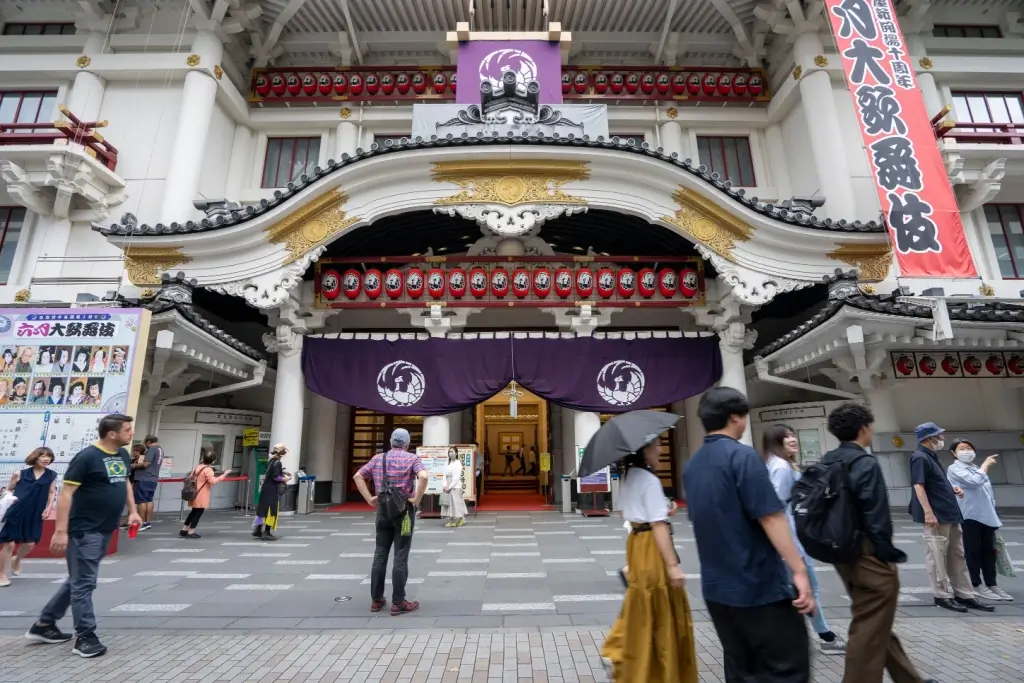
The traditional theater art style is no longer seen as distant or outdated. It has become a shared experience that bridges history, contemporary life, and audiences across all age groups. By paying attention to its resurgence, we can appreciate how films like Kokuho can keep traditional arts alive, relevant, and celebrated for years to come. Has a traditional art form in your home country become popular again, too? Let us know in the comments below!