


Coming of Age Day, known in Japanese as Seijin no Hi, is a national holiday that marks the transition into adulthood. It is observed on the second Monday of January each year. The holiday focuses on young people reaching the age recognized by local governments as the age of adulthood. Cities and towns across Japan hold official ceremonies to recognize this milestone. Coming of Age Day connects individual growth with social responsibility.
The History of Coming of Age Day
The concept of coming of age has existed in Japan for centuries. In earlier periods, young people participated in rituals that signaled readiness for adult roles in society. These rites are often focused on appearance, behavior, and community recognition. After World War II, Japan formalized the idea into a national holiday. In 1948, Coming of Age Day was established to encourage young adults during a period of national rebuilding.
For many years, the holiday was fixed on January 15. In 2000, the date was moved to the second Monday of January as part of a policy to spread out national holidays. This change created long weekends and improved attendance at ceremonies. Despite the schedule change, the holiday’s purpose remained consistent. The holiday also emphasized hope, responsibility, and future participation in society.
Who Is Considered an Adult
Traditionally, Coming of Age Day celebrates people turning 20. This age marked full legal adulthood in Japan for decades. At 20, individuals gained rights such as voting, drinking alcohol, and signing contracts. Local governments organize ceremonies for residents reaching this age. As a result, age 20 became closely tied to the holiday’s identity.
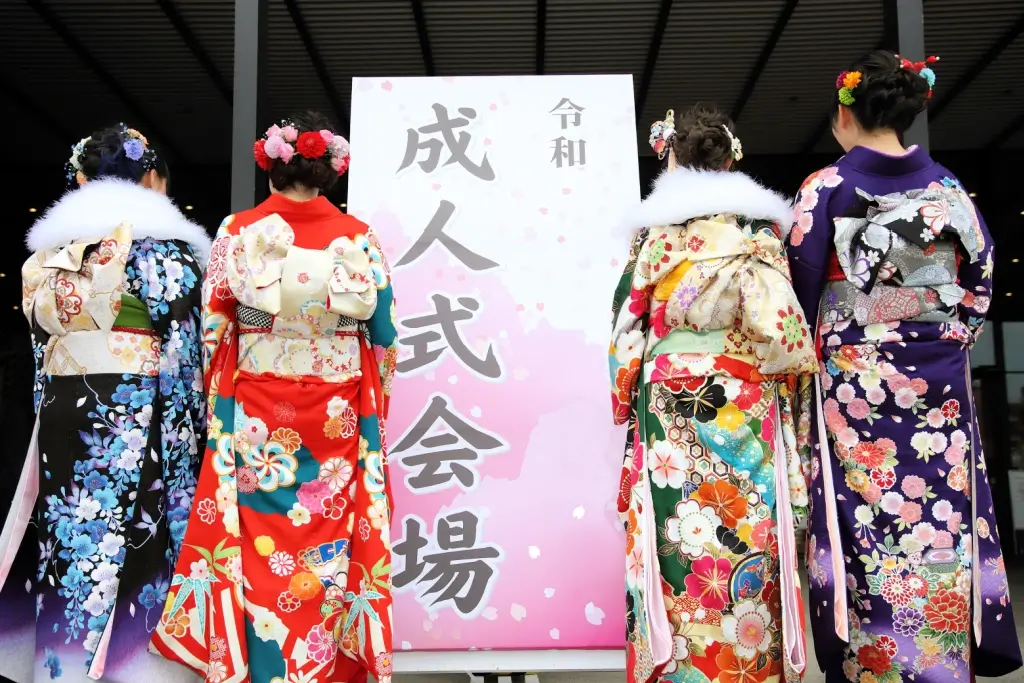
In 2022, Japan lowered the legal age of adulthood to 18. These changes affected laws governing contracts and legal liability. However, alcohol and tobacco laws still remain linked to age 20. Many municipalities continue to invite those turning 20 to ceremonies. This creates a situation where legal adulthood and cultural tradition do not fully align. The holiday now reflects both updated laws and long-standing customs.
Are you looking for great snacks for the season? Check out Sakuraco! Sakuraco sends traditional Japanese snacks, teas, and sweets from local makers straight to your door each month!

Seijinshiki Ceremonies
Most municipalities hold official Seijinshiki ceremonies on Coming of Age Day. These events usually take place in civic halls, theaters, or community centers. Local leaders give speeches about responsibility, citizenship, and future goals. Attendees are recognized as new members of adult society. Many use the opportunity to reconnect with former classmates. The ceremony provides a shared moment for the local community.
Participation is generally voluntary, but attendance rates are high. Invitations are based on residency records rather than birthplace. Some cities host large ceremonies, while smaller towns hold more personal events. In recent years, online or split ceremonies have been used when large gatherings were difficult. Even with format changes, the symbolic role of the ceremony remains strong. Seijinshiki reinforces the nature of adulthood in Japan.

Traditional Clothing and Fashion
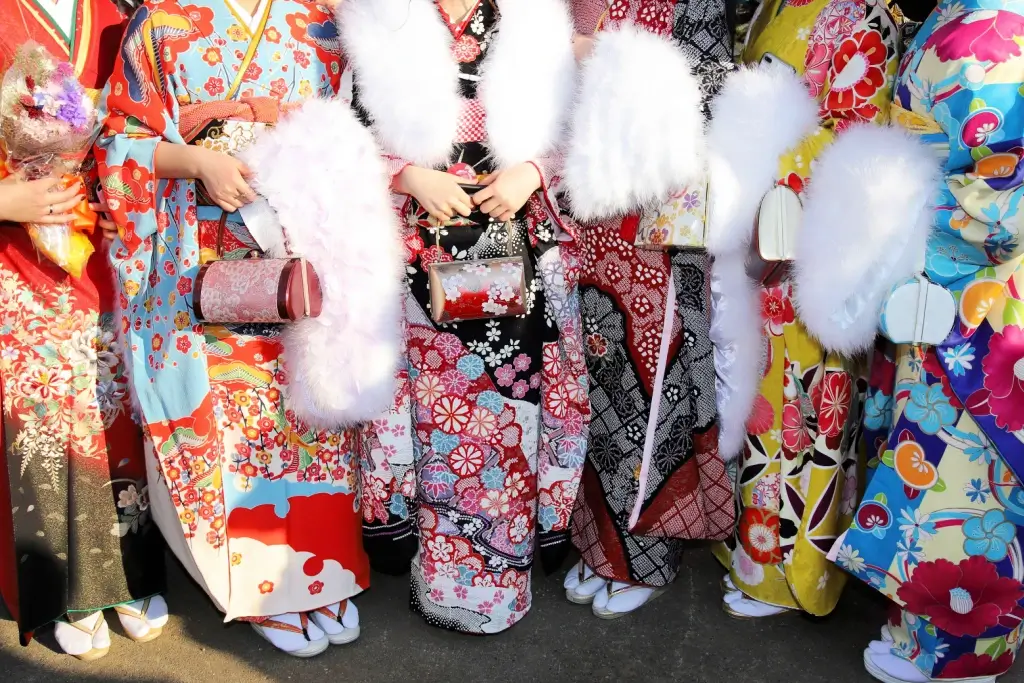
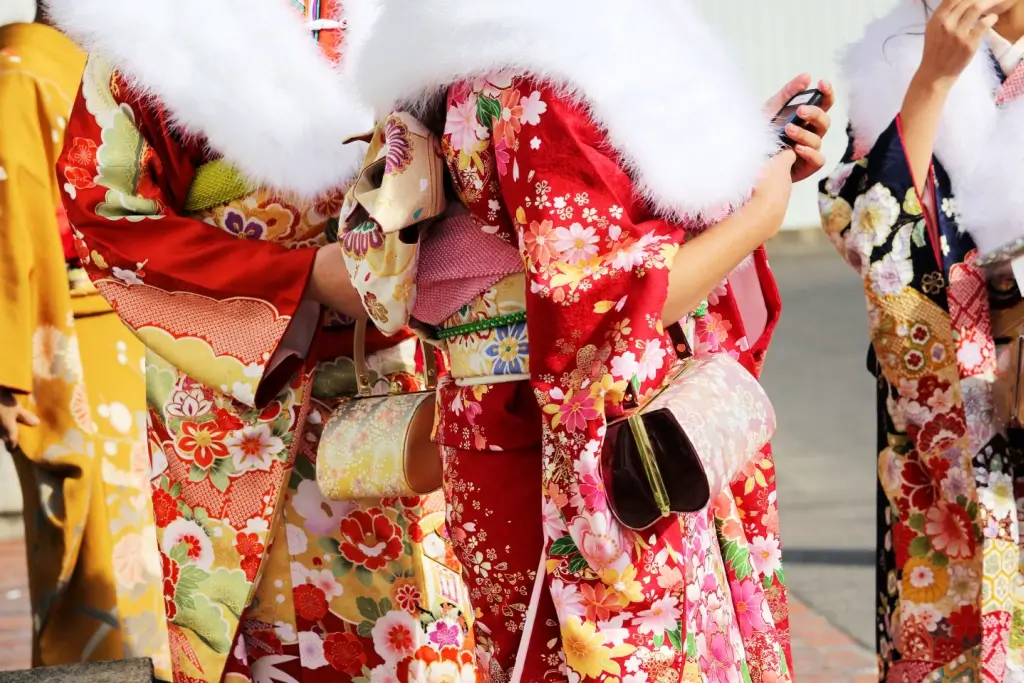
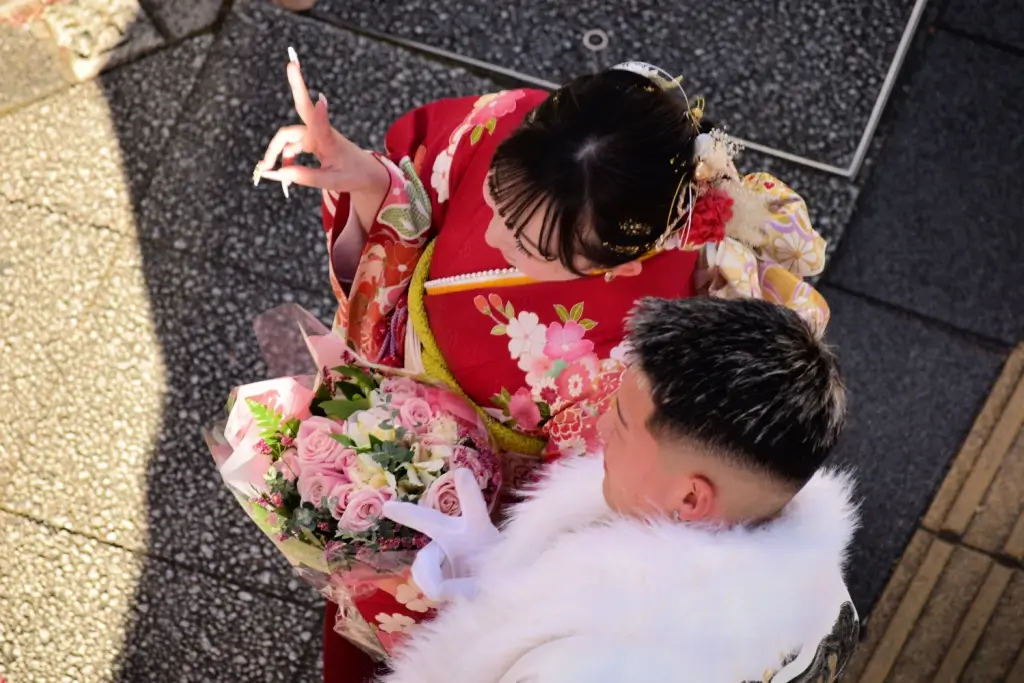
Clothing plays a major role in Coming of Age Day. Many women wear furisode, a formal kimono with long sleeves. These garments are often brightly colored and feature seasonal or symbolic patterns. Styling includes professional hair, makeup, and accessories. Preparation often begins months in advance. The outfit reflects both tradition and family support.
Men typically wear suits or traditional hakama. Some choose Western formal wear for practicality and comfort. Rental shops experience peak demand during the season. Photography studios also see high bookings around the holidays. Clothing helps mark the occasion’s importance. Visual presentation becomes part of how adulthood is publicly recognized.
Family and Social Meaning
Coming of Age Day carries strong meaning for families. Parents often reflect on their child’s development and independence. Many families take formal photographs to preserve the moment. Meals or small celebrations may follow the ceremony. The day marks a shift in how young adults are viewed within the household. Expectations around responsibility often change after this milestone.
The holiday also sends a broader social message. It reminds young people that adulthood includes civic duties and awareness. Local governments use the event to encourage civic participation. The holiday links personal milestones to community values. Responsibility is emphasized more than freedom alone. This balance gives the celebration long-term significance.
What Does Coming of Age Day Represent
Coming of Age Day represents a structured transition from youth to adulthood in Japan. It combines legal status, cultural tradition, and community recognition into a single event. The holiday shows that adulthood is not only personal but also social. Local governments, families, and individuals all share in its meaning. Together, these elements create a shared national experience.
The holiday has adapted to legal and social changes over time. Lowering the legal age of adulthood introduced new interpretations of maturity. However, traditions centered on age 20 remain widely practiced. This overlap reflects how cultural customs change more gradually than laws. Despite these shifts, the core message remains stable. Coming of Age Day continues to symbolize responsibility, independence, and social participation. Have you ever experienced coming of age in Japan? What does your home country do? Let us know in the comments below!
Cited Sources
- Nippon.com. “Coming of Age Day (Japan’s National Holidays)“.
- Web Japan. “Coming-of-Age Day“.
- Okinawa Island Guide. “Coming of Age Day“.