


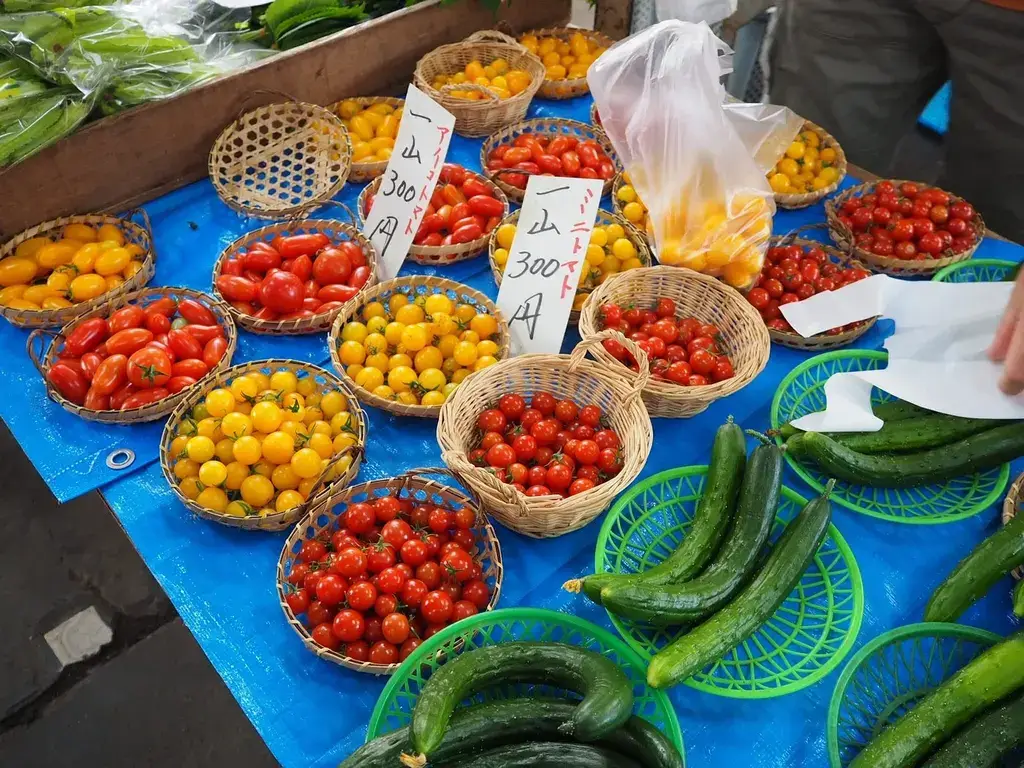
Kamakura, the historic coastal city south of Tokyo, draws visitors for its ancient temples, giant Buddha, and seaside paths. But a secret hidden gym that only locals and savvy travelers also head to is the Kamakura Farmers’ Market, known as Renbai, for a taste of everyday life amid its fresh produce and warm farmer chats.
Tucked just a short walk from Kamakura Station, this modest spot has been in operation since the late 1920s. It is one of Japan’s early examples of direct-from-farm sales inspired by European open-air markets brought to the area by a foreign pastor during tough economic times. Despite its simple, aging building, Renbai thrives as a community hub for about 20 farming households from Kamakura and nearby Yokohama. They rotate daily stalls, filling shelves with seasonal vegetables, seafood, and a few extras that capture the region’s rich soil and coastal bounty.
When does this market open?
Renbai opens early around 8 a.m. and runs until sunset, closing only for a few days around New Year’s. The best time to visit is between 8 and 9 a.m., when farmers unpack the morning’s harvest and energy runs high. Shoppers arrive with reusable bags for “Kamakura vegetables,” grown in the area’s mineral-rich soil surrounded by sea and mountains, which give them vivid colors and intense flavors not always matched in city supermarkets.
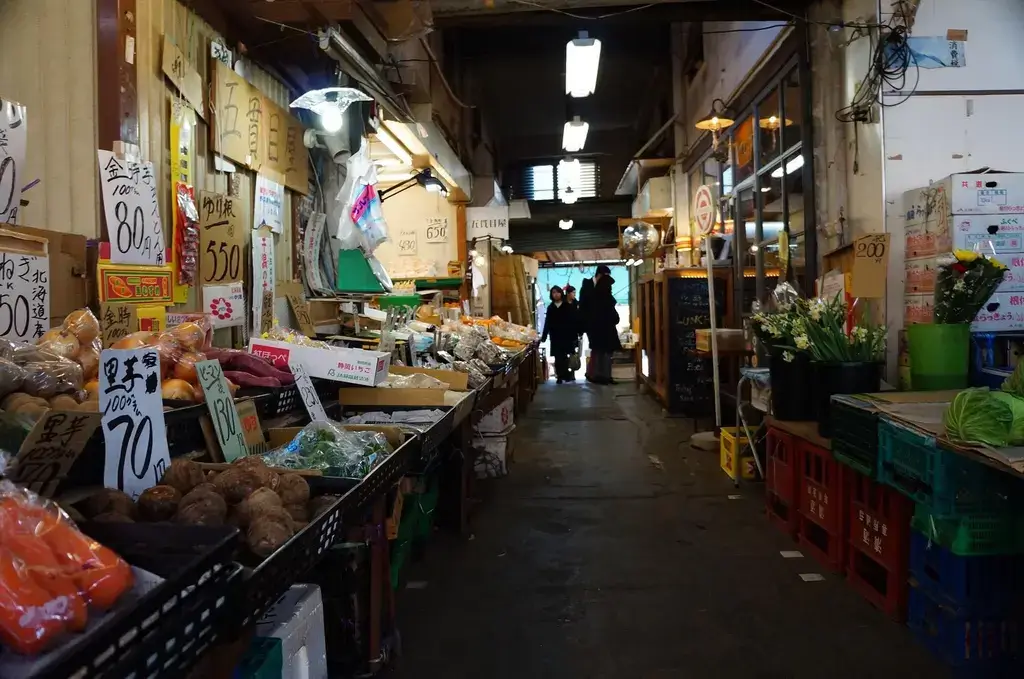
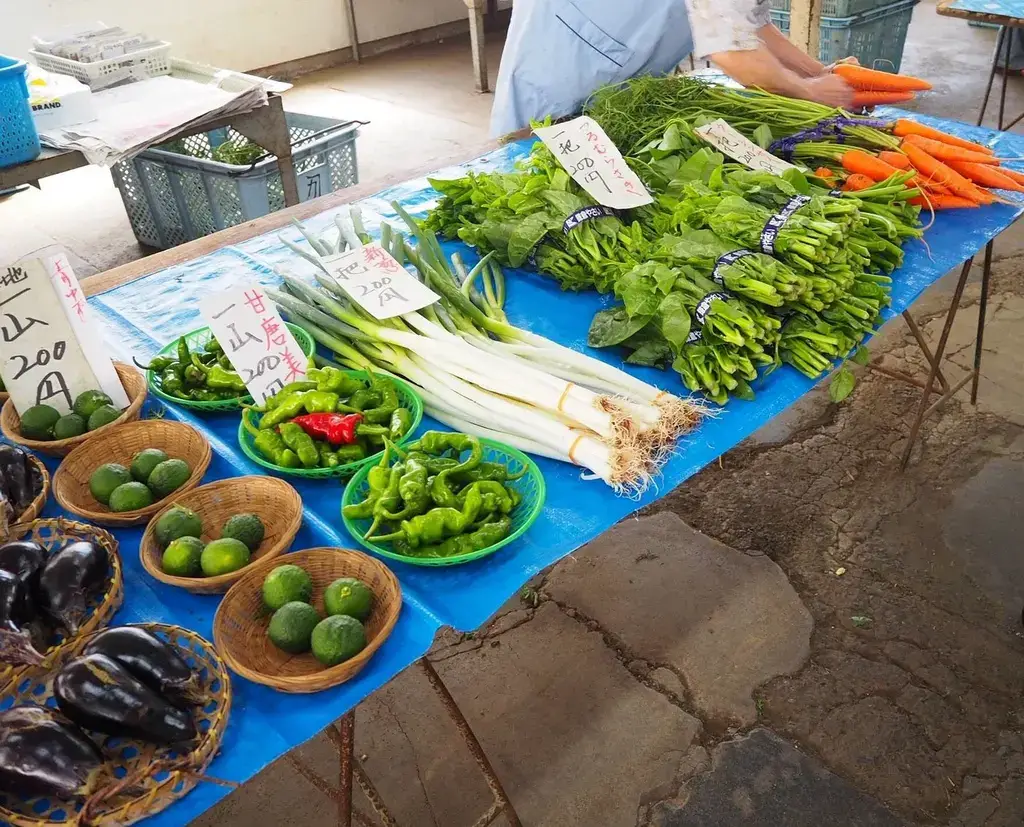
Spring brings wild greens and early shoots, summer overflows with eggplants, tomatoes, and unique “seven-color field” varieties like purple cauliflowers or swirled beets. If you visit in autumn and winter, the market tends to focus on roots, spinach, and shiso leaves, whose heavenly scent draws repeat buyers.
The seafood section adds coastal flair, with catches straight from Kamakura’s shores that arrive glistening fresh. This is perfect for quick home meals or picnics near the beach. What sets Renbai apart is the direct connection to farmers; stalls let you ask about cooking tips, watch them trim leaves, or hear stories behind rare finds, turning shopping into a friendly exchange that feels worlds away from sterile grocery chains.
Are you looking for great snacks from places like Kamakura? Check out Sakuraco! Sakuraco sends traditional Japanese snacks, teas, and sweets from local makers straight to your door each month!

How is this different from other markets?
What sets this apart is that it keeps its Showa-era vibe alive through the people who run the market, each taking a day to staff it in a system unchanged for decades. The old facility might look dated with its concrete floors and basic setup, but regulars overlook that for the quality. The visitors notice that the produce’s freshness makes up for any lack of polish, and the lively farmer banter adds warmth.
Next door, a small artisanal bread shop complements the haul with superb loaves whose crusty outsides and soft interiors pair perfectly with fresh veggies for sandwiches or toast. This blend of history and practicality keeps Renbai beloved among Kamakura residents, who shop here for daily necessities. While tourists discover it as a low-key entry to local food culture, often combining a market run with temple hops or hikes around the coastline.
How do you get to the market?
Reaching Renbai is straightforward for Tokyo day-trippers, with a quick one-hour train ride on the JR Yokosuka Line from Tokyo Station, landing you at Kamakura Station. When you arrive in Kamakura, you only have a 3- to 5-minute walk east. Renting a bike or hopping a local bus works too if you’re exploring further, and the market’s proximity makes it easy to weave into a full day of sightseeing without rushing.
Cash rules at most stalls, since smaller vendors may skip cards; some accept IC transit cards. Arriving early snags the prime picks before shelves thin out, and focusing on in-season items ensures top flavor and value. Vegetarians can find some great dishes in the vegetable diversity, including rare Western-style crops alongside Japanese staples, and the whole experience suits solo wanderers or families looking for picnic supplies to enjoy by the sea.
Seasonal highlights of the market
Kamakura’s “seven-color fields” shine at Renbai, where farmers plant over 100 varieties of vegetables each year. They have many eye-catching items, like golden pattypan squash, Romanesco broccoli, and vortex beets, that chefs prize for both their looks and their taste. Shiso leaves stand out for their intoxicating aroma, ideal for wrapping fish or flavoring rice, while summer’s nightshade family, eggplants in every shade, and juicy tomatoes, fuel barbecues and salads.
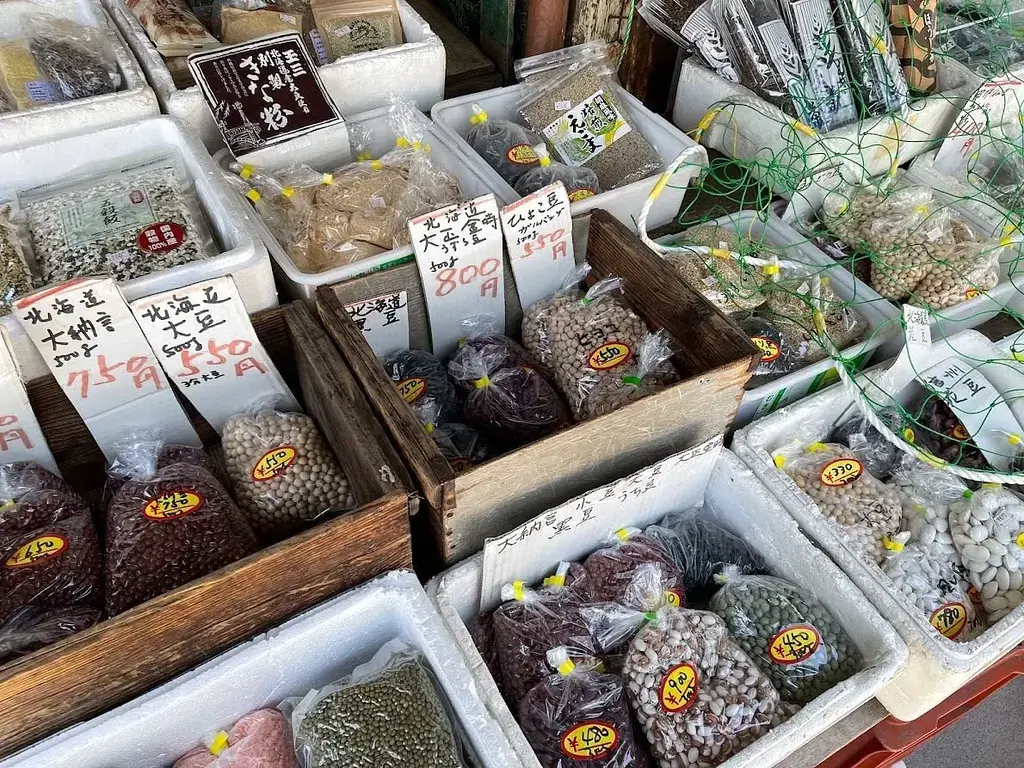
Winter’s hardy greens and roots hold their own, proving the market’s year-round appeal beyond cherry blossom crowds. Seafood rotates in as well, with silvery sardines to crabs or squid, often gutted on-site for convenience. Occasionally, they will sell eggs, homemade tofu, or preserves around stalls for complete meals.
Why should I visit this market?
You should visit Kamakura’s Renbai Market because its Showa-era setup and rotating farmer teams deliver vibrant, soil-kissed vegetables and seafood straight from local fields and seas, wrapped in chats that make every visit personal. They have everything from seven-color rarities to fragrant shiso and next-door loaves; it grounds temple-town glamour in daily sustenance. Have you visited this farmers’ market before, or do you plan to visit one in the future? Let us know in the comments below!