


The Yamato Period laid the foundation for modern Japan. Powerful clans emerged to shape the islands’ future and form the country’s first early states. Trade with continental Asia introduced Buddhism to the country, and combined it with local beliefs. Massive tombs were built for early kings to display their increasing wealth and power, and to please their new gods.
In addition, a central authority took hold for the first time, laying the foundation for a unified Japan that would endure to the present day. Today, we learn the details of the Yamato period, trace its origins, and appreciate its lasting impact.
What is the Yamato Period?
The Yamato Period (250 – 710 CE) in Japanese history refers to the time when the clan of the same name rose to dominance. But it was actually named after Yamato Province, in modern-day Nara Prefecture, where it was first formed. It eventually grew into a kingdom, united, smaller, local clans under it, and established an imperial court. This royal house controlled much of the country, stretching from central to western Japan.
A Brief History of the Yamato Period
This period saw many developments that modern historians use to define it. Many of these events changed Japan’s future forever and still influence it today.
Who lived during this time?
During these years, the Nara Basin saw the founding of its first large-scale settlement near Mount Miwa. These early people worshipped their ancestors, revered local deities, and gave their rulers priest-like responsibilities. This power gave these early leaders great influence over the people, which allowed them to organize labor for large projects and improve rice farming. This boosted food production in the area and increased its population.
Over time, their economy shifted from agriculture to iron production. The quality of their weapons and military goods also improved, giving them a significant advantage over their neighbors. This marked an important change in the priorities of the Yamato people.
What are some common artifacts from this time?
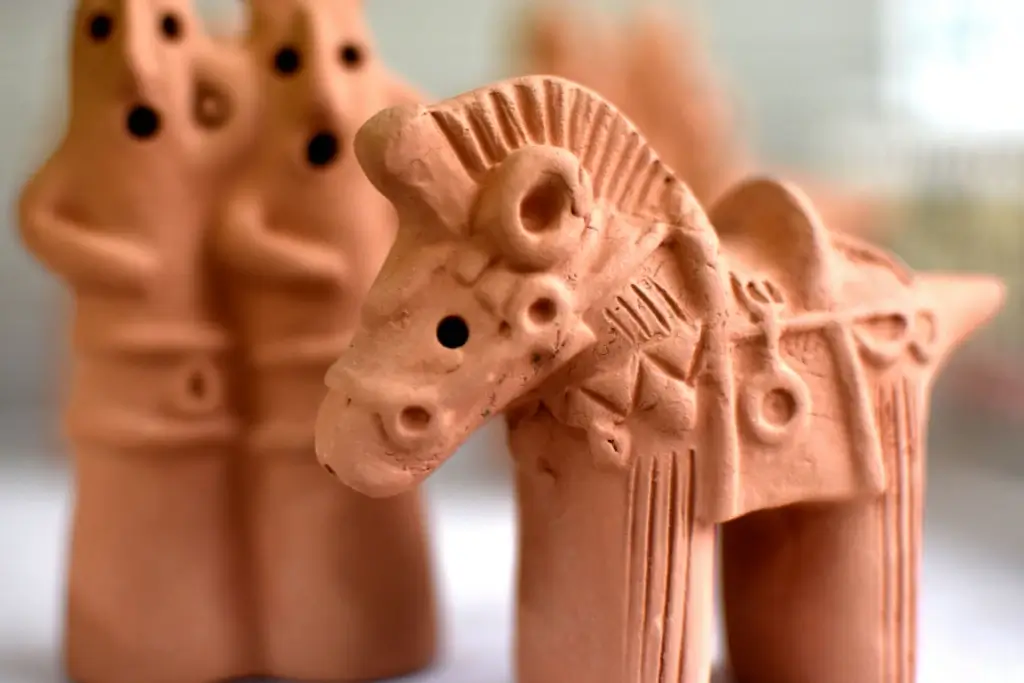
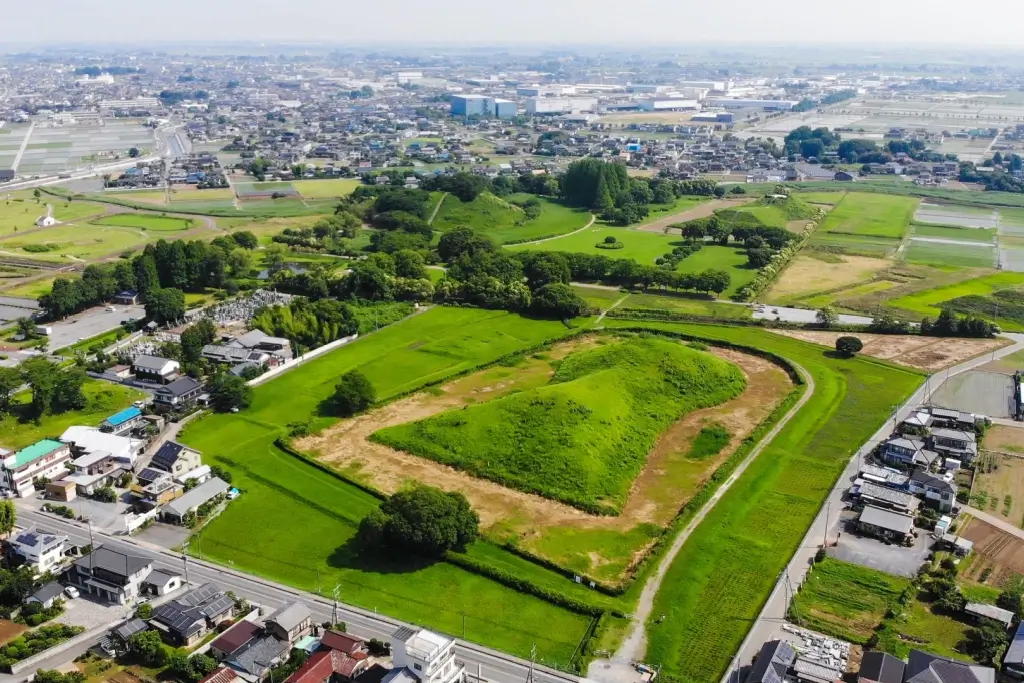
This change is reflected in how they buried their dead, making their kofun tombs unique to the era. These keyhole-shaped tombs were used to show the elite status and power of the people they contained. In the early years of the period (3rd and 4th centuries), these burial mounds were only a few meters high. And those housed within were buried with fitting symbols of authority. The most common of these were haniwa, clay statues depicting animals and houses.
By the mid-period (5th century), the haniwa animals and houses were being replaced with images of warriors. Iron weapons also replaced the earlier sacred items, a sign of the new importance of conflict. Kofun near modern Osaka and Nara also increased dramatically in size.
Are you looking for great snacks after learning about Japanese history? Check out Sakuraco! Sakuraco sends traditional Japanese snacks, teas, and sweets from local makers straight to your door each month!

Who was the most important ruler of the period?
One such large tomb is that of Emperor Nintoku (290–390 CE). Daisen Kofun is the largest such burial site in Japan at over 35 meters high. It is estimated that 2000 people took 16 years to complete. Emperor Nintoku is credited with establishing the center of the Yamato Empire on the Nara plain.
During his time as emperor, Nintoku oversaw vast irrigation projects and canals in Kawachi and Izumi to take advantage of the very fertile soil. This expanded the available farmland, increased food production, and stabilized the region. He also exerted his influence over surrounding clans and, eventually, over the nearby Asian peninsula. Regular trade with the outside world created strong alliances and fostered cultural exchange. These were the first steps towards Japan’s trade relationships with nearby countries in the coming centuries.
What is the religious significance in this Era?
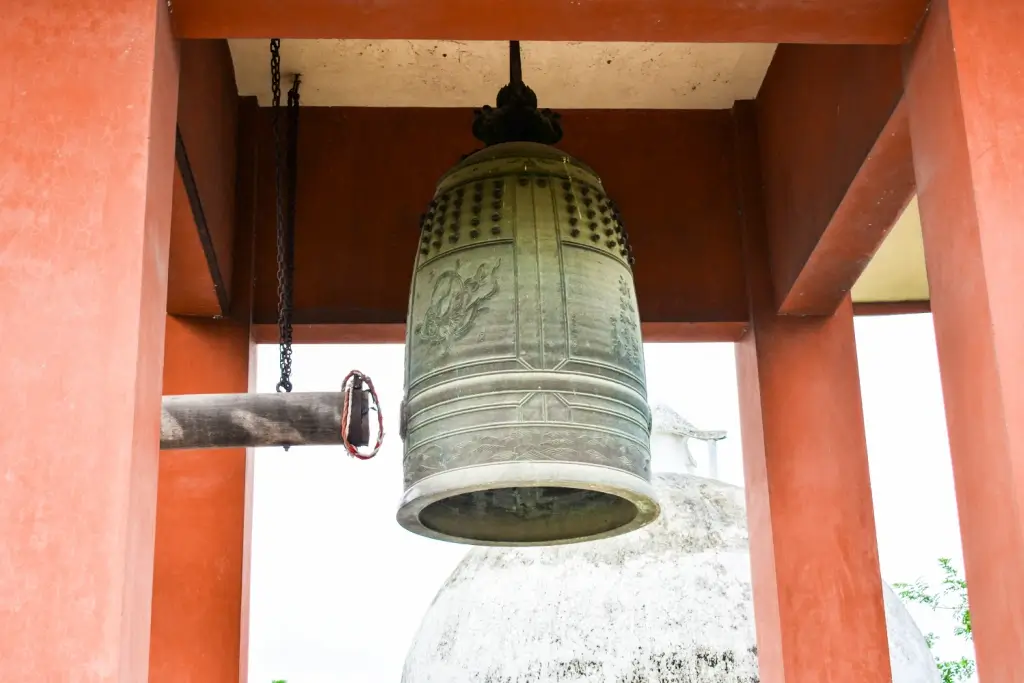
The new trade with the Asian continent during this era introduced new ideas to Japan. Before these new trading routes, religion and society during the early years of this era revolved around the worship of ancestors. Myths in ancient texts such as the Kojiki and Nihon Shoki blended legend and history. Rulers of the time identified themselves with deities such as Amaterasu, the sun goddess. And their burial customs reflected these spiritual beliefs by honoring dead leaders in elaborate burial sites, filled with sacred objects.
When Buddhism arrived via Korea towards the end of the period (late 6th century), leaders combined it with their traditional ancestor worship. This new fusion of religions spread across the country through worship at sacred sites. As the new kingdom controlled more and more of the country, the belief system became known as “Shinto”, now the national religion. Centuries later, Amaterasu is still the main sun goddess in Japanese mythology and the most sacred deity in Shinto.
Why is the Yamato Period an important part of Japanese history?
The Yamato period is an important part of Japanese history because it was marked by many significant turning points. And these developments became pivotal, still influencing modern Japan. The era brought many scattered tribes under a single central authority and made imperial tradition the standard form of rule. These are the beginning of the country’s existence as a unified state. Even today, the imperial line traces its roots back to these roots, with unbroken continuity over the years. Contact with other countries also introduced new skills and ideas, among the most culturally significant being Buddhism.
This unique period saw the emergence of central control and external contact occurring simultaneously. Therefore, it will forever be seen as the beginning of both the country’s official religion and ruling system. Have you explored kofun tombs or other such sites in Nara and Sakai? Do you know any other interesting facts about this time in Japan’s history? Share your experiences or favorite spots in the comments! Let’s discuss this formative period.