


An ancient Japanese art form is a testament to embracing imperfections and finding beauty in repair in a world that often celebrates perfection and discards the flawed. Kintsugi, the art of golden joinery, offers a profound philosophy beyond pottery restoration. Let’s delve into the world of kintsugi and discover the beauty within brokenness!
Origins and History of Kintsugi
Kintsugi finds its roots in 15th-century Japan during the Muromachi period. As tea ceremonies gained popularity among Japanese aristocrats, the demand for aesthetically pleasing utensils grew. During this time, kintsugi emerged as a method of repairing broken pottery, transforming it into precious pieces.
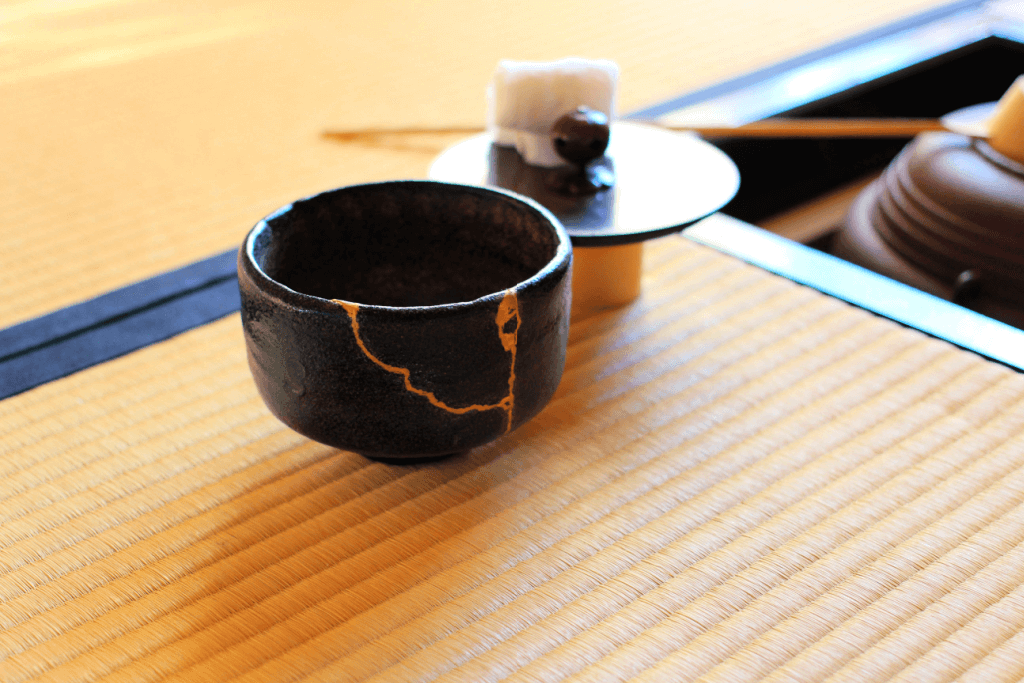
Initially, kintsugi pottery was a practice limited to the elite, requiring skilled artisans and expensive materials. The process involved collecting broken ceramic pieces, meticulously rejoining them using urushi lacquer, and applying gold or silver dust to the lacquer lines. This golden repair restored functionality and elevated the object’s aesthetic appeal.
Eventually, the practice of kintsugi spread beyond the aristocracy and became embraced by a wider audience. The repaired pottery transformed into symbols of resilience and beauty. Today, kintsugi is a potent metaphor for the human experience, where our imperfections and scars contribute to our individual stories and make us uniquely valuable.
The Philosophy of Kintsugi
At the heart of kintsugi lies a philosophy deeply ingrained in Japanese culture: wabi-sabi. Wabi-sabi embraces imperfection, transience, and the beauty of aging. Rather than hiding flaws, kintsugi accentuates them, celebrating the history and resilience of the broken object.
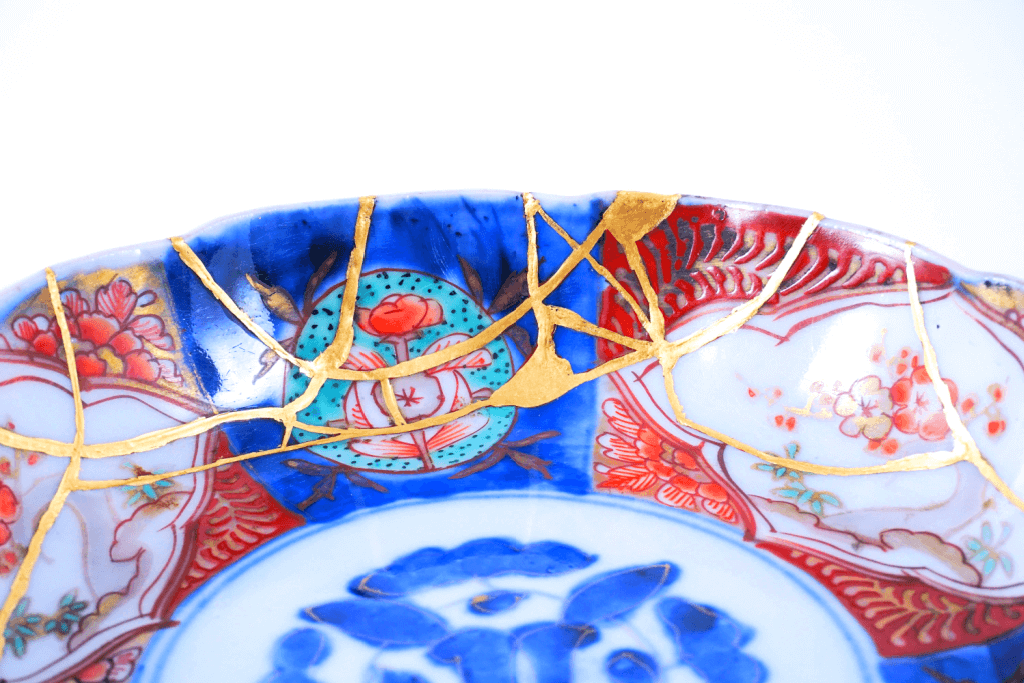
The concept of wabi-sabi extends beyond physical objects; it encourages us to embrace our imperfections and appreciate the fleeting nature of life. Similarly, kintsugi teaches us that our scars can be sources of strength and beauty. It prompts us to significantly shift our perspective from perfection to acceptance, reminding us that there is grace in embracing our flaws and imperfections.
In a world that often values flawlessness, kintsugi is a potent reminder that we shouldn’t hide our imperfections but honor them. The golden lines of repair in kintsugi highlight each piece’s unique history and character, transforming it into a work of art that embodies resilience, authenticity, and the passage of time.
Looking to enjoy traditional snacks and even pottery? Check out Sakuraco! Sakuraco delivers traditional Japanese snacks, teas, sweets, and snacks from local Japanese makers directly to your door so you can enjoy the latest sweets directly from Japan!

The Process of Kintsugi
Generally, the kintsugi process requires patience, precision, and a deep appreciation for craftsmanship. Each step of this process honors the original piece and creates a harmonious fusion between the broken fragments and the golden lines of repair.
First, the broken pottery pieces are gathered and cleaned meticulously. Then, a specialized lacquer known as urushi, derived from the Japanese lacquer tree, is used to reattach the fragments. The lacquer acts as both adhesive and filler, ensuring a seamless restoration. The artisan skillfully applies the lacquer, paying careful attention to the shape and form of the pottery.
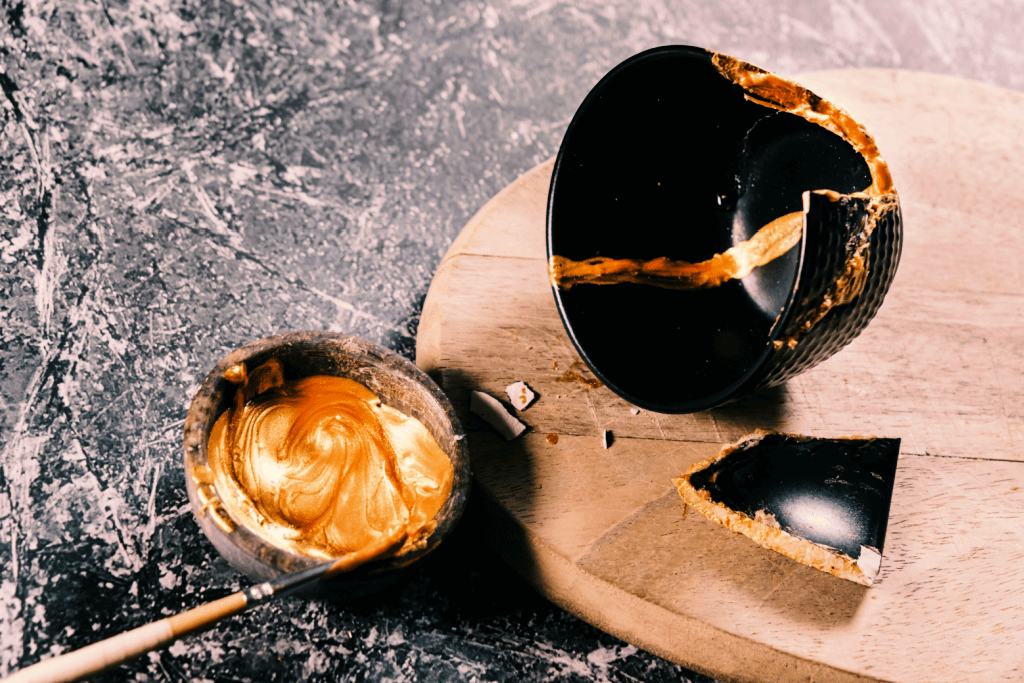
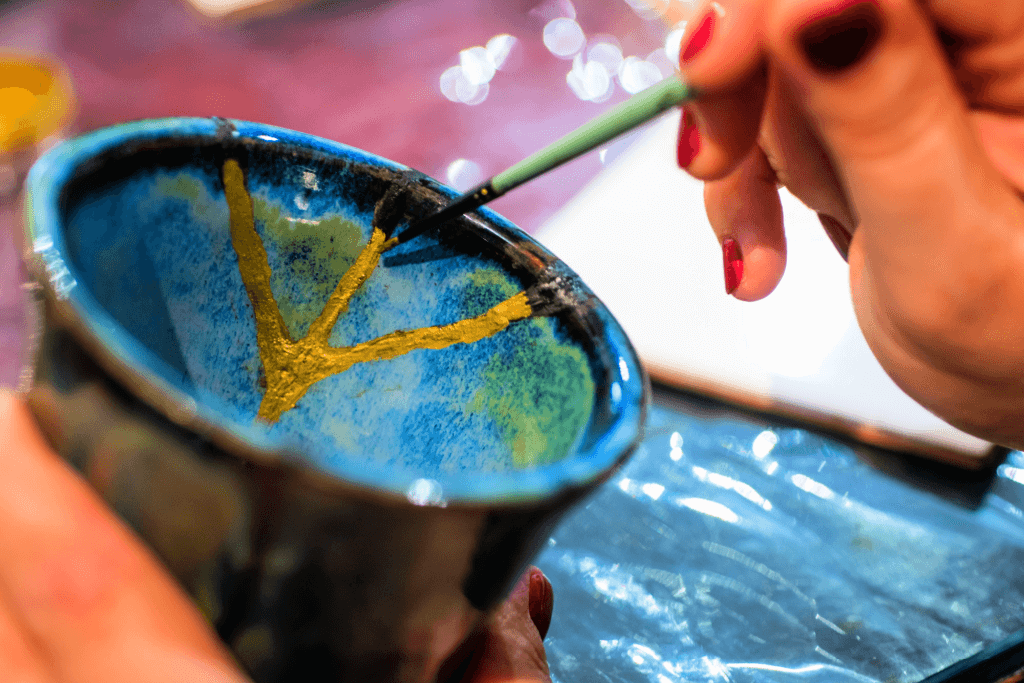
After repairing the pottery, the artisan applies fine gold, silver, or other precious metal dust to the lacquer lines, strikingly contrasting the repaired areas. The metal enhances the visual appeal and adds strength and durability to the restored piece.
As a result, the restoration tells a story of its breakage, repair, and resilience. Kintsugi invites us to appreciate the imperfections and the transformative power of repair, turning something broken into something visually captivating.
Notable Pieces of Kintsugi
Basically, kintsugi has produced several notable pieces that have garnered attention and admiration in Japan and worldwide. These examples testify to the skill and artistry of kintsugi artisans and the enduring appeal of embracing imperfections.
One renowned kintsugi piece is in the Metropolitan Museum of Art in New York City. More specifically, this 16th-century bowl, on display in the museum, showcases intricate golden repairs that enhance its aesthetic appeal and highlight the art of kintsugi. It stands as a testament to the craftsmanship of Japanese artisans during that era.
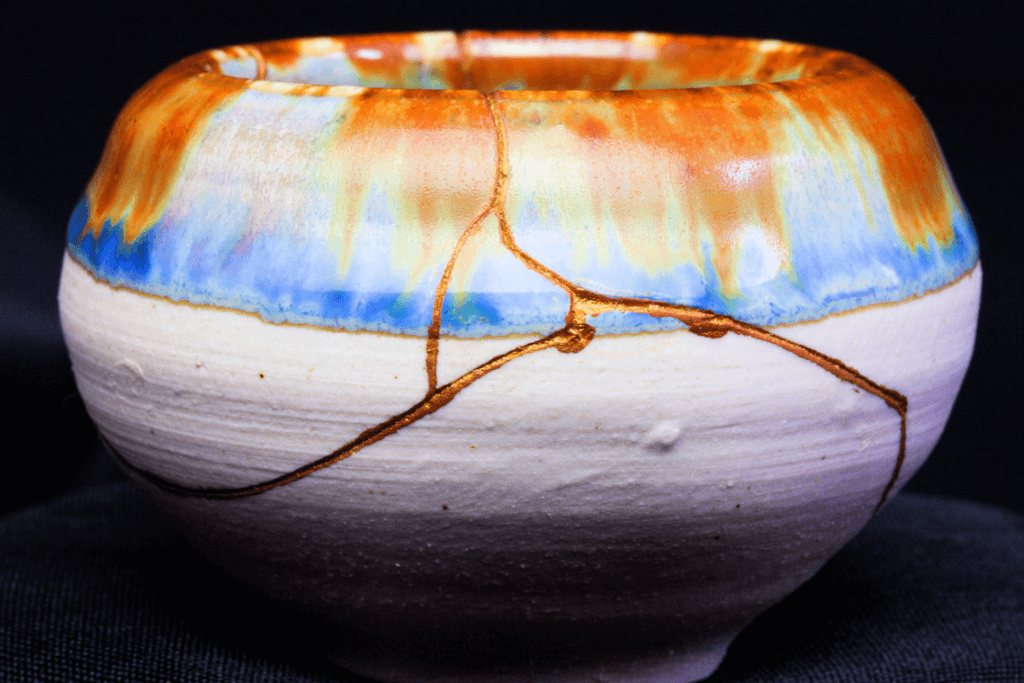
The Hagi Kintsugi Chawan, a style of tea bowl from Hagi, Japan, has also gained recognition for its beautiful golden repairs. This chawan, appreciated by tea ceremony enthusiasts, embodies the spirit of kintsugi, emphasizing the beauty found in imperfection.
Furthermore, kintsugi has expanded beyond restoration and entered the realm of contemporary art. Many artists now intentionally break pottery and apply kintsugi techniques to create new artworks. These pieces showcase craftsmanship and convey the transformative power of repair and the celebration of imperfections.
These notable examples highlight kintsugi’s enduring appeal and significance as an art form, reinforcing its philosophy of embracing imperfections and finding beauty in repair. While each piece is unique, they collectively demonstrate the universal appreciation for the artistry and symbolism of kintsugi.
What does kintsugi mean worldwide?
To emphasize, kintsugi teaches us profound lessons about embracing imperfections and finding beauty in repair. Through its historical origins, philosophical underpinnings, meticulous process, and transformative power, kintsugi reminds us that with love and care, we can put ourselves back together in an extraordinary way. All in all, it encourages us to appreciate the journey, the scars, and the inherent value of embracing imperfection.
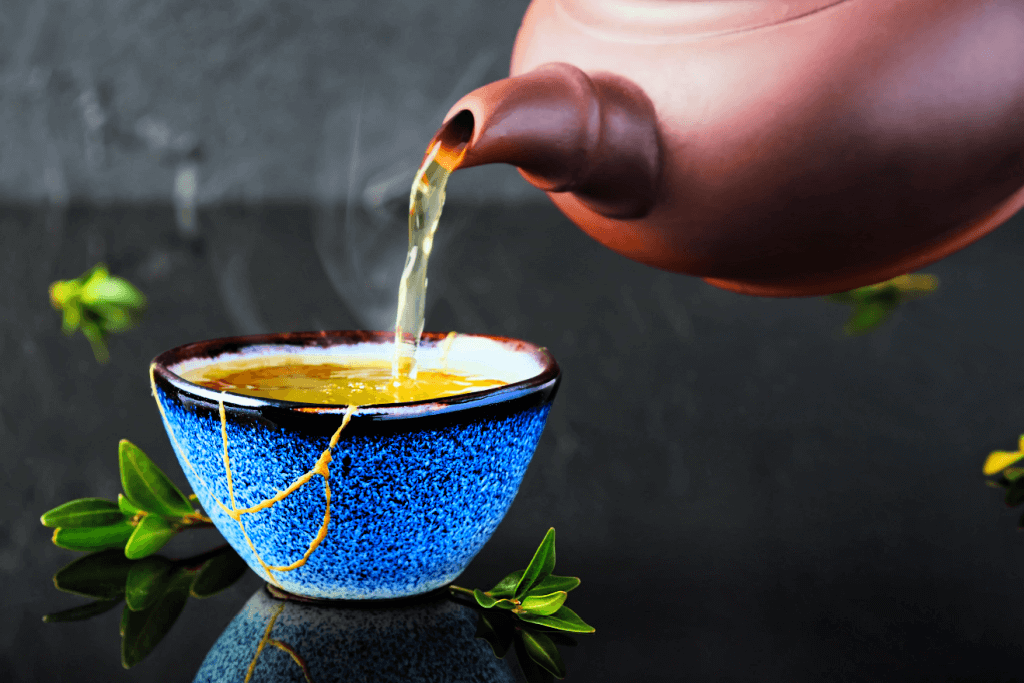
This pottery style extends beyond the realm of pottery repair; it serves as a metaphor for our own lives. Just as kintsugi celebrates the cracks in ceramics, we should honor the unique stories etched into our beings. By embracing our imperfections, we allow ourselves to shine with the brilliance of resilience and authenticity.
All in all, let the art of kintsugi inspire you to view your journey through a different lens, where cracks and flaws become symbols of strength and beauty! Embrace the philosophy of wabi-sabi and discover its undoubtedly profound wisdom within the art of kintsugi! Have you ever seen or tried kintsugi before? Let us know in the comments below!