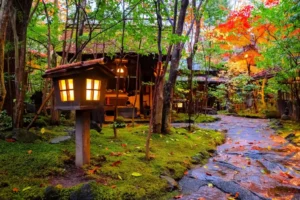
Kyushu Japan: Your Gateway to Nature and Culture!
As one of the four main islands, Kyushu, Japan, is often called the cradle of Japanese civilization. Its proximity to the Asian mainland made it a key gateway for cultural influences.



As one of the four main islands, Kyushu, Japan, is often called the cradle of Japanese civilization. Its proximity to the Asian mainland made it a key gateway for cultural influences.
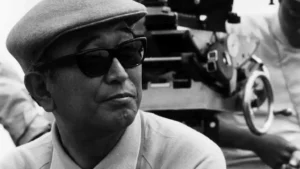
For film lovers worldwide, Akira Kurosawa (1910-1998) is a name that will forever be held in honor and the utmost respect. Arguably the greatest Japanese filmmaker to have lived, Kurosawa was more than just a popular director; he was the driving force that helped open the Western world to Japanese filmmaking.
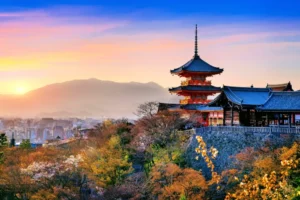
Before Tokyo, Kyoto was Japan’s ancient capital. Because of this legacy, it holds a treasure trove of spiritual sites that draw travelers worldwide. Kyoto shrines are home to centuries of history, and visiting them is a great way to deepen one’s understanding of ancient Japan.
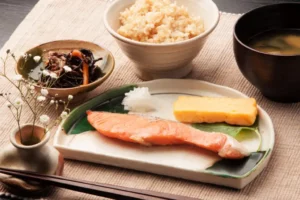
Instead of one big dish, a traditional Japanese breakfast has several small plates that balance flavor, color, and nutrition. It’s about enjoying a peaceful, thoughtful, and fulfilling meal.
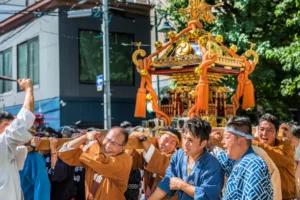
Japan’s summer festivals are known for their energy, color, and tradition. And at the heart of many lies the mikoshi.
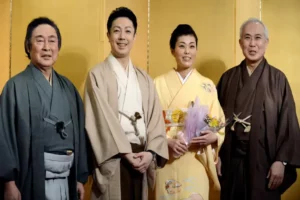
In the world of kabuki, a new name is not a departure. It’s a sign of mastery, legacy, and belonging. These names are carefully passed down through generations, carrying centuries of tradition.
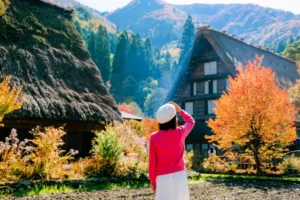
With its many treasured landmarks, Japan has the opportunity to set an example for the world in managing tourism thoughtfully and respectfully.

In Japan, rice is more than just food; it represents culture, tradition, and everyday life. Rice has been a key part of Japanese meals and celebrations for hundreds of years. It is important in matsuri (festivals), rituals, and daily dinners. But lately, many people in Japan have faced a big problem: rising rice prices.
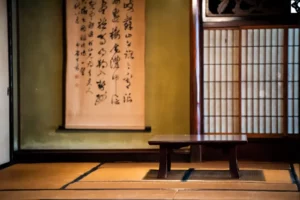
Japanese poetry has enchanted readers for centuries with its elegance, emotional depth, and vivid imagery. Whether carved into wooden tablets or passed down through song, poetry has always played an important role in Japan’s cultural history.
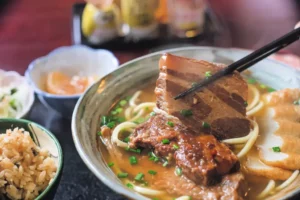
Okinawa Island is a group of tropical islands in the south of Japan. It’s known for its beaches, culture, and how long people live there. Many people in Okinawa live to be over 100 years old! That’s why it’s called one of the world’s Blue Zones, where people live much longer and healthier lives than most.
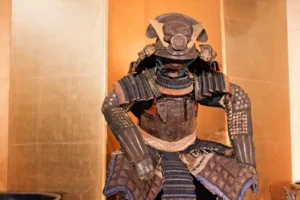
This unusual collaboration between Maltese conservators and Japanese cultural foundations reveals the quiet power of cross-cultural respect. Behind the steel plates and silk cords is a story of shared dedication that bridges continents, languages, and traditions.
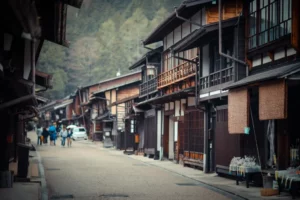
The Showa era in Japan lasted from 1926 to 1989—more than six decades of history packed with change, resilience, and growth. Although it ended over thirty years ago, the Showa era is still everywhere in Japan today.


