
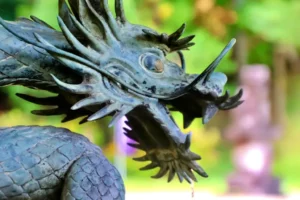
A dragon in a fountain in Nara, Japan.

Nara Japan: The Amazing Legend of the Sacred Dragon

In Japanese culture, dragons are spiritual beings that represent strength, prosperity, and a harmonious balance with the natural forces. Nara, Japan, has a unique story associated with sacred ponds and revered shrines throughout the region.
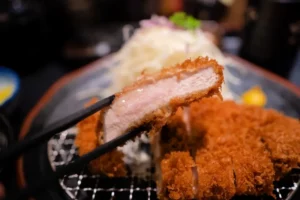
Someone holding a slice of tonkatsu.

Tonkatsu Luxury Restaurants: Best Ones to Try!

Don’t miss out on tonkatsu if you’re traveling to Japan! Tourists often add the meal to their must-eat list because of its delicious and satisfying nature. Even better, you can elevate the experience by going to luxury restaurants across Japan, where you can experience some of the most celebrated pork cutlets.

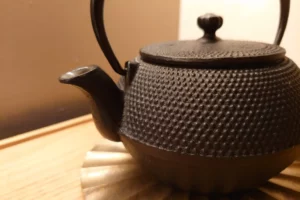
A black Nambu Tekki kettle.

Nambu Tekki: Morioka’s Amazing Iron Craft

In the historic city of Morioka, Iwate Prefecture, a craft with over 400 years of history continues to captivate with its rustic beauty and practical charm. Nambu tekki, or Nambu cast iron, refers to traditional ironware, such as teapots, kettles, and decorative pieces, that embody the spirit of Tohoku craftsmanship.

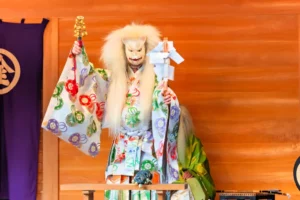
A dancer in a kagura costume.

Kagura and Onsen: The Amazing UNESCO Traditions

Numerous ancient Japanese traditions are so deeply ingrained in daily life that they often go unnoticed. Some are renowned enough to earn a place in the international spotlight naturally. But others can only do so with a bit of help. Today, we’ll focus on two such Japanese traditions: kagura and onsen culture.

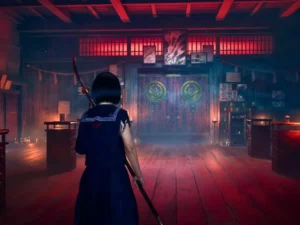
The main character of Silent Hill F holding a sword as she enters a temple.

Silent Hill F and Its Relation to Shintoism

Konami’s Silent Hill series is considered to be one of the greatest and most influential horror franchises in all of gaming, and for good reason. Foregoing typical thrills and explosive action, Silent Hill has established itself as a deeply psychological horror experience.

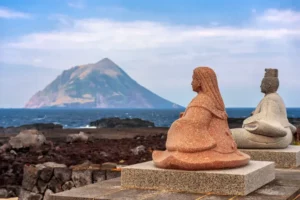
Two statues on a mountain in the Izu Islands.

Izu Islands: Tokyo’s Hidden Volcanic Treasures

There are remote spots that offer escapes from urban life all over Japan. But perhaps none have the same combination of convenience and solitude as the Izu Islands. This chain of nine emerging from the sea just south of Tokyo was shaped by ancient eruptions

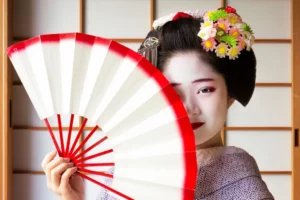
A geisha in heavy makeup showing her fan.

Geisha Makeup: Tradition, Meaning, and Technique

One of the most fascinating aspects of Japanese culture and art are geisha, and their makeup is a significant reason why they continue to captivate the world. The bright white face, red lips, and bold eyes create a look that is instantly recognizable and deeply tied to tradition.

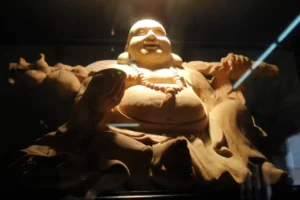
A large statue of the Shinto god Ebisu. He is fat and jolly.

Ebisu: The Cheerful Guardian of Luck and Prosperity

Religion in Japan involves a dizzying array of spirits and beings. These gods are inspired by ancient tales and used to symbolize nature’s bounty. However, they also profoundly impact daily life and are often sought out for help in challenging times

People praying at a shrine during hatsumode.

Hatsumode: Why Is It Japan’s Most Important Tradition?

Hatsumode is the first visit to a shrine or temple in the New Year in Japan, and it is one of the country’s most important traditions. Every year, millions of people participate, demonstrating the profound connection between this custom and daily life.