
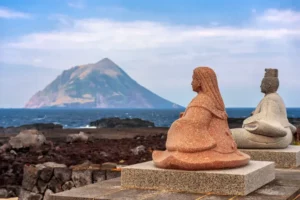
Two statues on a mountain in the Izu Islands.

Izu Islands: Tokyo’s Hidden Volcanic Treasures

There are remote spots that offer escapes from urban life all over Japan. But perhaps none have the same combination of convenience and solitude as the Izu Islands. This chain of nine emerging from the sea just south of Tokyo was shaped by ancient eruptions
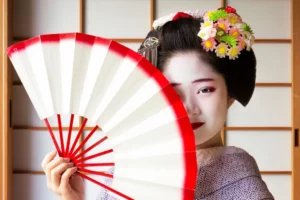
A geisha in heavy makeup showing her fan.

Geisha Makeup: Tradition, Meaning, and Technique

One of the most fascinating aspects of Japanese culture and art are geisha, and their makeup is a significant reason why they continue to captivate the world. The bright white face, red lips, and bold eyes create a look that is instantly recognizable and deeply tied to tradition.

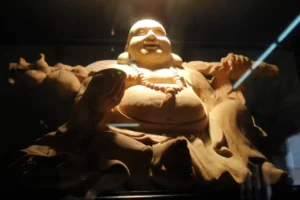
A large statue of the Shinto god Ebisu. He is fat and jolly.

Ebisu: The Cheerful Guardian of Luck and Prosperity

Religion in Japan involves a dizzying array of spirits and beings. These gods are inspired by ancient tales and used to symbolize nature’s bounty. However, they also profoundly impact daily life and are often sought out for help in challenging times

People praying at a shrine during hatsumode.

Hatsumode: Why Is It Japan’s Most Important Tradition?

Hatsumode is the first visit to a shrine or temple in the New Year in Japan, and it is one of the country’s most important traditions. Every year, millions of people participate, demonstrating the profound connection between this custom and daily life.

A green Japanese fish bait (kebari) in a bush.

Japanese Fish Bait: The Beautiful Art of Kebari

Kebari are traditional hand-tied flies used for freshwater fishing in Japan, especially in mountain streams where small insects form the main diet of native fish. Instead of bright plastic lures, kebari use feathers, thread, and natural materials to create subtle movements in the water.

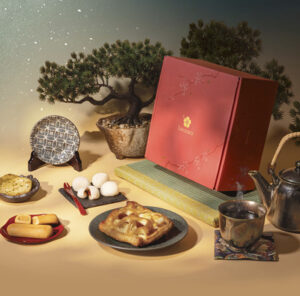
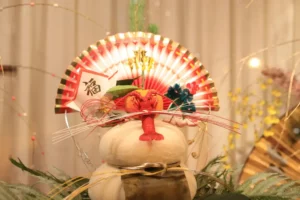
An offering for Toshigami-sama for the New Year's.

Toshigami and the New Year: How Shinto Welcomes a Sacred Visitor

In the Shinto tradition, Toshigami is the deity who arrives at the end of every year and remains through the New Year to bring blessings, a bountiful harvest, and good fortune. People in Japan honor Toshigami at the turn of the year with rituals, decorations, and special foods.

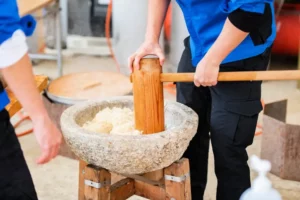
Someone pounding mochi with a wooden mallet.

Mochi: How is Mochitsuki Made in Japan?

Mochitsuki is the Japanese tradition of pounding steamed rice to make mochi for the New Year. Families and neighbors gather to participate in this lively and meaningful tradition. The teamwork involved helps everyone feel a sense of connection.