
Monkey in Japanese Folktales: A Story About the Moon!
One of the best-known Japanese folktales is “The Monkey and the Moon,” in which animals mistake the moon’s reflection for the real thing. The story is a quiet lesson about illusion and reality.
The moon is vital in Japanese culture; it symbolizes change, mystery, and peace. Poetry, folklore, and festivals draw from the nation’s long history with the lunar cycle. Artists across the centuries have used it as inspiration. Some simply tried to capture its beauty or explain its deeper meaning. Japanese moon art in particular captures this.
Gokokucha, or “five-grain tea” in Japanese, is a cozy drink made by roasting and brewing a mix of grains. Instead of being made from tea leaves, this multigrain tea comes from simple ingredients like barley, rice, corn, and buckwheat.
If you’ve ever dreamed of reeling in a big haul of fish with Mount Fuji standing majestically in the background, Shizuoka Prefecture might be your next must-visit destination. A new fishing tour from Heda Port in Numazu welcomes beginners and seasoned anglers.
Kabuki theater, with its dramatic poses, elaborate costumes, and centuries-old traditions, is a dazzling symbol of Japanese culture. But what drives the actors behind the makeup, those who dedicate their lives to this demanding art form?
In Japan, fathers are joining the frontlines of early childcare! More men are leaving the office to feed, soothe, and bond with their newborns, supporting their partners in once rare ways.
Wa, Japan’s ancient name, is one of the most interesting and pivotal moments in its history. More turbulent periods, such as the Sengoku era (15th-16th centuries), have become immortalized in popular media, but the history of ancient Japan are often unknown to many.
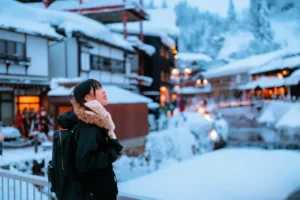
Onsen, or hot springs, are a significant part of Japan’s culture, wellness traditions, and travel experiences. Found throughout the country, these natural baths have been cherished for centuries for their soothing heat and mineral-rich waters.
The junihitoe is one of the most iconic garments in Japanese history. It was once worn by court ladies during Japan’s Heian period and remains a symbol of elegance, culture, and tradition.
The Japanese imperial family has withstood many challenges and is widely respected nationally and globally. However, despite being well into the 21st century, marriage and succession laws have remained unchanged.
Generally, the Japanese kimono is comfortable and straightforward, while others are so valuable that they can cost as much as a car. These traditional garments are enchanting because they connect people to Japan’s history and artistry.
Nagoya City is a gateway to the heart of Japan, seamlessly connected to Tokyo, Kyoto, and Osaka by the high-speed Tokaido Shinkansen. It’s a city where samurai history meets modern creativity, with delicious food, lively markets, and welcoming neighborhoods.
Join our newsletter and receive tasty news and deals
Thanks! We just sent you an email to confirm your subscription. To finish signing up, please click the confirmation link in the email.
Error