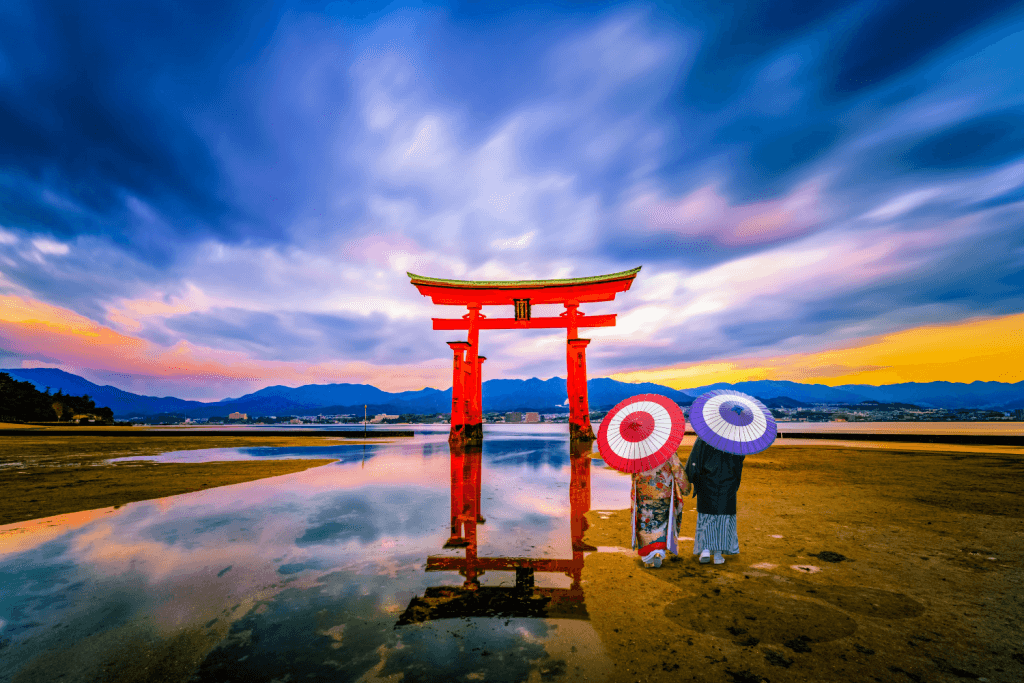



Add a unique touch to your trip by exploring attractions after dark. When the sun goes down, many popular sites that feel too “touristy” by day reveal an entirely different atmosphere. Kyoto offers countless spots like these—temples, shrines, and districts that bustle with crowds in daylight turn into peaceful places for quiet walks and reflection at night.
Wakayama Prefecture has long served as a pilgrimage route and a resource-gathering area in Japan. This still holds true today. Its mountains, coastlines, and sacred grounds still draw people to the area for the same reasons. But today, it also supports modern tourism alongside its traditional fishing and spiritual communities.
Long ago, this quiet region was one of Japan’s main travel routes, connecting people, timber, and knowledge across the country. Today, we’ll explore five sites in Kiso Valley, each with its own story and charm.
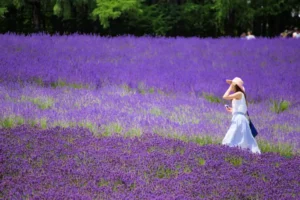
Japan’s seasonal plants and trees bring color to the country each year. However, it may surprise you to know that some of the most popular are not native Japanese plants at all. Lavender is one such seasonal flower that blankets landscapes during the summer months.
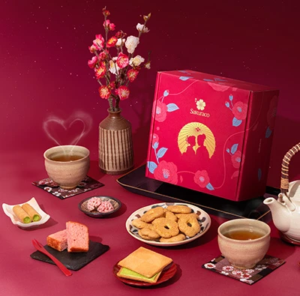
Hello, Sakuraco community! We hope you’re doing well. Here are the winners of the February 2026 Reviewer Contest!
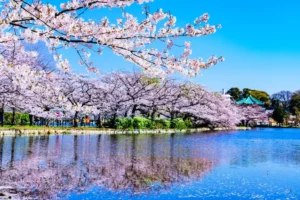
Few places in Tokyo combine history, culture, and nature as clearly as Ueno Park. Located in one of the city’s busiest districts, the park attracts millions of visitors each year. People come to see museums, temples, cherry blossoms, and wildlife at the zoo.