


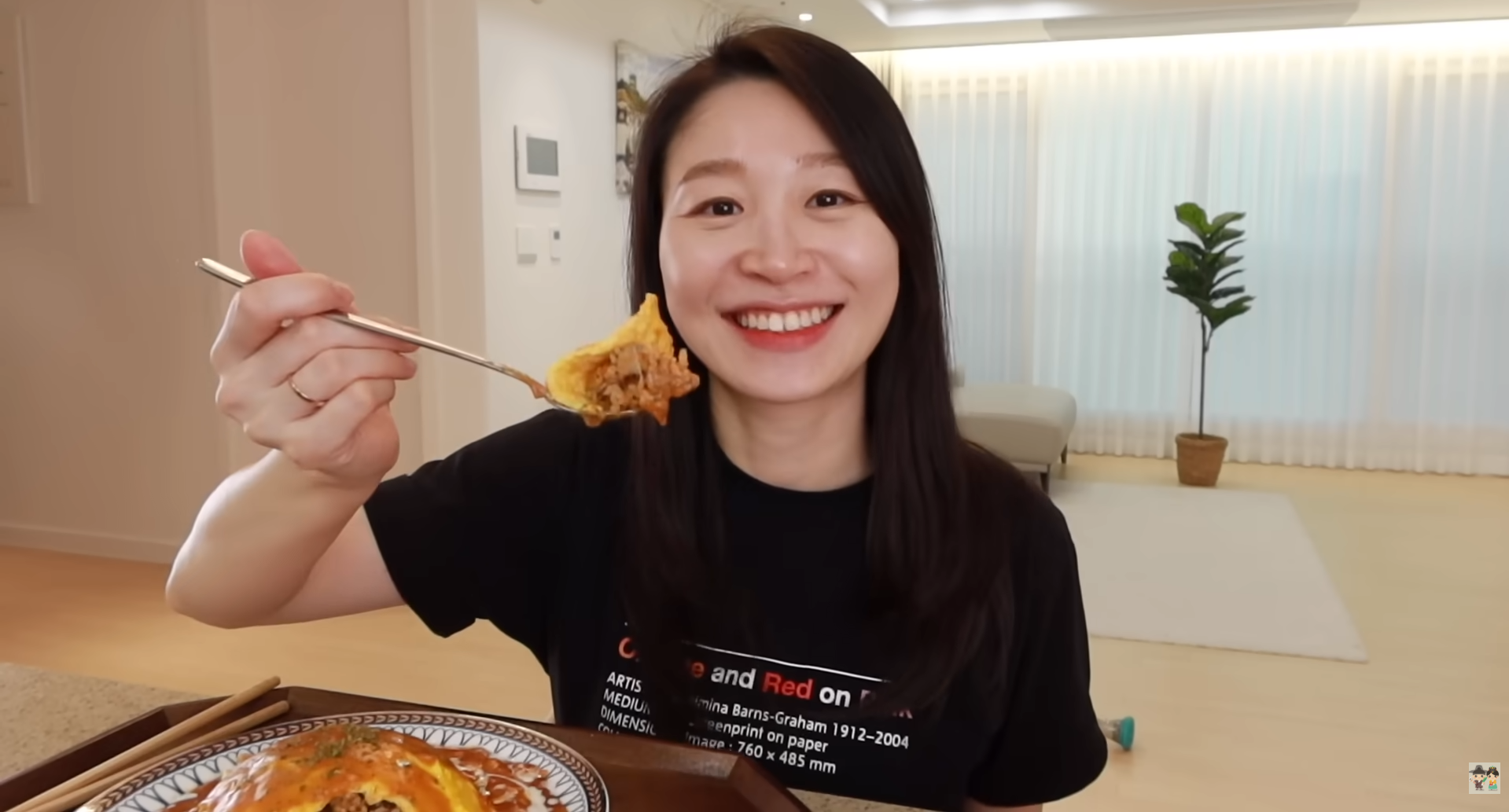
Aaron and Claire are known for making Japanese home cooking feel approachable, practical, and fun to try. Their videos break down classic dishes into clear, realistic steps that work in everyday kitchens. Instead of overcomplicating things, they focus on techniques that actually make a difference. If you have ever watched their videos and thought, “I could make this at home,” these three dishes are perfect places to start.
1. Pork Rice Bowl (Butadon)
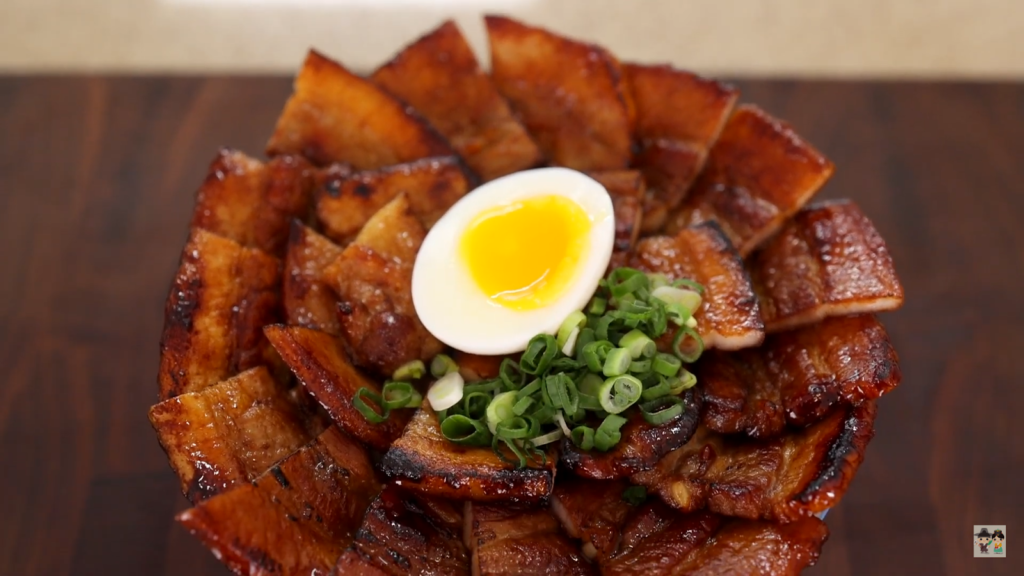
In “The GREATEST Japanese Rice Bowl in 15 Minutes,” Aaron and Claire share their take on Butadon (豚丼), a classic Japanese pork rice bowl. Traditionally, Butadon is a simple, affordable dish often found at casual spots like Yoshinoya. Aaron keeps that comforting base while adding small upgrades that improve flavor and presentation.
The dish originated in Hokkaido as a filling meal built around pork, rice, and a sweet-savory sauce. Aaron uses pork belly for its tenderness and rich fat, paired with garlic, ginger, and green onions. The sauce combines soy sauce, sake, mirin, sugar, and hondashi, simmered until glossy so it clings to the meat.
One standout step is finishing the pork with a kitchen torch. This adds light char and a smoky aroma, making the dish feel more polished without adding much effort. Served over plain rice with optional soft-boiled egg and green onions, this Butadon is easy to recreate and deeply satisfying.
👉 Watch the Butadon recipe by Aaron and Claire
2. Omurice with Homemade Brown Sauce
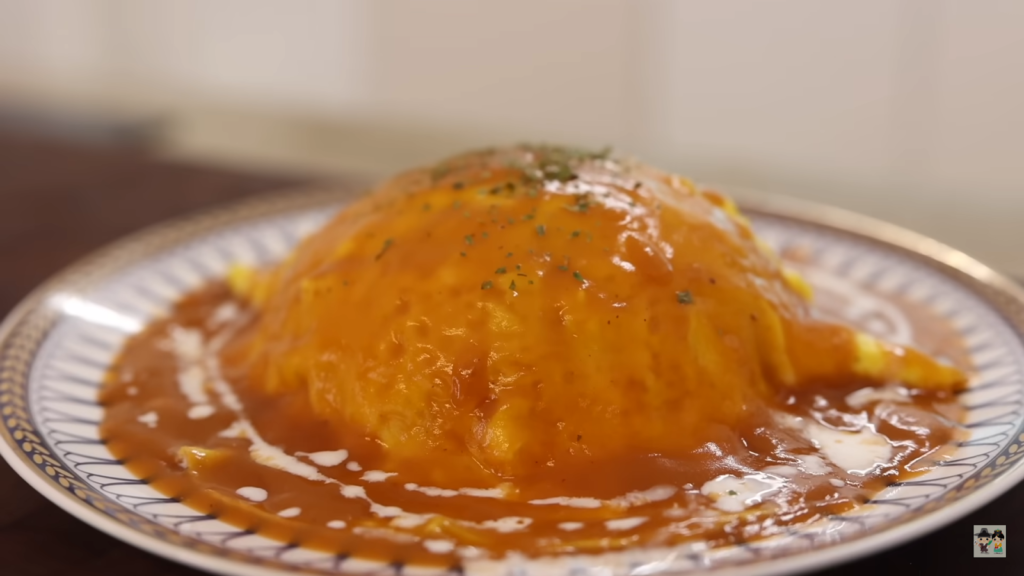
In “Upgrade Your Fried Rice With This Japanese Classic | Omurice,” Aaron and Claire tackle Omurice (オムライス), one of Japan’s most recognizable comfort foods. Omurice blends Western-style fried rice with Japanese flavors, topped with a soft omelet.
First appearing in the early 1900s, Omurice became a staple home dish across Japan. Aaron and Claire keep the recipe approachable while elevating it slightly with a homemade brown sauce. The fried rice uses everyday ingredients like ground beef, garlic, onion, carrot, and day-old rice, making it easy to adapt based on what you have.
The brown sauce adds richness without feeling heavy. Made from butter, flour, ketchup, Worcestershire sauce, mirin, sugar, and chicken bouillon, it brings the dish together. Aaron also notes that plain ketchup works if you want to keep things extra simple. A helpful plating tip is shaping the rice with a bowl before flipping it onto the plate. Once the omelet is placed on top and the sauce is poured over, the dish feels nostalgic, comforting, and surprisingly elegant for something made at home.
👉 Watch the Omurice recipe by Aaron and Claire
3. Braised Pork Belly (Buta no Kakuni)
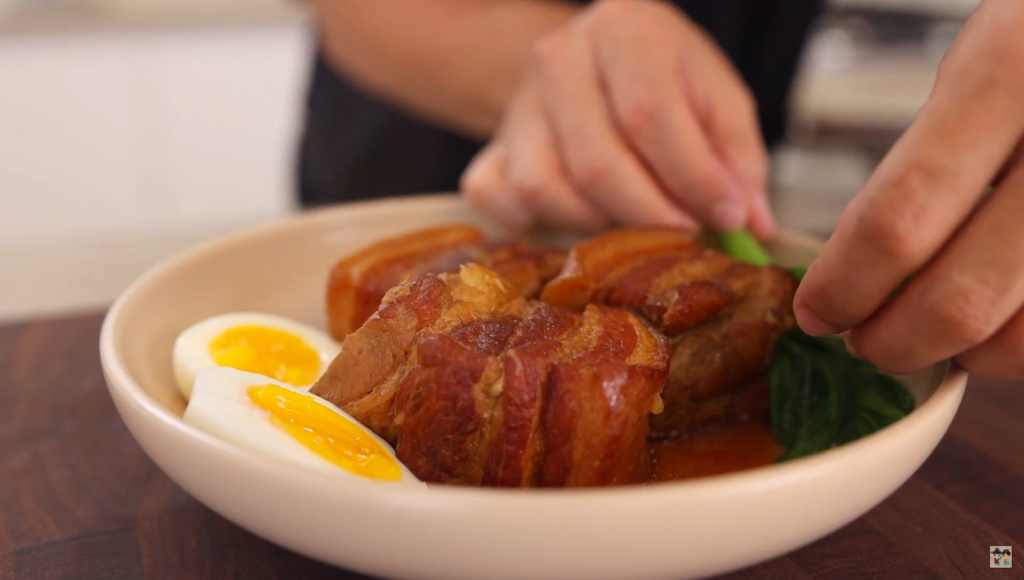
For a slower, more indulgent dish, Aaron and Claire’s Buta no Kakuni is worth the wait. While this recipe takes time, the steps themselves are simple, and most of the cooking happens during the long simmer. Buta no Kakuni is made with thick cubes of pork belly braised in a seasoned broth until extremely tender. Aaron simplifies the process by using Hondashi instead of making dashi from scratch. Combined with soy sauce, mirin, sake, sugar, and water, it creates a balanced braising liquid with minimal prep.
Aaron slowly renders and browns the pork before transferring it to the pot with ginger, garlic, onion, and green onions. He uses an otoshibuta, or drop lid, to keep everything submerged and shows a parchment paper alternative for home cooks. After about 2.5 hours, the pork becomes deeply flavorful and soft enough to cut with ease.The dish is finished with soft-boiled eggs and blanched baby bok choy. Claire adds Japanese mustard to her portion, which cuts through the richness and adds contrast. It is a dish that feels special but still achievable with patience.
👉 Watch the Buta no Kakuni recipe by Aaron and Claire

Why These Dishes Are Worth Recreate
What makes Aaron and Claire’s recipes so easy to recreate is their balance between tradition and practicality. Each dish stays true to Japanese comfort food while using techniques and shortcuts that make sense for home cooks. There is no unnecessary complexity, just clear steps and thoughtful explanations. Whether you want something quick or a dish that simmers slowly in the background, these recipes show how accessible Japanese home cooking can be.
Experience Japan at Home with Sakuraco
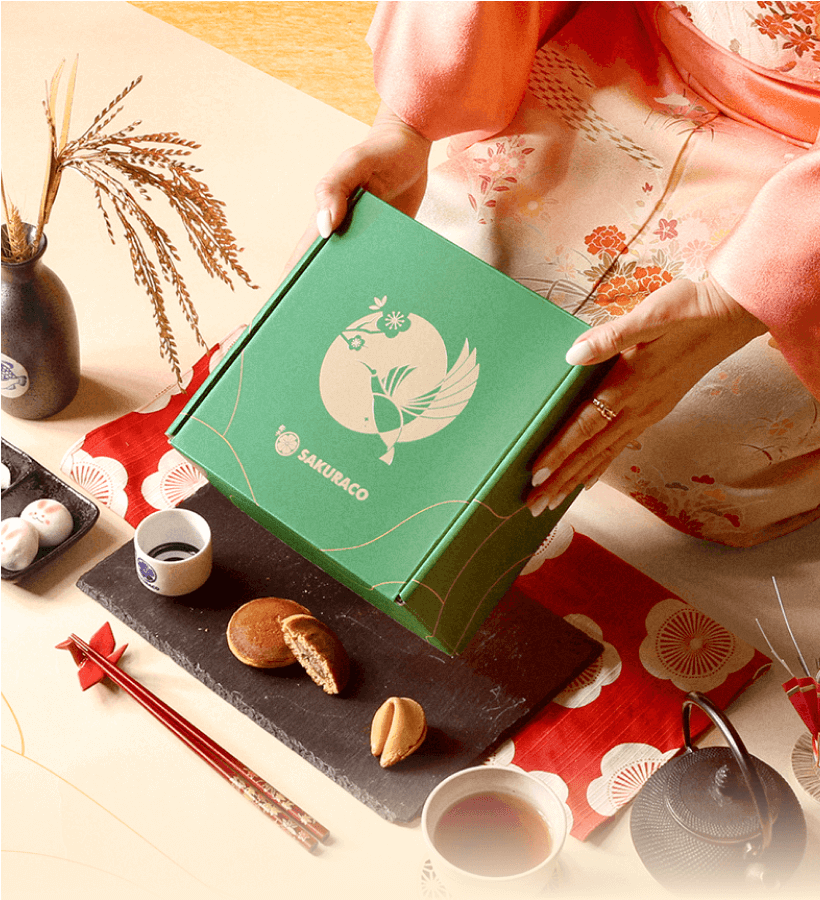
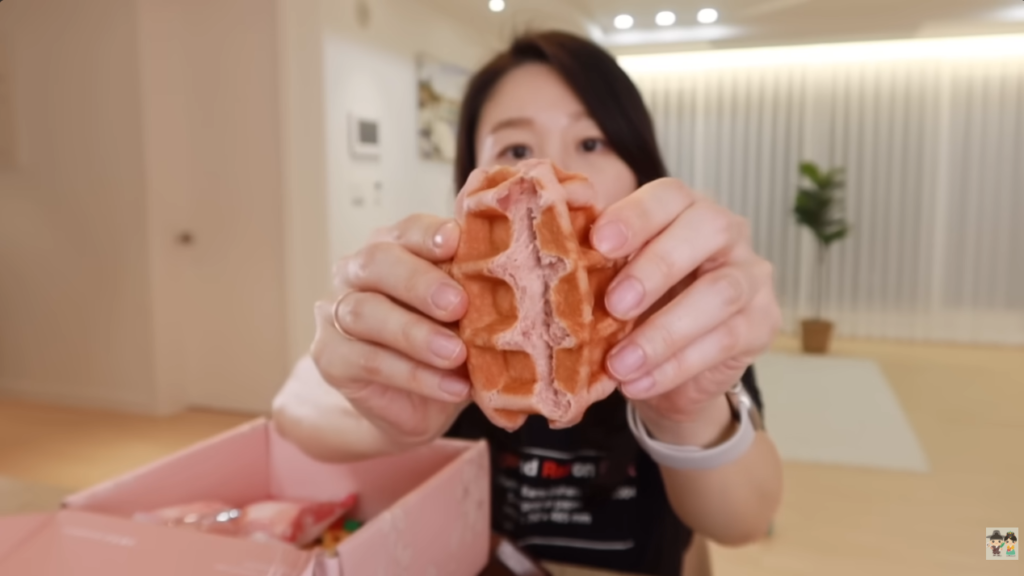
Just like Aaron and Claire make Japanese food feel approachable in the kitchen, Sakuraco offers a simple way to explore Japanese flavors at home. By focusing on traditional snacks and regional specialties, Sakuraco highlights everyday treats enjoyed across Japan. Each box follows a seasonal theme and includes artisanal sweets, Japanese tea, and a piece of handcrafted tableware. A detailed booklet explains each snack, its regional background, and the makers behind it, turning every box into a small cultural experience. For anyone who enjoys cooking along with Aaron and Claire or discovering Japanese food beyond recipes, Sakuraco feels like a natural extension of that curiosity.
🎟 Use code ANC to get $5 off your first Sakuraco box here