


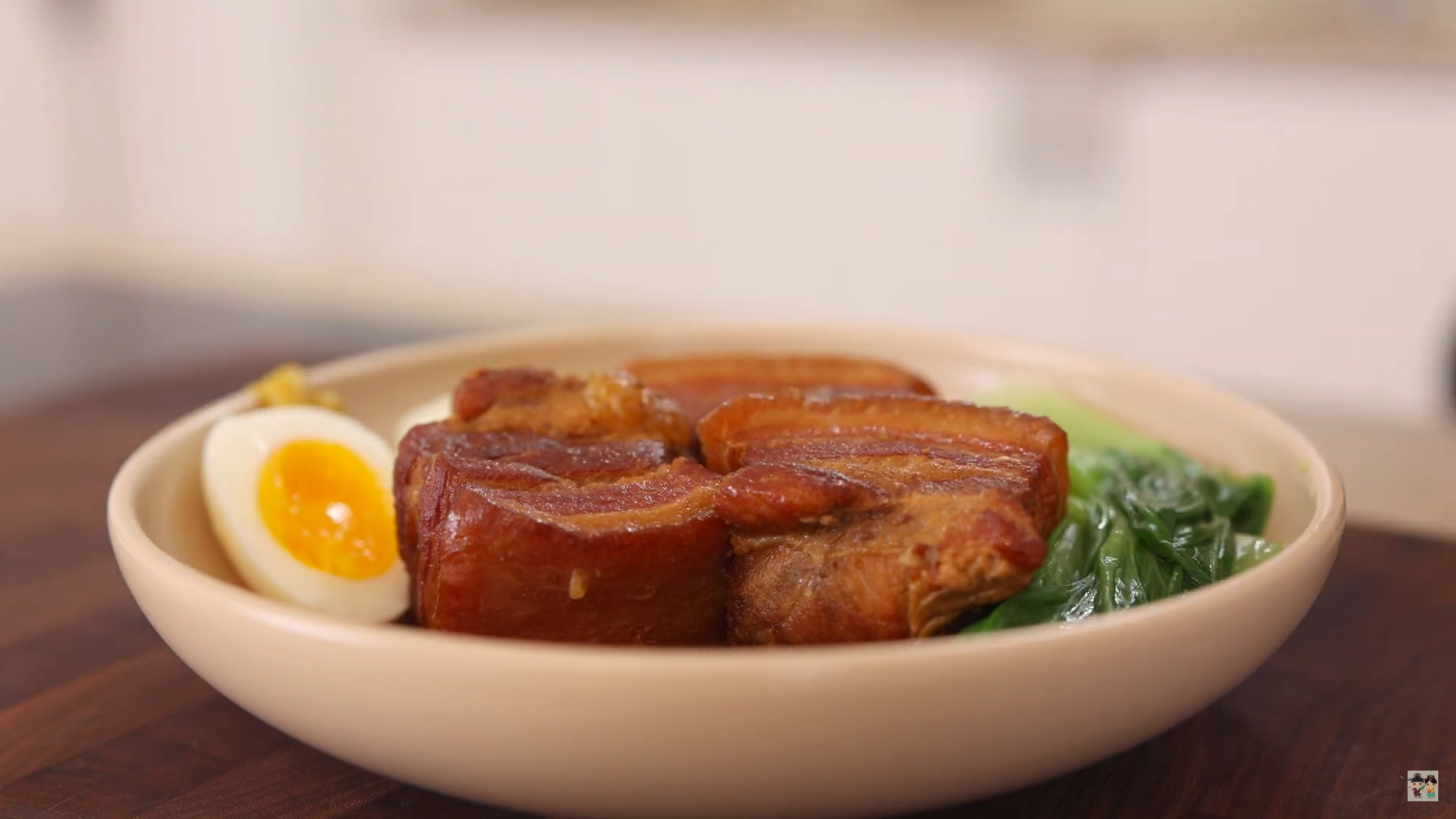
If you want a Japanese dish that’s rich, tender, and simple to follow, Aaron and Claire show exactly how to make it in this episode. Aaron prepares Buta no Kakuni, a classic braised pork belly dish renowned for its rich flavor and tender texture. The recipe takes more time than his usual videos, but the steps are straightforward and don’t require special tools. It’s easy to follow even if you’re not used to slow-cooking dishes.
Aaron explains what makes this dish different from other pork recipes. The long simmering time allows the broth to absorb into the meat, creating a melt-in-your-mouth texture. He even jokes that someone without teeth could enjoy it. While the cooking time is long, the method stays simple, and the main challenge is just waiting for the pork to become tender.
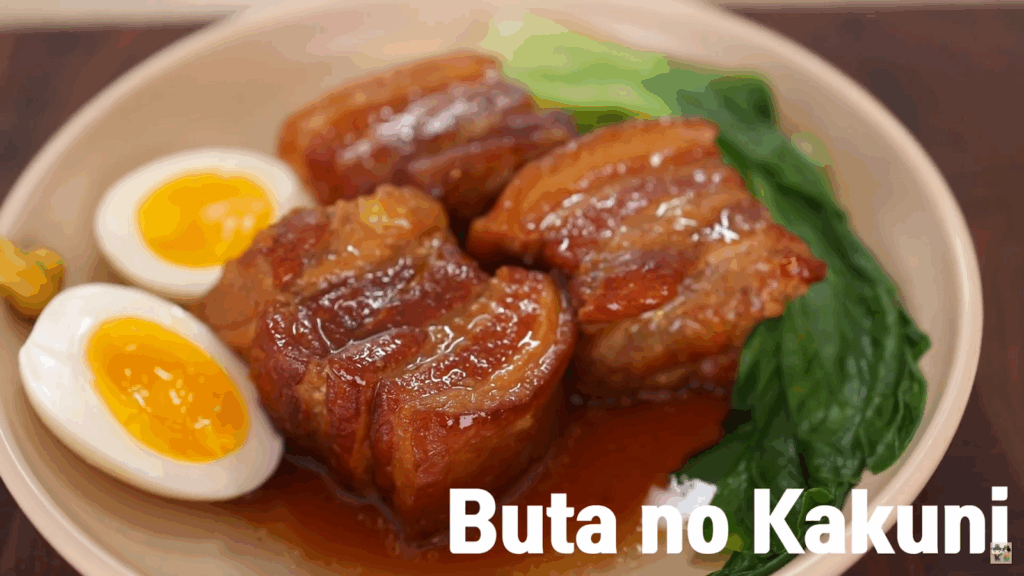
Image via Aaron and Claire
What is Buta no Kakuni?
Buta no Kakuni is a traditional Japanese dish made with thick cubes of pork belly simmered in a seasoned broth. The flavor is derived from soy sauce, mirin, sake, sugar, ginger, garlic, and other aromatic ingredients. Although people often associate it with restaurants or home-style Japanese cooking, Aaron breaks the recipe into easy steps so anyone can make it at home.
In Japan, this dish is sometimes regarded as a special meal due to its lengthy cooking time. Aaron highlights that the effort itself is minimal. All you need are basic tools, simple ingredients, and a bit of patience. By the time the pork finishes simmering, it develops a rich flavor and soft texture that makes the wait worthwhile.
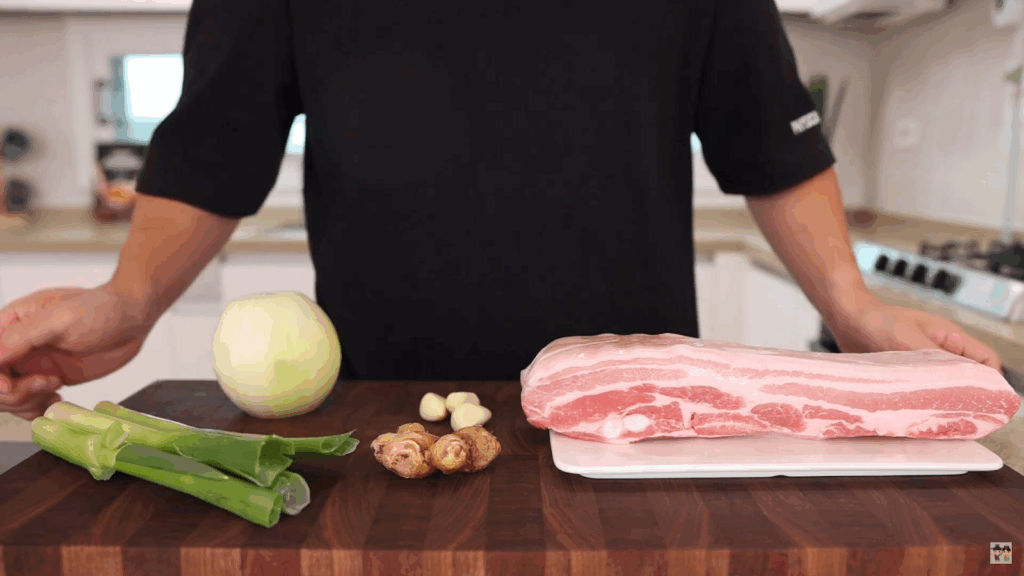
Image via Aaron and Claire
Ingredients You’ll Need
Aaron keeps the ingredient list simple. You only need pork belly, ginger, garlic, onion, and green onions. These aromatics develop enough flavor during the simmer. For plating, he also suggests adding baby bok choy and soft-boiled eggs. These are optional, but they help make the final dish look more complete. Instead of making traditional dashi, Aaron uses Hondashi. Mixing it with water, soy sauce, mirin, sake, and sugar creates a balanced braising liquid. This shortcut reduces preparation time while still giving the pork plenty of flavor, as it simmers for hours.
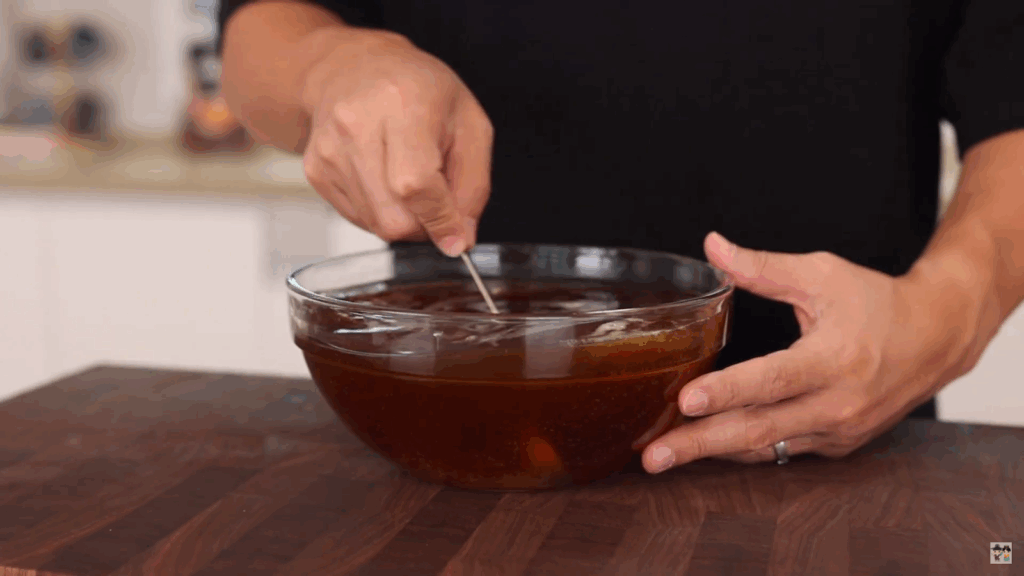
Image via Aaron and Claire
Preparing the Braising Liquid
Aaron prepares the braising liquid by dissolving Hondashi in water. This replaces the usual step of boiling kombu and bonito flakes. He adds soy sauce, mirin, sake, and sugar to complete the seasoning. The mixture comes together quickly and becomes the broth that the pork will absorb during the long simmer. For aromatics, Aaron uses sliced ginger, crushed garlic, onion, and green onions. He notes that peeling the ginger isn’t necessary as long as it’s washed well. These aromatics remain in the pot throughout the simmer, adding depth to the broth with minimal effort.
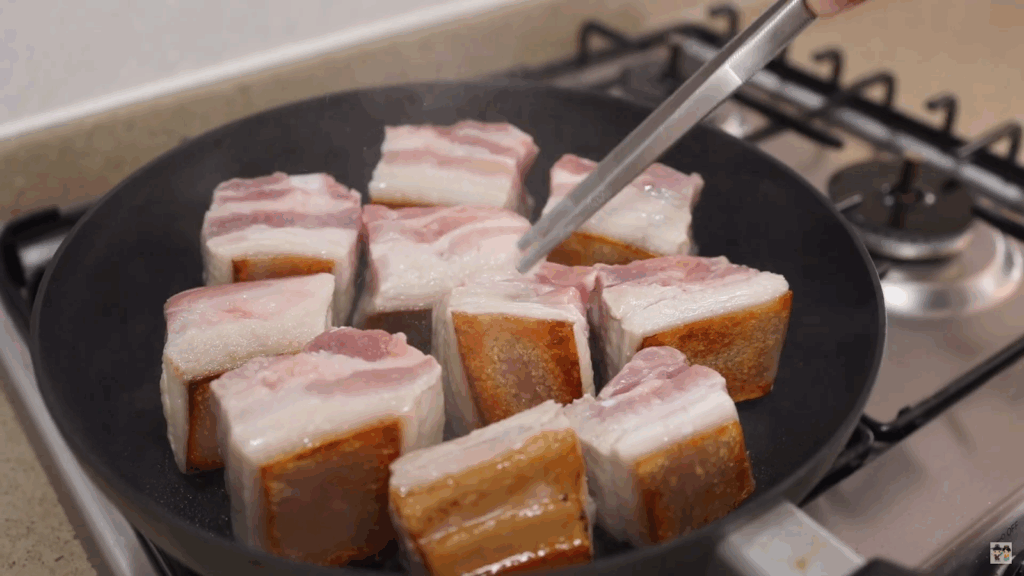
Image via Aaron and Claire
Cooking the Pork Belly
Aaron cuts a large piece of pork belly into thick, two-inch cubes. This size helps the pork hold its shape during cooking and absorb flavor evenly. He places the pork in a cold pan, skin-side down, and gradually brings up the heat. This helps render the fat slowly and prevents splattering. As the pork browns, Aaron rotates each piece until all sides are golden. Then he transfers the pieces to a heavy pot and adds the ginger, garlic, onion, and green onions.
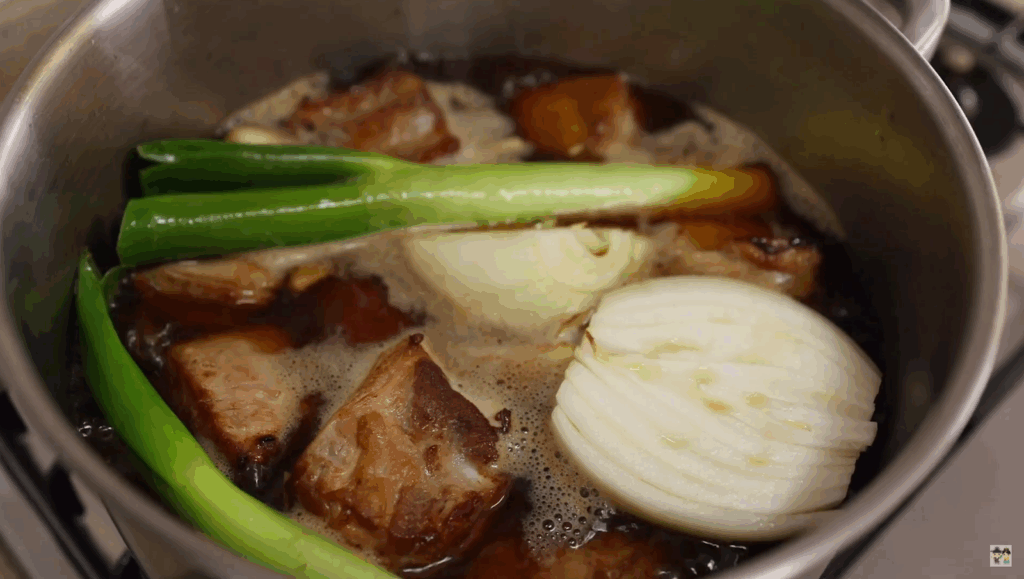
Image via Aaron and Claire
He pours in the braising liquid and brings it to a boil. Once it boils, he reduces the heat and places an otoshibuta, or drop lid, on top. This keeps the pork submerged, helping it cook evenly. If you don’t have a drop lid, Aaron demonstrates how to make one using parchment paper. After setting everything up, he simmers the pork for 2.5 hours.
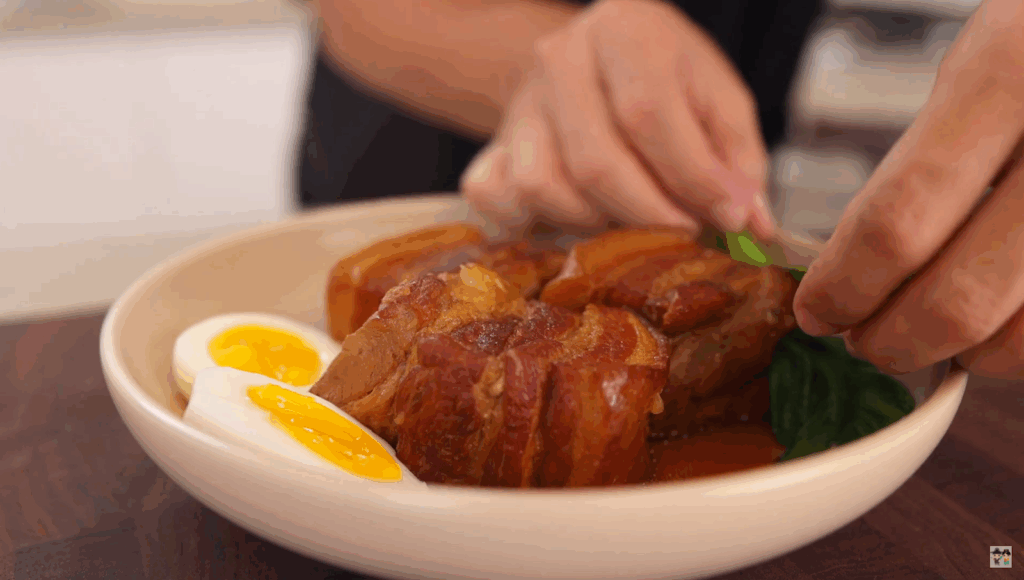
Image via Aaron and Claire
The Finished Dish
After simmering, the pork becomes incredibly tender and flavorful. The color deepens, the edges soften, and the meat becomes easy to cut. Aaron plates the pork with some of the braising liquid and adds soft-boiled eggs and blanched baby bok choy. These sides help balance the richness and make the dish look more like a restaurant version.
Claire tries the finished Kakuni and reacts immediately to its softness. She adds Japanese mustard, which cuts through the richness and adds a sharp contrast. Even though she waited for hours, she agrees the dish is worth the time. The long simmer builds a deep flavor that pairs well with the mustard and the simple sides.
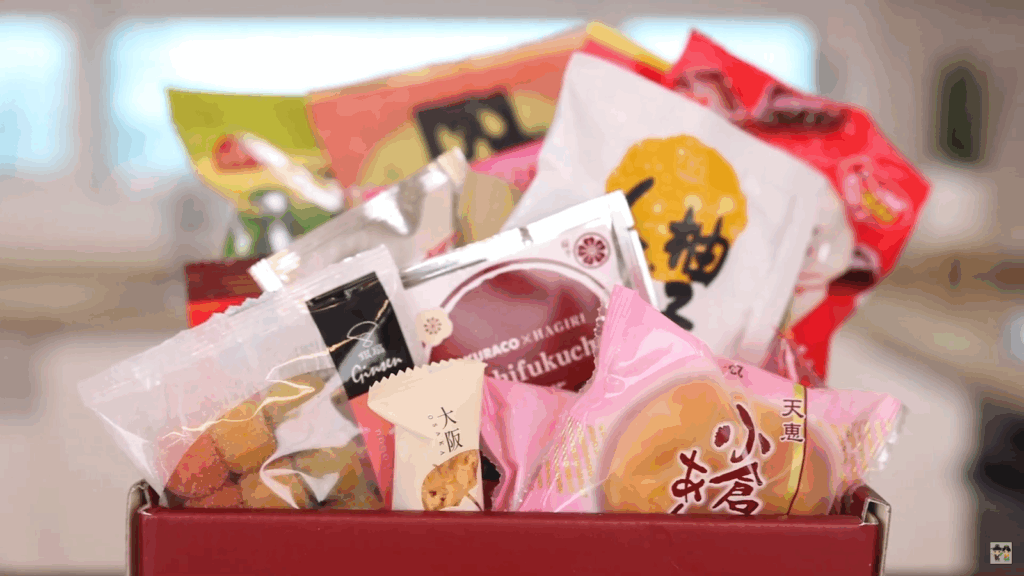
Image via Aaron and Claire
Experience Japan at Home with Sakuraco
In the video, Aaron also introduces Sakuraco, a Japanese snack subscription box focused on traditional treats. Each box includes regional snacks, Japanese tea, and a piece of tableware from local artisans. A booklet explains each snack, its background, and the makers behind it. It offers an easy way to enjoy Japanese culture at home. The snacks follow seasonal themes and showcase different regions in Japan. For viewers who enjoy exploring Japanese food, the box provides variety and clear explanations for each snack. It’s a simple way to try new flavors without needing to travel.
🎟 Use code ANC to get $5 off your first box here.
Make It This Weekend
Aaron’s Buta no Kakuni is an excellent option if you want a dish that feels special but uses simple steps. The recipe is approachable, the ingredients are basic, and the long simmer does most of the work. The dish pairs well with vegetables or rice and fits Aaron and Claire’s style of easy, comforting cooking. If you’re looking for a Japanese recipe that delivers a lot of flavor with minimal stress, this one is worth trying. Once you taste it, it’s easy to see why Aaron considers it one of the best pork dishes to make at home.
👉 Watch “The GREATEST Japanese PORK Dish Ever! Buta no Kakuni” on Aaron and Claire’s YouTube channel here.