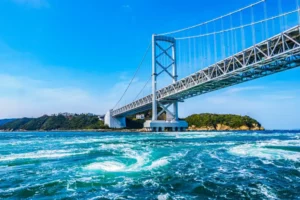
Tokushima: Five Beautiful Sights to See!
Tokushima is one of the less visited prefectures in Japan because it is off the main island. But it has its unique charms that are worth seeing and doing.



Tokushima is one of the less visited prefectures in Japan because it is off the main island. But it has its unique charms that are worth seeing and doing.
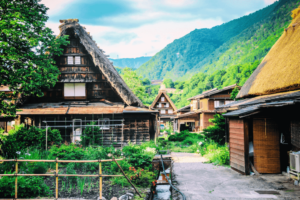
Gifu Prefecture is a beautiful place to visit during your next visit to Japan! It’s famous for its delicious local delicacies such as Hida Beef
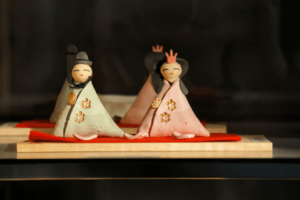
Tokugawa Art Museum is one of the must-see art museums in Japan, especially if you want a reason to travel outside Tokyo. In addition to the Tokugawa Art Museum, there are other great museums to visit.

Japan has many types of hotels, from modern to traditional–something for everyone! Some of the most exciting hotels are also located outside of Tokyo.

Sapporo is the capital of Hokkaido, the largest prefecture in Japan, and is known for its festivities, such as the Hokkaido snow festival held in Odori Park.
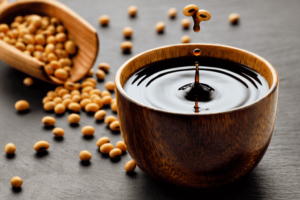
Welcome to Japanese flavors, where a common sight on restaurant tables is Japanese soy sauce. We’ll look closer at the story behind Japanese soy sauce, from its history to its varieties.

Hiking is a great way to explore Japan outside of visiting the hustling and bustling city centers of major cities. In these regions, there are typically several hiking trails you can take.
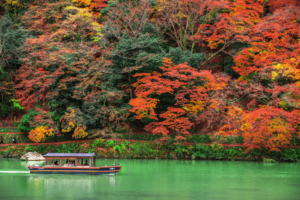
Arashiyama is a city that is about thirty minutes from Kyoto Station. Like Kyoto, it has a rich history and various experiences and attractions. Let’s look closer at the area and see what you can discover there!
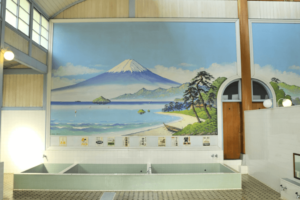
When visiting Japan, one of the buildings you may encounter while walking around is sento (a public Japanese bathhouse). These bathhouses are a more practical alternative to onsen, with a vibrant history.
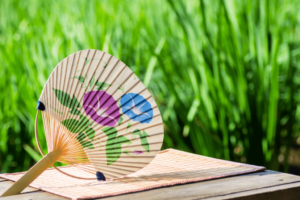
During hot summer days in Japan, people use an uchiwa. With its paddle-like shape, the uchiwa is a handheld fan, providing a refreshing breeze with a simple wrist flick.

Jasmine, or sanpin tea, is a popular beverage among the people of Okinawa, who are well-known for their long life expectancy. Okinawa also offers guava tea, mugwort tea, turmeric tea, goya tea, and cat whiskers tea.
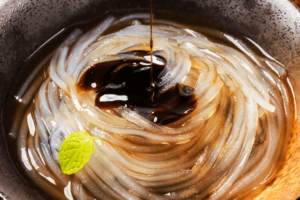
You may come across some sweet arrowroot noodles during summer in Japan when you eat traditional Japanese desserts. These noodles are kudzu noodles or kuzukiri.


