
Author: Savannah Walker

Konnyaku in a basket in three different forms: large slice, shirataki noodles small balls.

Konnyaku: The Awesome Story Behind Konjac Root

Konnyaku may not be the most famous food outside of Japan, but it has quietly shaped Japanese cooking and culture for over 1,500 years. With its gentle, chewy texture and nearly flavorless taste, konnyaku is a versatile ingredient that slides effortlessly from hotpots to desserts, adding a little bounce and a lot of health benefits.

A field in Biei town in Hokkaido during the summer .

Hokkaido: Amazing Places to Enjoy This Summer!

With endless fields of flowers, misty lakes, fresh mountain breezes, and gentle festivals, Hokkaido’s summer is a world uniquely its own. Let’s look at explore five locations worth visiting during this time of year!

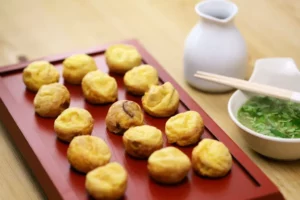
Tanuki dango branded with images of Mount Fuji.

Mount Fuji Snacks That You Need to Try This Summer!

Mount Fuji, Japan’s highest and most iconic peak, has long served as a muse not just for artists and poets, but also for confectioners. Its symmetry and snow-capped grandeur make it an ideal motif for culinary artisans nationwide. These treats capture the spirit of Fuji in edible form, reflecting regional ingredients, seasonal symbolism, and time-honored techniques.

A main in Shizuoka painting Mount Fuji in Japan.

Mount Fuji Japan: Five Famous Artworks That Celebrate Its Beauty

Mount Fuji in Japan is one of the most notable cultural symbols in the world. Rising gracefully to 3,776 meters (12,388 feet), it has inspired poets, pilgrims, and painters for centuries. Artists see Fuji not only as a mountain, but as a sacred form, unchanging yet always different depending on the light, season, or mood. 

A plate of agemochi, wrapped in seaweed.

What Is Mochi When You Fry It? It’s Agemochi!

Agemochi is a deep-fried mochi snack that is crunchy on the outside and full of rich flavor. It differs from fresh mochi but is still made from the same rice base. People of all ages love this tasty treat and is easy to find in shops around Japan.

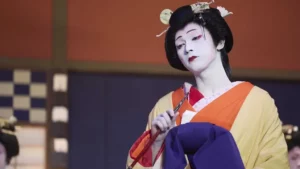
Onoe Kikugoro VII (fka Onoe Kikunosuke V) pictured with his wife, father and grandfather.

Kabuki Actor in Tokyo Has a Legendary Name Change

In the world of kabuki, a new name is not a departure. It’s a sign of mastery, legacy, and belonging. These names are carefully passed down through generations, carrying centuries of tradition.

A low table in front of a scroll of Japanese poetry.

Japanese Poetry: A Look at the Art of Words

Japanese poetry has enchanted readers for centuries with its elegance, emotional depth, and vivid imagery. Whether carved into wooden tablets or passed down through song, poetry has always played an important role in Japan’s cultural history.

A suit of samurai armor.

Samurai Armor Restored by Maltese Artisans for Osaka Expo

This unusual collaboration between Maltese conservators and Japanese cultural foundations reveals the quiet power of cross-cultural respect. Behind the steel plates and silk cords is a story of shared dedication that bridges continents, languages, and traditions.

A Showa era town in Japan.

Showa Era: Why Do People in Japan Still Love It?

The Showa era in Japan lasted from 1926 to 1989—more than six decades of history packed with change, resilience, and growth. Although it ended over thirty years ago, the Showa era is still everywhere in Japan today.

An enka singer in a pink kimono singing somewhere in Atami.

Enka: The Classic Japanese Popular Music Genre!

If you’ve ever felt the emotional pull of a song that tugs at your heartstrings, then you’ve probably experienced the magic of enka. This unique genre of Japanese music, born in the 1950s, is known for its deep emotional resonance, soulful ballads, and beautiful blend of traditional and modern influences.

A female artisan wearing an apron and smiling at the camera.

Artisans in Japan: Why Are They Masters of Their Trade?

Have you ever held something so beautifully made that you couldn’t help but admire every little detail? Maybe a hand-carved wooden bowl, a perfectly folded kimono, or even a sushi roll that looked too good to eat? These masterpieces come from artisans who dedicate their lives to perfecting their craft.