



Featured in Sakuraco’s June booklet.
In Japan, festivals are exciting events where you can also indulge in various foods and snacks. Our founder Ayumi has hand-selected some of her favorite festival flavors to share with you. Which did you receive?
Ume Renkon Chips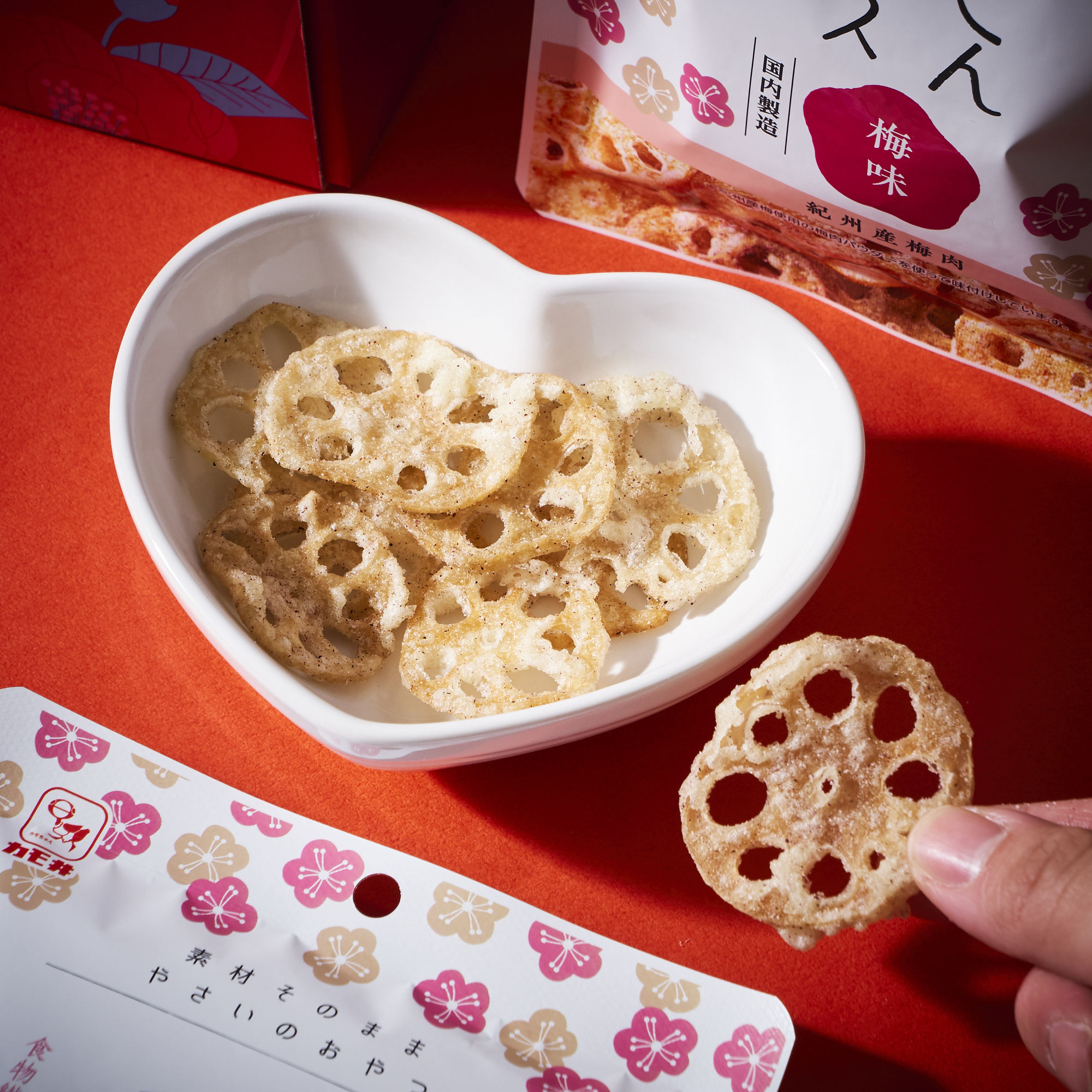
By Kamoi Foods Industry (Okayama)
Common Allergens: Egg, Dairy, Soy
May Contain Traces Of: N/A
Vegetarian Friendly: Yes
Invigorate your palate with the enticing flavors of these chips—where lotus roots, or renkon, are meticulously fried to achieve a light texture, complemented by the subtle sourness of a plum seasoning.
Shoyu Okaki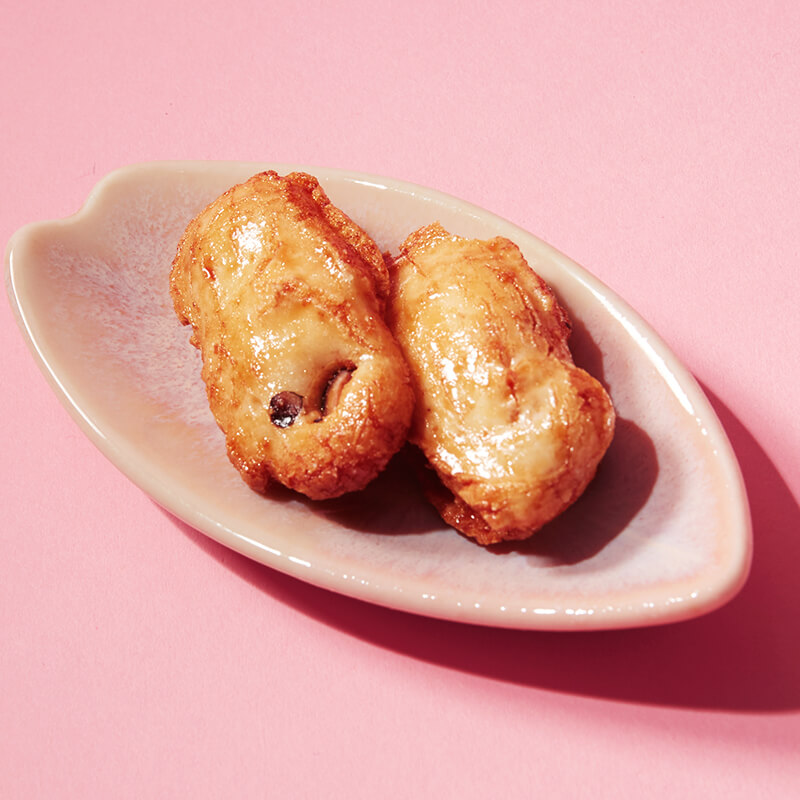
By Taihei Confectionery (Aichi)
Common Allergens: Wheat, Soy
May Contain Traces Of: Egg, Dairy, Shrimp, Crab, Peanuts, Pork, Yam, Sesame
Vegetarian Friendly: Yes
Savor the authentic taste of these rice crackers, enhanced with the richness of sweet soy sauce and crafted with precision using 100% domestically sourced glutinous rice.
Kinako Senbei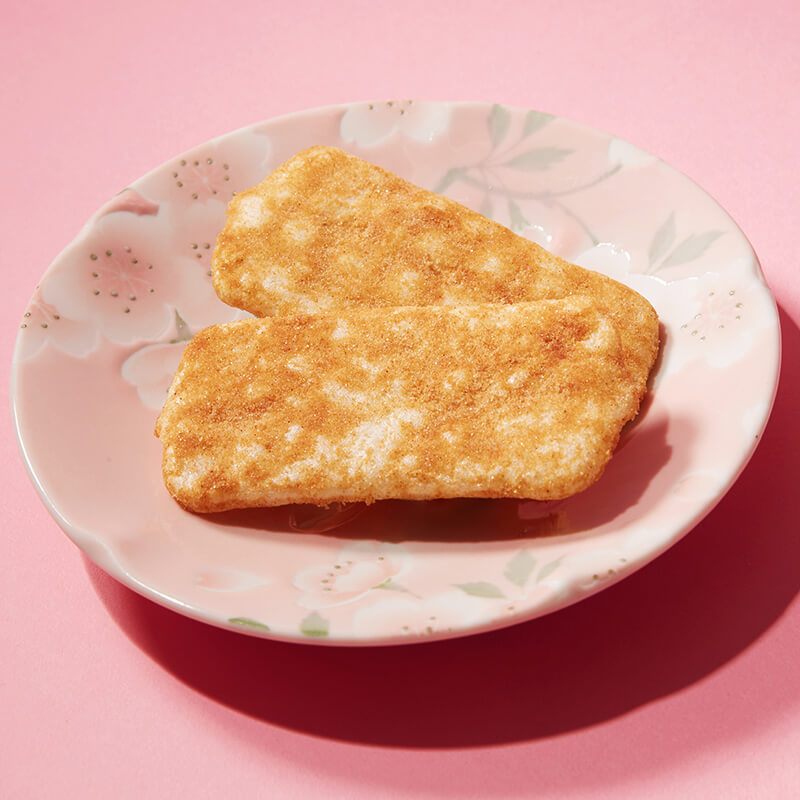
By Iwatsuka Confectionery (Niigata)
Common Allergens: Dairy, Soy
May Contain Traces Of: Shrimp, Crab, Wheat, Egg, Peanuts
Vegetarian Friendly: Yes
Indulge in these light and crisp Kinako Senbei. Coated in a delicate blend of kuromitsu, Japanese sugar syrup, and kinako soybean powder that creates a melting sensation—perfect to enjoy with tea or coffee for a delightful pause.
Sakura Houten Tetra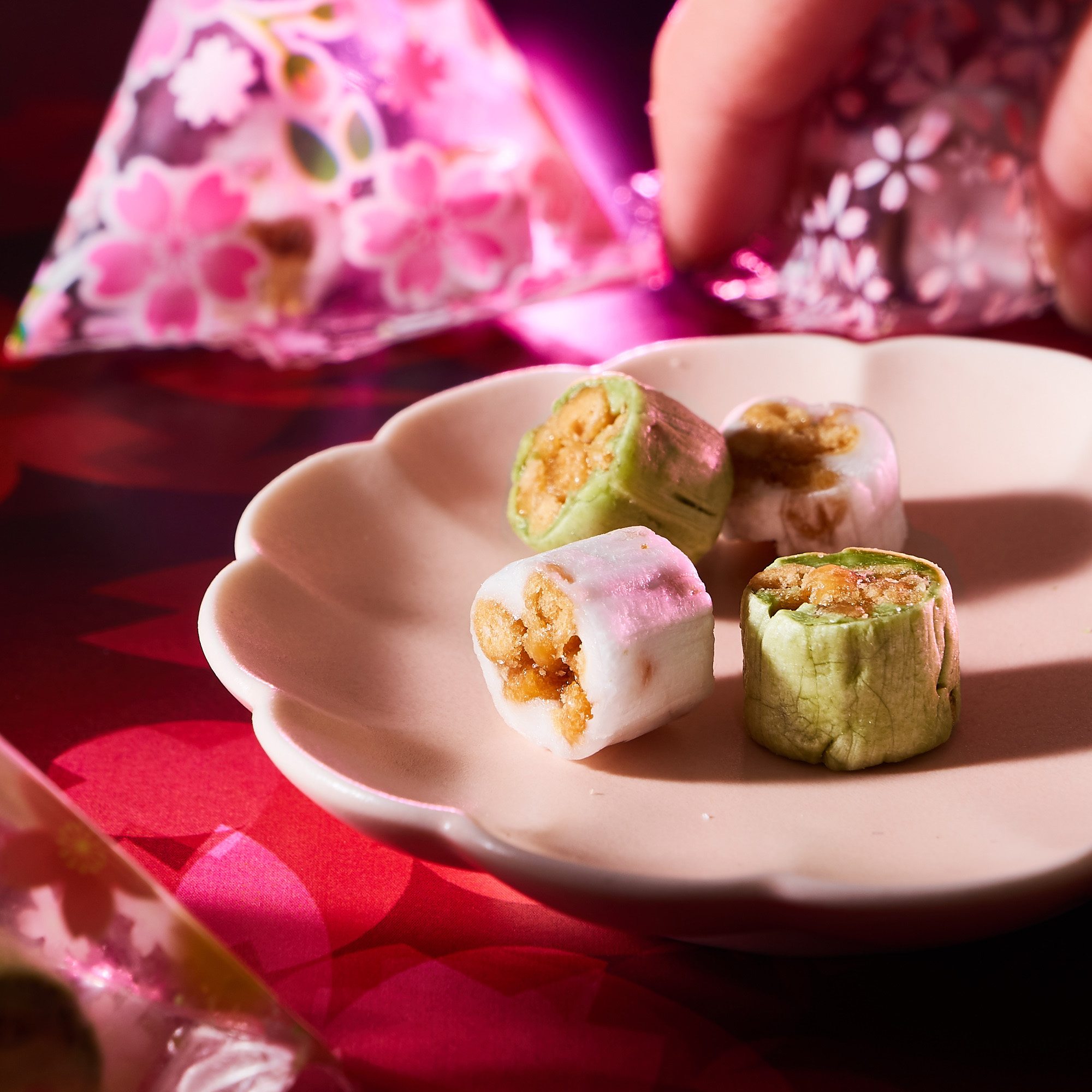
By Matsumoto Confectionery (Osaka)
Common Allergens: Wheat
May Contain Traces Of: Shrimp, Peanuts
Vegetarian Friendly: Yes
Indulge in the delightful flavors of houten, a traditional Japanese snack made by wrapping small pieces of karinto in a pleasantly sweet candy. This sakura tetra includes three flavors: matcha, strawberry, and sugar.
Cherry Blossom Yokan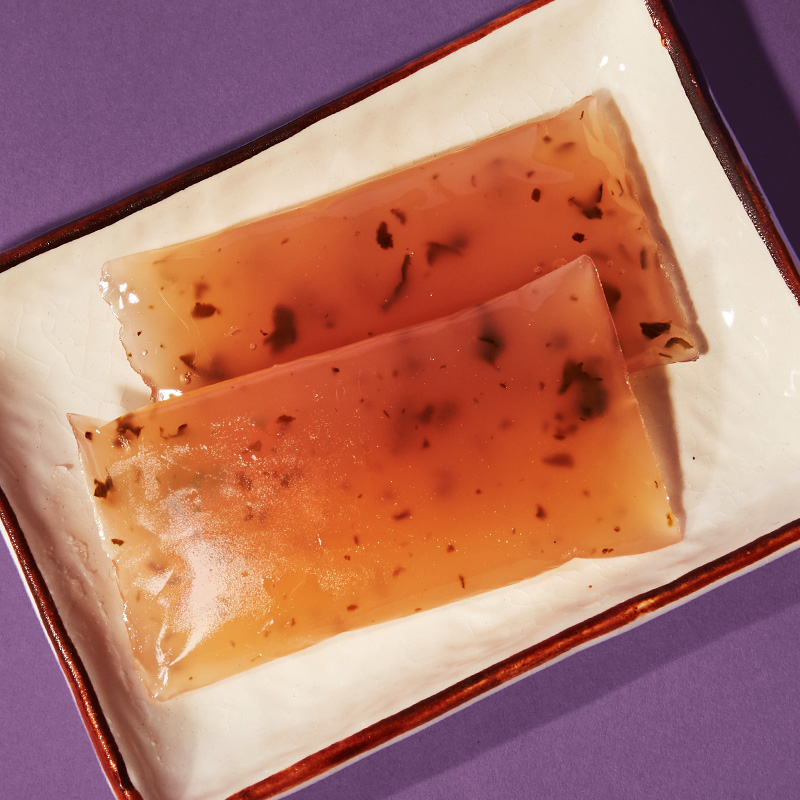
By Kikusuiya (Yamanashi)
Common Allergens: N/A
May Contain Traces Of: Wheat, Buckwheat, Peanuts, Egg, Dairy, Shrimp, Crab
Vegetarian Friendly: Yes
Crafted using traditional methods, these bite-sized yokan are deliciously sweet and have a touch of saltiness. The rich white bean paste has been meticulously kneaded with handpicked cherry blossom leaves for a truly exquisite delicacy.
Sakura Cashew Nuts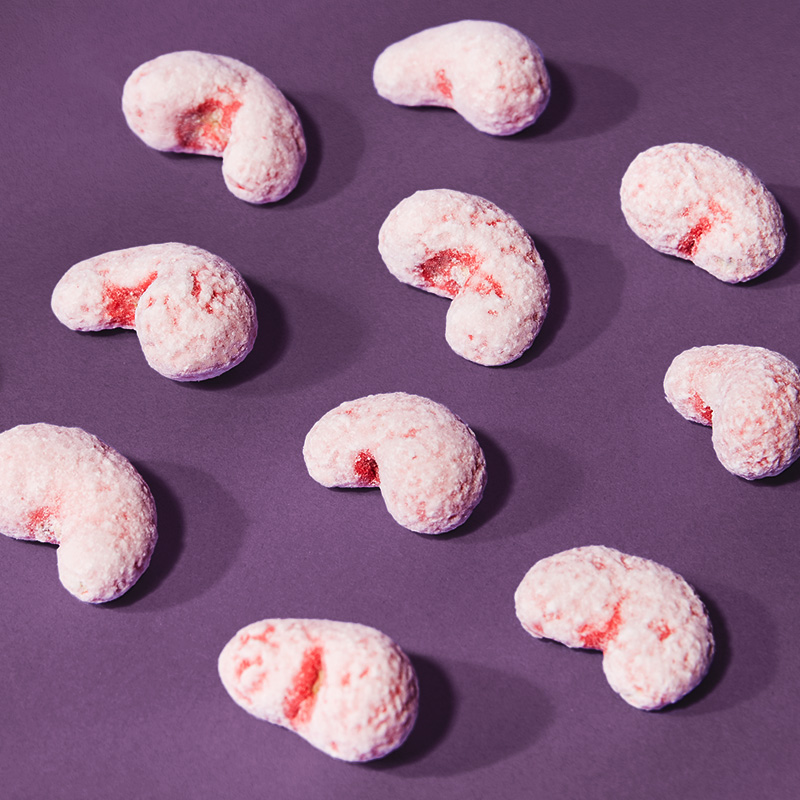
By Uchiyama Tozaburo Shoten (Niigata)
Common Allergens: Wheat, Cashew
May Contain Traces Of: Peanuts, Dairy, Egg, Shrimp, Crab, Walnut
Vegetarian Friendly: Yes
Enjoy the satisfying crunch of cashew nuts encased in a pleasantly sweet sakura-flavored coating—the perfect harmony of nuttiness and floral notes in every bite.
Strawberry Caramel Okashi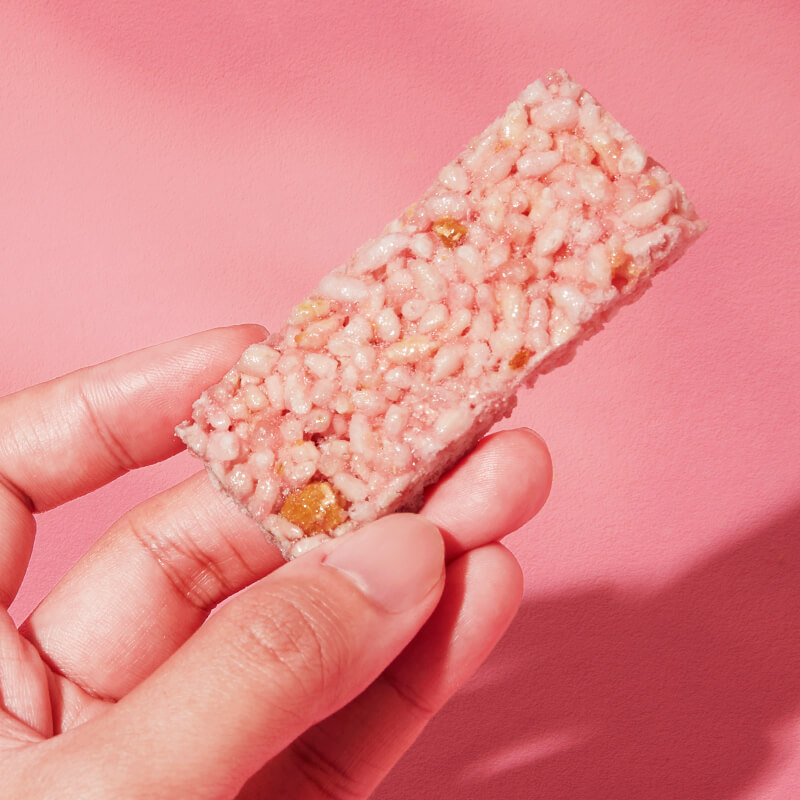
By Realize Planning (Osaka)
Common Allergens: Almond
May Contain Traces Of: Egg, Dairy, Wheat, Peanuts, Soy, Sesame, Buckwheat, Shrimp, Crab
Vegetarian Friendly: Yes
This delightful confection is a delectable blend of flavors and textures—the crunch of crushed almonds, the crispness of puffed domestic rice and the sweetness of strawberry caramel.