


Ballet meets butoh this winter in Tokyo, as K-Ballet Opto presents a powerful new production on stage. “A Dance Remembered in Tohno” invites audiences into a dreamlike world shaped by folklore, wartime memories, and human emotion.
Let’s explore the roots of butoh, the vision of K-Ballet Opto, and what makes this debut such a compelling addition to Tokyo’s performing arts scene. If you enjoy Japanese mythology, contemporary dance, or bold creative work, read on!
What is butoh? Understanding Japan’s Modern Dance Movement
Butoh is a modern Japanese dance form that emerged in the late 1950s and early 1960s, during a period of profound cultural and social transformation. The founders, including Tatsumi Hijikata and Kazuo Ohno, wanted to explore new ways of expressing human emotion through the body. Their work challenged traditional expectations of beauty and movement, opening up space for experimentation on stage. They were also responding to the social climate of post-war Japan, which prompted many artists to seek new forms of self-expression.
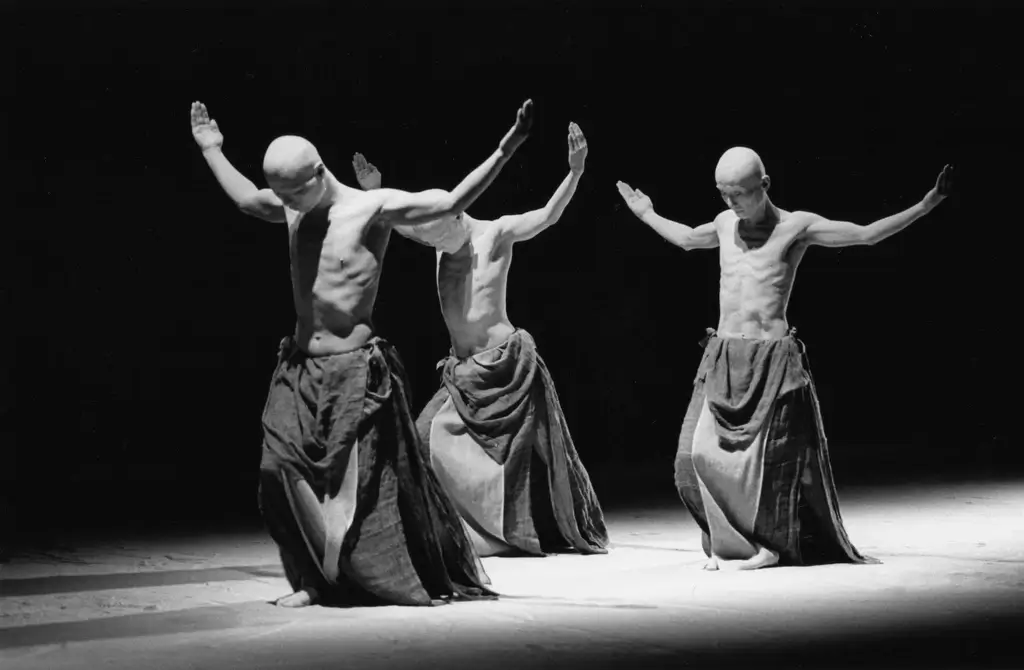
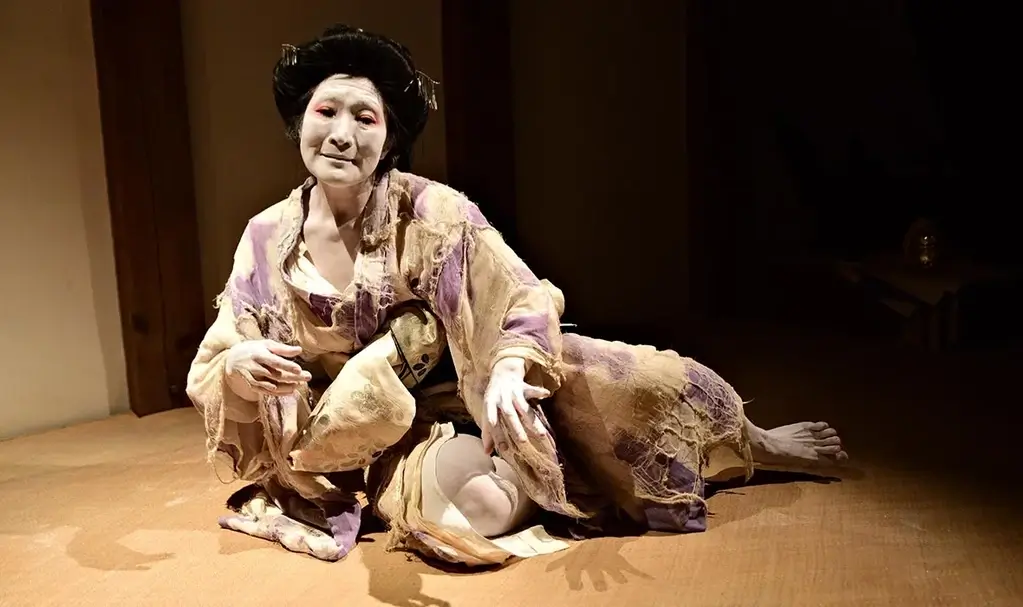
You can often recognize the dance by its bold visual style. Dancers commonly paint their bodies white, move slowly, and hold unusual or distorted poses. Bare feet, minimal costumes, and shaved heads are also typical. These choices help shift attention away from decoration and toward raw physical expression. The white body paint, for example, removes personal identity and turns the dancer into a symbol for universal emotions such as grief, desire, or transformation.
The dance style often explores themes linked to memory, trauma, social tension, and the human subconscious. The early pioneers used movement to express pain, shock, and alienation, as well as tenderness and rebirth. Due to this emotional range, the dance can feel intense, unsettling, or poetic, depending on the performance.
How has butoh evolved over the years?
Today, butoh has grown into a global movement. Performers from various countries study and experiment with the style in workshops, festivals, and collaborative projects. While techniques vary, slow and controlled movement, deep awareness of the body, and emotional exploration remain central to the practice.
Butoh appears in theaters, museums, and outdoor spaces. It often reacts to its environment, allowing light, silence, and space to influence the performance. By treating movement as a language of emotion and memory, butoh continues to inspire artists worldwide. Groups like K-Ballet Opto draw on the influence of dance styles as they seek to convey powerful and honest expressions on stage.
Who Are K-Ballet Opto? Meet Japan’s Experimental Ballet Company
K-Ballet Opto is a contemporary Japanese ballet company that brings classical dance into the modern world through technology, storytelling, and bold artistic ideas. The group was formed under the umbrella of K-Ballet, one of Japan’s leading ballet institutions. It was founded by Tetsuya Kumakawa, a former principal dancer of The Royal Ballet. Opto serves as the company’s experimental wing, providing dancers and creators with space to explore new concepts and push the boundaries of traditional ballet.
The name “Opto” originates from a Latin word associated with vision and light, reflecting the group’s mission. They utilize digital projections, lighting design, soundscapes, and multimedia to enhance their live performances. Instead of relying only on classical ballet steps, they combine ballet technique with contemporary movement and stage design. This enables them to create performances that feel fresh and immersive, particularly for younger audiences and new dance enthusiasts.
K-Ballet Opto also focuses on collaboration. They collaborate with artists from various fields, including film, music, and animation. These partnerships help them tell stories that connect ballet with modern themes, including technology, cultural identity, and human emotion. The company aims to make ballet more accessible. Their performances often take place in major theaters in Tokyo, but they also reach broader audiences by adapting stories for digital platforms and livestreams.
Are you looking for great snacks to enjoy after a day at the theater? Check out Sakuraco! Sakuraco delivers traditional Japanese snacks, teas, and sweets from local Japanese makers directly to your door so you can enjoy the latest treats directly from Japan!

A Dance Remembered in Tohno: Inside K-Ballet Opto’s New Production
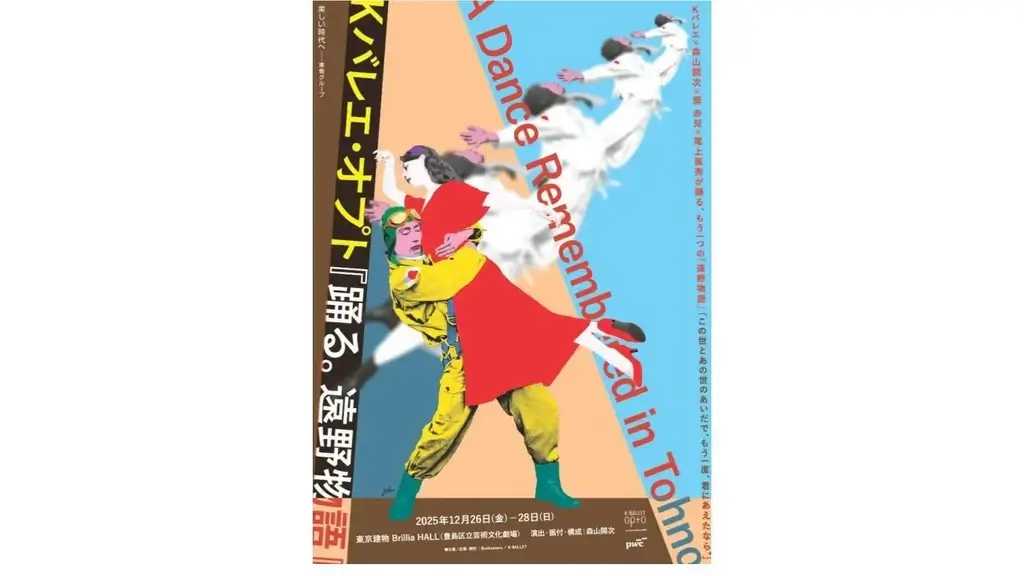
A Dance Remembered in Tohno is an exceptional dance performance by K-Ballet Opto presented as part of Bunkamura’s Orchard Series in December 2025. It will be held at Tokyo Tatemono Brillia Hall in Toshima, Tokyo, with shows on December 26, 27, and 28. This work reimagines a classic piece of Japanese literature, Tales of Tohno, through movement, music, and theatrical art.
The performance explores a touching love story of a young kamikaze pilot and his fiancée during World War II. Before his final flight, the young man writes a heartfelt letter expressing both his hope that she will move on and his deep longing to see her again. Guided by these feelings, he enters a mysterious world between life and the afterlife.
In this strange and beautiful journey, the dancer encounters beings from Tohno’s folklore, such as Oshirasama, a woman who loved her horse so profoundly that she became one with it; Yuki-onna, a snow spirit with chilling breath; and Yama-uba, a mountain crone. Each figure reflects the pilot’s memories and feelings, leading him toward a quiet seaside place where he once walked with his beloved.
What is unique about this performance?
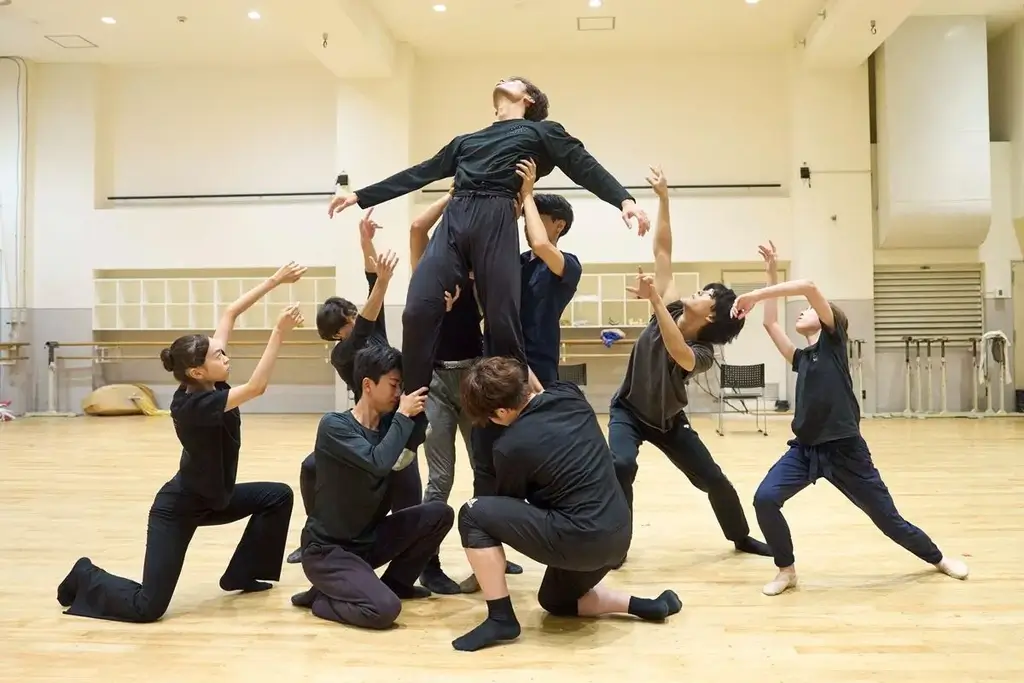
The performance blends ballet, butoh, kabuki, and contemporary dance. Alongside K-Ballet’s top dancers, the show features acclaimed performers including Kaiji Moriyama as choreographer, Akaji Maro, a legend of butoh, and Maholo Onoe, a young Kabuki prodigy. These artists bring the world of Tohno to life with powerful presence, striking movement, and deep emotion.
The production invites the audience into a space where fantasy and reality meet. Viewers see landscapes shaped by memory, spirits, and cultural symbols, all woven together through expressive dance. The result is a performance that feels poetic, mystical, and deeply human, honoring both old traditions and modern artistic creativity.
Whether you love traditional Japanese storytelling or innovative contemporary dance, A Dance Remembered in Tohno invites you into a powerful world of emotion and imagination. It offers a moving experience that will stay with you long after the final curtain. Tickets are on sale now for 8,000 yen (50 USD), so if you’re in Tokyo, get them while you can!
Why should you watch A Dance Remembered in Tohno?
A Dance Remembered in Tohno matters because it brings several artistic worlds together in a way that speaks to both the past and the present. It highlights how butoh and ballet can share the same stage and tell a powerful story rooted in Japanese culture, history, and memory. The performance also introduces audiences to K-Ballet Opto’s bold vision for modern dance, showcasing how traditional tales can find new life through technology and collaboration.
By blending folklore, emotion, and innovation, this production helps keep cultural storytelling alive and invites new audiences to appreciate Japan’s performing arts. Does your country have a similar dance style to butoh? Let us know in the comments below!