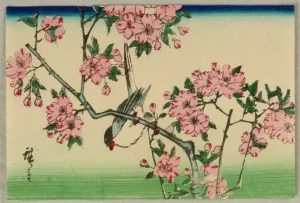
Sakura Poetry in Japan: What Is The History of It?
Sakura poetry often explores themes of love, nature, and the passing of time. Understanding the history of sakura poetry reveals how deeply the cherry blossom is connected to Japanese culture.



Sakura poetry often explores themes of love, nature, and the passing of time. Understanding the history of sakura poetry reveals how deeply the cherry blossom is connected to Japanese culture.
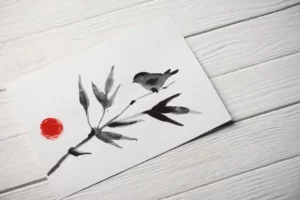
Sumi-e is a style of ink painting that uses black ink to create images with simple brush strokes. The name comes from the Japanese words for ink, sumi, and painting, e. Artists use brushes, ink, and paper to create landscapes, plants, animals, and calligraphy-like forms.

A perfect example of Japan’s love for color and art can be found at JR Ueno Station in Tokyo. For decades, a large mural has graced a wall in the train station, bringing light and joy to countless people. In a moment of profound positivity and progress, much-needed restorations to the mural are nearly complete!
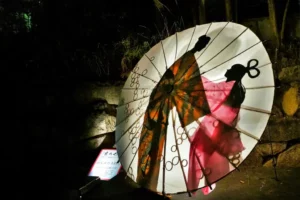
Orihime and Hikoboshi are central figures in a Japanese legend connected to the Tanabata festival. Their story is linked to seasonal celebrations that happen each summer. The legend has been shared in Japan for centuries through storytelling, education, and public events.
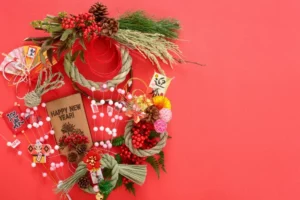
Oshogatsu (Japanese New Year) is a special time when traditional customs welcome the beginning of a new year. This celebration mainly takes place from January 1 to January 3.
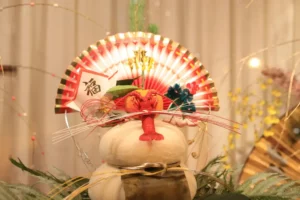
In the Shinto tradition, Toshigami is the deity who arrives at the end of every year and remains through the New Year to bring blessings, a bountiful harvest, and good fortune. People in Japan honor Toshigami at the turn of the year with rituals, decorations, and special foods.
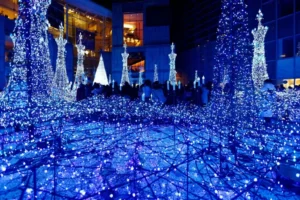
Winter illuminations have become a tradition in Japan at the start of every Christmas season. Their sparkling brilliance chases away the cold of Japan in winter and encourages people to enjoy festive year-end activities. Let’s explore the origins and the amazing spots of winter illuminations in this beautiful country!

We had a lovely chat with Rachel and Jun about their story, from their early beginnings to how their videos continue to inspire people around
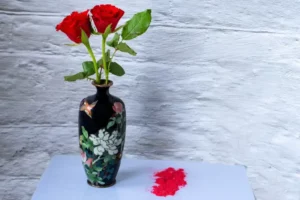
Imagine holding a small dish that glows as if sunlight is trapped inside it. This perfect example of Japanese ceramics resembles glass, with its colors deep and luminous, outlined with threads of silver. That’s the magic of shippo yaki.

From small corner shops with paper lanterns to busy chain restaurants near train stations, izakaya are a fixture of Japan’s social life.
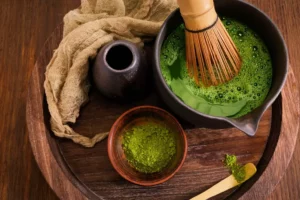
Japan is often linked with peaceful gardens, quiet temples, and wooden tea houses where a graceful tea ritual occurs. This is chanoyu (the Japanese tea ceremony), a practice that is much more than drinking Japanese green tea. Starting with Zen Buddhism, which has been refined over centuries, it combines art, religion, philosophy, and social life into one mindful tradition.
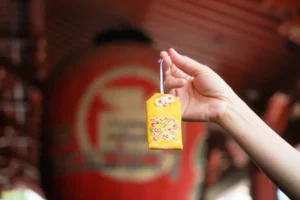
In Japan, daily life often blends tradition with modern convenience. You might walk past a vending machine right after visiting a centuries-old shrine. One tradition that has stayed strong over the years is the use of omamori—Japan’s beloved good luck charms.


