
Japanese Bathroom Makeover Time With Rachel and Jun!
A look at Rachel and Jun’s Japanese bathroom makeover, featuring simple DIY upgrades, smart storage solutions, and practical ideas you can try at home.



A look at Rachel and Jun’s Japanese bathroom makeover, featuring simple DIY upgrades, smart storage solutions, and practical ideas you can try at home.

Today, we’re excited to feature Takashii, (TAKASHii from Japan), a creator known for his thoughtful street interviews that explore perspectives, culture, and human connection.
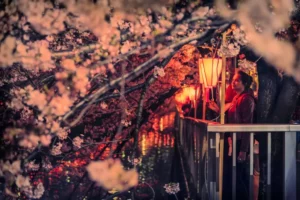
While Nakameguro is a must-visit, it’s far from the only place to enjoy night cherry blossoms in Japan. From peaceful moat-lined walkways to historic gardens and castle parks, exploring beyond Nakameguro reveals just how diverse and memorable yozakura can be.
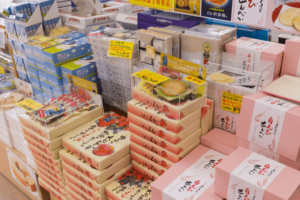
In Japan, you can find an endless selection of region-specific boxed snacks and desserts, perfect for distributing to others. These types of snacks are called omiyage, souvenirs bought for others, and they are an important part of Japanese culture and relationships.
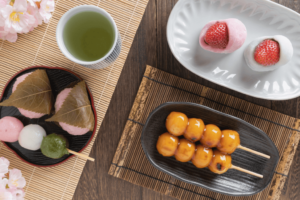
Japanese desserts, through combining traditional methods and ingredients with modern styles, have become globally recognizable. From mochi to fluffy souffle pancakes, let’s learn more about the key ingredients and methods that are unique to Japan!
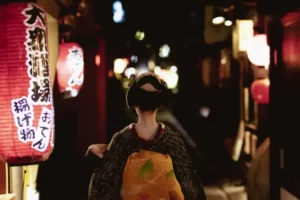
Add a unique touch to your trip by exploring attractions after dark. When the sun goes down, many popular sites that feel too “touristy” by day reveal an entirely different atmosphere. Kyoto offers countless spots like these—temples, shrines, and districts that bustle with crowds in daylight turn into peaceful places for quiet walks and reflection at night.
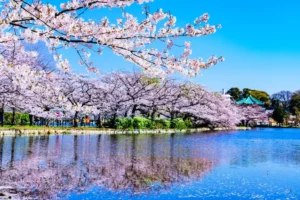
Few places in Tokyo combine history, culture, and nature as clearly as Ueno Park. Located in one of the city’s busiest districts, the park attracts millions of visitors each year. People come to see museums, temples, cherry blossoms, and wildlife at the zoo.
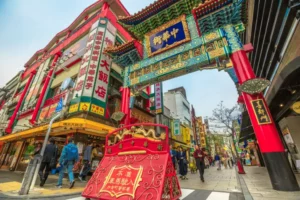
Yokohama, a city just south of Tokyo, is home to the largest of Japan’s three Chinatowns, called “chukagai” in Japanese. Established in the late 19th century, Yokohama Chinatown is a historic area home to hundreds of businesses.
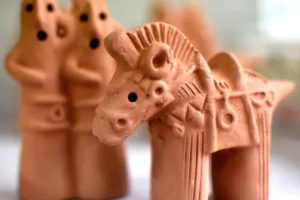
The Yamato Period laid the foundation for modern Japan. Powerful clans emerged to shape the islands’ future and form the country’s first early states.
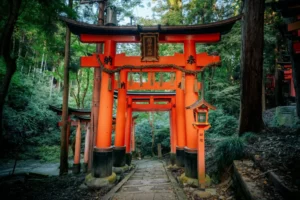
Kyoto shrines preserve history within their walls, and their network carries the old days into modern Japan. Visiting them can be a memorable way to learn about Japan’s past and understand how spiritual traditions coexist with modern life.
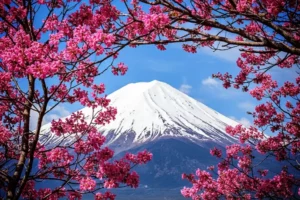
Many people know the soft pink cherry blossoms. However, sakura in Japan includes a wide variety.
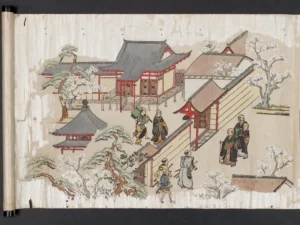
Cherry blossom petals and hanami feel timeless, but this spring tradition has a clear story. The first hanami “pictures” were not phone photos. They were written records, poems, and paintings made over 1,200 years ago at the imperial courts in Japan.


