


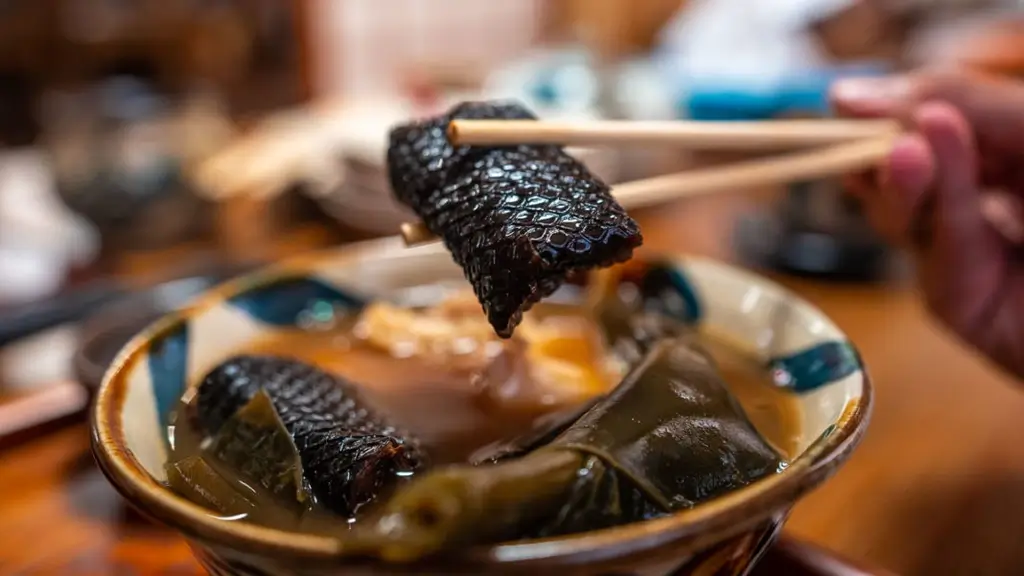
Would you try a soup made from a sea snake? In the islands of Okinawa, this bold and unusual dish has been part of local life for centuries. Known as irabu-jiru (Irabu soup), it carries stories of the sea, royal history, and traditional healing. Today, we’ll explore sea snake soup, its origins, its careful preparation, and why people enjoy it today while dining in Okinawa.
Irabu While Dining in Okinawa
Irabu is a sea snake that lives in the warm, clear waters around Okinawa. You can spot it by its striking black and white stripes as it moves smoothly through coral reefs. It hunts small fish, then rises quietly to the surface for air before slipping back into the sea. Strong, fast, and perfectly adapted to ocean life, the fish has shared these waters with the Okinawan people for centuries.
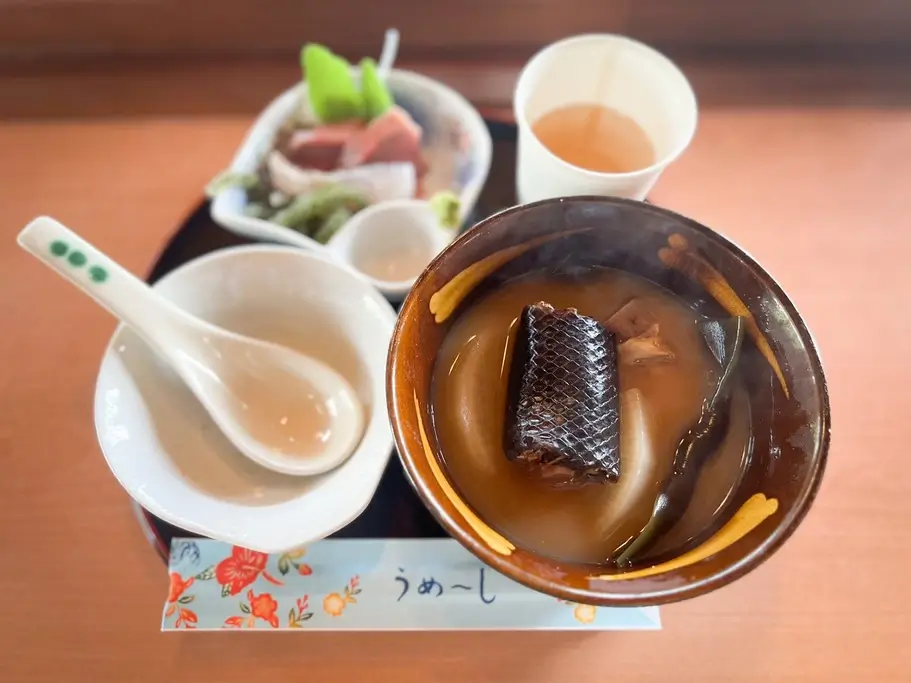
In Okinawa, irabu also carries deep cultural meaning. During the Ryukyu Kingdom, it was considered a rare and precious food. Fishermen risked rough seas to catch it, and the royal court valued it highly. That long history still shapes how people see the fish today. The meat is firm and rich in protein. When prepared carefully, it becomes tender and full of deep, smoky flavor.
Many locals believe it helps build stamina and keeps the body strong, especially during Okinawa’s long, hot summers. Irabu reflects the island’s close relationship with the sea. It shows how Okinawans learned to live with nature, respect it, and turn what the ocean offers into something meaningful.
A Sacred Tradition: The History of Irabu-jiru
Irabu soup has a long and dramatic history. It began around 400 years ago on Kudaka Island, a small island off the coast of Okinawa that many locals consider holy. At night, when the sea snakes came ashore, skilled women from the island would catch them by hand. This work was dangerous and required courage, patience, and deep knowledge of the sea. Families passed these skills down from mother to daughter for generations.
As the dish became known for its strength-giving power, it reached the royal court of the Ryukyu Kingdom. There, the sea snake dish was served to kings and nobles. It was rare and precious. Ordinary people could not eat it freely. The court valued it not only for its taste but also for its health benefits. People believed it warmed the body, improved blood flow, and helped the sick recover. In a humid island climate, food that builds stamina was highly respected.
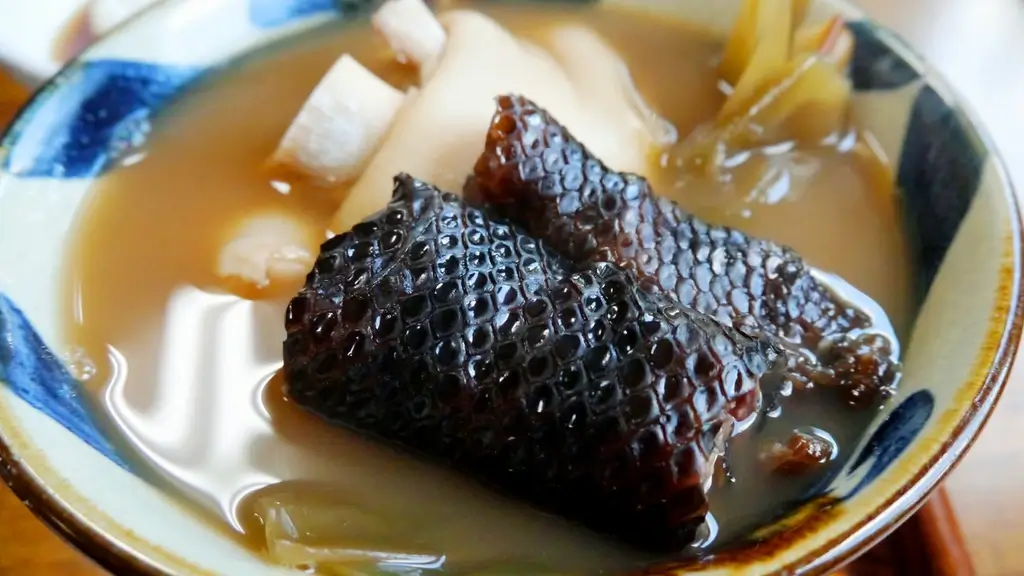
To preserve the meat, people smoked the sea snake over wood fires. The smoking process gave it a deep, rich aroma. This method also made it easier to store and transport. Over time, the dish became part of special ceremonies and important meals across Okinawa. Even today, the dish carries this strong history. When people prepare it, they remember the brave women of Kudaka Island and the royal traditions of the past. Each bowl connects the present to centuries of island life shaped by the sea.
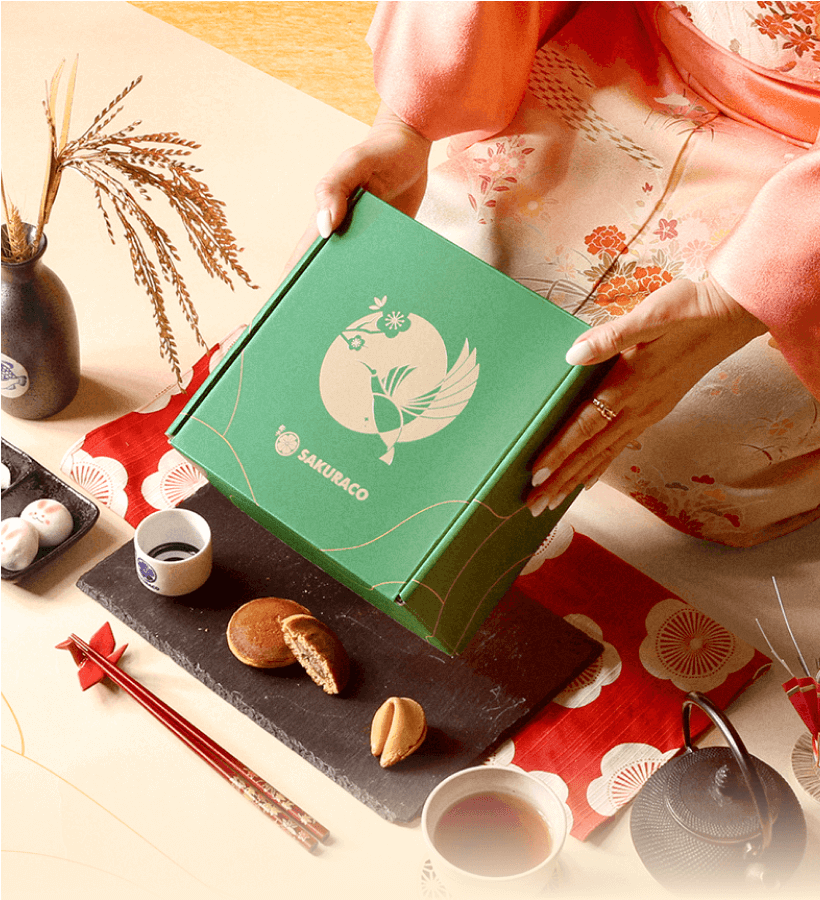
Are you looking for interesting snacks from places like Okinawa? Check out Sakuraco! Sakuraco sends traditional Japanese snacks, teas, and sweets from local makers straight to your door each month!

How Okinawan Sea Snake Soup Is Made
Making irabu soup is a slow, hands-on process. It usually begins with a smoked sea snake. After the snake is cleaned, it is hung over a wood fire and smoked for days. The smoke dries the meat and gives it a strong, almost bacon-like aroma. This step is important. It removes excess fat and deepens the flavor.
Before cooking, the dried snake is soaked in water to soften it. Then it is cut into thick pieces, bones and all. The pieces are placed in a large pot of fresh water and brought to a gentle boil. Cooks skim off any foam that rises to the surface to keep the broth clear and clean-tasting.
The soup simmers slowly for several hours. Kombu (kelp) is often added for natural umami. Some households add pork ribs for extra richness, while others keep the focus on the snake itself. A splash of awamori (a traditional distilled spirit from Okinawa) can mask any strong smell and lift the aroma. As it cooks, the broth turns a deep golden color. The meat becomes tender but still slightly firm, with a smoky, savory taste. The final dish is rich and warming, with a flavor that lingers long after the last spoonful.
Benefits of the Irabu Soup While Dining in Okinawa
For centuries, people in Okinawa have considered sea snake soup a restorative dish. Old local records describe it as something given to people who felt weak, tired, or run down. It was often prepared for recovery after illness or exhaustion, especially when someone needed to regain strength quickly. Traditional belief links the dish to improved circulation and overall vitality. Because the broth is slowly extracted from smoked sea snake, it becomes dense and concentrated. Long simmering draws nutrients from the bones and connective tissue, creating a rich stock that feels deeply nourishing.
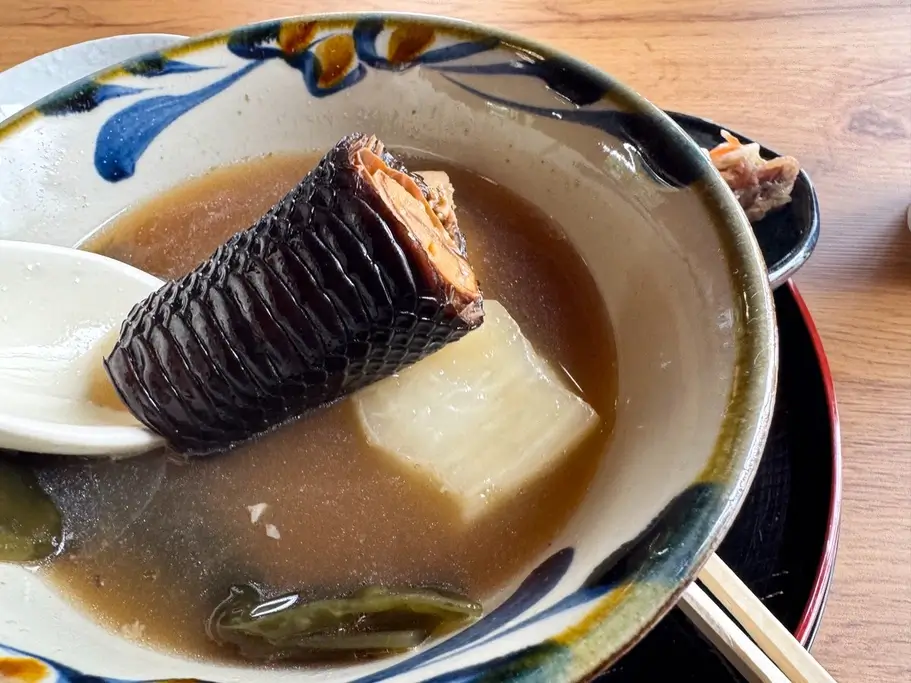
The dish was also valued during seasonal changes. In times of intense heat or heavy humidity, people believed it helped the body adjust and maintain balance. Some accounts even describe it as supportive for postpartum recovery and for older adults needing extra strength. While modern nutritional studies are limited, the dish’s reputation remains strong. Many Okinawans still see a bowl of the sea snake dish as a natural way to recharge, warming, sustaining, and rooted in centuries of lived experience. As a result, they can find the dish in various restaurants across Okinawa. If you’re visiting this summer, why not try this unique dish?
Why is it important to know about unique dishes while dining in Okinawa?
Okinawan Sea Snake Soup matters because it tells a deeper story than most dishes. It carries history from the days of the Ryukyu Kingdom, traditions from Kudaka Island, and knowledge shaped by island life. The dish reflects how people in Okinawa used what the sea provided and turned it into something meaningful. By learning about this dish, we gain a better understanding of Okinawan culture, resilience, and respect for nature. Do you have any unique soups in your home country? Let us know in the comments below!
Cited Sources
- YouTube/NHK WORLD-JAPAN. “Keeping Okinawa’s traditional sea snake cuisine aliveーNHK WORLD-JAPAN NEWS“.
- GaijinPot Travel. “5 Famous Foods You’ll Find in Okinawa“.
- The Japan Times: Authentic Japan Selection. “Innovative, modern Okinawan cuisine rooted in local foods and flavors“.