


Religion in Japan involves a dizzying array of spirits and beings. These gods are inspired by ancient tales and used to symbolize nature’s bounty. However, they also profoundly impact daily life and are often sought out for help in challenging times. Among them, Ebisu stands out as a beloved figure. Known for his warm smile, he is seen everywhere, promising better times.
But how did this jolly god become so central to Japanese culture? How has he managed to maintain his pure Japanese roots after centuries of foreign influence? Today, we’ll learn about why his appeal continues to draw worshippers after almost a thousand years.
Who is Ebisu?
Ebisu is a member of the group of “Seven Lucky Gods” known as Shichifukujin. This group includes deities from various origins, and he is the only one whose origins are purely Japanese. He is a Shinto deity associated with luck, wealth, prosperity, and abundance. His name in kanji (恵比須) means “kind and generous aid”. In myths, he has a strong connection to the sea. Fishermen, especially, see him as a patron of their trade. They pray to him for safety and good hauls when facing the dangers and uncertainty of their profession.
How can I recognize Ebisu?
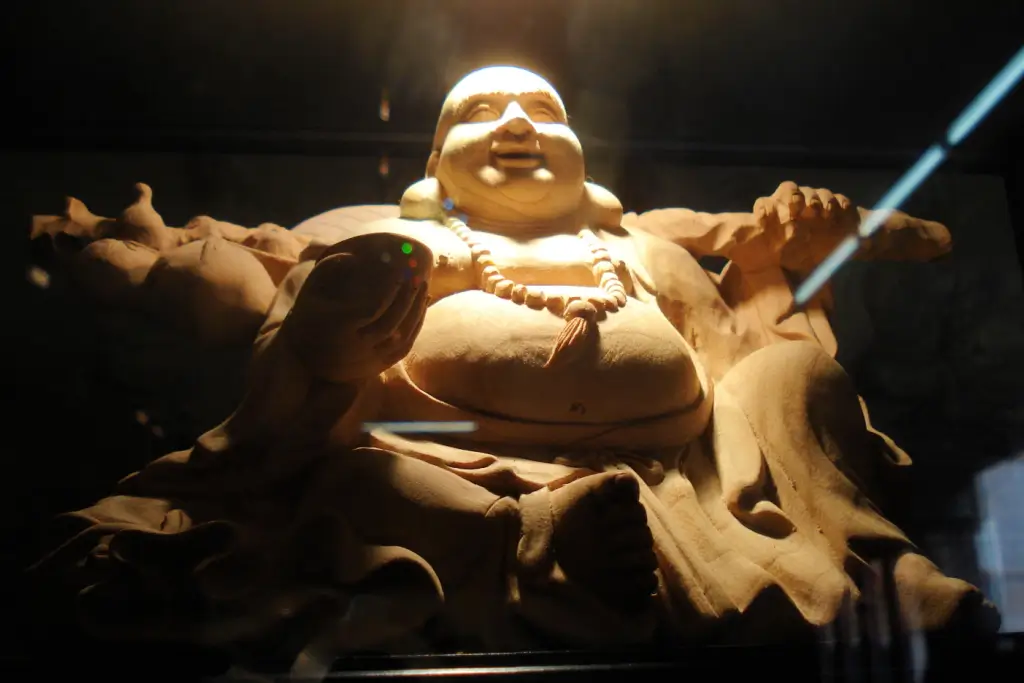
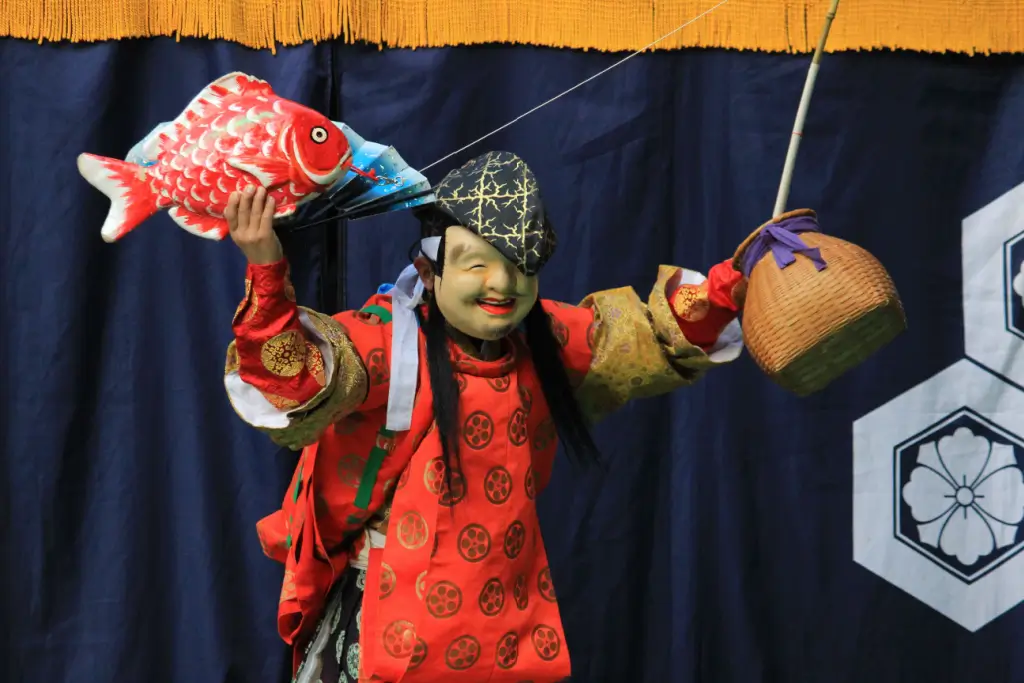
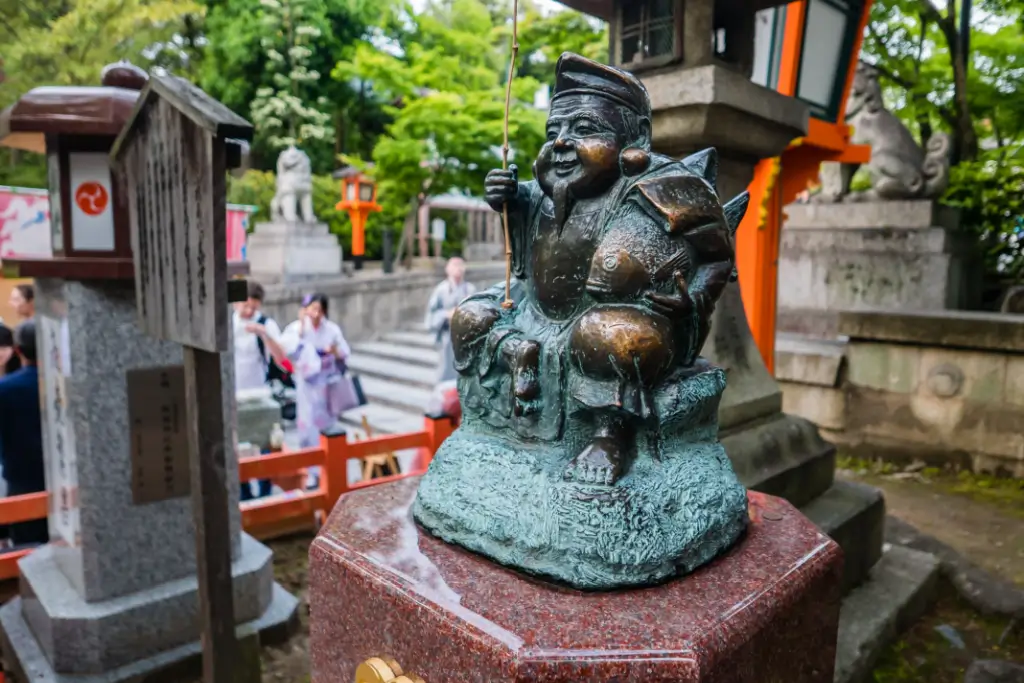
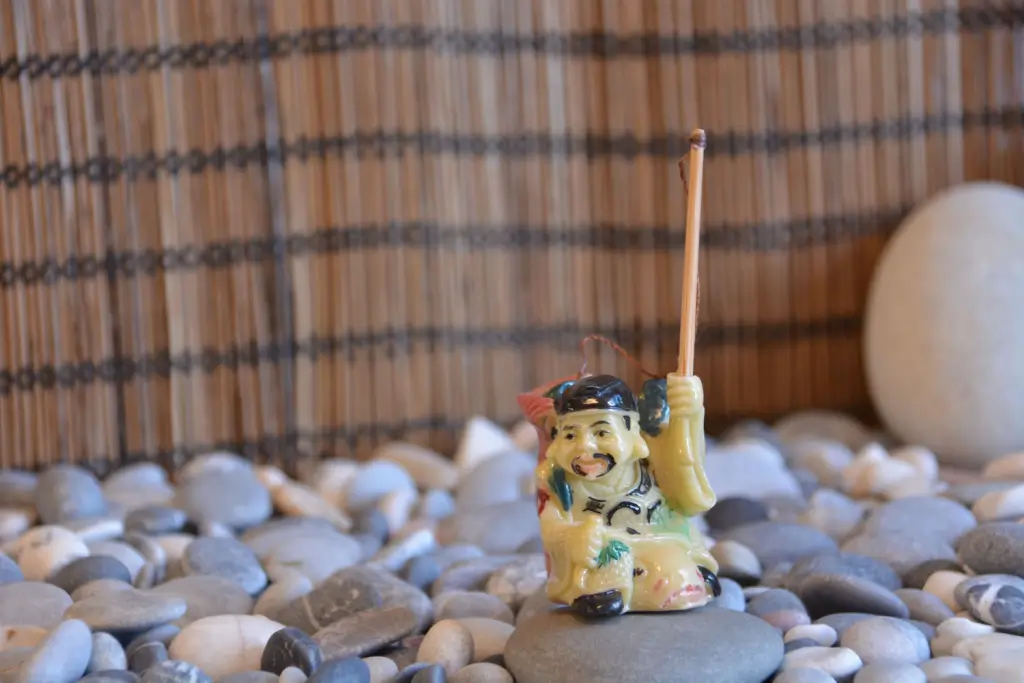
In art, Ebisu is often depicted holding a specific type of fish, the sea bream (tai), which symbolizes good fortune and prosperity. He also carries a fishing rod (tsurizao), and wears the style hat worn by cormorant fishermen (kazaori eboshi). These items represent his centuries-old ties to the sea, fishing culture, and protection of sailors. In sculptures, he appears as a plump, bearded man, sporting a wide grin from ear to ear. This image is more aligned with his ability to spread prosperity and joy.

What stories are there about Ebisu?
Ebisu’s story starts in ancient writings such as the Kojiki, a 6th-century text on which many Shinto beliefs are based. In it, he appears as Hiruko, the child of Izanagi and Izanami. These are believed to be two of the first gods to descend from heaven to earth. According to the story, he was unfortunately born without bones, which has earned him the name “leech child” in popular legends. His parents believed that keeping him would be a mistake, and cast him adrift in the ocean. When he finally washed ashore, his ordeal had transformed him into a god. As a result, Hiruko is used to represent resilience.
Ebisu is also tied to fishing in other accounts, where he is known as Kotoshironushi. In one such tale, his father is Okuninushi, the god of Izumo Province, now located in eastern Shimane Prefecture. His father asked Kotoshironushi and his brother if he should go to war. Kotoshironushi opted to fish, while his brother went to battle and was defeated. For this reason, he is also known as “the god who knows.”
Where is Ebisu worshipped?
People still worship his image at many shrines (jinja) across Japan, but Nishinomiya Shrine in Hyogo Prefecture is where he is most revered. The practice of visitors offering sake for blessings at the site dates back centuries and continues to draw massive crowds every year. Kyoto Ebisu Shrine is another popular place to worship this deity. This site is located near Gion in Kyoto, just a short walk away from Kawaramachi Station.
Ebisu in Modern Times
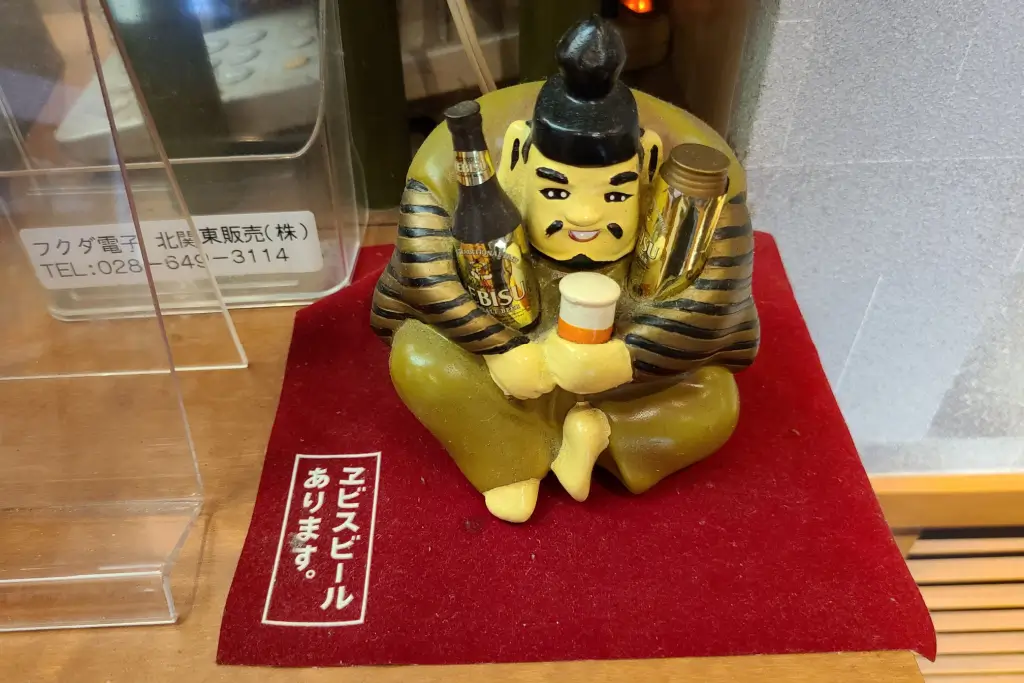
Today, he is not only associated with the sea. Merchants also use these statues to seek his favor and to help their businesses thrive. And households keep figurines of his image to bring fortune. Even more casually, colors like red channel his energy, making the god popular as a daily charm at festival markets. He inspires business and travel. Companies use his image in logos.
Travelers seek shrines for luck. Festivals honoring this god happen in January and November. The Toka Ebisu festival takes place in Kansai on January 10th, when crowds gather for fukuotoko races to celebrate good fortune. In this special event, participants run towards the main shrine building at 6:00 am. The top three finishers are awarded the title of “fukuotoko”.
Why does Ebisu matter in Japan?
Ebisu matters because he inspires people to hold onto hope when facing complex challenges. This god’s journey from outcast to beloved icon has made him a symbol of resilience. His ties to the sea and trade weave into the daily pursuits of the average person. The traditions and rites surrounding him are almost as old as Japan itself. And current customs weave them into a relatable spiritual fabric.
In the modern world, such figures are becoming rarer, but Ebisu still offers comfort through simple joys. His timeless stories remind us of the shared human quest for well-being and illustrate how old legends can still shape lives. Do you know of any other festivals or costumes related to this cheerful and generous god? Share your knowledge or favorite festivals in the comments!