


One of the most fascinating aspects of Japanese culture and art are geisha, and their makeup is a significant reason why they continue to captivate the world. The bright white face, red lips, and bold eyes create a look that is instantly recognizable and deeply tied to tradition. Today, we’ll examine the significance of geisha makeup, its evolution throughout history, and the meticulous steps involved in its creation.
The Historical Background of Geisha
Geisha have a long and fascinating history in Japan. The word geisha means “art person,” and these performers built their reputation on music, dance, and graceful conversation. Many people imagine them only as symbols of beauty, but their roots are actually linked strongly to entertainment and the cultural arts, rather than romance.
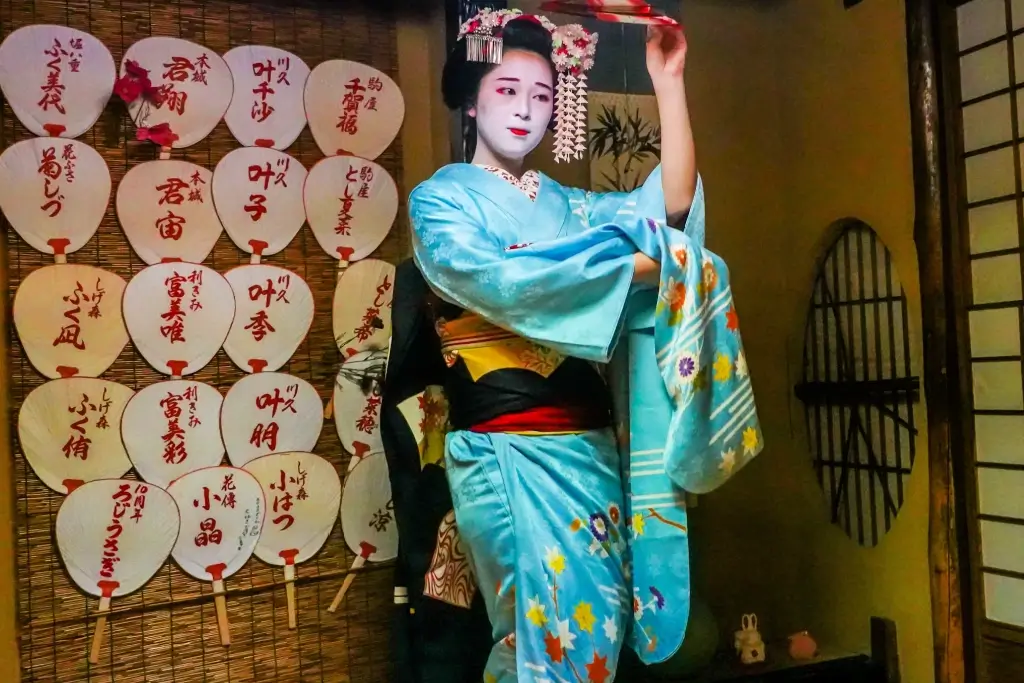
The earliest artists appeared in the 1600s, during the Edo period (1603-1868). Interestingly, the first geisha were men, called taikomochi. They entertained guests with storytelling, humor, and music. Later, women took on the role, and by the 1700s, women had become the more popular choice for the role. They trained in tea ceremony, shamisen performances, traditional dance, and etiquette. Their skills earned them respect as entertainers in tea houses and banquet halls.
What is geisha culture like?
Geisha neighborhoods, known as hanamachi, developed in major cities such as Kyoto and Tokyo. Kyoto’s Gion district remains one of the most famous. These districts had strict rules. Only trained artists could entertain, and they followed contracts and apprenticeship systems. A young trainee, known as a maiko, learned from a teacher and lived in an okiya, also referred to as a geisha house.
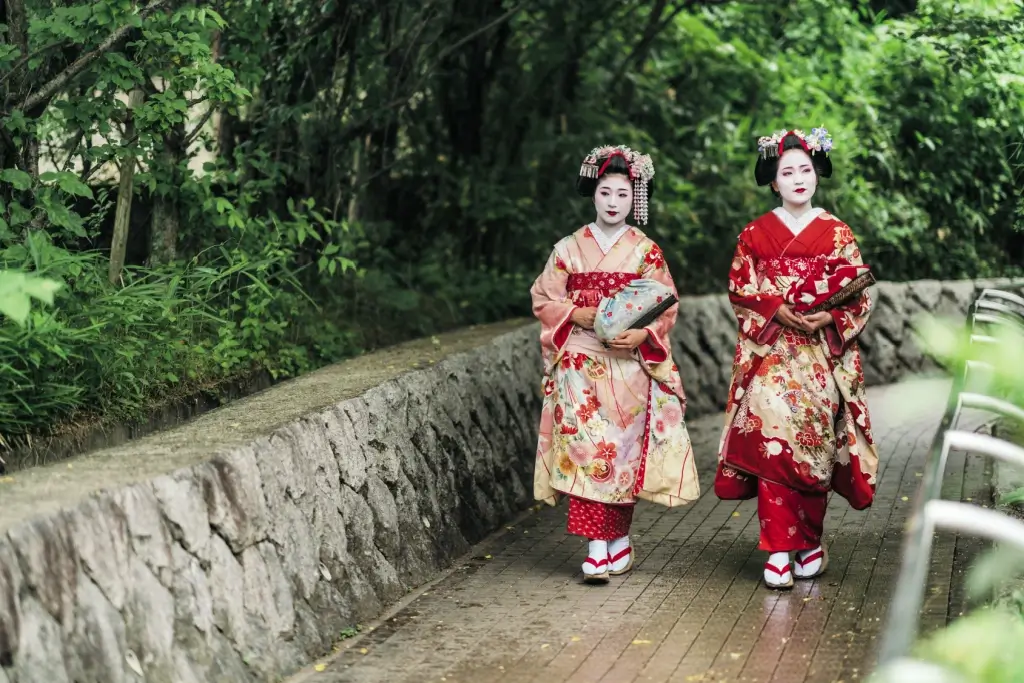
Over time, they adapted to social changes. During the Meiji period (1868-1912), Japan opened up to the world, and Western influence began to grow. Still, they preserved traditional arts and continued performing. After World War II, the number of skilled artists declined, but the profession survived by focusing on cultural heritage and tourism.
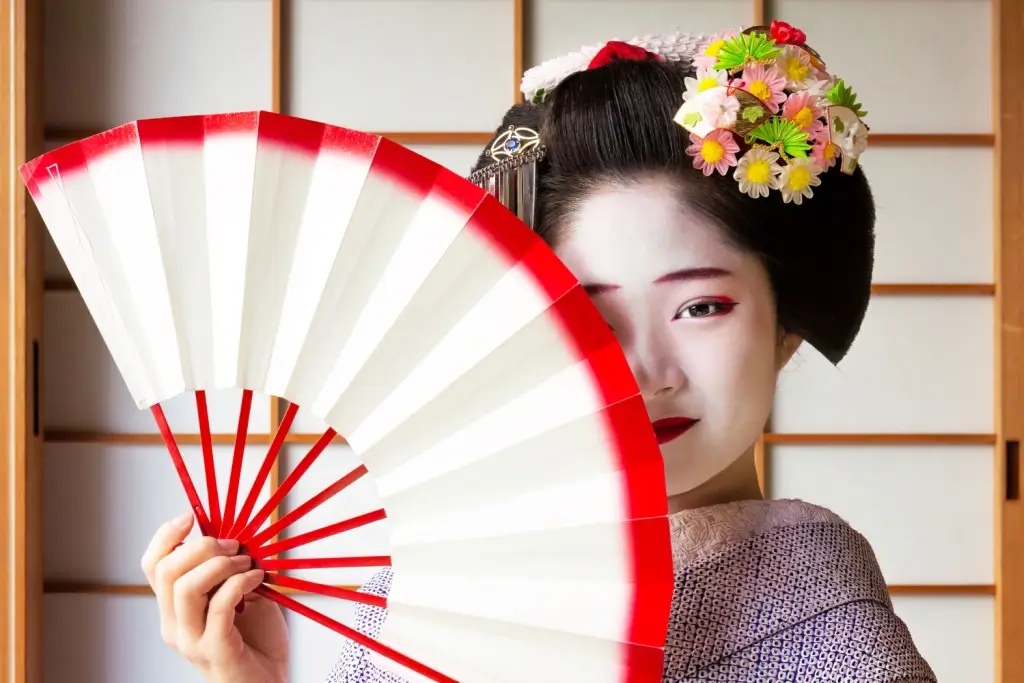
Today, they remain essential guardians of classical Japanese arts. They host banquets, dance on stage, and help keep centuries-old traditions alive. One of the most defining characteristics of them is the way they do their makeup. Their iconic white base, red accents, and bold eyes help express their identity and signal their level of experience, making it an essential part of their cultural image.
Geisha Makeup Through History
The special makeup has a long and symbolic history that reflects beauty, culture, and status in Japan. When most people imagine them, they picture the iconic white face, red lips, and dark, defined eyes. However, this makeup style did not begin as a fashion choice. It developed slowly over centuries and evolved into a visual language that conveyed age, rank, and elegance.
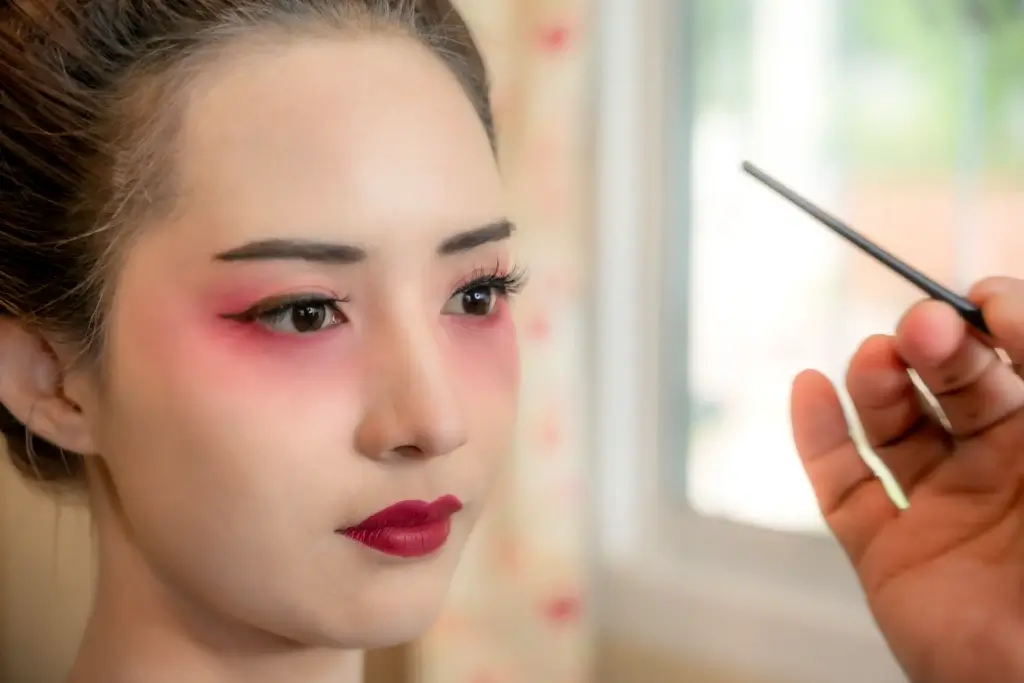
The roots of their culture date back to the Heian period (794-1185). At that time, women used natural powders made from rice to lighten their skin. Pale skin was often regarded as a symbol of beauty and refinement, as wealthy women typically spent their time indoors and avoided the sun. In dim candlelight, pale faces also appeared brighter and more dramatic, allowing them to stand out during evening performances.
How did geisha makeup change over time?
As the style gained popularity, the white face became more pronounced. Women applied thicker layers to create a smooth, porcelain finish that symbolized grace and sophistication. During the 1700s and 1800s, makeup materials improved but also carried risks. Geisha used oshiroi, a white paste made from rice flour and sometimes lead-based powders. This made the face striking, but it caused skin damage and health problems.
By the late 1800s, Japan introduced safer cosmetics, and the artists switched to non-toxic products. Still, the white face remained a defining symbol and continued to show tradition and dedication to the arts. Red and black accents added deeper meaning. Red represented youth, charm, and passion. Black symbolized maturity and experience. Maiko would use brighter red around the eyes and a more vivid lip color.
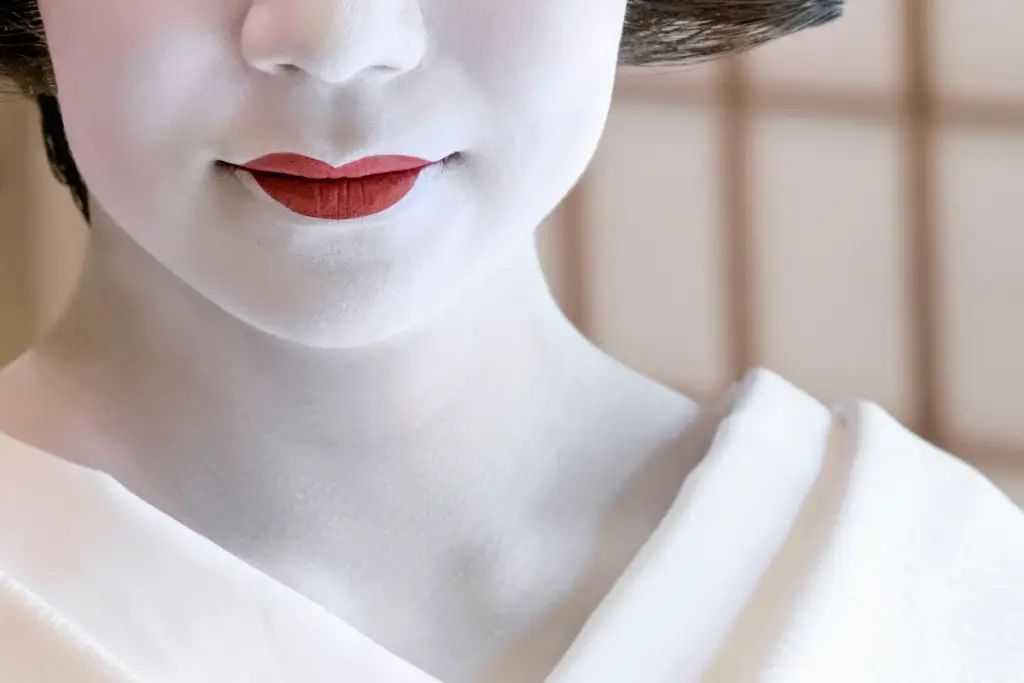
The maiko’s makeup highlighted innocence and energy. In contrast, seniors used more subtle tones, showing confidence and refinement. This difference allowed guests to recognize a performer’s stage in training instantly. Even small details held importance. Eyebrows grew thinner and more curved over time. Lip shapes changed to calm, rounded forms. These choices reflected trends and tradition while maintaining the overall style’s recognizable character.
Hair and makeup also worked together. The hairstyle frames the white face, and the accessories highlight the colors. This combination created a complete and elegant image that conveyed identity without the need for words. Today, they continue to apply traditional makeup for events, dances, and tea house performances. They use modern, safe products, but the techniques remain careful and precise.
Mastering the Traditional Geisha Makeup Look
Creating the traditional makeup look is a slow and careful process that requires skill and patience. The first step is preparing the skin. A soft wax is warmed between the hands and spread across the face and neck. This wax acts like a primer, smoothing the skin and protecting it from the heavy products that follow.
Next, the signature white base is applied. A powdered foundation is mixed with water to form a creamy, paint-like consistency. Using wide brushes, the artist spreads the paint evenly over the face and neck, ensuring the surface appears smooth and bright. The white color helps her features stand out during performances, especially in low lighting.
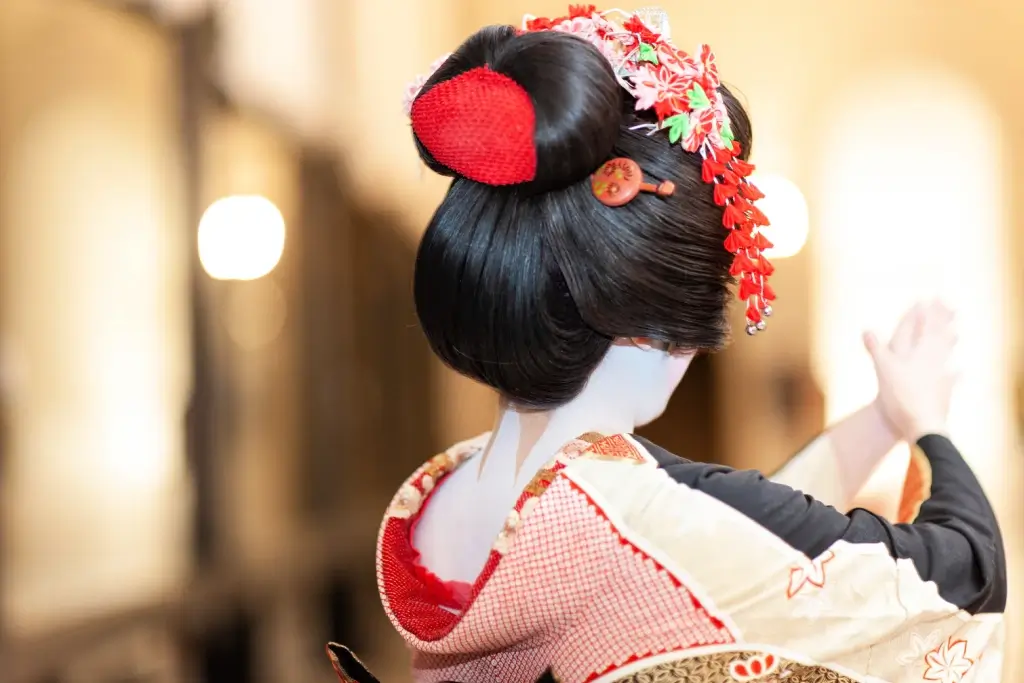
After the base, soft pink shading is added around the cheeks and eyes to bring warmth to the face. The neck receives special attention, with two elegant lines left unpainted at the back to create a delicate and graceful look. This is because the neck has long been considered one of the most attractive areas.
Finally, the bold accents go on. Red is used around the eyes and on the lips, while black lines define the eyebrows and eyelids. Apprentices often paint only the lower lip, while senior artists paint both. When complete, the makeup transforms the performer, highlighting tradition, beauty, and artistry.
Why is it important to know about the history and the process of geisha makeup?
Learning about the history and process of makeup helps us understand why this tradition matters. The makeup reveals their level of training, age, and role. Knowing how the style developed over time also helps us see how they protected their customs while Japan changed around them. When we understand each step of the makeup process, we can appreciate the patience and skill required.
This knowledge reminds us that they are dedicated artists who keep important Japanese traditions alive. The makeup stands as a clear symbol of culture, identity, and long-lasting artistry. Does your country have artists similar to geisha? Let us know in the comments below!
Cited Sources
- TOKYO ASMR MASSAGE. “ASMR|Japanese Geisha Makeup“.
- Kimono Tea Ceremony. “The Makeup of the Geisha (the materials, procedures)“.
- Ninja Kota. “The Complete Guide to Traditional Geisha White Makeup: Tracing a 1,400-Year History of Japanese Beauty“.