


The Hakone Ekiden is a university relay race held in Japan on the 2nd and 3rd of January every year. Its length makes it an actual test of athleticism, embodying Japan’s passion for achievement. The teamwork involved matches perfectly with the country’s communal spirit. Moreover, it takes place in the chill of winter, further testing endurance.
Every year, the event’s history, drama, and athletic skills captivate the entire country. Unlike many other sporting events of this level of fame, it is free to watch in person if you’re willing to brave the frigid temperatures. Today, we will learn about the Hakone Ekiden, its past, and its modern appeal.
What is the history of the Hakone Ekiden?
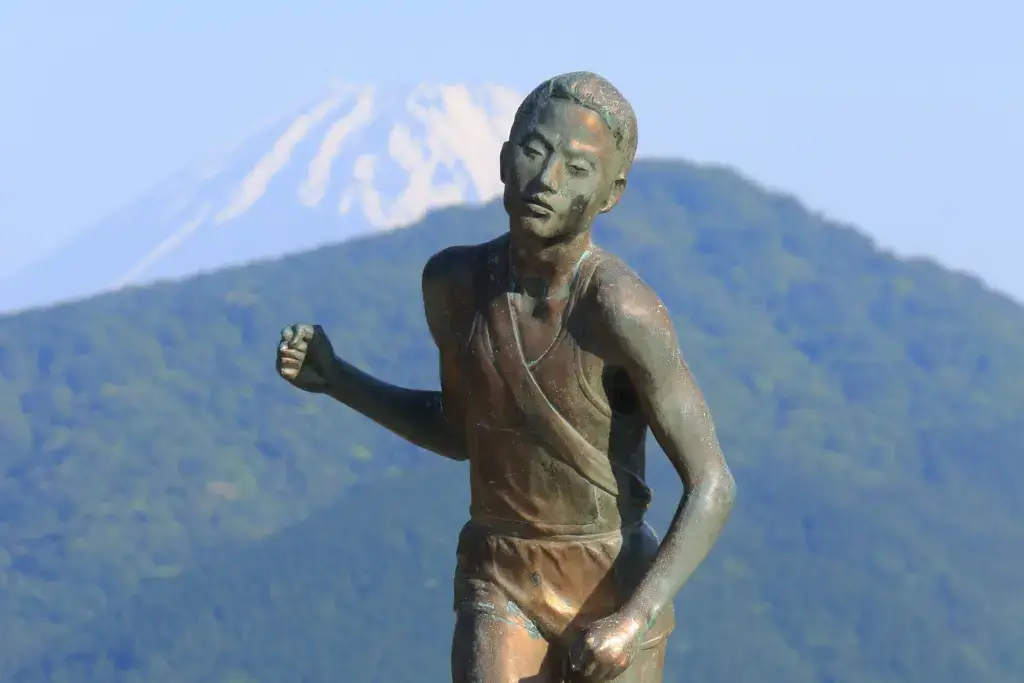
The Hakone Ekiden began in 1920 as a way to promote long-distance running in the country. Shiso Kanakuri, an athlete in the 1912 Olympics, helped establish it after his experiences abroad. Its name, ekiden, reflects the historical relay systems used for message delivery in ancient times.
When it was first established, only four universities participated in this challenging race. But when television broadcasts began in the 1980s, this boosted its popularity nationwide and turned it into a significant national event. It celebrated its 100th year in 2024.
The Ekiden Teams
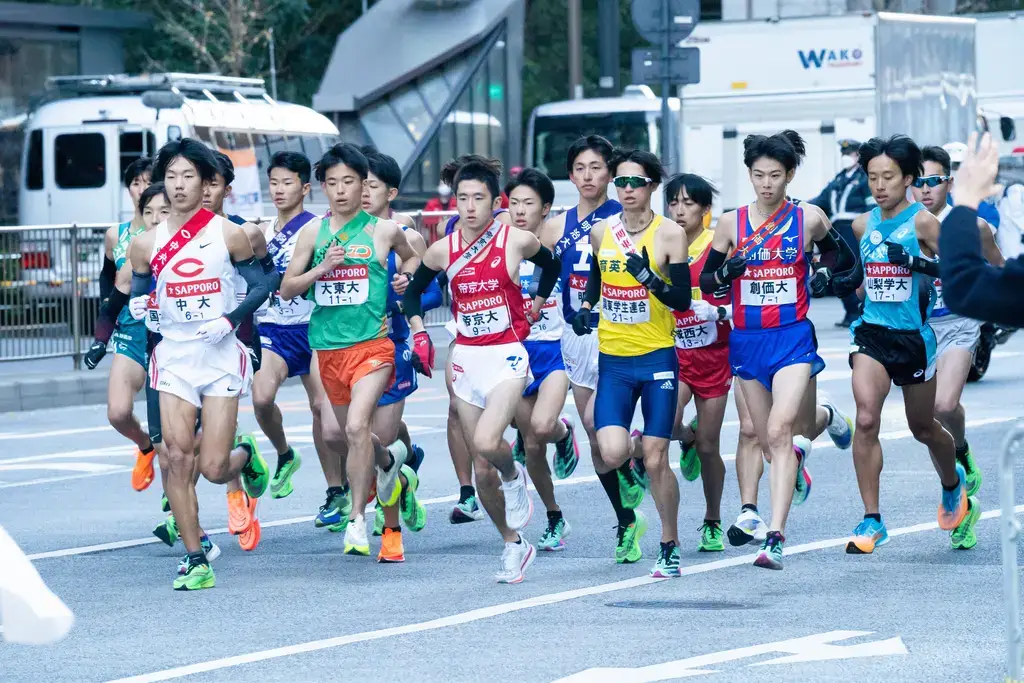
The Hakone Ekiden features 20 teams from Kanto region universities. There are five legs per day, each covering about 20 kilometers (12 miles) – about a half-marathon’s distance. The total distance is about 217 kilometers (134 miles). Each team consists of 10 runners passing a sash (tasuki) symbolizing continuity. Strategy is key to victory, so coaches assign relay leg sections based on each runner’s strengths. Weather also plays a crucial role; rain, cold, and wind all add an element of unpredictability to the competition.
The Route and Stages
The route of this two-day race runs between central Tokyo’s Otemachi district and Lake Ashi in Hakone. The first day covers the outbound journey from Tokyo to Kanagawa Prefecture, and the second day is the inbound return to the capital. Day one covers about 107 kilometers (66 miles) westward, passing through the cityscapes of Yokohama and the rural views of Odawara. The fifth stage, in particular, is known for its steep uphill climb that tests runners to their limits.
Relay points in locations like Tsurumi and Totsuka have great historical significance. They served the same purpose centuries ago, when professional runners called hikyaku (“flying feet”) relayed messages across the country during the Edo period (1603–1868). Day two reverses the course, starting with a downhill section. This part of the route also includes challenging hills that require careful pacing.
Are you looking for great winter snacks? Check out Sakuraco! Sakuraco sends traditional Japanese snacks, teas, and sweets from local makers straight to your door each month. They are perfect to enjoy with your daily drink.

Recent Winners and Records
In recent years, Aoyama Gakuin University has dominated the ekiden. In 2026, they secured their third consecutive victory, setting new record times for both days. The achievement was made even more notable by the race honoring a lost teammate. The overall course record now stands at 10 hours, 37 minutes, and 34 seconds.
How is the Hakone Ekiden significant in Japanese culture?
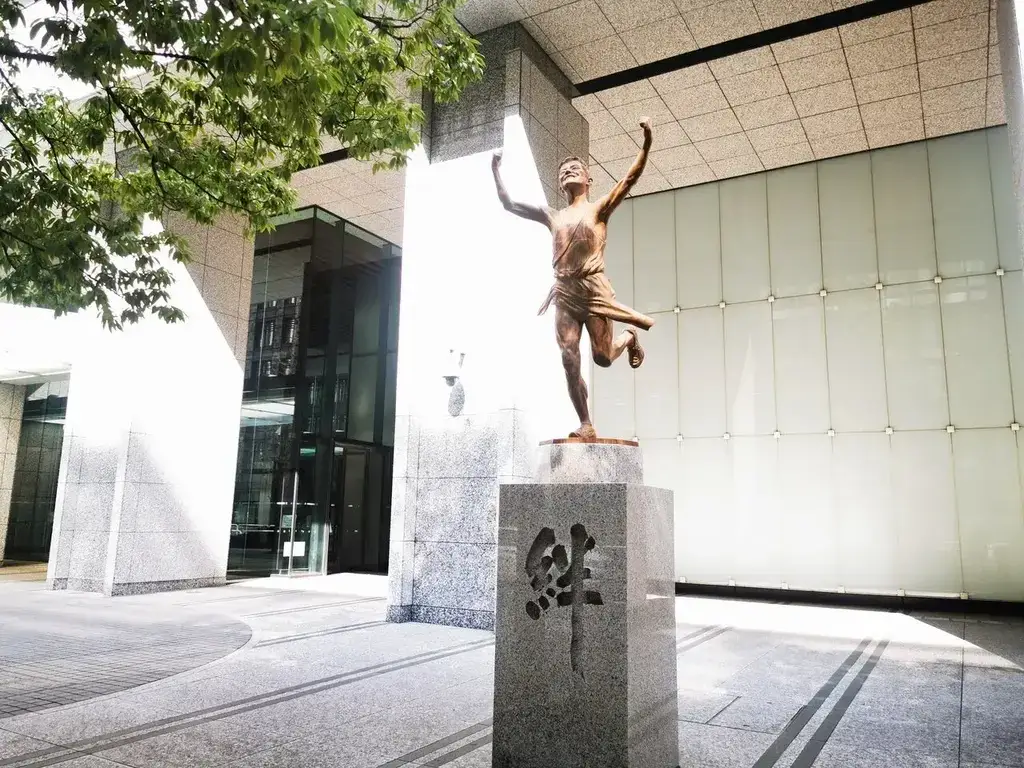
This event is a major New Year tradition in Japan and extremely popular. It is known for its massive live television viewership, often exceeding thirty percent of the country’s population. Media coverage and promotion also serve to promote sports among youth. The competitors become national heroes, acting as role models for the nation’s younger generations. Aside from actually winning the race, it is also associated with the value of perseverance known as gaman in Japanese, and is a way to strengthen school spirit. The prestige of participating in the race also enables universities to recruit talented athletes.
Why does the Hakone Ekiden matter in Japan?
The Hakone Ekiden matters in Japan because it unites people on multiple levels. At the municipal level, it creates and maintains a friendly working relationship between the prefectures of Tokyo and Hakone. On a human level, it is even more critical. It drives students to succeed academically, physically, and competitively through its connections with the country’s top universities.
The displays of teamwork, resilience, and the admiration earned by the competitors also inspire future athletes to do the same. Government support, widespread media coverage, and unprecedented viewership ensure this message reaches young people nationwide.
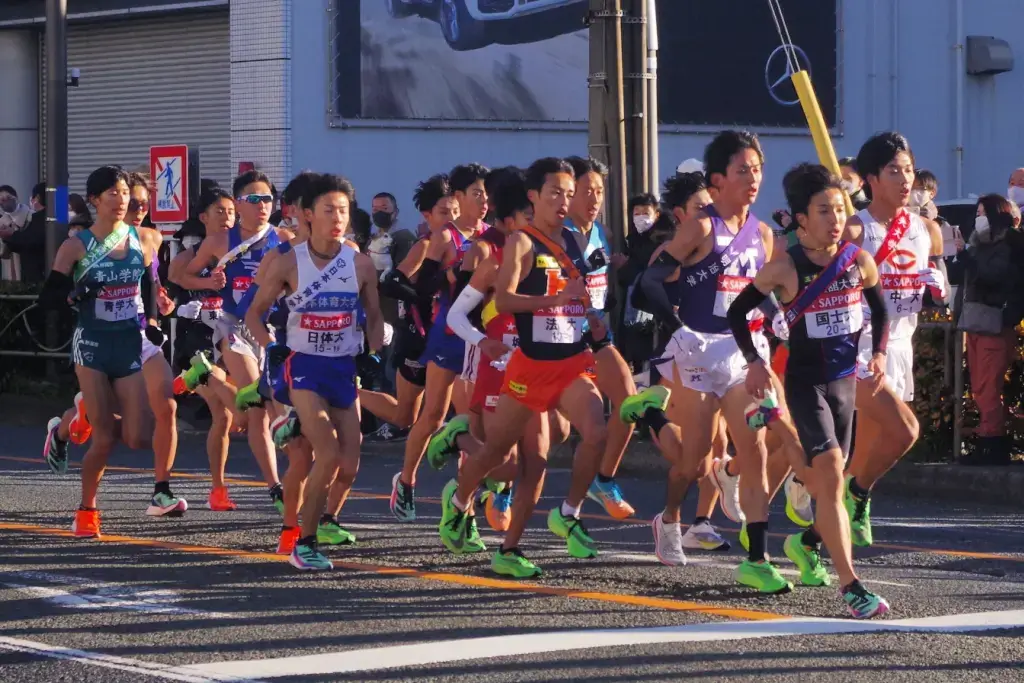
Every year, thousands of spectators line the streets to cheer racers along the route. And if you’re willing to brave the cold, you can do the same and view the event live. Its timing aligns with the Japanese New Year holiday period, making it easy to plan a visit. Proximity to major train stations, such as Odawara, makes many segments easily accessible to visitors. Entry to viewing areas is free, but crowds require early arrival.
Spectators appreciate the drama, close finishes, and upsets, creating an unexpectedly lively atmosphere. The Hakone Ekiden is an excellent opportunity to witness determination, take part in one of the country’s most iconic events, and show support for the athletes. Have you visited Hakone during the event? Share your thoughts on or experiences with this iconic race in the comments below!