


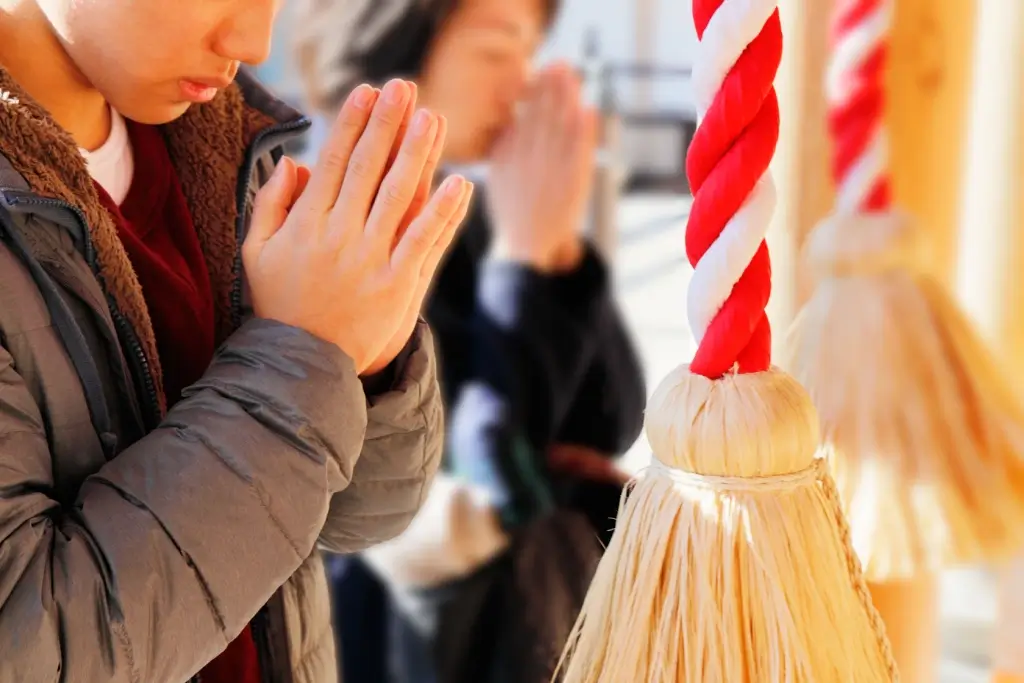
Hatsumode is the first visit to a shrine or temple in the New Year in Japan, and it is one of the country’s most important traditions. Every year, millions of people participate, demonstrating the profound connection between this custom and daily life. Families, friends, and visitors gather to pray for health, good luck, and success in the coming year. Hatsumode remains popular because it provides a positive way to start the year.
What Hatsumode Is and Why It Lasts
Hatsumode typically occurs between January 1st and January 3rd, which are public holidays in Japan. During this time, people visit Shinto shrines, Buddhist temples, or sometimes both, depending on personal preference. Visitors typically pray quietly and follow established customs at the site. Many ring bells, bow, or offer coins before making a prayer. Some people choose to visit early in the morning to avoid crowds.
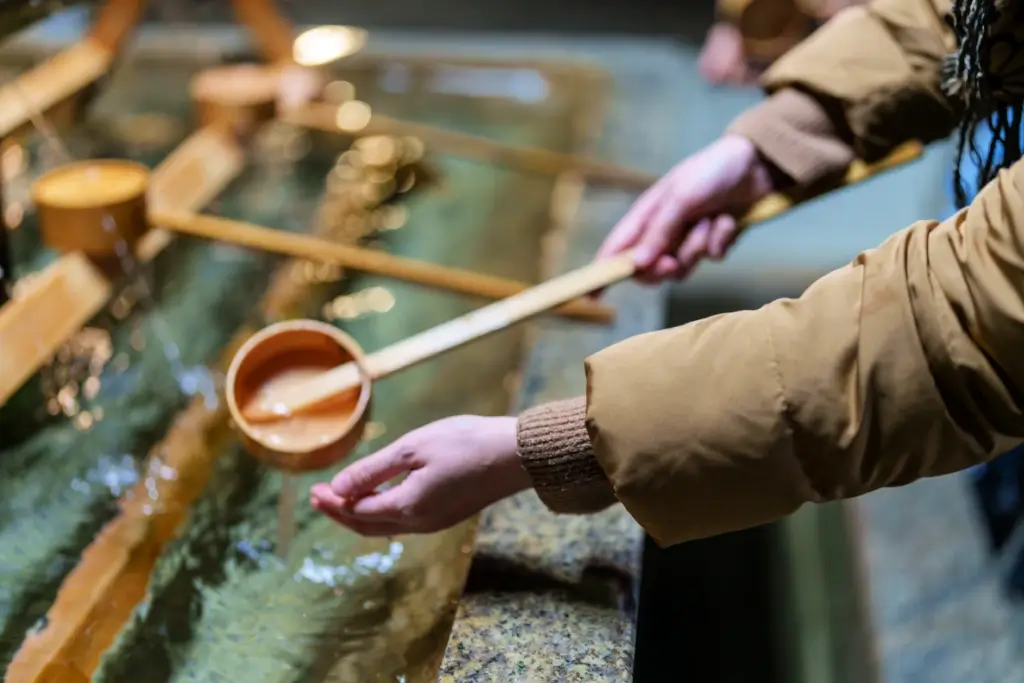
Famous places like Meiji Jingu in Tokyo and Fushimi Inari Taisha in Kyoto welcome millions of visitors each year. Their extensive grounds make it easier for families and tourists to join together. At the same time, many people choose small neighborhood shrines close to home. Others prefer later visits when the atmosphere is calmer. This helps local traditions stay strong. Having many choices makes hatsumode easy for everyone to enjoy.
Cultural Values That Shape Hatsumode
Hatsumode embodies the cultural significance of starting the year with a clear and focused mindset. During the visit, people think about the previous year and their personal behavior. They often consider what they want to change or improve moving forward. Gratitude is also an essential part of the visit. Many people give thanks for daily safety, work, and family support. These values shape how the New Year is approached.
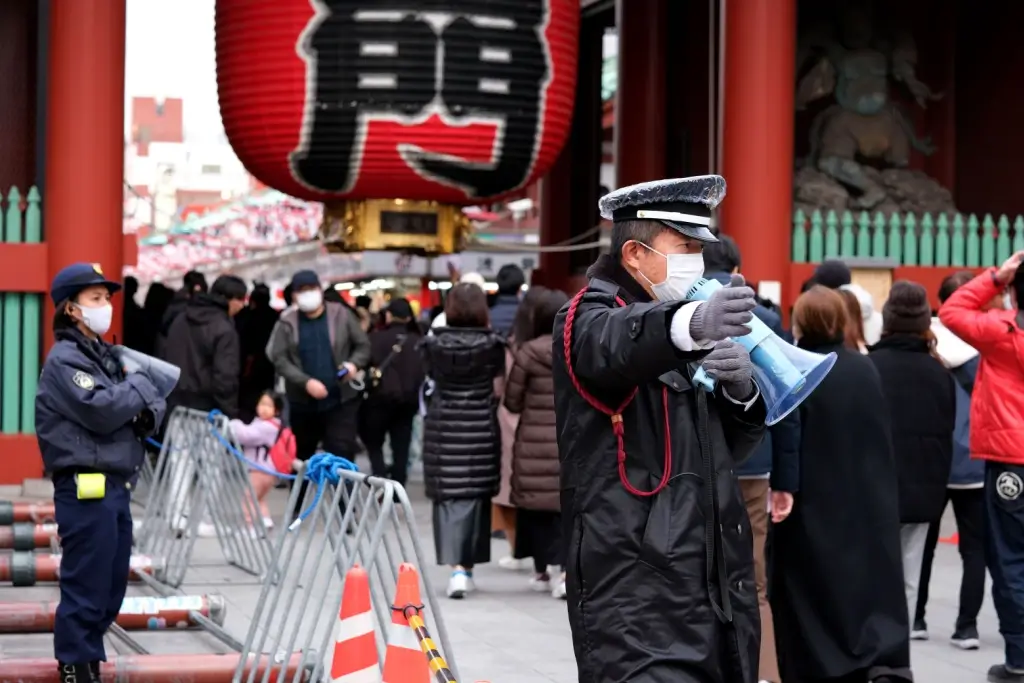
Families often attend hatsumode together, which strengthens its role in everyday life. Parents and grandparents show children how to behave respectfully at shrines. Children learn proper behavior by observing adults rather than through formal instruction. These visits become annual family routines. Over time, they form shared experiences that children remember as they grow older. This process helps the tradition continue naturally.
Key Rituals People Perform During Hatsumode
One everyday ritual during hatsumode is offering coins before making a prayer. People usually bow twice, clap twice, and bow once more afterward. This pattern is explained on signs at many shrines. First-time visitors can follow the steps without difficulty. Most prayers are made silently and privately. The focus is usually on personal goals or concerns.
Another everyday activity is purchasing omamori, which are protective charms. Each charm is designed for a specific purpose, such as health, education, or safe travel. Many people keep these charms in bags or wallets throughout the year. Some people replace old charms with new ones each year on New Year’s. This practice helps mark the passing of time. It also reinforces the yearly nature of the tradition.

Why Hatsumode Attracts So Many Visitors
One reason hatsumode is so popular is that it is easy to join. Shrines and temples can be found everywhere in Japan. People do not need to spend a lot of money or plan far in advance. The familiar and straightforward routine also feels comforting at the start of a new year. This makes the tradition welcoming to many people.
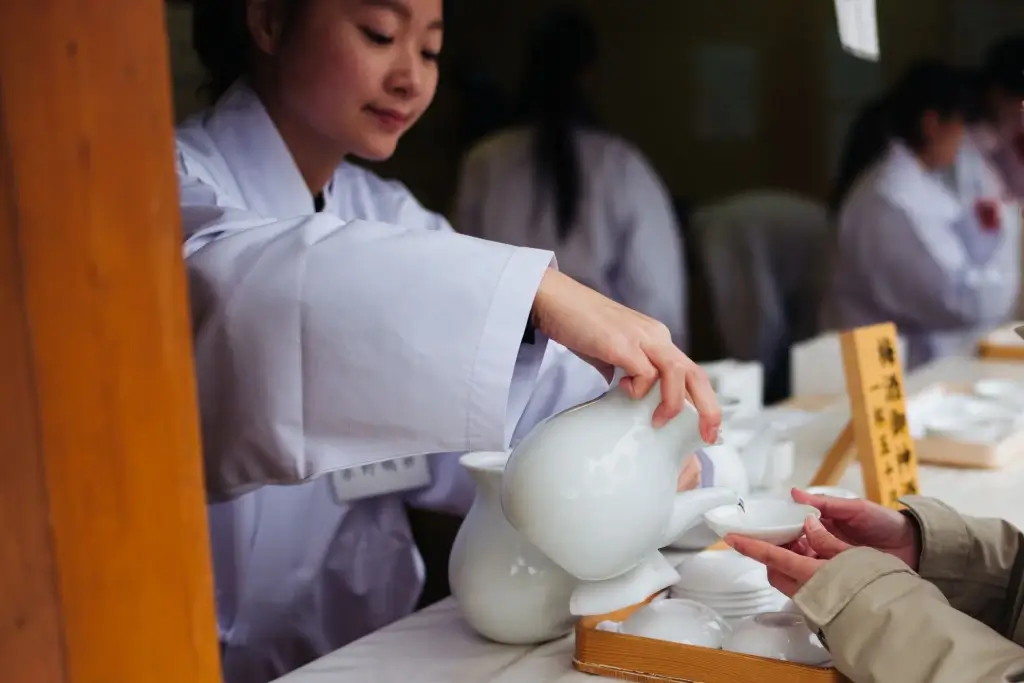
Another reason is the shared social atmosphere surrounding the event. Areas near shrines become busy during the New Year holidays. Food stalls and seasonal decorations often appear nearby. People exchange greetings and wish each other good luck. Even those who are not religious enjoy participating in the event. The experience feels social while remaining organized.
Modern Changes to the Tradition
In recent years, shrines have added new systems to control crowds more safely. Some now offer online omikuji or virtual prayers for those who cannot visit in person. These options help people stay connected to the tradition. Younger people often like the convenience of digital choices. Technology helps hatsumode continue in a modern world.
Social media has also changed how people enjoy hatsumode. Many visitors share photos of their visits, charms, and fortunes online. This inspires others to join and spreads awareness worldwide. Some travelers plan winter trips to Japan just to experience hatsumode. These changes help the tradition reach new people.
Why should I participate in hatsumode?
Participating in hatsumode offers a structured way to start the New Year. The visit encourages people to reflect on priorities and responsibilities. The shrine environment is orderly and calm, even during busy periods. No special religious knowledge is required to participate. Visitors can observe others and follow along comfortably. This makes the experience low-pressure.
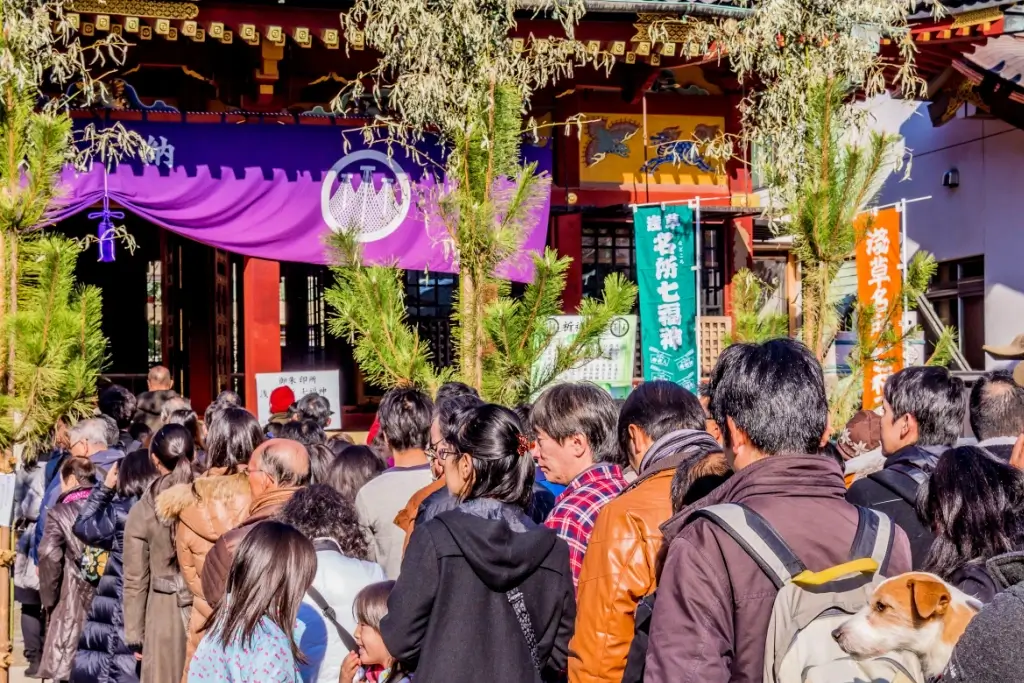
Hatsumode also creates a shared moment across the country. Millions of people participate during the same short period. The visit combines routine behavior with personal reflection. Even non-religious visitors often find the experience meaningful.
The tradition feels inclusive and practical. Overall, hatsumode remains popular because it offers a calm and meaningful way to welcome the New Year. Have you ever participated in hatsumode? What was your experience like? Let us know in the comments below!