

Japan’s artistic traditions draw from its deep cultural roots. Calligraphy is one of its most popular forms; it is taught in schools both as a subject and as an art, and is used every day. At higher levels of study, it requires balance, flow, and inner discipline. The result is an art form unique to the island chain. But, despite its Japanese heritage, it has many things in common with a similar form of expression from thousands of miles away – Arabic calligraphy.
This similar tradition also elevates writing to a higher level. Both forms blend language, beauty, and philosophy, serving as tools for meditation and worship. How do these two distant skills relate to each other? Today, we will learn about the similarities between Japanese and Arabic calligraphy, their shared spirit, and the quiet mindset that connects them.
What is Japanese calligraphy?
In its simplest form, this is the art of writing kanji and kana characters on paper. “Shodo”, the Japanese word for calligraphy, literally means “the way of writing”, but the art form draws heavily from Zen Buddhist principles,
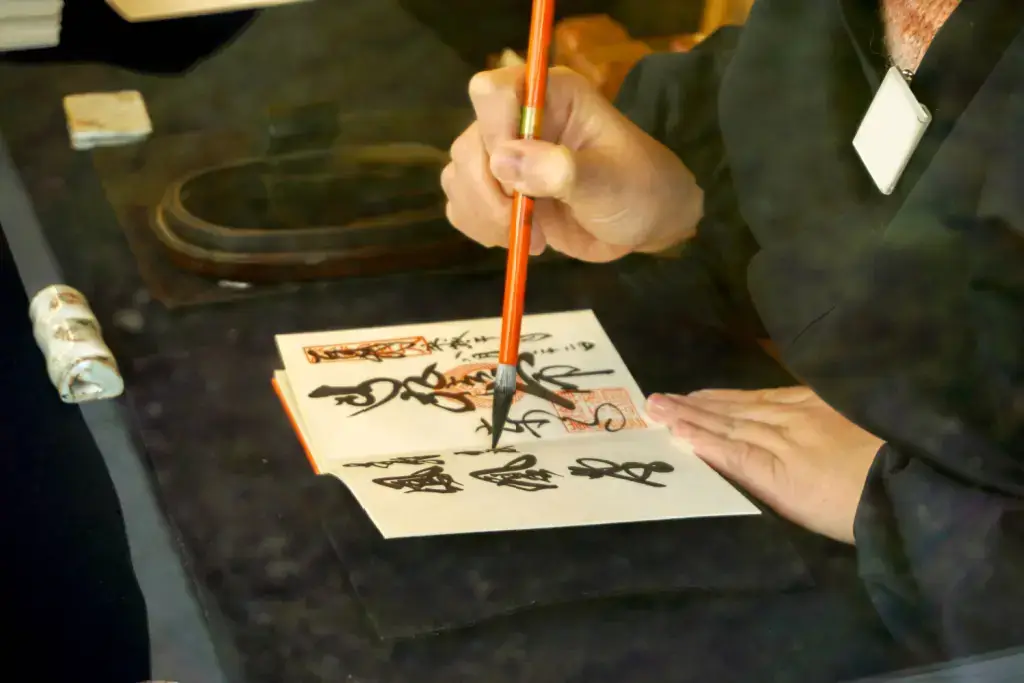
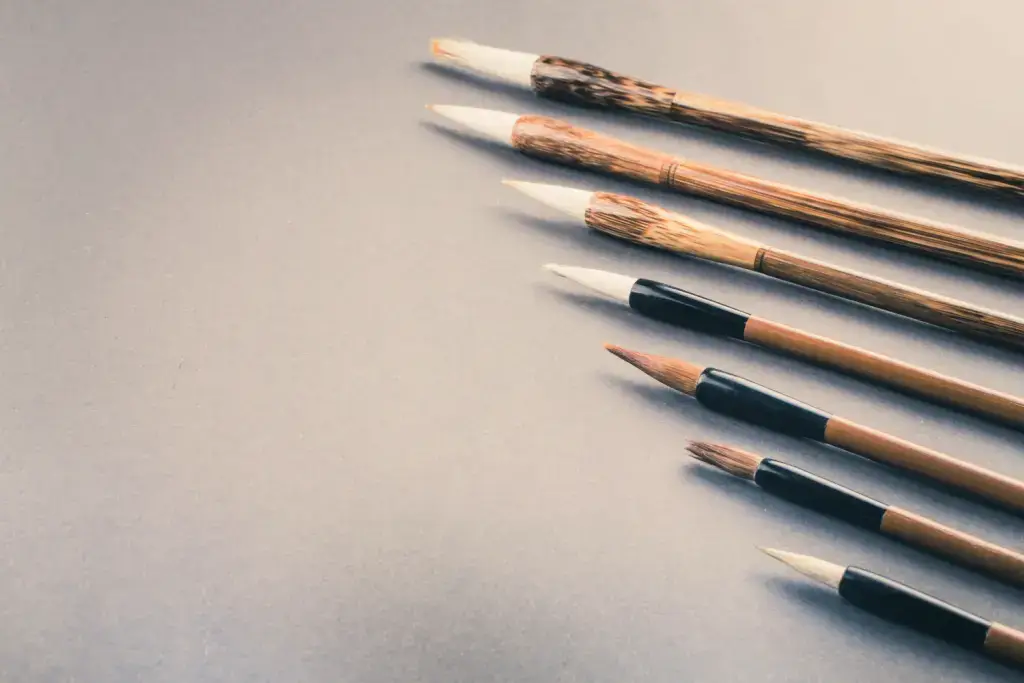
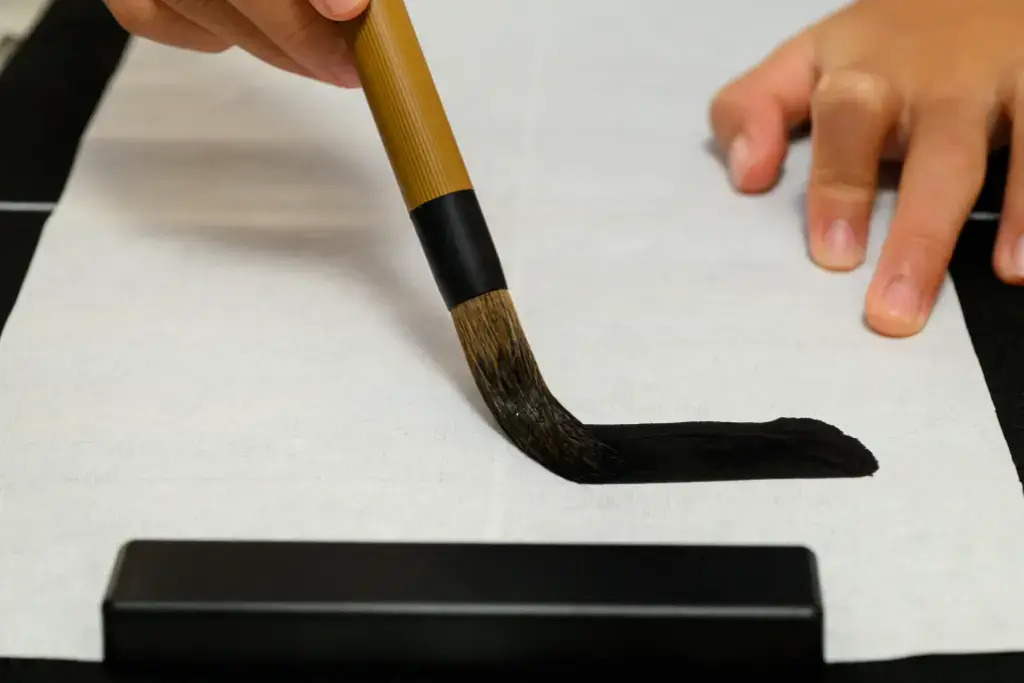
The essential tools used in shodo – brushes, washi paper, sumi ink, and the inkstone – are known as the “bunbou shihou”, or the “Four Treasures of the Study”. They take years to perfect, and each stroke carries both literal and spiritual meanings. The aim of shodo is honest expression rather than flawless technique.
What is Arabic calligraphy?
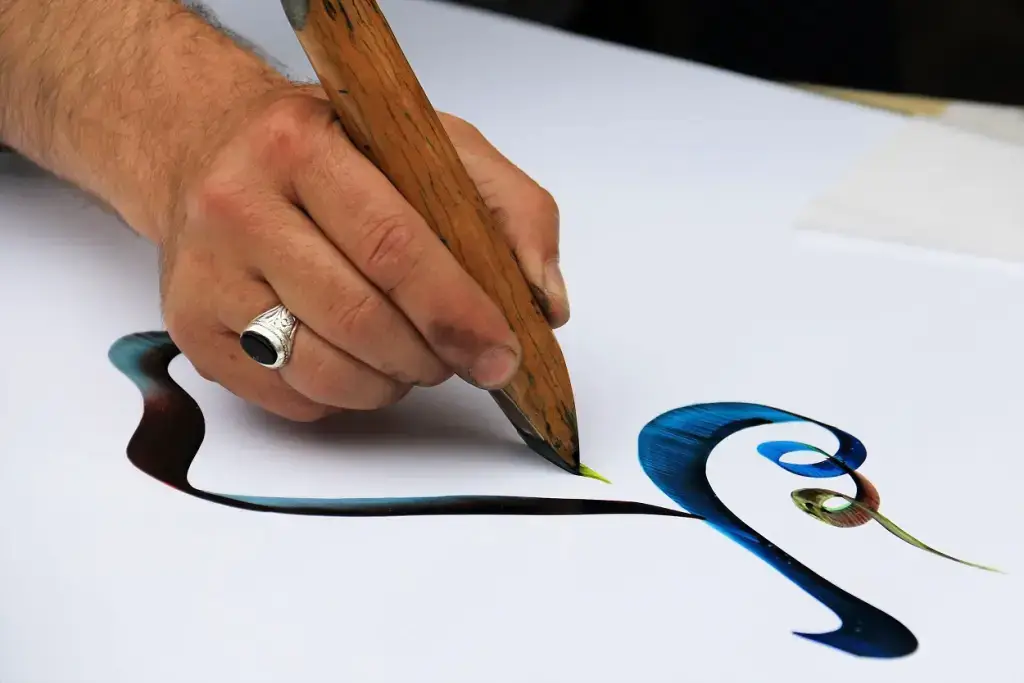
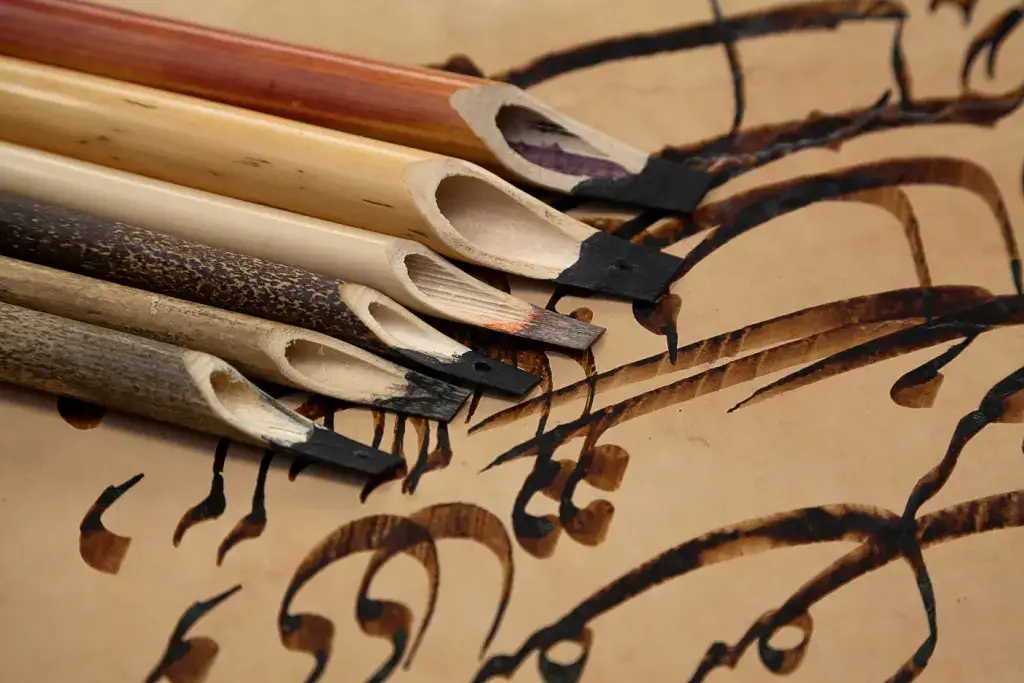
Khatt is the practice of writing Arabic characters, and holds the highest place among Islamic visual arts. The name is derived from the Arabic word for “line”, describing the strokes used to create each letter. This art form prioritizes visual harmony, so the symmetry and proportions of each character are of great importance. This has led to the development of different styles such as Naskh, Thuluth, and Diwani. Students of Khatt usually write verses from the Quran, poetry, or inspirational phrases.
How are the two art forms similar?
Although they developed independently, Japanese and Arabic calligraphy are similar in many ways:
Writing as a Serious Art Form
Both traditions view writing as more than just a tool for everyday use. Instead, they treat it as a fine art with deep aesthetic importance. Each believes that a character stroke is more than a simple line on a piece of paper. The varying thickness of the strokes, the spacing between the letters, and the appearance of these as a whole are all important. The final outcome is judged on readability, as well as overall power and beauty.
A Lifetime of Strict Training
Shodo and khatt require many years of serious practice, as only long-term dedication produces exceptional work. To become a master, studies usually begin at a very young age under the guidance of experienced, strict teachers. During this time, students learn precise movement, proper posture, and grip. Lessons involve endless repetition of basic strokes and forms over many decades.
The Artist’s Inner State Shapes the Work
In these traditions, the calligrapher’s body, mind, and spirit influence the outcome. Intense mental focus, emotional balance, and even breath control matter just as much as technical skill. This changes the process from simple writing to inner discipline. In shodo, a character stroke and even its imperfections can reveal the calligrapher’s true feeling and state of mind at the moment. In khatt, the precise lines evidence the required concentration, and the artistic style shows understanding of the writing’s context.
Elevating Sacred and Poetic Texts
Another similarity is the relationship between both arts and religion. They are used to transcribe sacred texts, and the results are often displayed in places of reflection or worship. Whilst Japanese calligraphers copy classical Buddhist sutras, their Arabic counterparts transcribe verses from the Quran. The shared goal is to raise the text to a higher level of beauty, but an understanding of its meaning is required to do so. For this reason, practitioners have a deep knowledge of religion and the art itself.
Are you looking for great snacks after learning about calligraphy? Check out Sakuraco! Sakuraco sends traditional Japanese snacks, teas, and sweets from local makers straight to your door each month!
Why Does the Relationship Between Japanese and Arabic Calligraphy Matter?
The relationship between Japanese and Arabic calligraphy matters because it shows that traditions from different countries can mirror each other in many ways. Both turn writing into a sacred discipline despite being separated by distance, history, and culture,
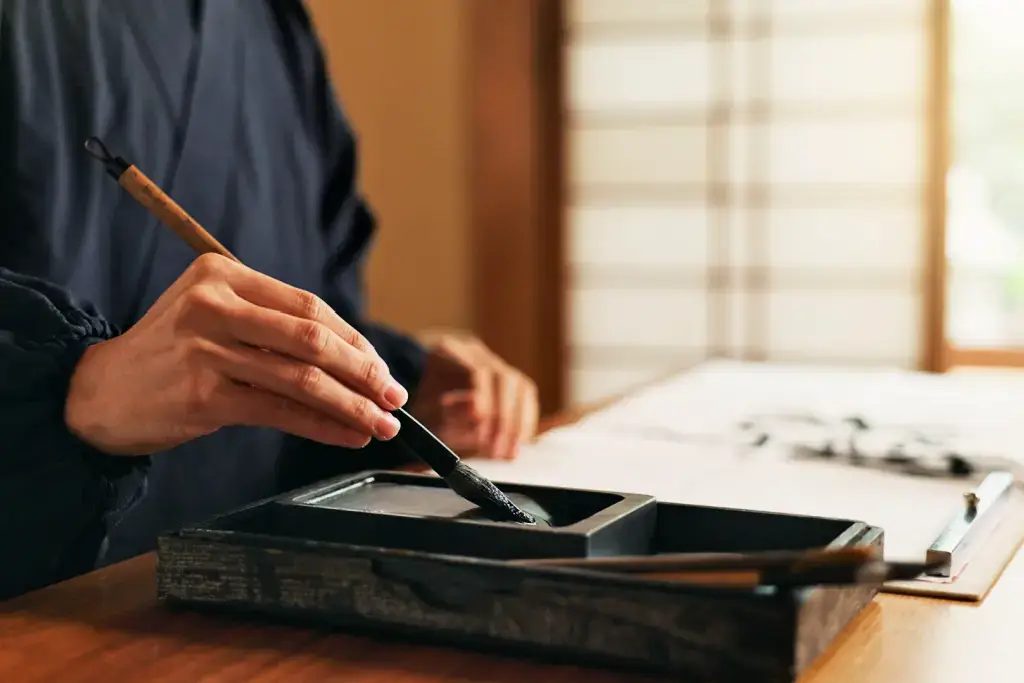
Their differences, such as vertical flow versus horizontal and free flow versus order, highlight cultural variety. Yet the shared values of beauty, training, and intent create many common points. They show that artistic values speak a common language and that different approaches can yield the same level of reverence for a skill. Their similarities remind us that human expression can cross great distances.
Do you have any experience with Japanese and Arabic calligraphy? Have you ever taken part in a workshop or studied either skills? In what other ways are the two similar to each other? Share your thoughts or favorite examples of either in the comments, and start a conversation!