


If you’re a fan of Japanese lacquerware, Wajima-nuri is a name you should know. Its deep shine, smooth finish, and incredible strength come from centuries of skill passed down in a small coastal city in Ishikawa. Today, let’s examine how it is made, the history that has shaped it, and the features that make it stand out. We will also look at how artisans are rebuilding after the Noto Earthquake.
What is Wajima-nuri? A Guide to Ishikawa’s Famous Lacquerware
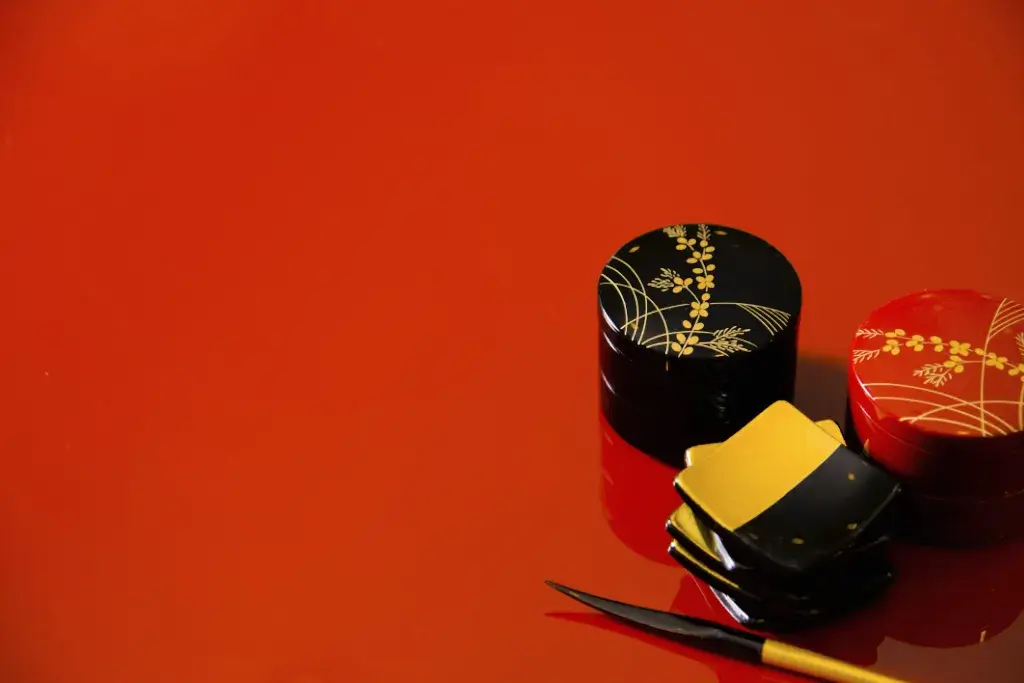
Wajima-nuri is a traditional form of Japanese lacquerware created in Wajima, a small coastal city in Ishikawa Prefecture. The craft has a long history, and many families in the region have passed down their skills for generations. When people talk about the region, they often describe the deep shine of the lacquer, the smooth texture, and the feeling of strength in each piece. These qualities come from a production process that is slow, careful, and highly skilled.
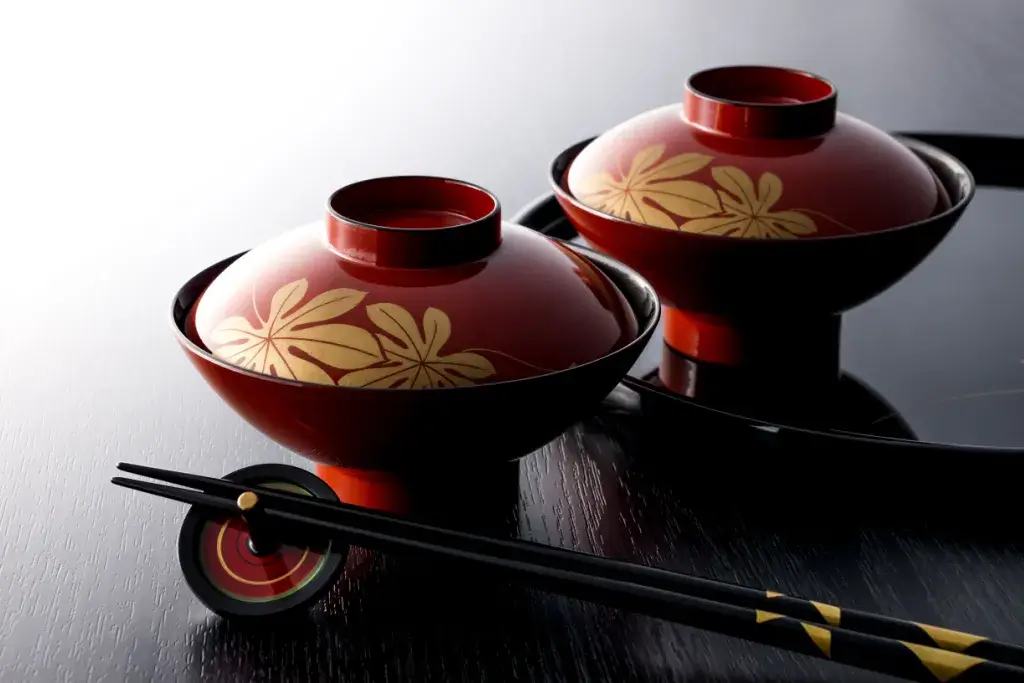
Every piece begins with natural wood. Artisans carve and shape it by hand, choosing materials such as zelkova or Japanese cypress for their strength and beauty. After the wooden base is complete, layers of lacquer are applied. Lacquer is made from the sap of the urushi tree, and it dries slowly, so each layer needs time to harden before the next one is added. This creates a strong, glossy surface that lasts for many years.
The History of Wajima-nuri: 600 Years of Craft and Culture
The craft has roots that stretch back more than 600 years. It originated in the Muromachi period (1336-1573), when local artisans began using the Noto Peninsula’s abundant natural resources. By working with urushi lacquer and diatomaceous earth, they created everyday items that were both durable and beautifully polished. Over time, techniques became more refined, and the region grew into a major lacquerware center.
By the Edo period (1603-1868), its pieces were prized across Japan for their durability and elegant designs. Families passed skills from one generation to the next, creating a community where artisanship shaped daily life. Today, this long history continues through dedicated artisans who also keep the tradition alive.
Key Characteristics of Wajima-nuri Lacquerware
One of the hallmarks of lacquerware is the foundation layer, made with jinoko, a powder derived from local diatomaceous earth. Artisans mix this powder with lacquer to form a thick undercoat that strengthens the piece and protects it from wear. This step requires great skill because the mixture must be applied evenly and smoothly.
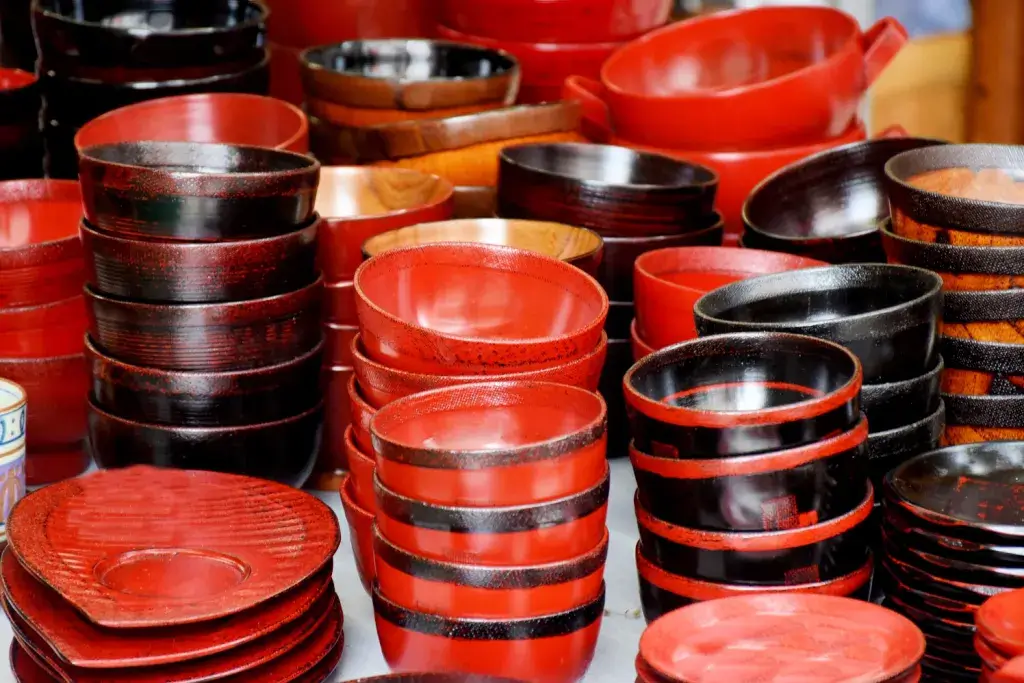
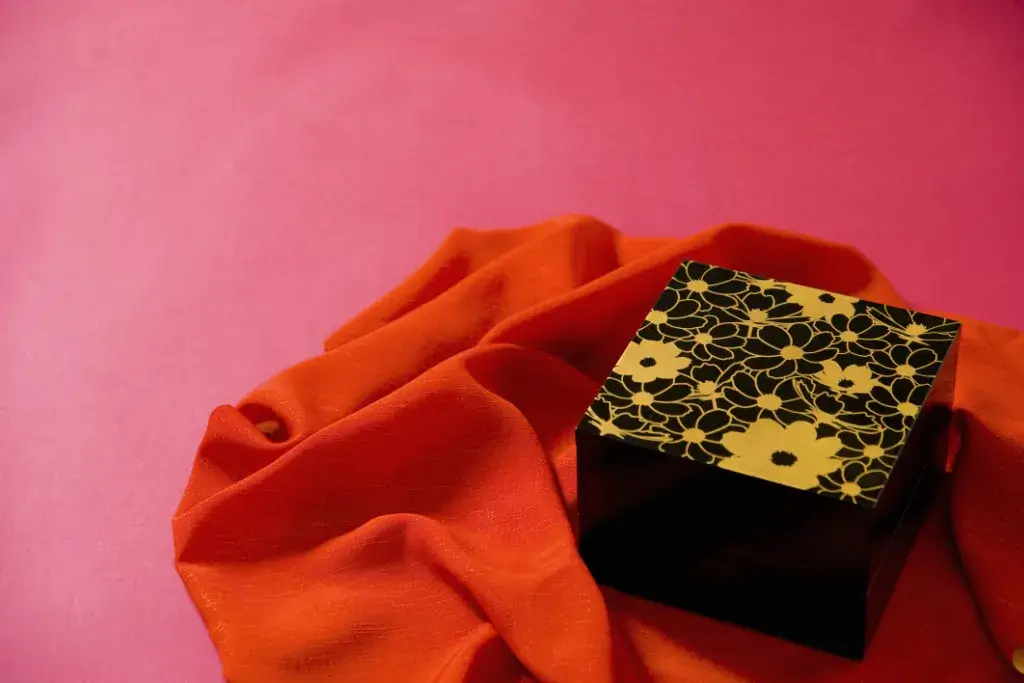
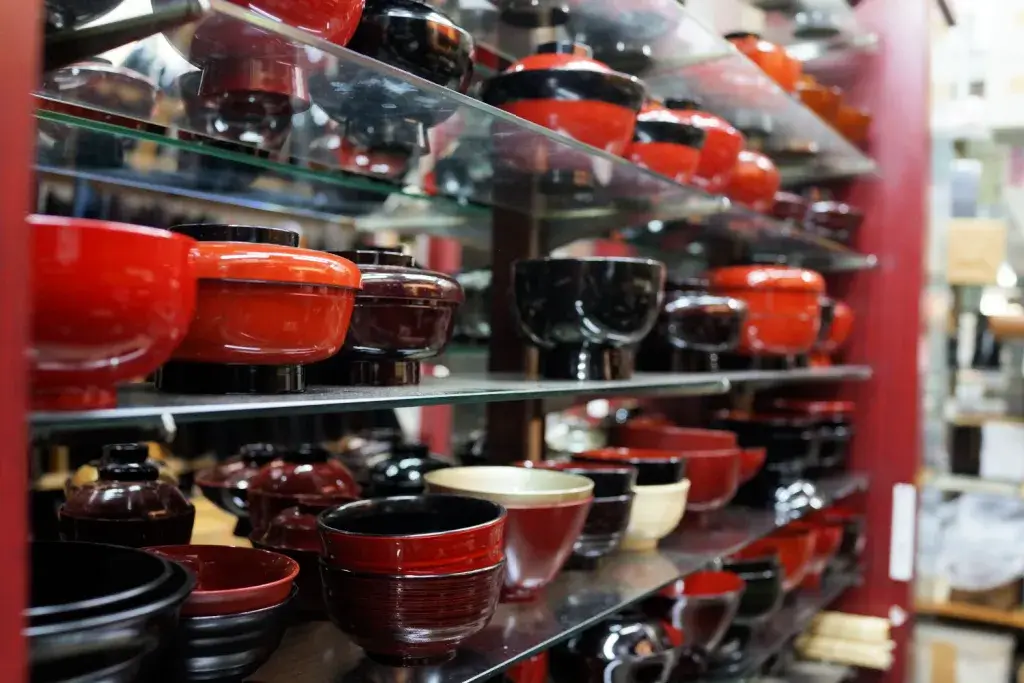
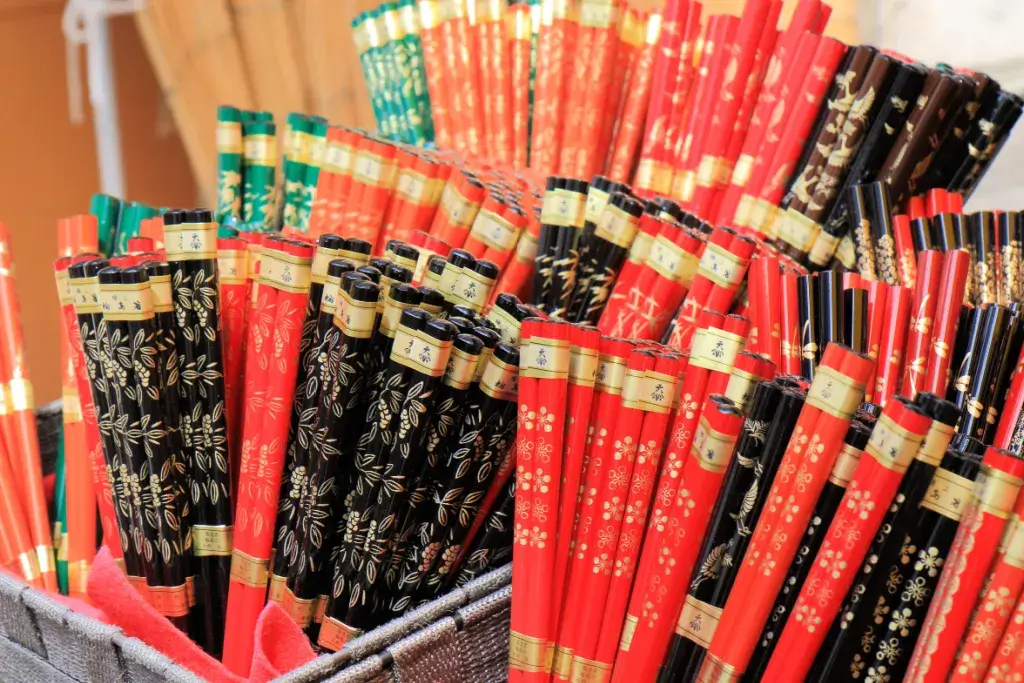
Many artisans contribute to the creation of a single item. Some shape the wood, others apply the lacquer, and others specialize in decoration. Designs may include gold dust, carving, or hand-painted patterns inspired by nature and local culture. Wajima-nuri pieces are intended for use, not just display. With daily use, the lacquer becomes richer and more beautiful over time. As a result, people often treasure these items as family heirlooms, valuing them for both their artistry and their connection to the region’s long-standing traditions.
Are you looking for snacks that capture the essence of unique Japanese regions? Check out Sakuraco! Sakuraco delivers classic Japanese teas, ceramics, and sweets from local Japanese businesses straight to your door!

Effects of the Noto Earthquake on Wajima-nuri
The Noto Peninsula Earthquake on January 1, 2024, caused significant damage to Wajima and had a profound impact on the world of Wajima-nuri. Many parts of the city collapsed or burned, and more than a dozen lacquerware studios were lost entirely. Others were severely damaged or left standing on unstable ground. Entire neighborhoods display signs of landslides, fire, and cracked buildings, and the scale of destruction remains visible across the city.
For artisans, the loss was both personal and physical. Many lost their homes, workshops, and tools that had been used for generations. Some artisans relocated to temporary studios, while others moved to nearby towns. One well-known studio, Kirimoto, rebuilt a temporary workspace with the support of architect Shigeru Ban, allowing their team to restart production even under challenging conditions.
What recovery efforts have been made?
Many other workshops began operating in makeshift spaces, driven by a strong desire to keep the craft alive. Tourism also became an unexpected source of support. A project called the “Discover Noto Tour” invited international visitors to meet artisans, view the damage firsthand, and learn techniques like chinkin gold-inlay. These visits helped people understand both the beauty of the craft and the challenges it faces in its recovery.
Artisans such as Kodai Taya, whose own workshop was destroyed, guided visitors and shared how they are rebuilding their craft from the ground up. Reconstruction efforts include restoring damaged lacquerware using traditional repair methods such as nuno-kise, which reinforces cracked wood with cloth before reapplying lacquer. These techniques show how resilience is built into the lacquerware itself.
Although rebuilding is slow due to soil liquefaction, damaged roads, and ongoing safety concerns, the community’s determination is strong. Local artisans, volunteers, and supporters from across Japan continue to work together. Their shared effort is helping the craft move forward—one repaired bowl, one rebuilt workshop, and one hopeful step at a time.
Why is it important to know about Wajima-nuri?
Understanding Wajima-nuri helps us appreciate the culture and people of Ishikawa prefecture. It carries centuries of knowledge, and every piece reflects the skills of many artisans working together. When we learn about lacquerware, we see the considerable effort that goes into shaping the wood, applying each coat of lacquer, and adding decoration by hand. This knowledge gives us a deeper appreciation for the time and care that went into creating the objects we use.
Knowing about the craft also matters because the craft is facing a difficult moment. The Noto Earthquake damaged workshops, homes, tools, and materials that families relied on for generations. Many artisans are working in temporary spaces while they rebuild their lives and businesses. By learning about their work, we help share their story and support their path toward recovery. Does your country have something similar to Wajima lacquerware restoration? Let us know in the comments below!