


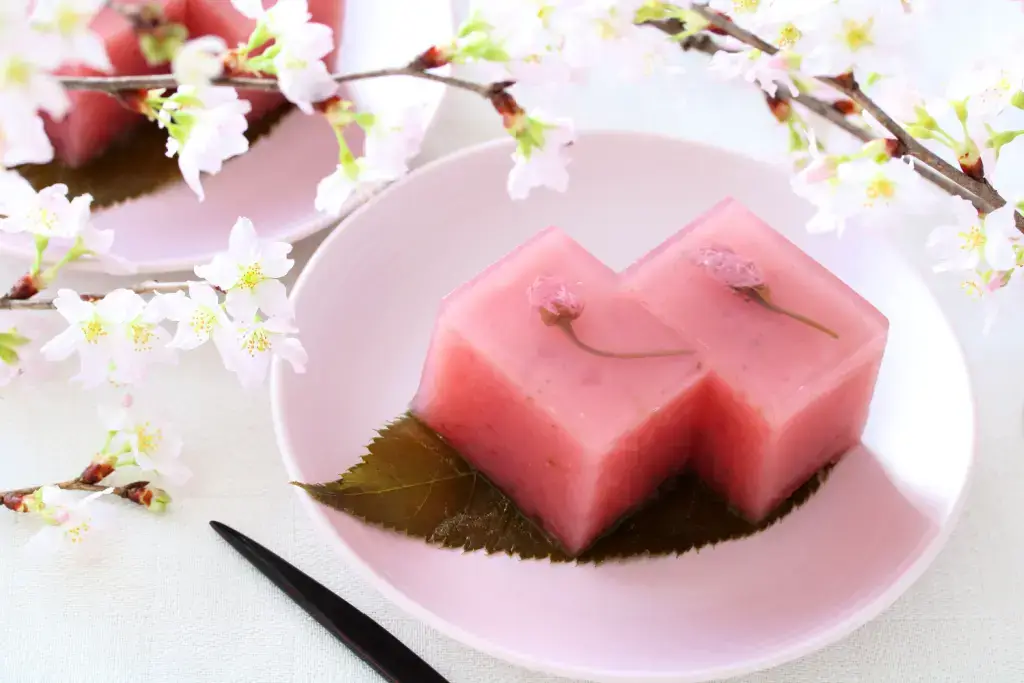
Jelly wagashi brings a touch of elegance to Japan’s confectionery traditions. This dish offers a light and cooling alternative to denser sweets like mochi or festival pastries. Crafted from agar, a seaweed-based gelling agent, these translucent delights capture subtle flavors of fruit, tea, or seasonal blossoms. Their luminous clarity often reveals layered hues or intricate designs. They showcase the refined artistry preserved by generations of wagashi craftsmen.
Where does this wagashi come from?
Wagashi makers first turned to agar centuries ago during the Edo period, when Buddhist monks introduced it as a clear alternative to animal-based gelatins. This allowed sweets to shimmer with natural clarity while adhering to dietary customs observed in temples and homes alike. This innovation opened the door for jelly wagashi to embody seasonal themes.
Artisans would mold them into shapes inspired by nature, such as maple leaves in autumn or plum blossoms in late winter, that shift subtly with the light as they sit on a plate. Over time, these jellies evolved from simple monastic fare into elegant offerings at tea ceremonies. Their subtle tremble and clean release from the mold signal the host’s skill and attention to detail.
Yokan
Yokan stands as one of the most enduring jelly wagashi varieties. It is made by simmering azuki red beans with sugar and agar until the mixture thickens into a glossy, sliceable block that holds its form even on warm days. Artisans often infuse yokan with matcha for an earthy green hue or chestnut paste for subtle nuttiness.
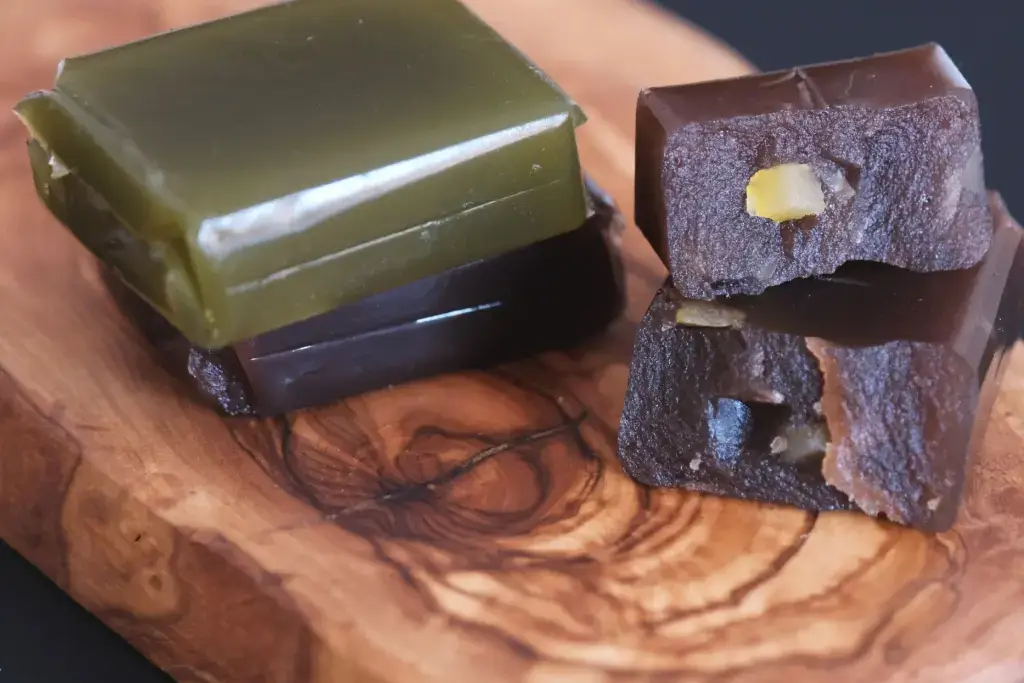
This creates a smooth density that yields just enough under the teeth to feel substantial without overwhelming the palate during a quiet afternoon with tea. Traditional neri yokan stays softer and more pudding-like, spreadable on rice crackers. The firmer mizu yokan lightens up for summer by incorporating more water; its surface is sometimes dusted with kinako, a soybean flour, to add a whisper of toasted aroma that complements the bean base perfectly.
Kingyoku
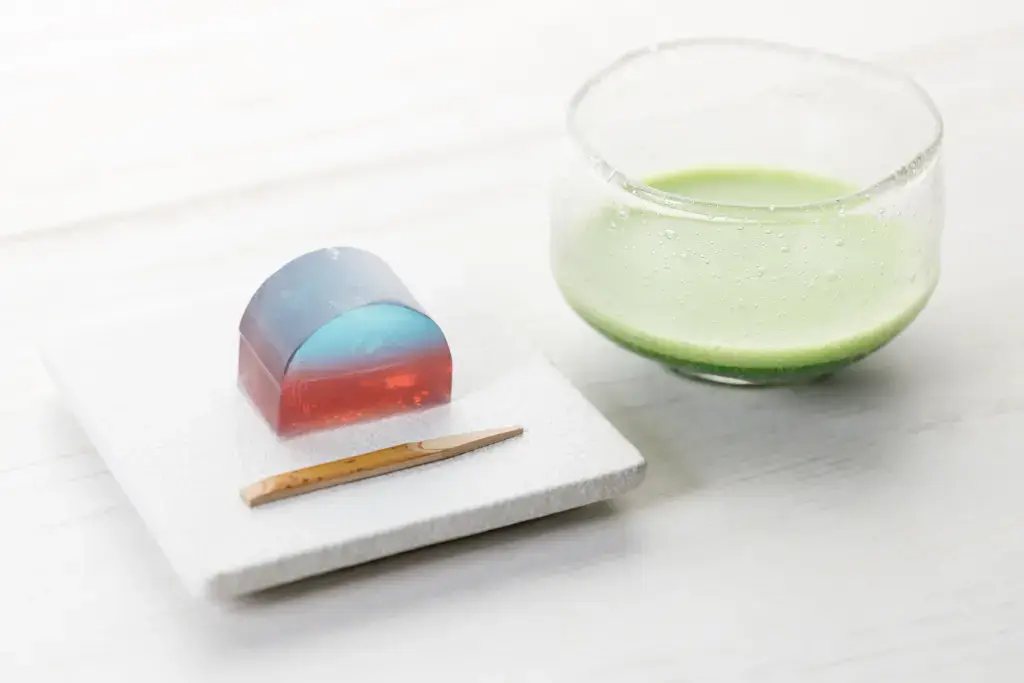
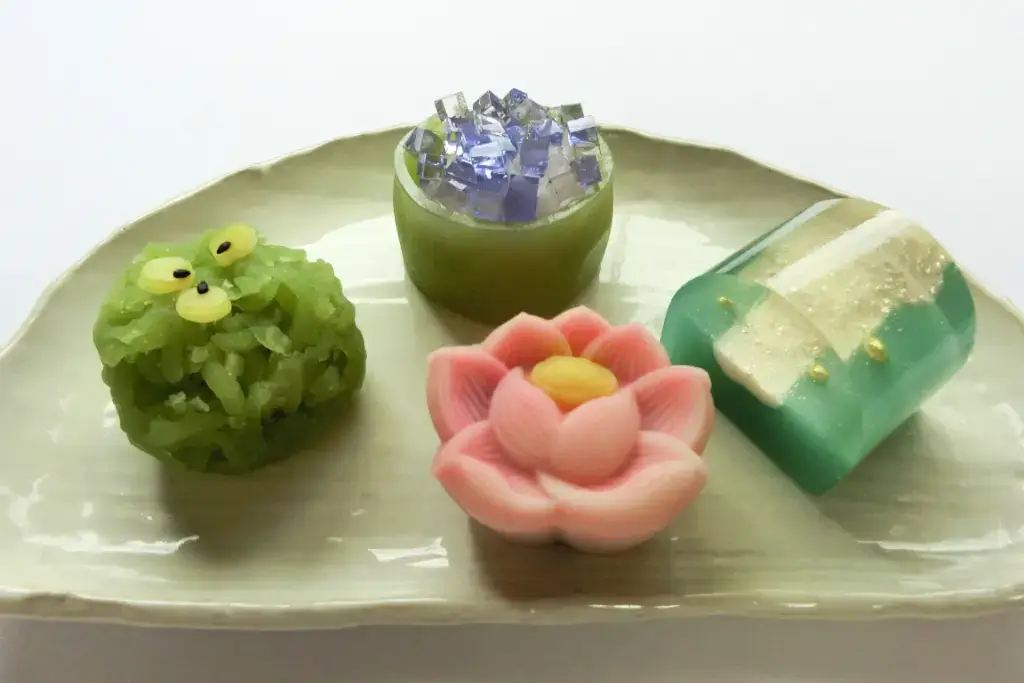
Kingyoku, often called “jewel cube,” takes jelly wagashi into a sparkling realm by cutting clear agar gels into precise diamond shapes that catch the light like faceted gems. Makers layer these translucent pieces in syrup baths or suspend edible flowers within the set gel. This allows for a texture where the outer firmness gives way to a juicy core that refreshes during humid festival seasons. Served chilled in small glass dishes, kingyoku invites guests to admire its prismatic glow before savoring the clean, fleeting flavors that evaporate quickly, leaving behind only a faint memory of sweetness on the breath.
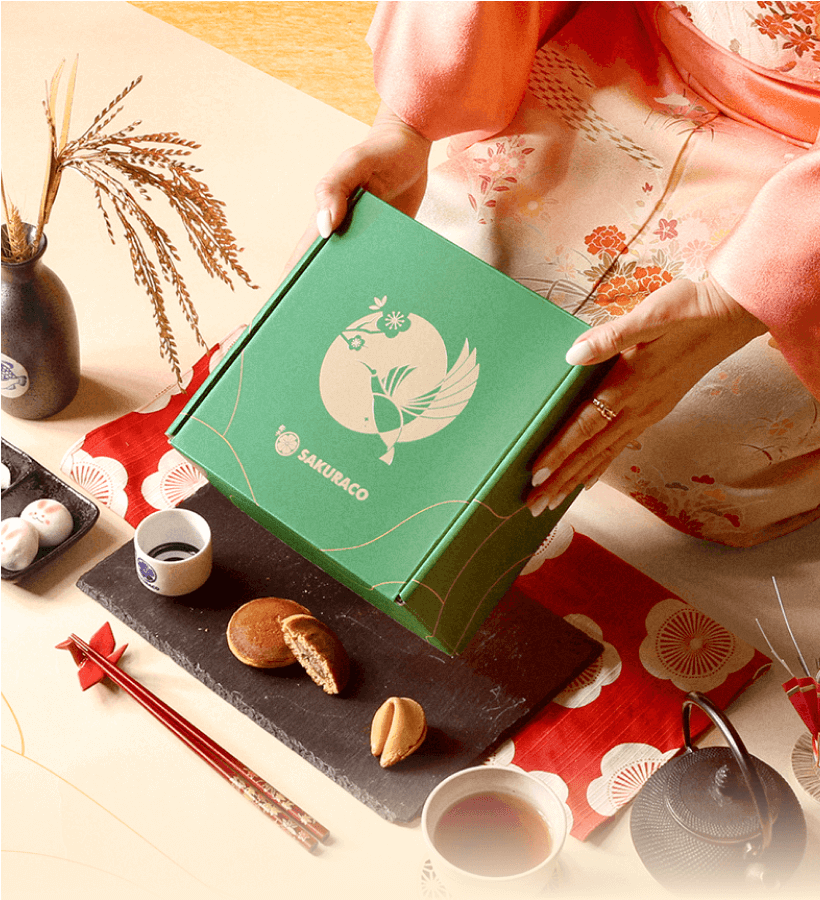
Are you looking for interesting snacks such as jelly wagashi? Check out Sakuraco! Sakuraco sends traditional Japanese snacks, teas, and sweets from local makers straight to your door each month!

Sakura Jelly
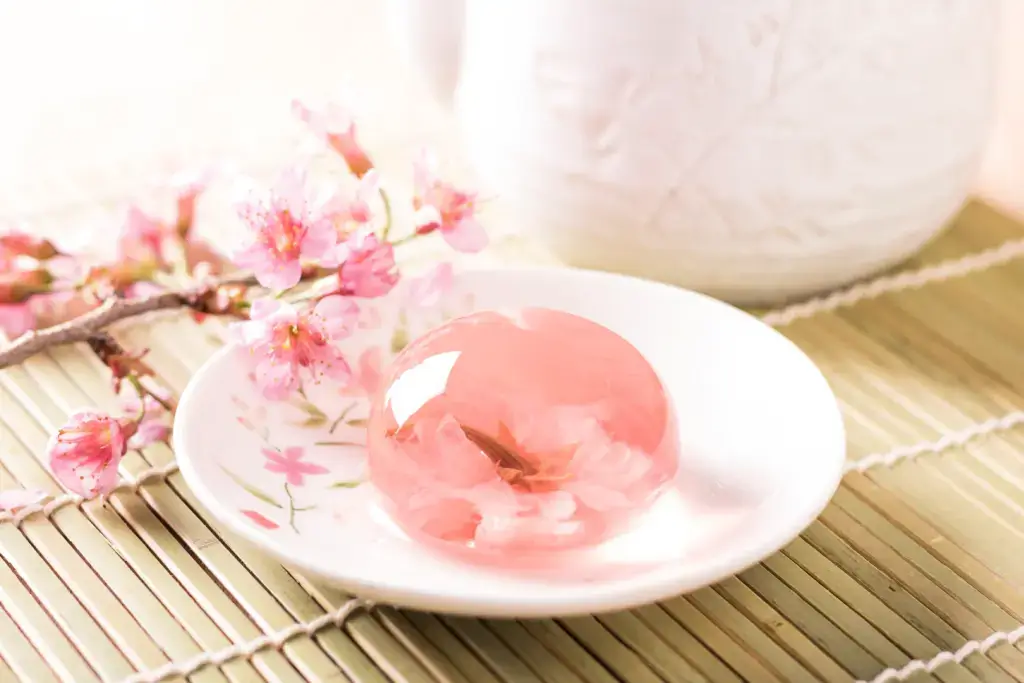
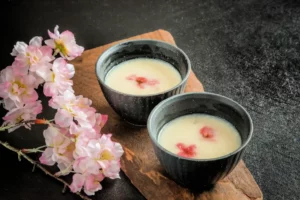
Sakura jelly channels the charm of cherry blossoms into a pale pink wobble, where pickled petals or leaf extracts lend a faint almond-floral note amid the agar’s neutral base. Artisans suspend whole salted sakura buds within the clear gel for visual drama, or swirl in strawberry puree for a fruitier twist that mimics the petals’ soft descent. This allows them to craft a treat that quivers just right when nudged with chopsticks during tea time. As a result, this variety thrives in transparent cups that showcase the floating petals, pairing seamlessly with sencha’s grassy bite to balance the floral subtlety.
Can you make this at home?
You can make jelly wagashi at home! You can do this by dissolving agar powder in hot water or fruit juice, stirring in sugar sparingly to preserve clarity, then pouring the mixture into molds, chilling them overnight for a firm set that releases cleanly onto plates.
Experimenting with natural colorants, like beet juice for red depths or butterfly pea flowers for blue shifts, adds visual intrigue. You can also embed fresh mint leaves or lychee pieces to create surprises that delight at casual gatherings. Patience is key here: rushing the cooling process leads to cloudy results, but the reward lies in slicing open a homemade yokan to reveal its even texture, ready to share with friends who appreciate the quiet artistry involved.
Are there seasonal wagashi?
There are a lot of seasonal wagashi! Some examples are sakura infusions for ume plum in early spring or sudachi in midsummer, ensuring each season delivers a fresh profile that aligns with the changing scenery outside teahouse windows. Autumn brings kuri chestnut yokan warmed slightly for cozy evenings, while winter’s white kanten jellies incorporate ginger or yuzu peels for a spicy zing that cuts through cold air. This approach keeps the tradition alive, as makers source local ingredients to infuse regional character, turning a simple gel into a taste of place and time.
What can you pair this with?
In formal settings, jelly wagashi shine alongside frothy matcha, where yokan’s creamy density tempers the tea’s bold bitterness, or kingyoku’s bright pops cleanse the palate between sips in a rhythm that guides the entire ceremony. Hosts select pieces that visually harmonize with the bowl’s glaze, placing them just so on lacquered trays to heighten anticipation. Even informal home chanoyu benefits from a chilled mizu yokan, its cool slide inviting lingering conversations that stretch the evening comfortably.
Why should I try this dish?
You should try this because the magic of jelly wagashi rests in its unique mouthfeel. It has a resilient bounce that collapses into liquid silk, paired with restrained sweetness that lets subtle flavors like sakura or yuzu linger without dominating. This balance reflects wagashi philosophy, where imperfection in asymmetry or transience mirrors nature, encouraging mindful eating over mindless indulgence.
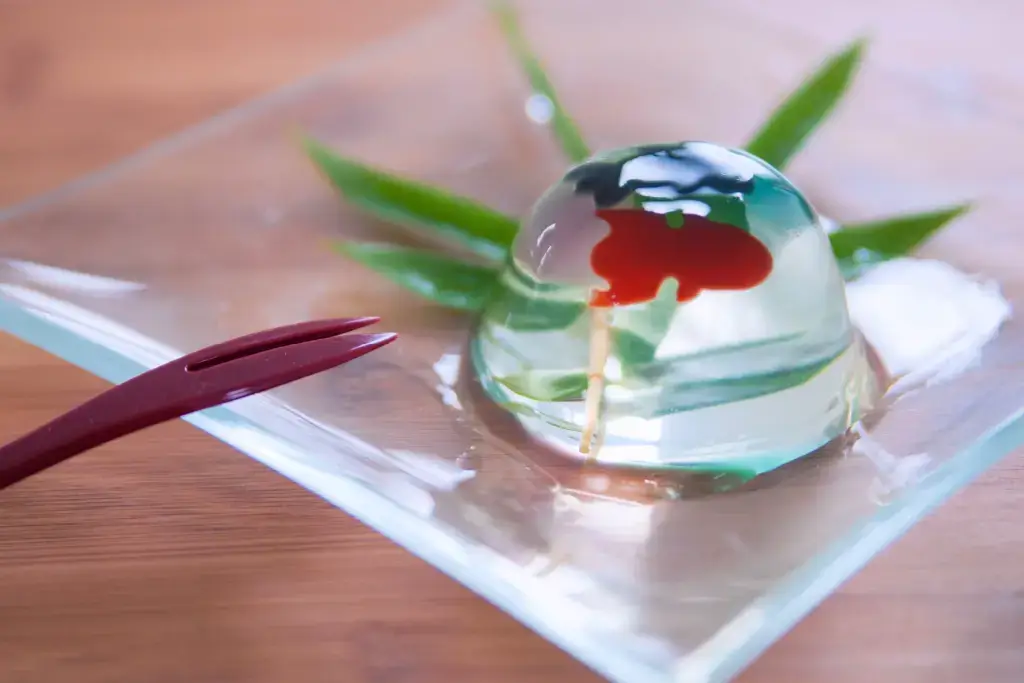
It distills seasonal joys into elegant bites that elevate tea moments and picnics alike, from yokan’s hearty slices to kingyoku’s jeweled sparkle and sakura jelly’s floral grace. Agar’s clean precision allows endless creativity while staying true to humble origins. This makes these sweets a bridge between past rituals and present pleasures. Have you ever tried this before? Which flavor is your favorite? Let us know in the comments below!