


Numerous ancient Japanese traditions are so deeply ingrained in daily life that they often go unnoticed. Some are renowned enough to earn a place in the international spotlight naturally. But others can only do so with a bit of help. Today, we’ll focus on two such Japanese traditions: kagura and onsen culture.
These two choices for UNESCO recognition have completely different roles: One is a sacred dance that has survived into the 21st century, still connecting communities to their spiritual roots. The other is an everyday wellness practice that promotes relaxation through the appreciation of nature’s gifts. Let’s explore what makes these customs worthy of worldwide acclaim and follow their paths to UNESCO’s Intangible Cultural Heritage status.
Kagura: Welcoming the Gods
What is kagura?
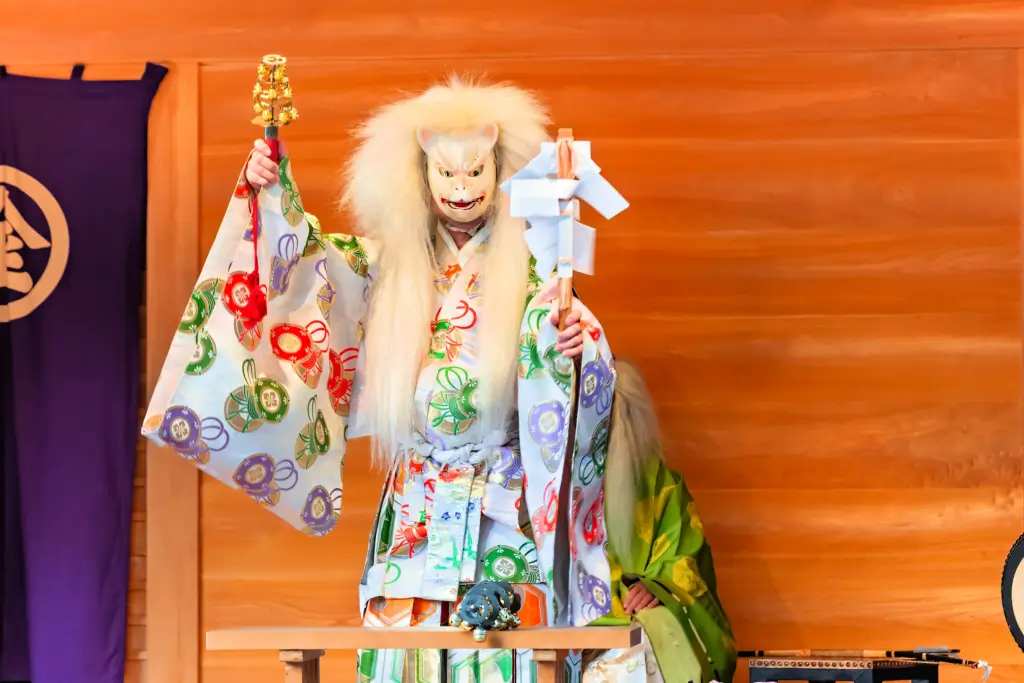
This is a ceremonial Japanese performing art that uses dance and music to entertain Japanese gods and spirits (kami). The custom is tied to traditional Shinto beliefs. Besides dancing, the performance often features elaborate costumes, masks, and music played on flutes and taiko drums. It is broadly categorized into two types: Mikagura and Satokagura. Mikagura was performed in the Imperial Court, so it was the more common Satokagura that eventually spread throughout the country.
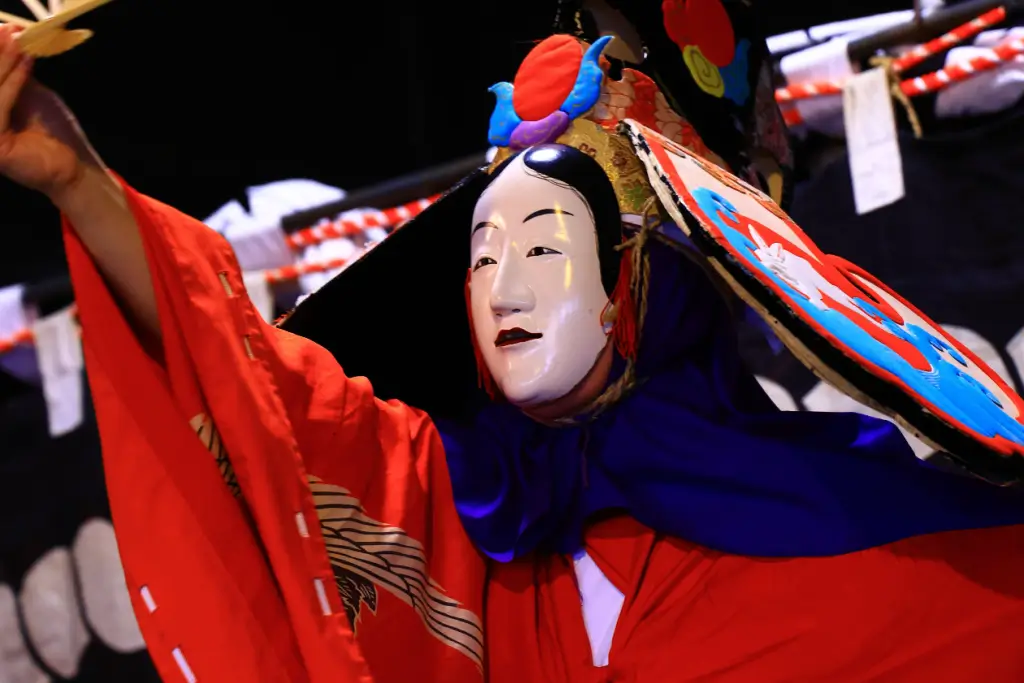
The word “kagura” is a shortened version of “kami no kura”, which roughly translates to “seat of god”. The meaning originates from the original purpose of the performance, which was to invite spirits to attend. During the show, patrons offer prayers for a bountiful harvest, good health, and protection from disasters.
What is the history of kagura?
The origins of this ceremony can be traced back to Japan’s oldest written chronicles – the Kojiki texts. These volumes of ancient myths from the Nara period (710-794 CE) recount the stories of the gods’ birth, the creation of Japan, and the origins of the imperial ancestors. The custom began during this same period, with isolated shrines hosting these rituals simply to please the spirits.
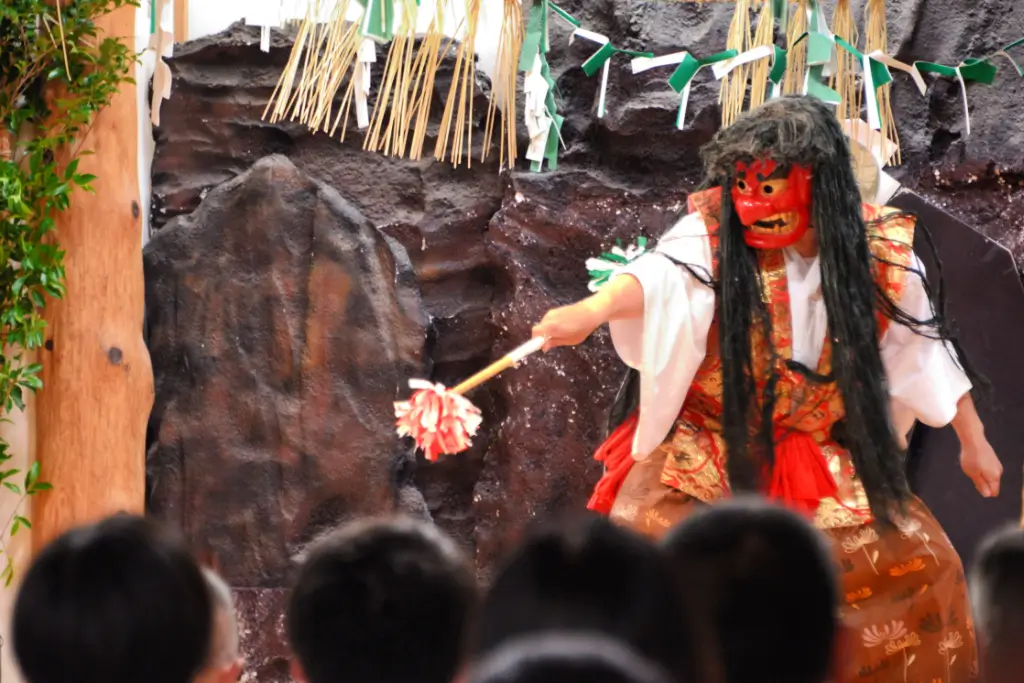
Its reenactments of Japanese mythology and heroic legends quickly made it a widespread form of entertainment at festivals. By the Edo Period (1603-1868), it had become popular enough to spread to more remote villages. Over time, different styles began to emerge in various regions, and the noh theater became heavily influenced by them.
Are you looking for excellent snacks to enjoy after a day at the onsen? Check out Sakuraco! Sakuraco delivers traditional Japanese snacks, teas, and sweets from local Japanese makers directly to your door so you can enjoy the latest treats directly from Japan!

Onsen Culture: Japan’s Steamy Tradition
What is an onsen?
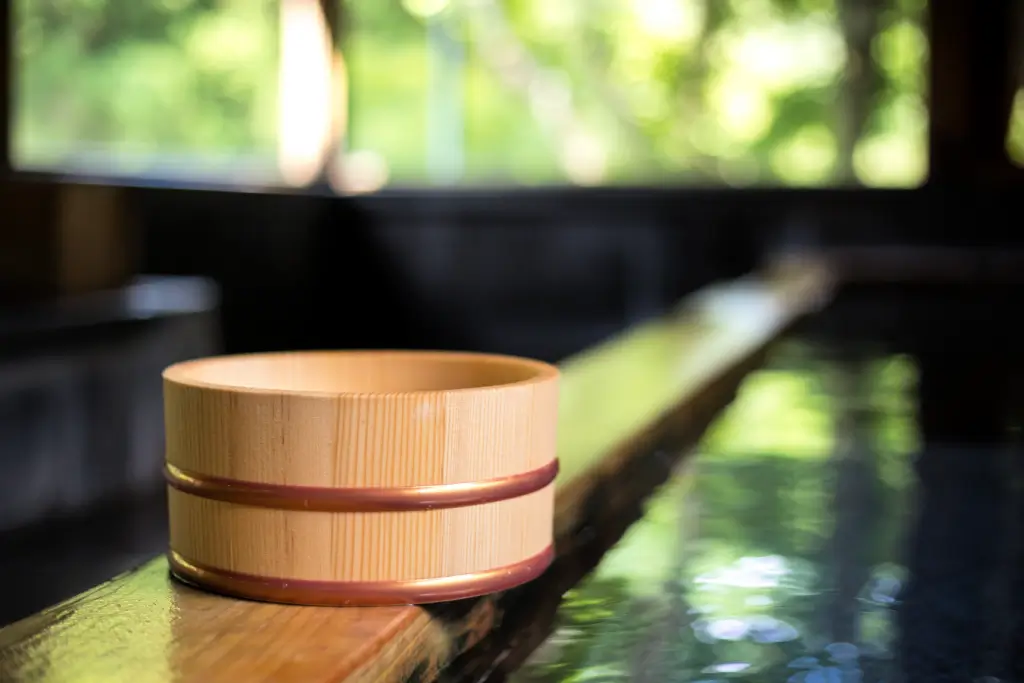
The two kanji for “onsen” (温泉), translate to “warm water spring”. Japan has thousands of active volcanoes that heat any surrounding water, which then rises to the surface. For thousands of years, people have soaked in these natural hot baths to relax and soothe their muscles.
History of Onsen Culture in Japan
There is evidence of onsen use from over 10,000 years ago in ancient Japanese texts that mention “healing waters”. And archeological digs have revealed old bath sites surrounded by stone tools. The association of the pastime with Buddhism during the sixth century helped the practice spread throughout the country. By the Kamakura period (1185-1333), public baths had become a standard feature. These grew into full resorts during the Meiji period (1868-1912).
What is Onsen Culture?
The term “onsen culture” refers to the Japanese custom of enjoying natural hot springs. To those unfamiliar with the country’s culture and history, visiting an onsen may seem like a mere hobby for health or pleasure. But, in early times, bathing in natural hot springs was a purification ritual known as misogi or harai. Moreover, the Shinto religion teaches that water carries sacred power to wash away spiritual pollution (kegare). This is especially true when it is hot and bubbling naturally from the earth.
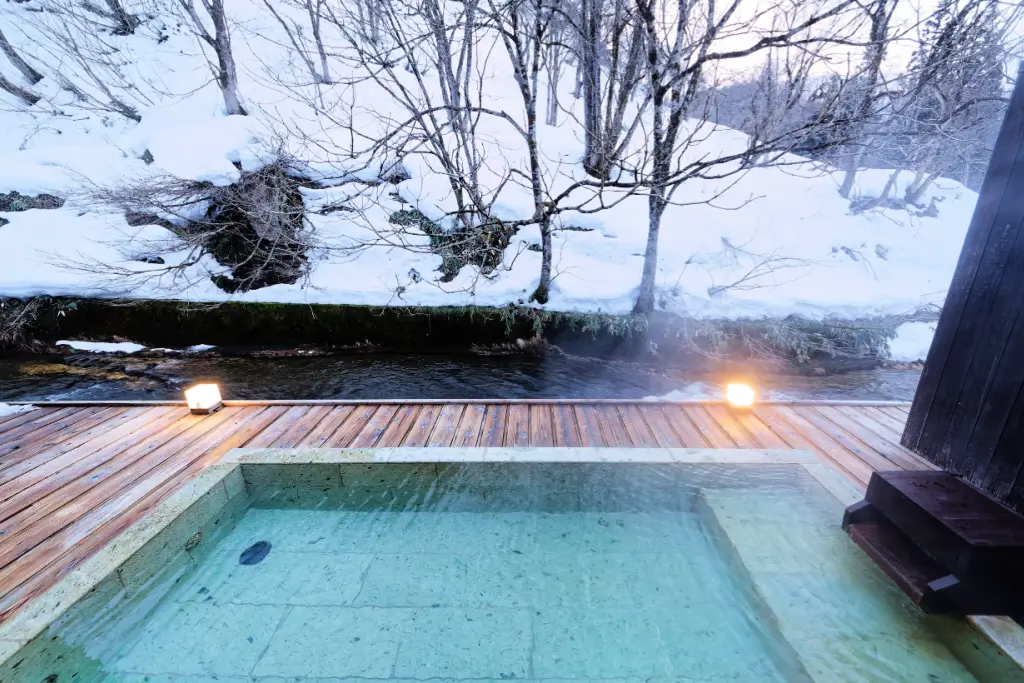
Visiting an onsen in Japan means following centuries of tradition and etiquette. Mixed bathing was once common, but most facilities now separate genders. Before entering the water, patrons must first wash their bodies. And, in the bath itself, clothing is not worn.
UNESCO Recommendation Process
A government panel selected these two practices for UNESCO status in November 2025. They will be added to the 23 existing cultural heritages. The official reviews also involve checks and research by experts in the subject matter. As a result, they plan to list Kagura in 2028. Forty types of performing art will receive bulk consideration. Onsen culture will be listed in 2030. It was selected because it is considered a social norm throughout the nation.
Why Do Kagura and Onsen Matter in Japan?
Kagura and onsen are significant in Japan because they are both examples of traditional practices that are integral to daily life. Kagura highlights how ancient rituals still shape the country’s communities. And onsen culture has changed little over numerous generations, maintaining social norms throughout the centuries. Both candidates also preserve Japanese culture, and offer a balance between the ways of the past and modernity.
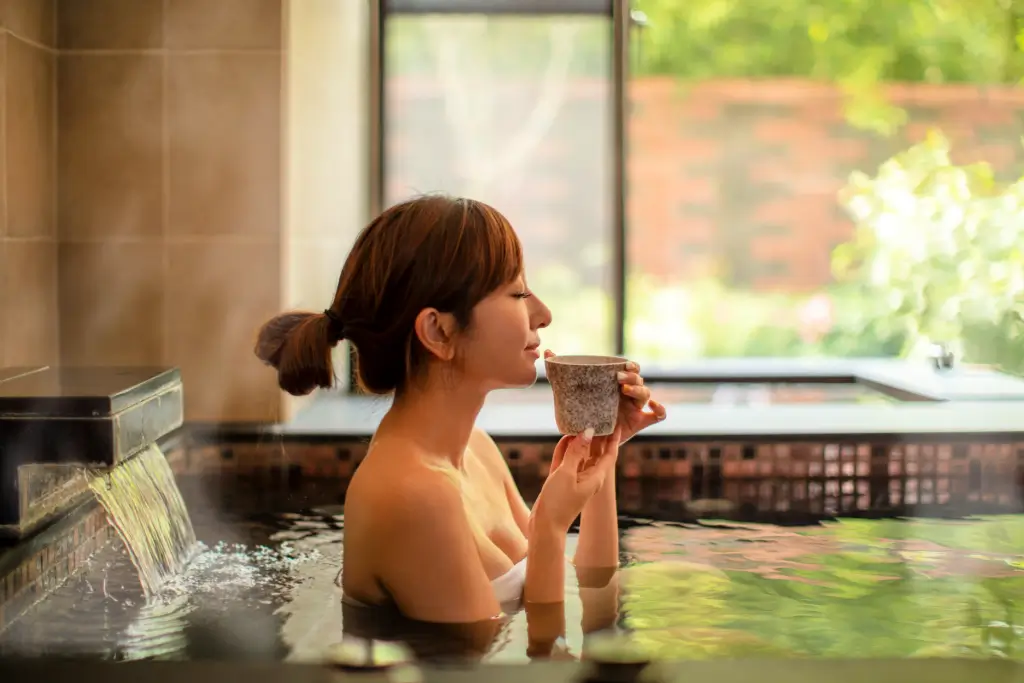
Do you often visit onsen? What other aspects of the culture make it worthy of UNESCO status? How familiar are you with kagura dance? What makes it so important in the culture? Share your tales or advice in the comments! Let’s start a discussion about these cultural gems!