


Japan’s seasonal plants and trees bring color to the country each year. However, it may surprise you to know that some of the most popular are not native Japanese plants at all. Lavender is one such seasonal flower that blankets landscapes during the summer months.
After its introduction to Japan, the flower initially served as a source of essential oils. But its visual appeal has also attracted those interested in photography and relaxation. Today, we will learn more about this popular flower, focusing on five spots in Japan where you can view vast fields and the activities the plant enables.
What is lavender season like in Japan?
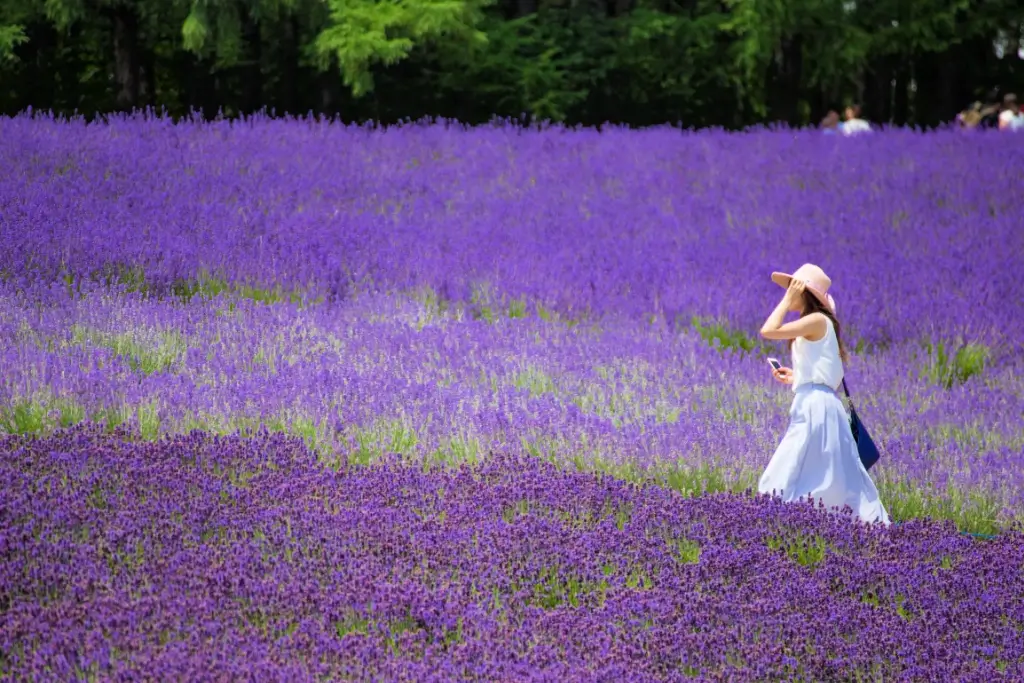
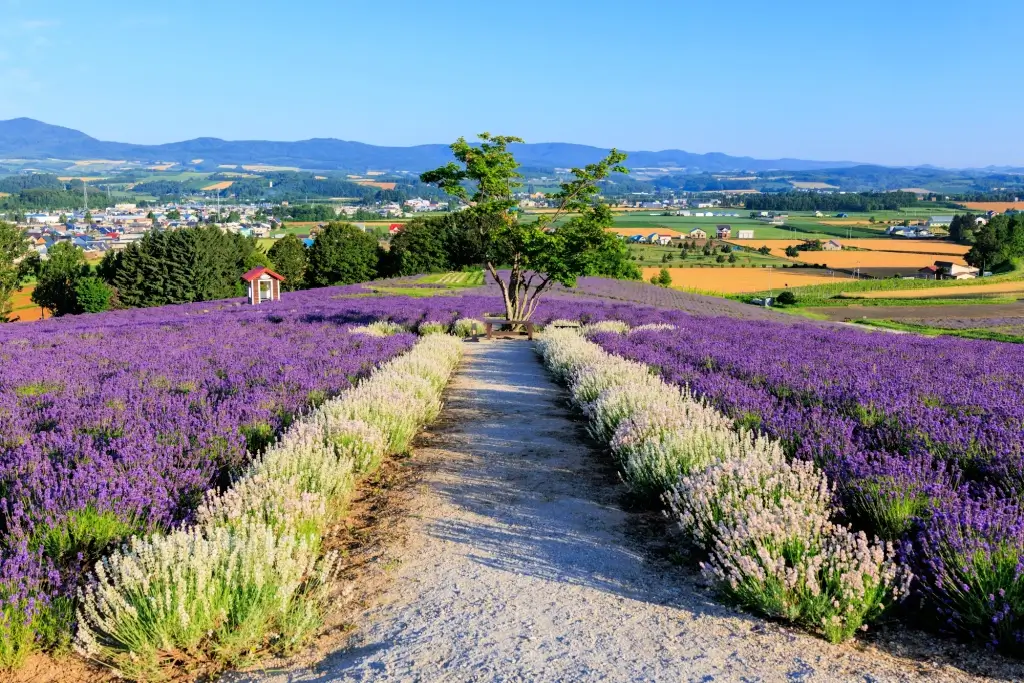
Lavender arrived in Japan from Europe in the 1900s. It was first used for its oils, but adapted well to the country’s climate and became an important local and international tourism draw. It now grows extremely well in Japan’s cooler regions, especially during July and August. Farmers plant it in long, orderly rows, creating wave-like patterns. And the flowers contrast sharply against the green backdrop of the surrounding hills or mountains. Local regions often time their blooms to coincide with local festivals.
Farm Tomita
Farm Tomita is located in Furano, Hokkaido Prefecture. It was started by the Tomita family in 1903, but switched completely to lavender in the 1950s. Now, over 15 varieties are grown on 14 hectares, arranged in colorful stripes. This site has gained fame through photography of its property and television dramas set amid its fields.
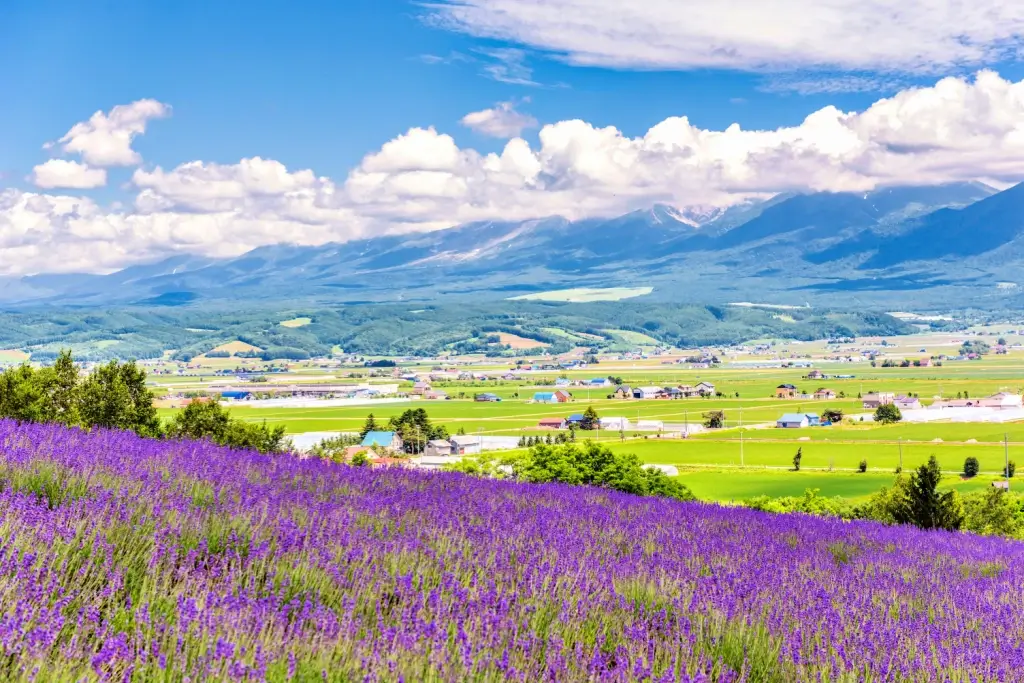
Visitors can wander the well-kept paths that wind through blooms, admiring views of the Tokachi Mountains in the background. Cafes throughout the property serve lavender soft serve ice cream and teas during peak season. The gift shops also offer souvenirs, such as on-site-made soaps and sachets. Entry to this attraction is free year-round. To get there, take the train from Sapporo to Furano Station, then catch a bus for the 20-minute ride to Farm Tomita.
Hokkaido Lavender Fields in Nakafurano
Nakafurano is another spot in Furano, Hokkaido Prefecture. The fields in this area were developed in the 1970s and inspired by Provence, France. The European-style rolling hills here are gentle enough for vehicles to navigate through the blooms. Tractor rides through this large-scale flower planting are one of the main attractions.
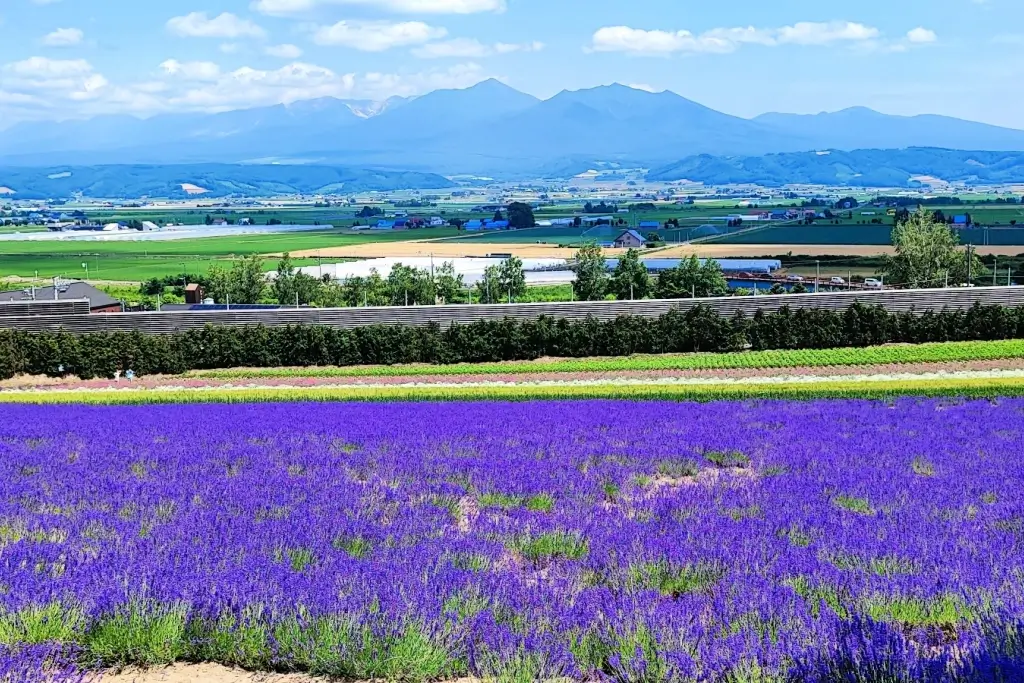
Some shops sell fragrant essential oils, which are distilled nearby. Others brim with local cheeses and wines that can be enjoyed at one of the many picnic areas. The fields themselves have no entry fee, but some activities, like the tractor rides, cost a small fee. which is visible from the roads. The Nakafurano lavender fields are so large and accessible that they are visible from the surrounding roads. And the local roadways connect multiple farms, making a scenic drive through the area possible. Car rentals are available at nearby Furano Station.
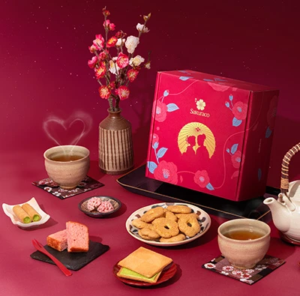
Are you looking for great snacks after a day out in the flower park? Check out Sakuraco! Sakuraco delivers traditional Japanese snacks, sweets, teas, and more from local Japanese makers right to your door!

Tambara Lavender Park
Tambara Lavender Park is perched at the top of a plateau in Numata, Gunma Prefecture, where the high altitude provides ideal growing conditions. It opened in 1991 and has since planted over 50,000 bushes across its slopes. In summer, chair lifts carry visitors to the top of the plateau, affording panoramic views.
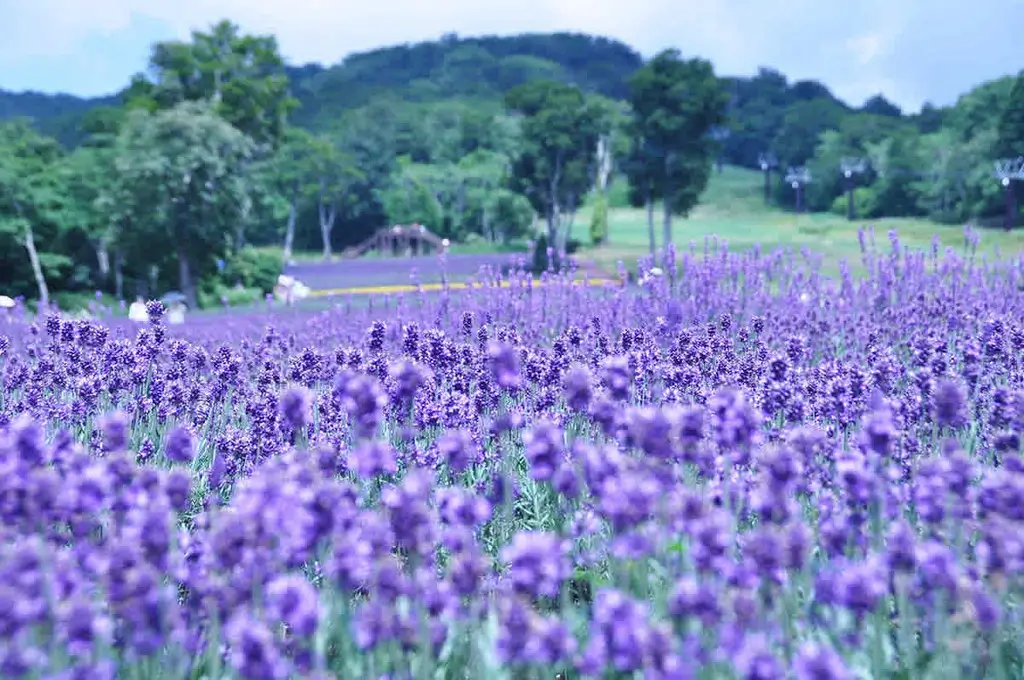
The mixed fields include other plant species, such as salvia, creating an extraordinarily colorful sight. The walking trails leading to the observation decks overlook the valley below, and restaurants offer meals and drinks infused with the many herbs growing on-site. The bus from Numata Station reaches the base and chair lifts in about 40 minutes, and admission costs 1200 yen during the blooming season.
Oishi Park
Oishi Park is located on the shores of Lake Kawaguchiko in Yamanashi Prefecture, near Mount Fuji. Lavender planting began here in the 1990s to boost tourism. The efforts paid off: Festivals run from late June to mid-July, featuring music and stalls, and thousands flock to the park every year to catch a glimpse of Mt. Fuji over the colorful fields.
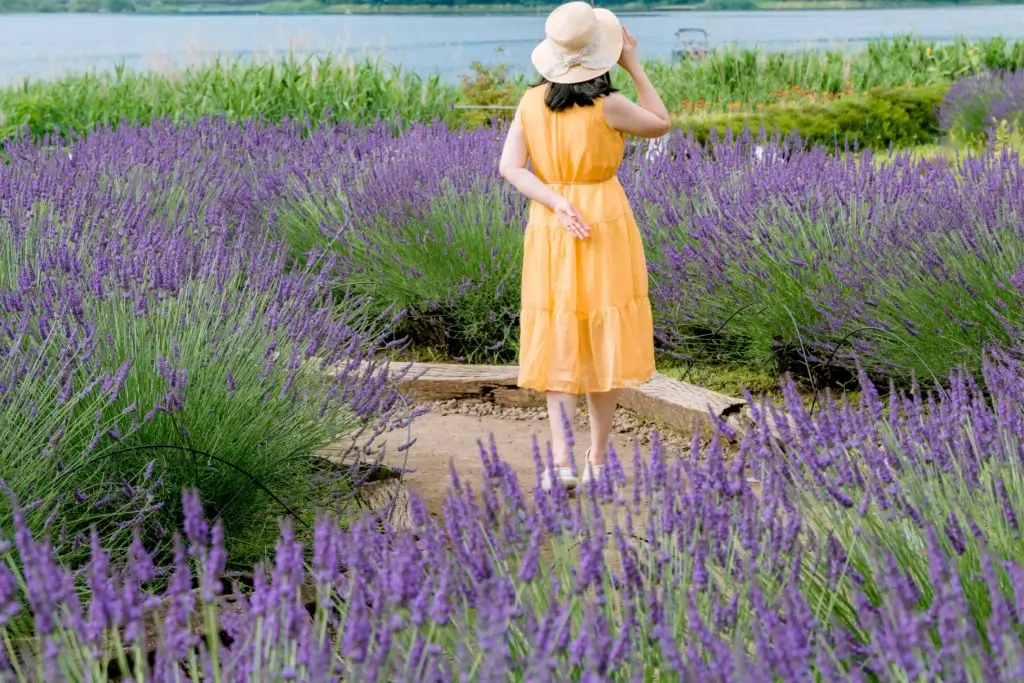
These flowers line lakeside paths at this site, creating purple reflections on the still water. Local vendors sell fresh herbs and crafts during events, and nearby museums display local art and educate visitors about the region’s history. The bus from Kawaguchiko Station to Oishi Park takes about ten minutes, and entry to the park is free. If you want photos of the iconic mountain framed by this magical scene, be sure to visit when the weather is clear.
Why is lavender important in Japan?
Lavender is important in Japan because it is an example of a foreign plant that has quietly found a home in the country’s cooler corners. It has successfully made the jump from cash crop to being an integral part of Japanese culture. This simple plant turns farmers’ fields into shared moments of calm that people enjoy year after year. It also supports local economies by attracting visitors during its growing season.
Overall, it is an important reminder that not every popular Japanese activity originated in Japan, and that there is value in everything, even for outsiders. Have you visited any of these spots or tried their flavored treats? What other viewing spots like these do you know of that are worth mentioning? Drop your stories or favorite memories in the comments!
Cited Sources
- All Japan Tours. “Japanese Flowers: When & Where to See Lavender Farms“.
- Japan Cheapo. “Where To Find the Best Lavender Fields in Japan“.
- Hokkaido Official Tourism Site. “When is the best time to see lavender? Recommended Lavender Spots in Hokkaido“.