



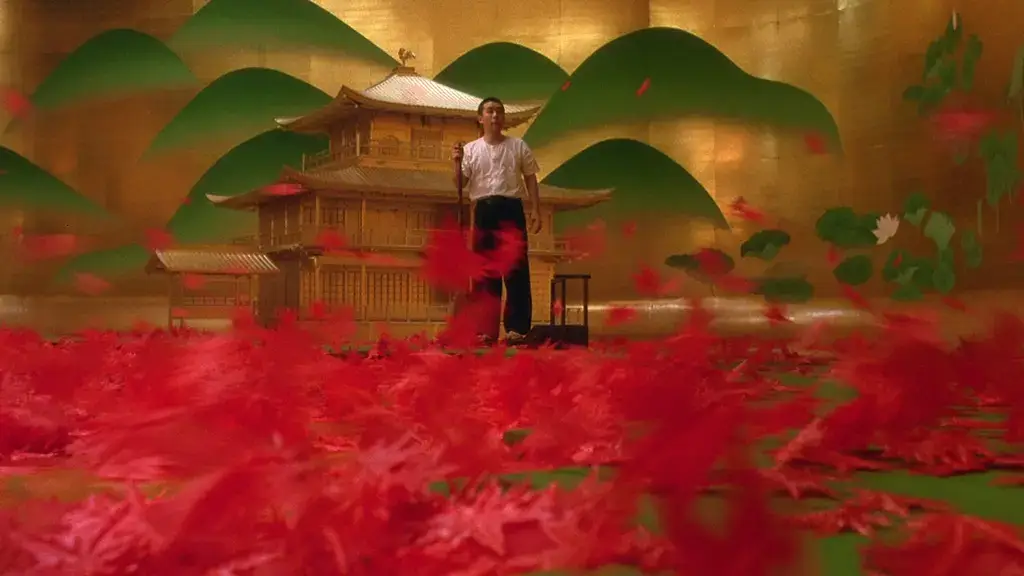
What happens when a film about one of Japan’s most controversial writers stays unseen for nearly 40 years? Mishima: A Life in Four Chapters has finally premiered in Japan, stirring excitement, debate, and curiosity. Today, we’ll look at Yukio Mishima’s dramatic life, his enduring legacy, and the significance of the film’s long-awaited release.
Yukio Mishima: Japan’s Most Controversial Writer
Yukio Mishima was one of Japan’s most influential and controversial writers of the 20th century. Born in Tokyo in 1925, he showed talent for writing from a young age. By his early twenties, he had already garnered attention for his novels and plays, which explored themes such as beauty, honor, death, and identity. He wrote over 30 novels, as well as numerous short stories, plays, and essays. His most famous works include Confessions of a Mask, The Temple of the Golden Pavilion, and Runaway Horses.
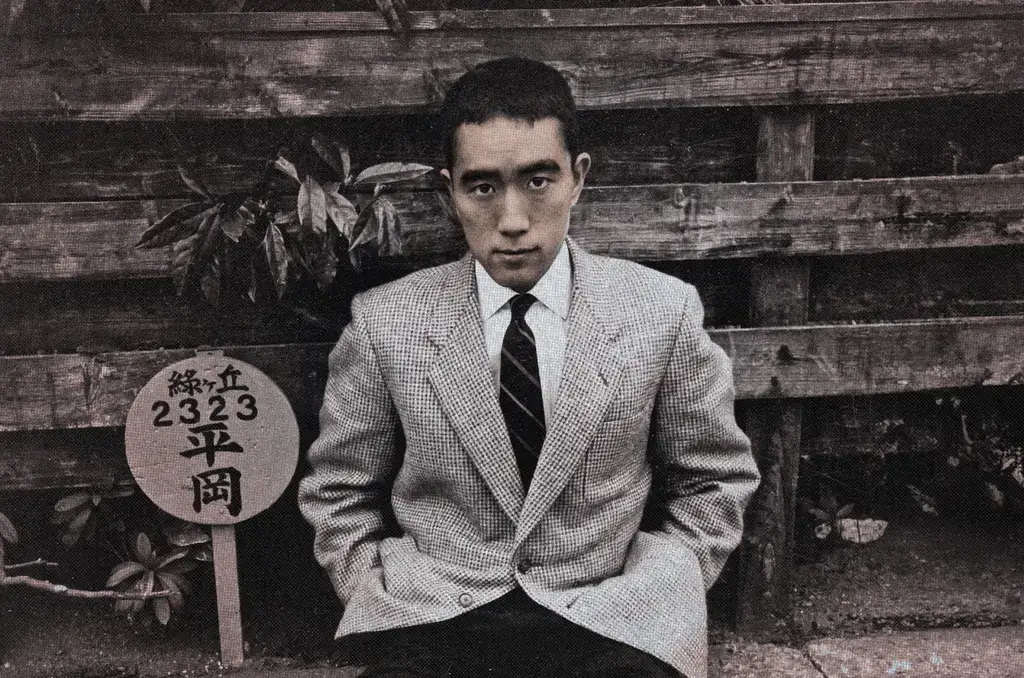
The author lived a double life in many ways. He was a bestselling author, but he also became a public figure fascinated with traditional Japanese values and the samurai code. He trained his body intensely and often posed as a soldier or warrior in photographs. This mix of art and nationalism made him stand out and sometimes made him controversial.
What was his writing style?
His writing style blended beautiful language with intense emotion. He often wrote about characters who struggle with their place in society or grapple with the tension between their desires and their duties. Through his work, he reflected on Japan’s changing identity after World War II, when traditional values clashed with modern culture.
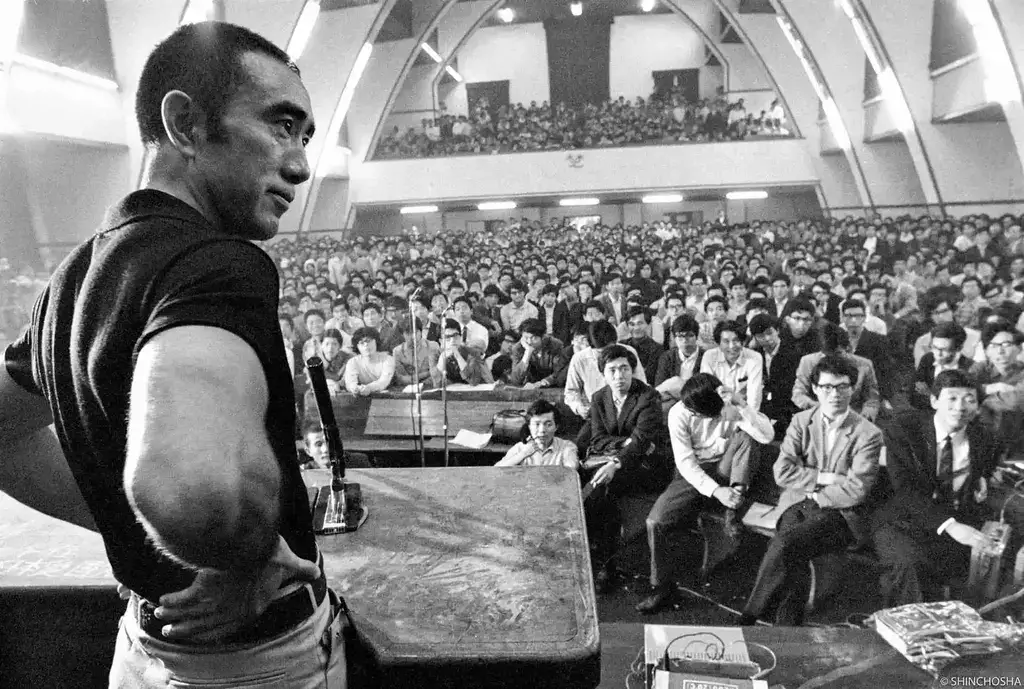
In the late 1960s, he formed a private militia called the tatenokai, or Shield Society, composed mainly of young students who admired him. He believed Japan had lost its spirit and sought to restore national pride. This belief led to the dramatic and tragic end of his life. In 1970, after giving a speech calling for Japan to return to traditional values, he committed ritual suicide, known as seppuku.
Today, he remains both admired and debated. Many see him as a literary genius whose works continue to shape Japanese literature and cinema. Others focus on his political actions and ideology. But his influence is undeniable as he left behind influential writings and a dramatic legacy that continues to spark interest around the world.
The Enduring Legacy of Yukio Mishima
Mishima’s legacy continues to shape Japan’s cultural landscape more than 50 years after his death. His influence reaches far beyond literature. It touches philosophy, film, politics, and art. He is remembered as a master storyteller who captured the struggles of modern Japan. His works explored themes like identity, tradition, beauty, and the meaning of life. Because he wrote openly about inner conflict and personal desires, his stories still resonate with readers today, both in Japan and around the world.
Many scholars consider him one of the most important Japanese writers of the 20th century. His novels, plays, and essays are studied in universities, and filmmakers continue to adapt his work. Directors and artists often draw inspiration from his dramatic style and emotional depth. His writing also helped open conversations about intimacy and personal freedom at a time when such topics were rarely discussed openly.
At the same time, his political views and his suicide in 1970 remain controversial. Some people admire his commitment to tradition and honor, while others criticize his extreme actions and nationalism. This debate has kept his name in public discussion and made him a figure who cannot be easily forgotten.
Despite the controversy, his work endures. Theater companies still perform his plays, and his novels continue to be reprinted and translated. His legacy extends not only to the stories he wrote but also to the questions he raised about identity, loyalty, and the role of art in society. His life and ideas remain powerful reminders of how literature can challenge, disturb, and inspire.

From Controversy to Celebration: Mishima’s Story on Screen
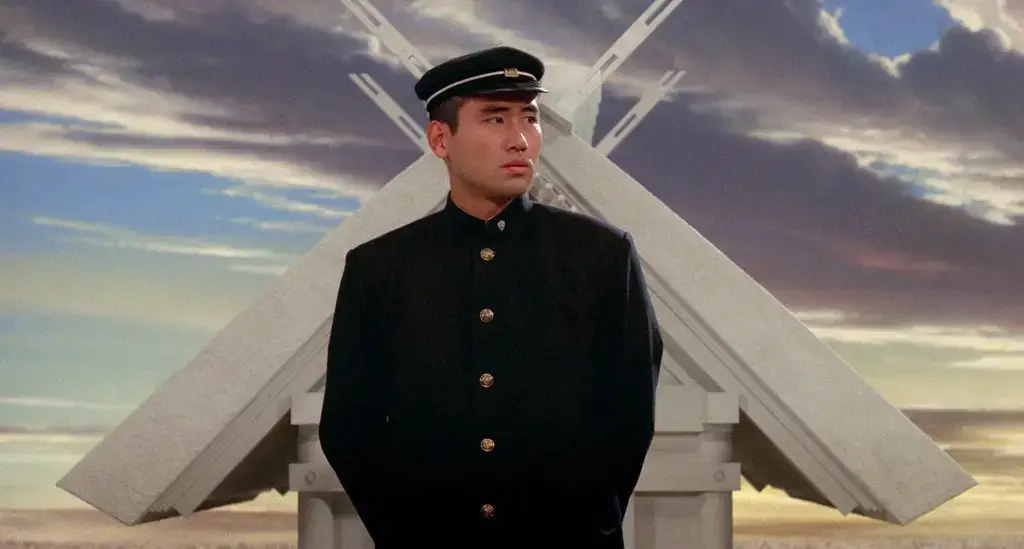
Understanding the author’s legacy also means looking at how his life has been portrayed on screen. One of the most critical works about him is the film Mishima: A Life in Four Chapters, directed by Paul Schrader in 1985. The movie tells the author’s story by mixing scenes from his real life with dramatic adaptations of his novels. It highlights his search for beauty, his nationalism, and the events that led to his dramatic final day.
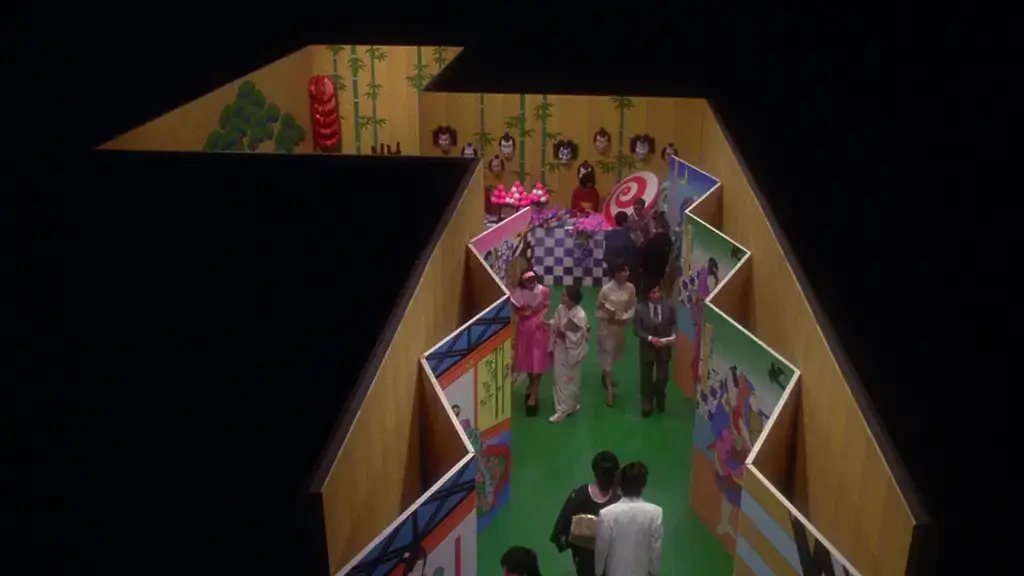
The film uses bold colors, strong visual contrasts, and powerful music by composer Philip Glass to express the author’s intense inner world. Although the film received praise overseas and earned awards at international festivals, it faced significant resistance in Japan. Many people felt uneasy about how the movie presented the author’s life and ideas. According to a report by The Asahi Shimbun, the film was blocked for decades, partly due to Mishima’s widow’s protest against its release.
What other reasons was the movie blocked?
Right-wing groups also strongly opposed the film at the time, which made distributors hesitant to show it. As a result, the film was never given a general release in Japan for nearly 40 years. It became known as a “phantom film,” widely discussed but rarely seen. However, time has changed how people view both the author and the film. Interest in his work has grown, and debates around his life have become less emotional and more historical.
In recent years, many people in Japan have come to view the film as cultural art, rather than a political statement. When the Tokyo International Film Festival announced its screening on October 30, tickets sold out in 10 minutes. Due to high demand, additional showings were scheduled for November 8 and 9. Social media users are now calling for a full theatrical release, showing strong ongoing interest in Japan.
Why is it important to know about Yukio Mishima: A Life in Four Chapters and its release in Japan?
The release of Mishima: A Life in Four Chapters in Japan after 40 years shows how attitudes toward the author have evolved. The film gives Japanese audiences a chance to revisit his life, his writing, and the questions he raised about identity and tradition. It also renews interest in his artistic achievements. It encourages people to view his work through a cultural and historical lens, rather than reacting solely to the controversy surrounding him.
By finally screening the film, Japan opens space for reflection, debate, and a deeper understanding of one of its most influential and complex literary figures. Have you seen the film before? If yes, what are your thoughts on it? Let us know in the comments below!