


In the historic city of Morioka, Iwate Prefecture, a craft with over 400 years of history continues to captivate with its rustic beauty and practical charm. Nambu tekki, or Nambu cast iron, refers to traditional ironware, such as teapots, kettles, and decorative pieces, that embody the spirit of Tohoku craftsmanship. Known for their durability, heat retention, and subtle design, these items have evolved from everyday tools to cherished heirlooms, blending functionality with artistic elegance in a way that feels uniquely Japanese.
What is Nambu tekki?
Nambu tekki originates from the Nambu region, which encompasses Morioka City and its surrounding areas in Iwate. The name “tekki” means cast iron, and these pieces are made by pouring molten iron into sand molds, creating sturdy objects with a distinctive matte black finish. Unlike shiny modern cookware, Nambu tekki develops a natural patina over time, which tea lovers especially appreciate for enhancing flavor.
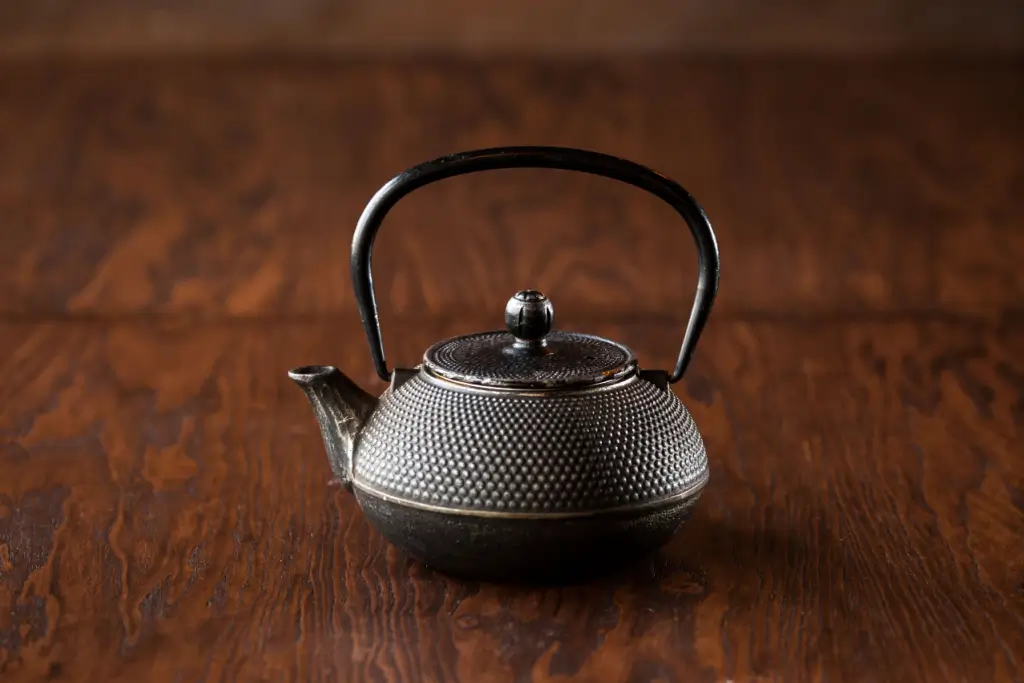
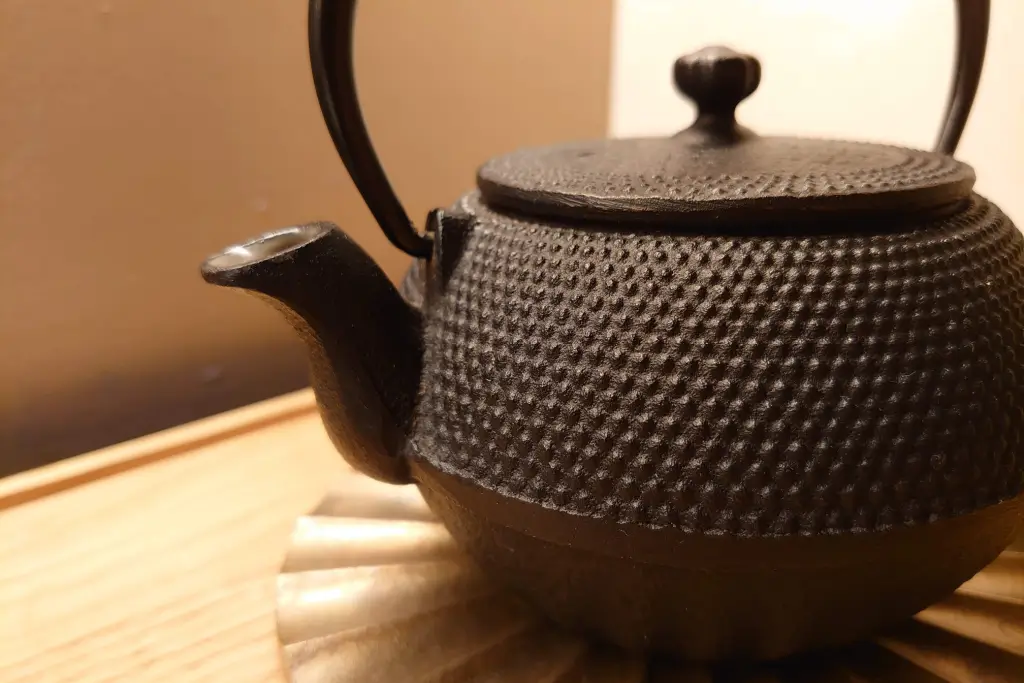
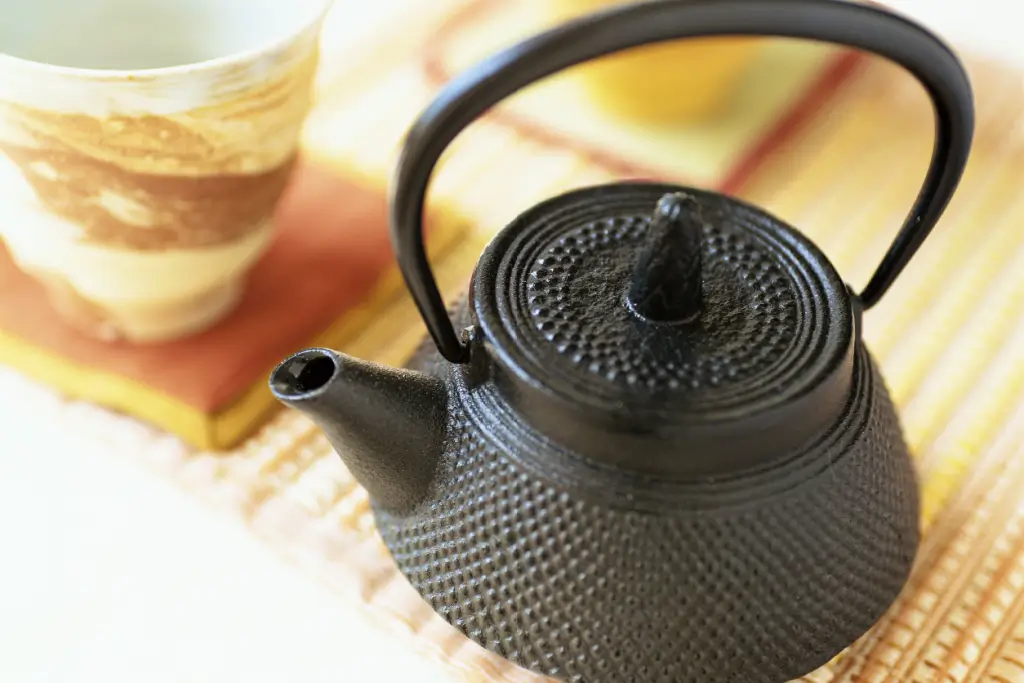
Standard items include tetsubin (iron teapots), dishes, and lanterns. The teapots are particularly renowned for their curved spouts and textured surfaces, which are designed for optimal tea brewing. The iron absorbs minerals from the water, gradually improving the taste while keeping the tea warm longer than ceramic alternatives. In Morioka, shops display rows of these pots, each marked with family crests or subtle motifs, such as cranes and waves.
How did Nambu tekki begin?
The story of Nambu tekki starts in the early 17th century during the Edo period. Legend credits a Buddhist monk named Mokugaku with bringing casting techniques from China or Korea to the Nambu domain around 1625. He taught locals how to make practical items, such as farm tools and cookware, using the abundant local iron sand and the cold, clear waters of the Kitakami River.
By the mid-1600s, production boomed under the clan’s patronage. Families like the Ogata and Takahashi specialized in different styles, passing skills through generations. During the Meiji era, modernization threatened the craft, but tea culture and the export market kept it alive. Today, about 20 workshops continue the tradition, each guarding secret mold patterns that have been refined over centuries.
What makes Nambu tekki special?
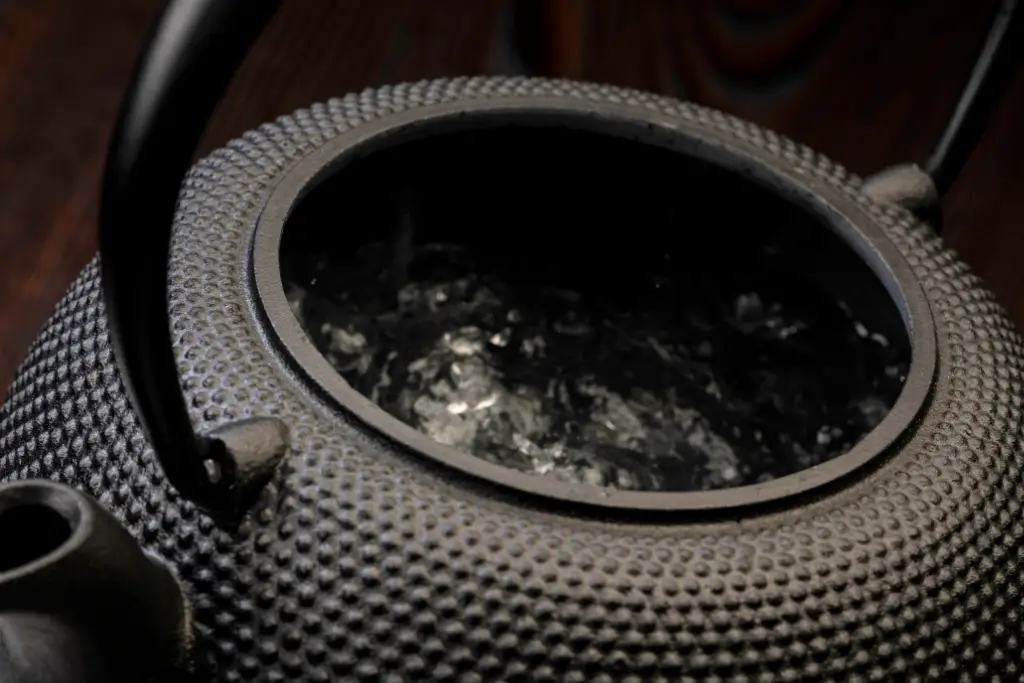
The magic of this lies in its construction. Artisans mix iron sand with clay to create sand molds, then pour in molten iron at 1,200 degrees. They carefully break away the mold to reveal the piece. No two items are identical due to the handmade process, which gives each one a unique texture and character. The surface often features chikin (dotted patterns) from air bubbles or deliberate designs.
Unlike mass-produced ironware, this excels at heat distribution, making it ideal for simmering teas or soups. Scientifically, iron leaches trace minerals that soften water, thereby reducing its bitterness. Owners season pots by boiling tea leaves inside, building a protective layer that prevents rust. This living quality, where the item improves with use, sets it apart from disposable modern goods.
Famous workshops and modern makers
Morioka remains the heart of this art, home to renowned workshops like Sakurai Tohachi and Toguri Masayuki. Sakurai Tohachi, founded in 1628, specializes in tetsubin with elegant spouts shaped like dragon heads or bamboo. Visitors can tour the foundry, watching sparks fly as iron pours into glowing molds.
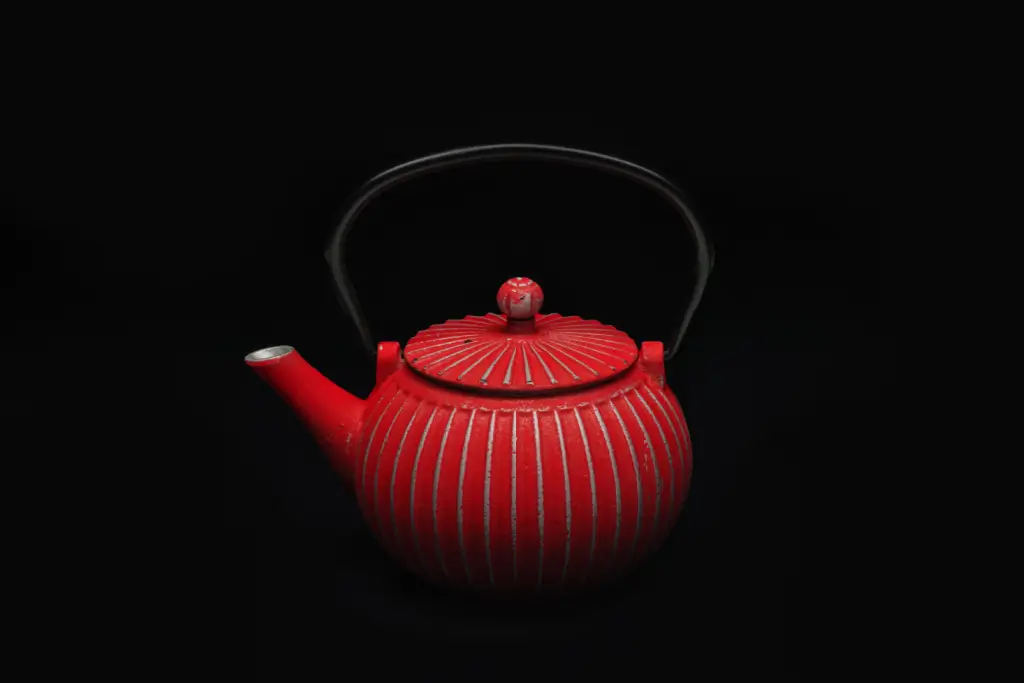
Toguri Masayuki blends tradition with innovation, creating sleek teapots for global markets. Younger artisans experiment with matte glazes or minimalist designs, appealing to contemporary homes. Annual festivals in Morioka feature new pieces, with live demonstrations drawing crowds eager to purchase directly from the makers.
Using this in daily life
Beyond teapots, there are various tabletop items, including incense burners, trivets, and flower vases. In Japanese tea ceremonies or casual home use, a tetsubin becomes a conversation starter. To care for one, rinse with hot water after use, avoid soap, and dry thoroughly.
Tea enthusiasts swear by this for brewing sencha or hojicha, as the iron tempers tannins for a smoother flavor. In winter, the pot’s warmth comforts hands during long chats. Modern fans pair it with matcha whisks or use it for coffee, proving its versatility across drinks.
Are you looking for great snacks from interesting places across Japan? Check out Sakuraco! Sakuraco delivers classic Japanese teas, ceramics, and sweets from local Japanese businesses straight to your door!

Why Nambu tekki is still famous today
This is still famous because Nambu tekki symbolizes permanence and mindfulness. Passed down through families, these pieces witness generations, gaining stories with age. Morioka’s Ironware Museum showcases historical examples, educating visitors on the role of the craft in daily life during the Edo period.
Globally, it is enjoying a revival through exports and collaborations. Chefs praise its searing power for steak or tempura; designers incorporate it into minimalist decor. Government support via cultural property status ensures survival, with apprentices training for years to master the fire and sand.
Visiting Morioka for Nambu tekki
Plan a trip to Morioka to immerse yourself in this craftsmanship. Start at the Nambu Ironware Village, where workshops cluster for hands-on experiences. You can watch casting demos, try polishing blanks, or enjoy a complimentary sip of tea with your purchase. Nearby hot springs pair perfectly with an iron kettle of genmaicha.
Morioka’s wanko soba restaurants serve meals in cast-iron bowls, extending the theme. Festivals like the Sansa Odori feature tekki lanterns that illuminate nighttime parades. Bring home a small pot as a souvenir; its weight reminds you of Japan’s enduring craft spirit. In Morioka’s shadow of Mount Iwate, this craft whispers of patience and heritage, inviting you to slow down and savor. Have you ever bought this iron wear or plan to buy it in the future? Let us know in the comments below.