


Nara, Japan, is home to some of the country’s oldest and most treasured Buddhist artifacts from the Nara Period. The religious artwork preserved in the city’s ancient temples tells stories of faith, healing, and protection. Among these, the 12 Heavenly Generals at Shin Yakushiji are perhaps its most important historical treasure.
This collection of carvings represents a very special time in the Nara Period, and is one of the few surviving examples of a very specific artistic technique. What makes these statues in Nara, Japan, so special, and why do people travel from across the country to see them? Today, we explore these figures and examine their fascinating history, symbolism, and artistic significance.
What Are the 12 Heavenly Generals?
The 12 Heavenly Generals, or Juni Shinsho in Japanese, are the names given to 12 statues housed within Kondo Hall, the main hall of Shin Yakushiji temple in Nara, Japan. Their origins lie in old Hindu traditions, but they were eventually absorbed into Buddhism. They are referred to as “generals” because it is believed that each commands an army used to guard against misfortune.
What is the history of Shin Yakushiji Temple and its Statues?
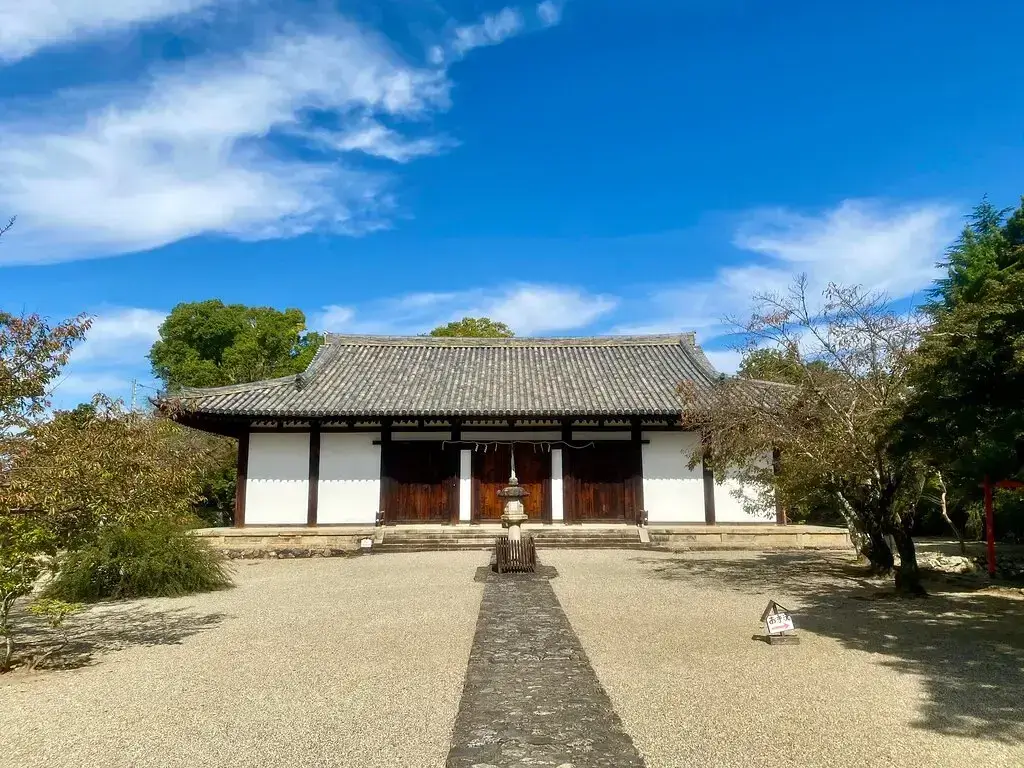
Shin Yakushiji is a historic Buddhist temple founded in 747 CE by Empress Komyo. It was constructed to pray for the recovery of her husband, Emperor Shomu, who was ill at the time. Originally, it was a large temple complex, including halls and pagodas. But fires, storms, and other disasters destroyed most of the structures over the centuries, leaving only the main hall. Eventually, this was relocated to Nara and designated as a National Treasure.
What do the Generals look like?
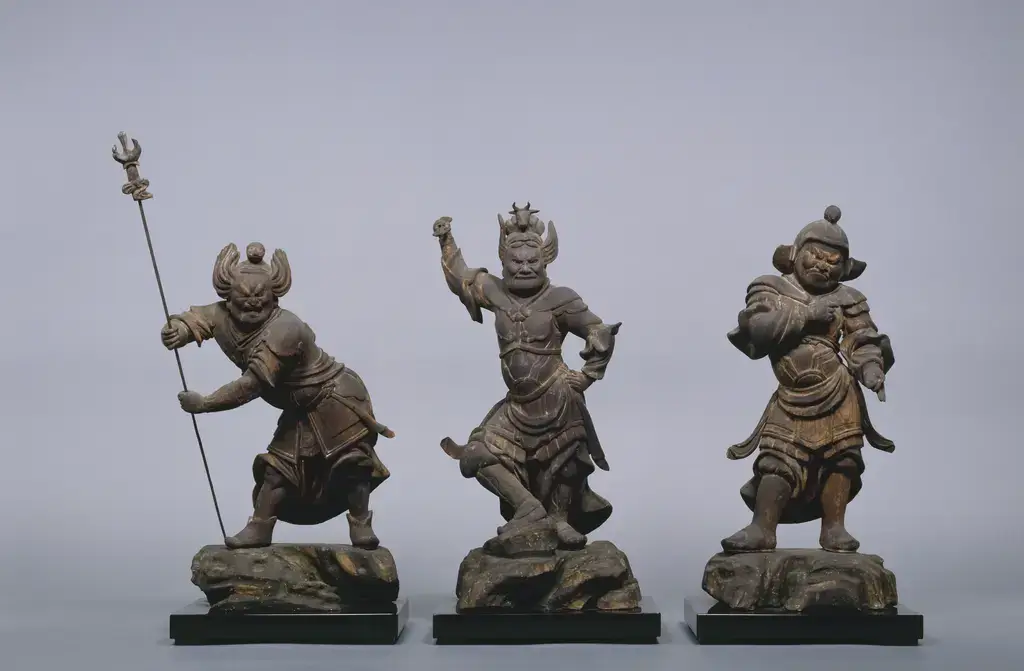
The life-sized statues, each about 1.5 meters (5ft) tall, are known for their lifelike individuality. Their faces show a range of expressions, from calm to angry. And their dynamic poses with bent knees or raised arms contrast with the calm of most other Buddhist images.
They brandish Chinese-style armor and weapons unique to each statue, such as swords, spears, bows, and clubs. Some hold special ritual objects for fighting demons. They are arranged in a circle around a 2-meter-tall (6.5 ft) wooden statue of Yakushi Nyorai, the Medicine Buddha, seated.
What do the 12 Heavenly Generals represent?
The number 12 holds deep significance in ancient Japanese astrology. The Junishi system divides the day into 12 hours or “directions”. It is for this very reason that there are exactly 12 generals. In Buddhist belief, the generals assist the Medicine Buddha by shielding him from harm. For this reason, they are arranged in a circle around his figure, protecting him from all directions. The Medicine Buddha also took 12 vows to eliminate suffering,
How important are the Generals in Nara Japan?
These figures were carved during the Tempyo era (August 729 to April 749 CE) – a golden age of Japanese sculpture. This period is particularly known for its Buddhist art, architecture, and literature. The sculptures mark a high point of the period, representing the shift from a more rigid to a more expressive style.
They were crafted using a special technique known as sozo, in which layers of clay were molded over a wooden frame. This method allowed for remarkably lifelike details and exceptional durability.
Because of this artistic method, their intricate armor, flowing scarves, and individualized faces maintain their details to this day. And their color and gold leaf are still visible. They are considered one of the oldest and most complete sets of such sculptures in Japan today.
How can I visit Shin Yakushiji?
Shin Yakushiji Temple is accessible from both JR Nara and Kintetsu Nara Stations. From these spots, visitors can walk through Nara Park to the temple near its south entrance. They can also take a bus to Wariishicho bus stop, which is only 10 minutes away on foot. This quieter part of Nara is less crowded than major sites like Tōdaiji or Kasuga Taisha.
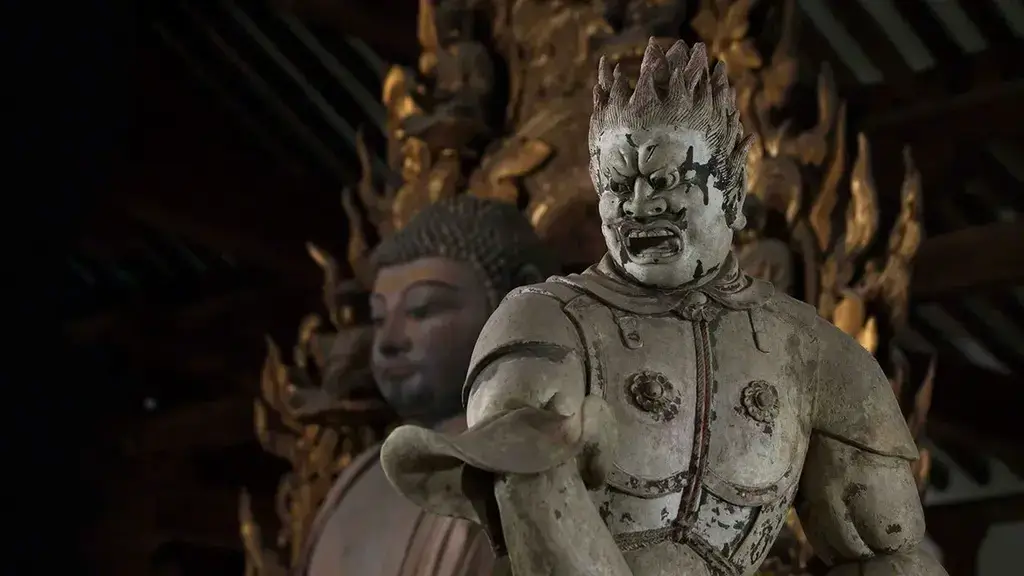
At the site itself, it costs 600 yen ($3.92) to enter Kondo Hall and view the statues up close. In addition, English guides and signs are available to help explain the figures, and the surrounding grounds include a small museum with artifacts. In spring and fall, cherry blossoms and autumn leaves add to the atmosphere.
Are you looking for amazing snacks for the spring? Check out Sakuraco! Sakuraco delivers traditional Japanese snacks, sweets, teas, and more from local Japanese makers right to your door!

Why are the 12 Heavenly Generals important?
The 12 Heavenly Generals are important because they represent Japan’s ancient Buddhist beliefs and highlight the role of powerful imagery in Japanese religion. Even today, they instill faith in their followers and encourage them to pray for healing and protection. As a result, their combination of spiritual meaning and artistic mastery is especially unique to the Nara Period.
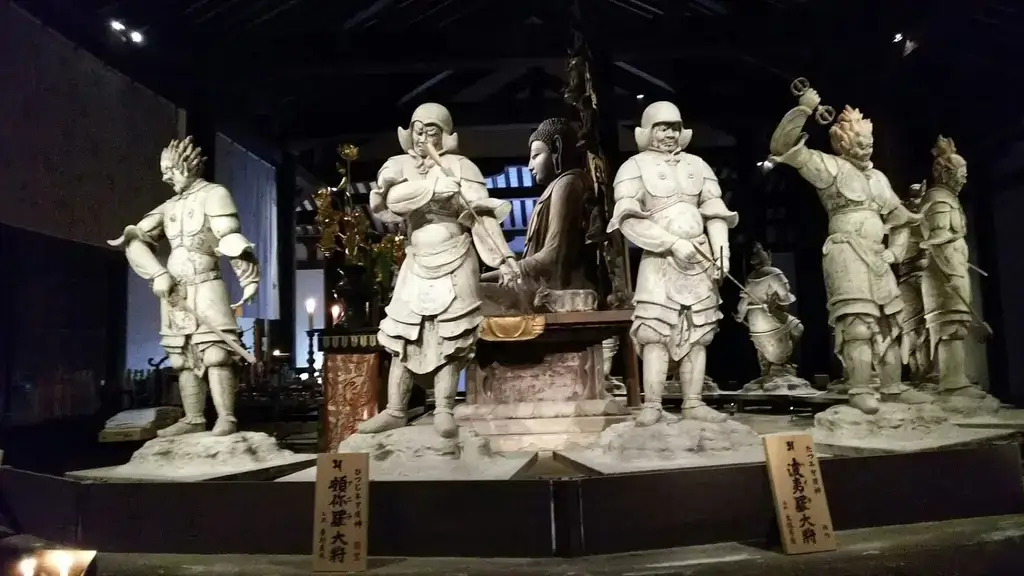
Fortunately, eleven of the original statues have survived. The Dragon General (Haira) is a wooden reproduction, created in 1931, after the clay version was damaged by an earthquake. But despite numerous brushes with destruction, they remain rare specimens.
Overall, recent restoration work revealed that even their original colors and fine details survived through the centuries, thanks to the careful preservation efforts of Nara, Japan. Have you visited Shin Yakushiji or seen these statues? Share your thoughts or favorite details in the comments!
Cited Sources
- Nippon.com. “The 12 Heavenly Generals at Shin-Yakushiji, Nara
- Matcha. “This is a rare enshrinement where twelve divine generals surround Yakushi Nyorai as if to protect him. Shinyakushiji Temple in Nara, where you can worship 360°.”
- National Treasure Hall. “The Eight Kinds of Mythological Beings (National Treasures).”