


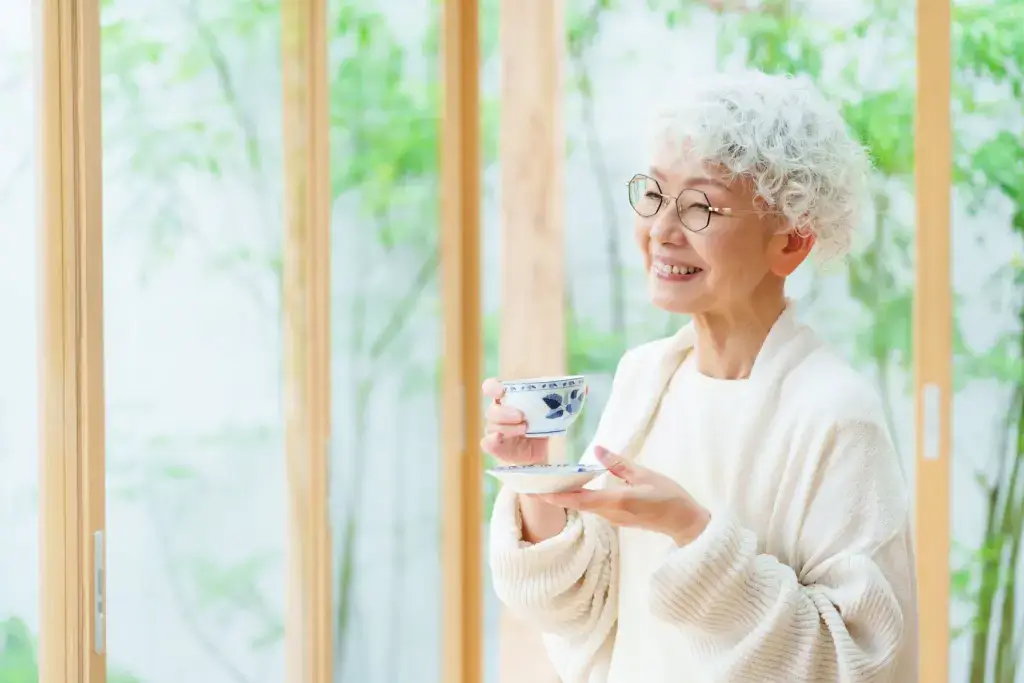
In Osaka, Japan, women are redefining aging. They plan to create a shared home where senior women can live together and support each other. Rather than move into care facilities or depend on family, they aim for a community-style house with shared chores, worries, and joys. Their goal is to build a home that reflects how they truly want to live in later life.
Why do they want to live together?
In Japan, many older women have spent decades caring for others. When they retire, they start asking what kind of life they want. In Osaka, some single or widowed women find the idea of growing old alone in a small apartment both lonely and frightening.
Stories of seniors dying alone or living without human contact deepen those fears. They make people wonder if “aging in place” really works when it means aging in isolation. A shared home offers another way—same city, same independence, but with friends nearby instead of silence behind walls.
The Vision for Their Shared Home in Osaka, Japan
The community home they are planning is not intended to be a formal care facility with staff, uniforms, and strict schedules, but a residence shaped by its members. This allows them to share the decision-making about money, chores, and house rules. Each woman would have her own private room to rest, store her belongings, and enjoy quiet time, while common spaces would act as warm, lived-in zones where they cook, eat, talk, and relax together. Seasonal events and birthdays would become shared celebrations, not lonely dates on a calendar.
The home is designed for senior women, so safety and convenience matter as much as companionship. They picture layouts with few steps, wide doors, grab bars, and bright hallways, close to shops, parks, clinics, and trains. They know their needs will change, so they plan to adapt the house and bring in nurses or care workers if needed. Instead of waiting for a crisis or being placed in a facility, they want a home that evolves with them and always feels like their own.
Money, Rules, and Practical Challenges
Money and practical rules are some of the hardest parts of their project, and they face those issues directly. They must choose whether to rent or buy, decide on monthly contributions, and plan for what happens if someone leaves or a new member joins. These choices are tough since everyone’s finances and family situations differ. Still, the women believe open discussion now prevents confusion and resentment later. They also talk frankly about inheritance, legal rights, and what to do if someone can’t manage her share, seeing these issues as groundwork, not taboo.
House rules are another key area. Each woman has spent decades building her own routines around meals, cleaning, guests, and noise, so moving in together requires compromise. They discuss how often shared areas should be cleaned, how to divide tasks fairly, what kind of quiet hours they want at night, and whether overnight visitors should be allowed. If they can navigate disagreements now, they are more likely to handle future challenges without the house turning into a source of stress.
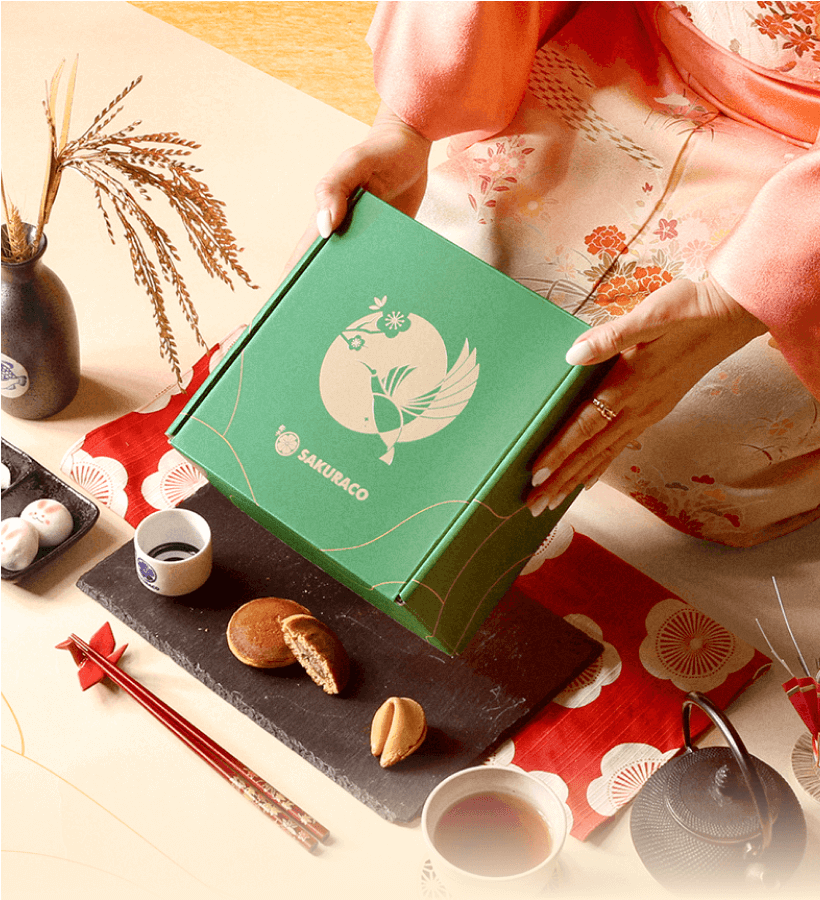
Are you looking for great snacks for the spring? Check out Sakuraco! Sakuraco sends traditional Japanese snacks, teas, and sweets from local makers straight to your door each month!

Friendship and Support
Beyond money and planning, emotion drives their project most. Many older women worry about who will notice if they get sick, who will listen when they feel low, or who will share small joys like a favorite show or seasonal sweets. In a shared home, someone is always nearby to check in, knock on the door, or sit for tea. If one resident misses breakfast, others will notice; if someone feels sad, a friend can offer comfort instead of silence. This closeness eases fears of being forgotten or facing emergencies alone.
For women without children, with distant family, or who prefer independence, the shared home becomes a chosen family. Their bond comes from shared experiences of aging as women in modern Japan, not from blood. Together, they build a support system that is both practical and emotionally open, a place where they can speak honestly about illness, money, and mortality without feeling like a burden.
How does this reflect changes in Japan?
Their plan reflects larger shifts in Japanese society. Japan’s population is aging fast, and more seniors now live alone, raising concerns about loneliness and strained care systems. Traditional family care is harder to sustain in smaller households, with long work hours, and in city living. Against this backdrop, the Osaka women’s shared home offers a grassroots answer. Instead of waiting for government action or big institutions, they are building their own small model of mutual support.
Why does this matter?
The shared home plan matters because it turns private fears of aging alone into a shared effort. Older women in Osaka can live together, look out for one another, and stay independent on their own terms. With homes that mix private rooms, shared kitchens, safety, and easy city access, they are quietly reimagining aging in Japan. Would you ever join or start a shared home like this? Share your thoughts below!