


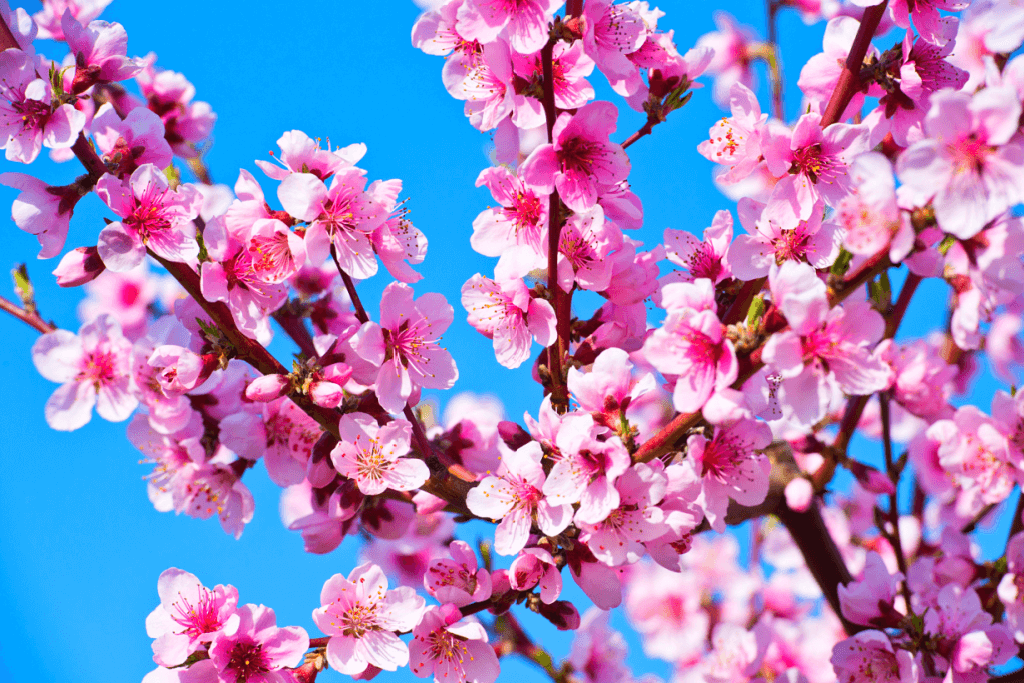
The peach blossom is one of the most beautiful flowers in Japan. It blooms in the late winter, and many confuse it with cherry blossoms. However, these flowers come in bold and rich pink. They bloom all over Japan and are breathtaking.
About Peach Blossoms
According to the earliest records, the peach plant (Prunus persica) was most likely brought to Japan from China about 6000 years ago. Since then, peach blossoms (momo) have come to play an essential role in the symbolism and culture of Japan.
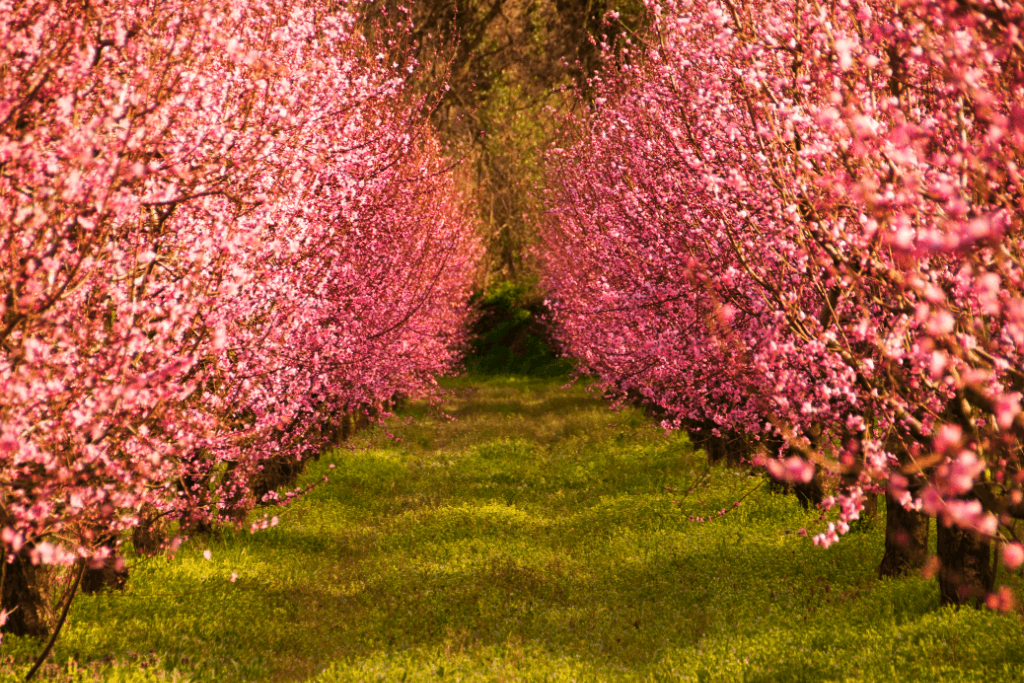
The warmer weather in spring can easily confuse momo for the more popular cherry blossoms (sakura). Peach blossoms can typically bloom in February, a few weeks before sakura opens in March. It is easy to mistake one for the other when the flowers have yet to open and are still buds.
Furthermore, the peach plant’s delicate pink and white flowers can closely resemble cherry blossoms. This is especially in terms of their color and size once fully open. One good way to identify momo is the pointed tips of its petals, which lack the characteristic notch of cherry blossoms. If you’re a keen observer, peach flowers have very short stems. In addition, they have two flowers growing opposite each other on the branch.
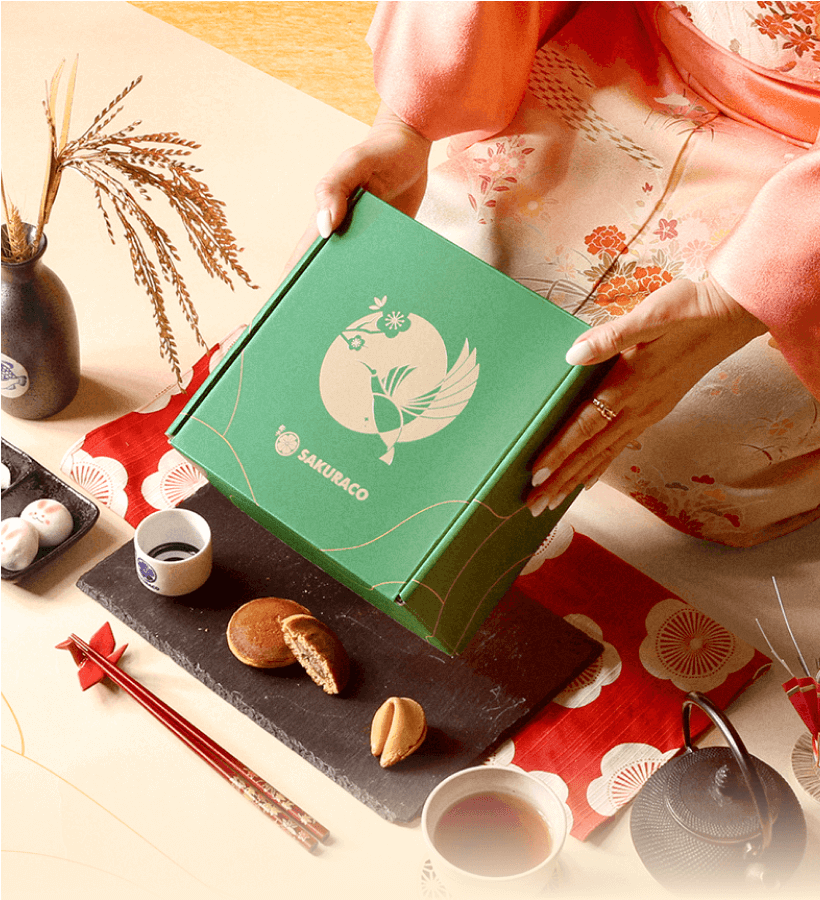
Are you looking to enjoy some delicious, artisanal snacks just in time for the spring? Check out Sakuraco! Sakuraco sends traditional Japanese snacks, teas, sweets, and kitchenware so you can taste Japanese culture in the comfort of your home!

Girl’s Day
Peach blossoms have always been a popular topic in Japanese poetry, songs, and paintings. Because of their early opening, they signal the end of winter and the arrival of spring. The bare branches of peach trees coming to life with flowers after a long, cold winter symbolize rebirth and renewal.
Their short blooming period reminds us of the impermanent nature of existence and hopes for a long, happy life. Peach blossoms symbolize one of Japan’s most popular seasonal festivals, the “Peach Blossom Festival” or Momo no sekku, on March 3rd.
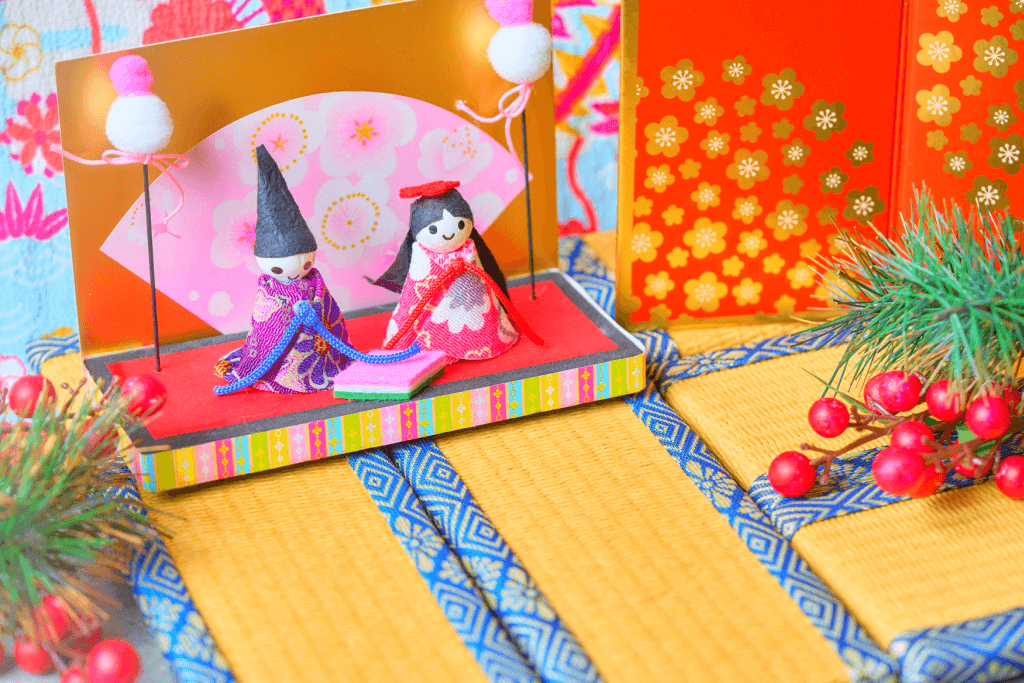
The festival has many names. It began over 500 years ago, with the daughter of a Japanese emperor playing with traditional hina dolls (hina asobi). At the time, these unique dolls were commonly used as good omens to keep away evil spirits and invite good luck. When the day became a holiday in the Edo period, officials named it “hinamatsuri.”
Peach flowers were in bloom simultaneously and became one of the holiday symbols. Today, the dolls are used in elaborate displays to celebrate daughters’ good health and well-being, also known as “Girl’s Day.” Therefore, each blossom is an essential part of the festival’s decorations.
Where to See Acres of Peach Blossoms
As with sakura, peach blossom viewing is a popular pastime in the Japanese springtime. However, Japan produces seven times more peaches than cherries every year. The result is enormous peach tree orchards located all across Japan.
When so many peach trees flower simultaneously, they can create a multicolored layer of blooms, sometimes stretching as far as the eye can see. Of course, you can enjoy peach blossom viewing at a nearby park or shrine, but it is best to travel outside Tokyo if it is the quantity you seek.
Yamanashi
Yamanashi Prefecture has more than three times as many peach trees as any other prefecture in Japan. As a result, the most extensive orchards are in that prefecture. In Yamanashi, Fuefuki City is the country’s largest producer of peaches. It is also known as ‘Peach City’; over 200,000 peach trees adorn the entire city with their pink blossoms in the spring.
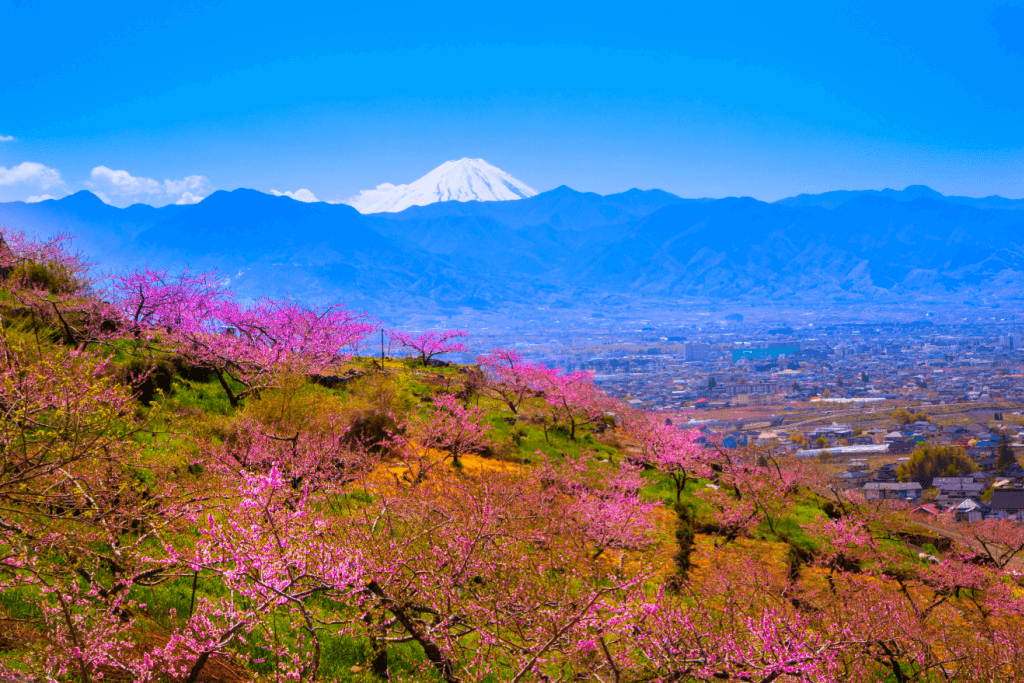
From a good spot, you can see Mt. Fuji towering over a sea of pink. The city celebrates the flowers’ arrival in late March and early April with the Fuefuki City Peach Blossom Festival and associated Spring Carnival.
Fukushima
Fukushima Prefecture is another region that has large numbers of peach blossoms. Here, you can visit “Kenjo Peach Village” (Koori-no-komichi) in the village of Kouri. There are acres of orchards throughout the small town.
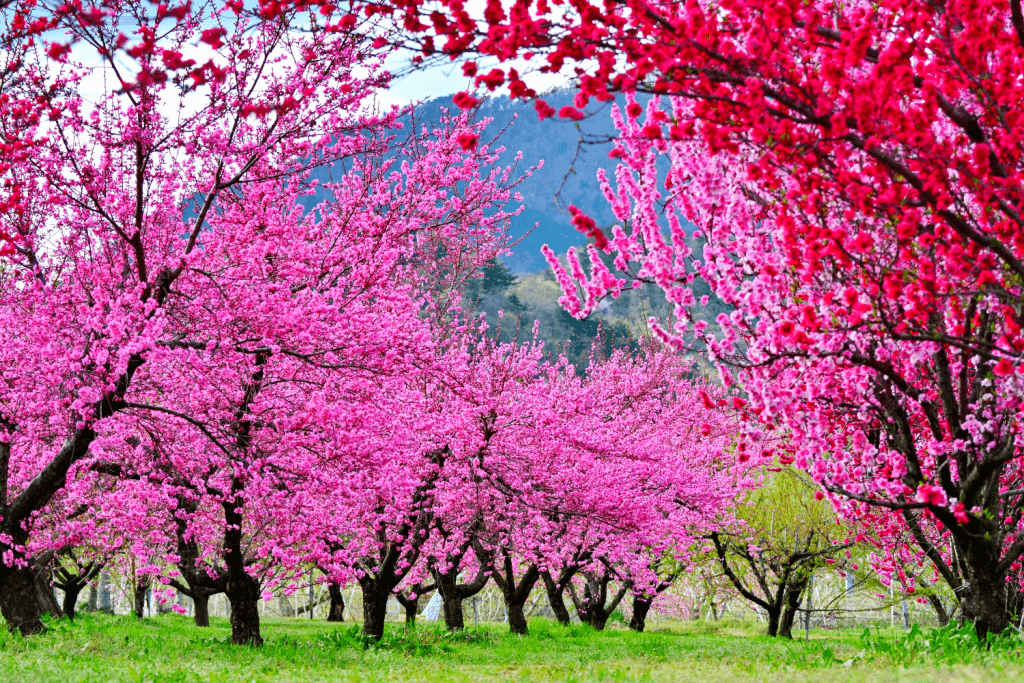
From the surrounding hills’ view, the entire area seems covered in beautiful pink sheet blossoms. There is also the famous “Peach Line.” This route follows the Abaukuna river through the valley, lined with thousands of flowering peach trees in the blooming season.
Nagano
Another area well-known for peach blossom viewing is Achimura Village in Nagano Prefecture. From early April to early May, in “Peach Blossom Village” (Hanamomo no Sato), thousands of white, pink, and red peach flowers bloom along the train line and can be easily seen from the train window.
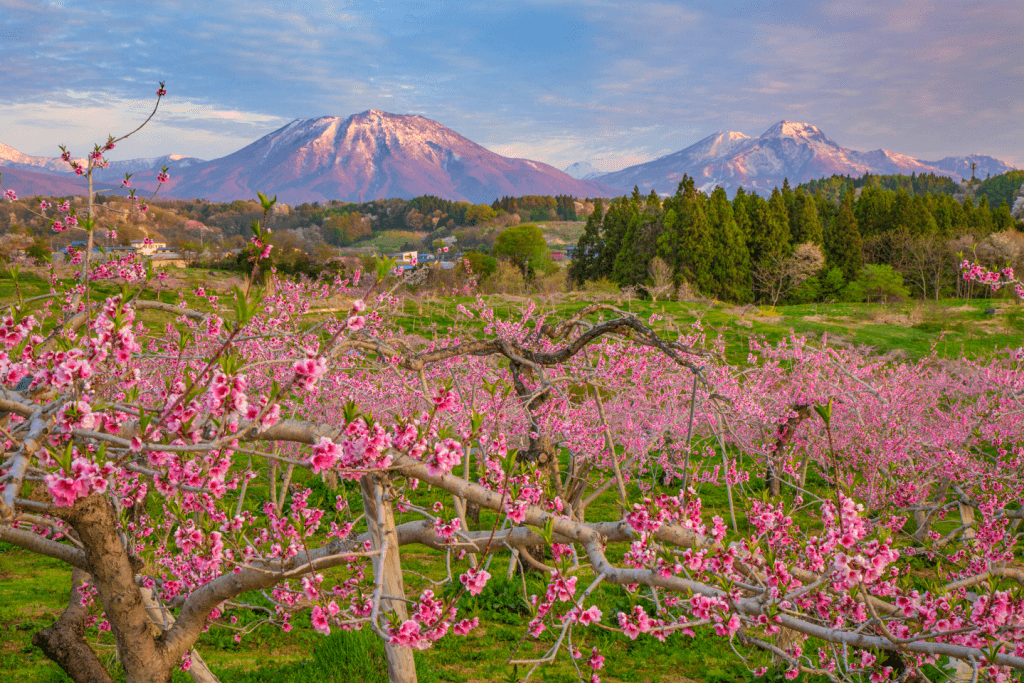
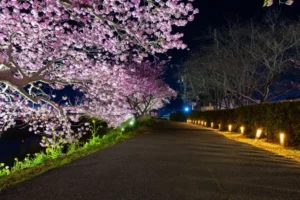
In the nearby village of Hirugami no Sato, you can enjoy a four-kilometer (2.5 miles) stroll along the Aichi river while watching the beautiful peach flowers planted along its banks. The river also has illumination events. Have you ever enjoyed peach blossoms before? Let us know in the comments below.