


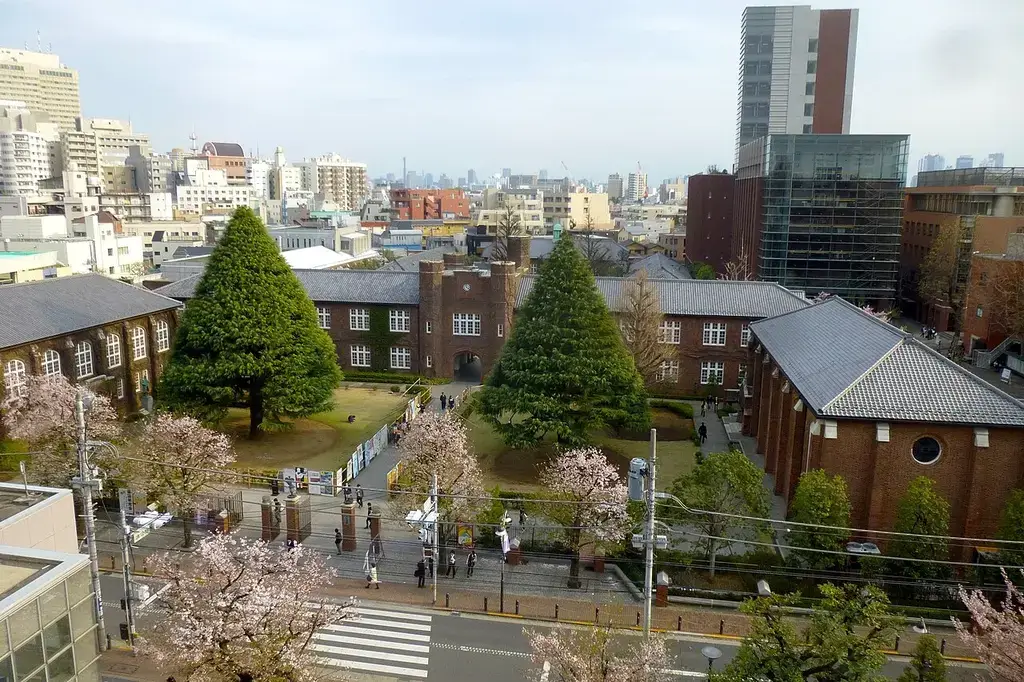
More senior citizens in Japan are going back to university. Many are in their 50s, 60s, or older and want to learn new skills. Some hope to prepare for a second career after retirement. Schools such as Rikkyo University are now offering special programs for working adults and retirees. These courses allow students to earn certificates in a variety of subjects. As Japan’s population ages, lifelong learning is becoming more common.
Rikkyo University’s Second Stage College
Rikkyo University in Tokyo offers a program called the Second Stage College. It started in 2008 for people aged 50 and older. Students attend classes mainly on weekday afternoons. The general course lasts one year and requires 18 credits. After finishing, students receive a certificate under Japanese education law. They can also choose to study for another year in a special course.
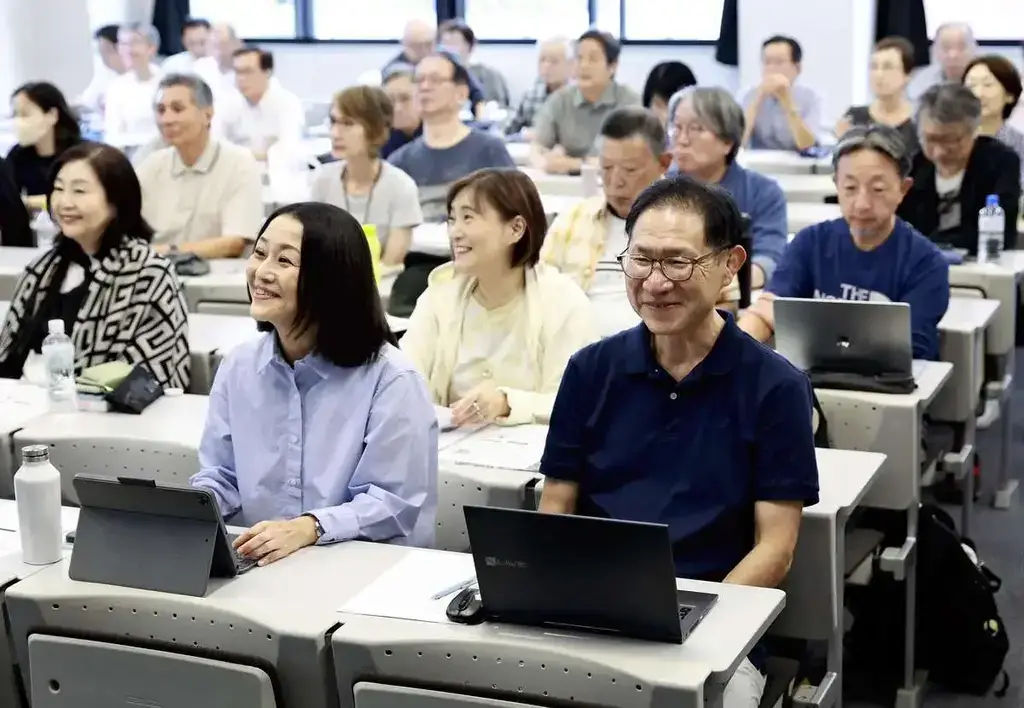
The average age of students in this program is about 63 or 64. Some students are retired, while others still work part-time or full-time. Classes include subjects such as finance, history, literature, and social issues. Students also join seminars and group discussions. They share ideas and learn from each other’s life experiences. This helps create a strong learning community.
Personal Goals and New Challenges
Many students join to explore new interests. Some leave long careers in large companies before or after retirement. Instead of finding another job right away, they choose to study new topics. Subjects like artificial intelligence and media studies are popular. Admission usually requires an essay and an interview. Students often say learning now feels more meaningful because they choose it for themselves.
Other students decide to study fields that are very different from their past jobs. For example, someone who worked in engineering may take classes in literature or history. Some also study nonprofit work and volunteer programs. Through classes and projects, they make friends outside their old workplaces. These new friendships help them see life in a new way. Many begin thinking about how they want to spend the next stage of life.
Benefits of Learning After Retirement
Experts say going back to university has many benefits. Many Japanese workers follow the company’s plans throughout their careers. Because of this, they may not think deeply about their own strengths. Studying again helps them see their skills in a new light. It also helps them connect their experience with new knowledge. This can lead to fresh goals and new ideas.
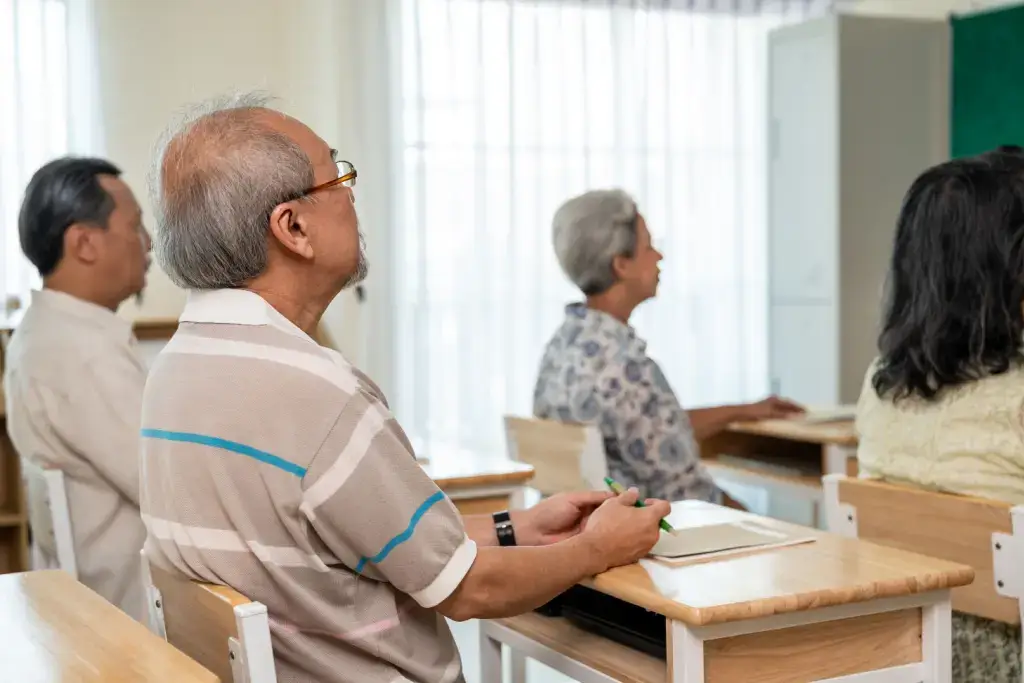
Learning also supports mental and social health. Students meet people from different backgrounds. These new connections are not based on job titles or company names. Even without a clear career plan, many enjoy learning for its own sake. Being on a campus with younger students can also feel energizing. This kind of environment supports active aging.
Growth of Reskilling Programs in Japan
More schools like Rikkyo University across Japan now offer programs for adults. In fiscal 2023, 239 universities had certificate programs for working adults. This number increased compared to previous years. The growth shows that more people want to study later in life. Many programs focus on career planning and skill development. Schools are adjusting to meet this demand.
For example, Waseda University offers a program for adults aged 40 to 65. Students learn how to design their careers for the second half of life. The program includes lectures and group work with people from different jobs. Meiji University also offers business courses for women. One course teaches leadership skills, and another teaches basic business knowledge. These programs show how adult education is expanding.
Learning as a Second Stage of Life
For many older students, university feels like a new beginning. Instead of thinking only about past work, they focus on new goals. Some want to help their communities through volunteer work. Others want to learn skills that match today’s technology. The classroom becomes a place for growth and reflection. Through study, they think about how to use their experience in new ways.
The social side of learning is also important. Students build friendships that are not linked to their former companies. This allows them to interact as equals. Group work and trips help strengthen these bonds. These experiences create a sense of belonging. Education becomes part of a larger life change.
What Does This Trend Mean for Japan?
Why are some senior citizens returning to places like Rikkyo University in Japan? One reason is that people are living longer than before. Many now have 20 or 30 years after retirement. Instead of slowing down, they want to stay active and useful. Education offers a clear way to do that. Retirement is no longer seen as the end of learning.

This trend may also help Japanese society. Older adults with new skills can support local groups and nonprofit work. They can help solve social problems, such as digital gaps among seniors. Universities also gain new types of students. As more schools expand these programs, lifelong learning may become normal. This shift shows how education supports both individuals and communities. Do you have any programs like these in your home country? Would you attend in the future? Let us know in the comments below!