


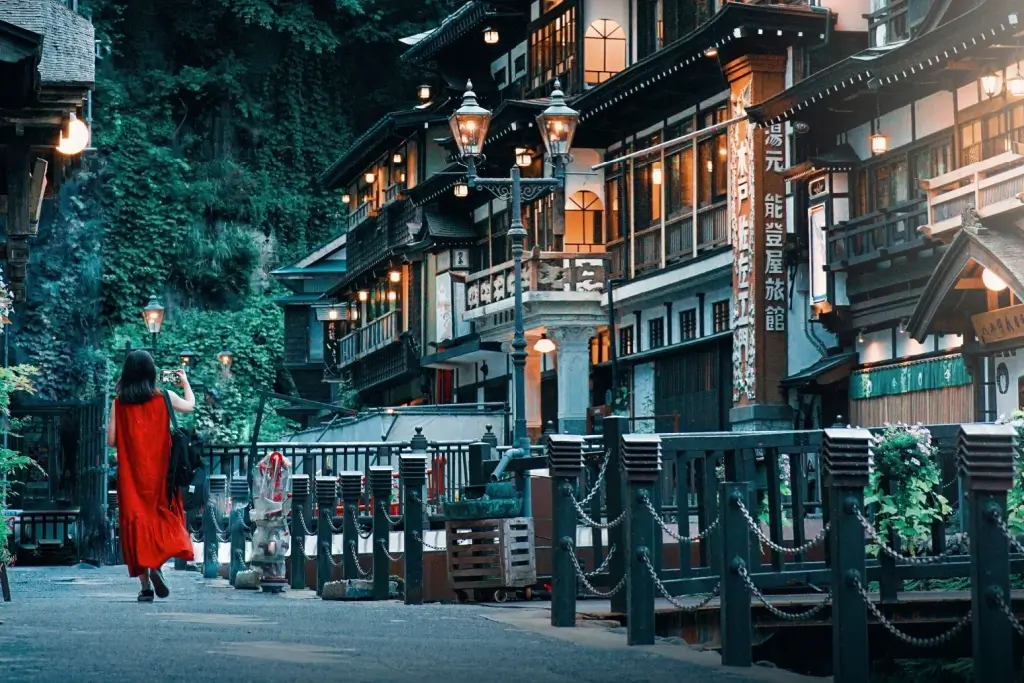
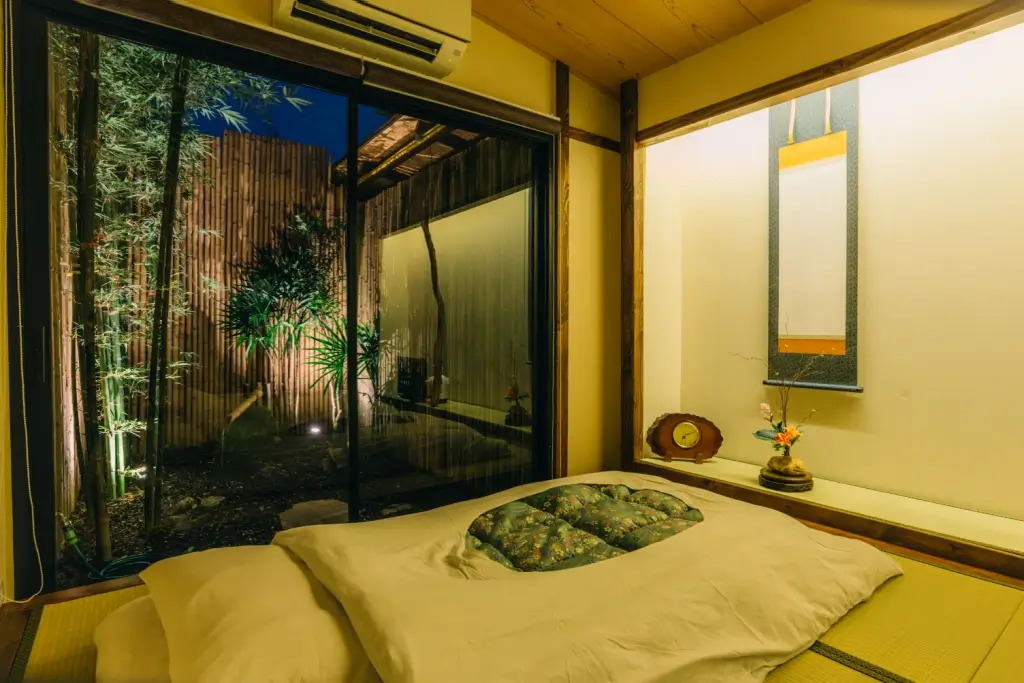
A ryokan is a traditional Japanese inn that offers a unique style of hospitality. These inns feature tatami floors, futon bedding, baths, and carefully prepared meals. Today, ryokan are popular with Japanese travelers and international visitors. However, the history of these inns goes back more than a thousand years. Over time, they changed from simple shelters for travelers into refined places known for their service and cultural atmosphere.
Early Origins of Ryokan
The origins of the ryokan can be traced back to the early history of travel in Japan. During the Nara period, facilities known as fuseya provided shelter for travelers, pilgrims, and the poor. These rest houses were simple structures that offered a place to sleep. Many were connected to temples or government efforts to support travelers. While they were not the same as modern ryokan, they introduced the idea of organized lodging for travelers.
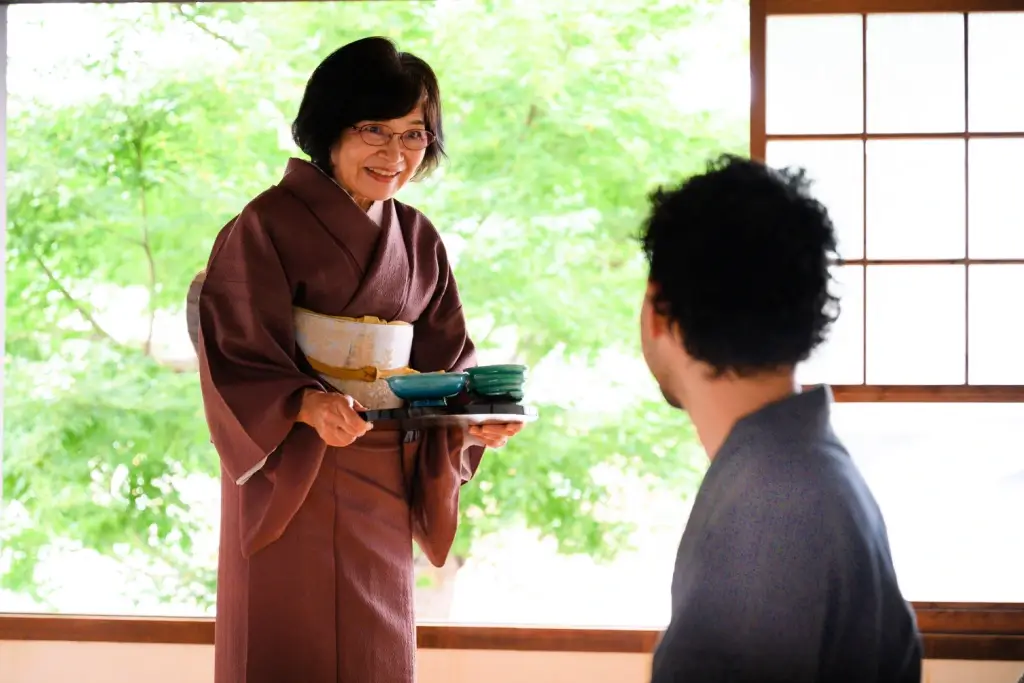
By the eighth century, more structured inns began to appear along travel routes and pilgrimage paths. Some of these early establishments developed into long-lasting businesses that still exist today. One famous example is Nishiyama Onsen Keiunkan, which was founded in 705 and is often called the world’s oldest hotel. Another historic inn, Hōshi Ryokan, opened in 718 and has been run by the same family for many generations.
Travel and Inns in Medieval Japan
As travel increased, more types of inns began to appear. One example was the kichin-yado, a simple lodging where travelers paid only for firewood and cooked their own meals. These inns were affordable and often used by merchants or pilgrims traveling long distances. Because the services were limited, guests needed to bring or prepare much of their own food. Even so, these inns made long journeys easier for many people.
During this time, travel was linked to religion or trade. Pilgrims visited famous temples and shrines, while merchants traveled to sell goods. Inns began to appear near major roads and religious sites to serve these travelers. Over time, some inns started offering meals and additional services. This improvement helped turn rest houses into early ryokan. By the late medieval period, hospitality had become an important part of these establishments.
The Edo Period Travel Boom
The Edo period brought changes to travel and lodging in Japan. Roads such as the Tōkaidō connected major cities and encouraged travel between them. Merchants, samurai, and government officials frequently moved along these routes. As travel increased, roadside inns known as hatago developed to serve travelers. These businesses offered lodging and meals, and historians consider these hatago to be the direct ancestors of modern ryokan.
The growth of travel also created competition among inns. Owners began improving their services to attract guests. Some inns offered better meals, while others focused on comfort and cleanliness. Hospitality became a key part of the experience, and hosts took pride in caring for travelers. During the Edo period, the foundations of the modern ryokan experience were firmly established.
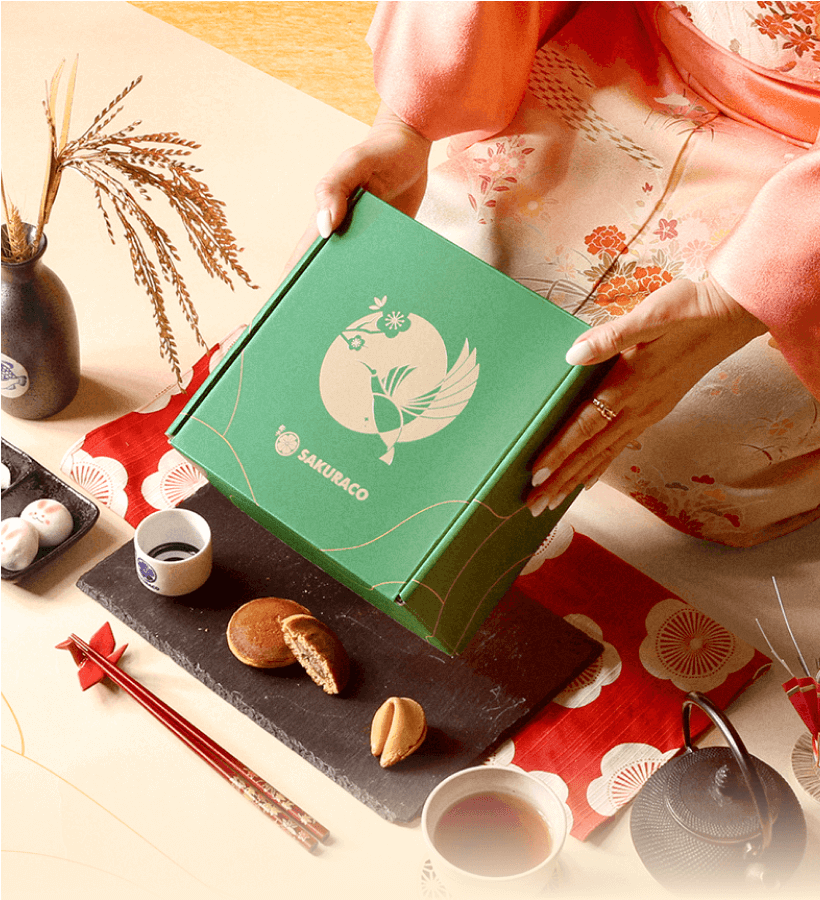
Are you looking for amazing snacks after taking a trip to a traditional inn? Check out Sakuraco! Sakuraco sends traditional Japanese snacks, teas, and sweets from local makers straight to your door each month!

Ryokan in the Modern Era
Japan’s modernization during the late nineteenth and early twentieth centuries changed the travel industry. Western-style hotels began appearing in major cities. However, ryokan continued to attract guests who wanted a traditional Japanese experience. Many inns maintained their historic buildings and customs while adapting to modern expectations. Today, many travelers choose ryokan specifically to experience traditional culture.
Some historic inns also became famous for their architecture and history. For example, Tawaraya Ryokan has operated for more than three centuries and has hosted many notable guests. Other inns located near hot springs became popular resort destinations. These onsen ryokan combined lodging with therapeutic bathing experiences. The combination of relaxation, cuisine, and hospitality made ryokan an important part of Japanese tourism.
Why They Still Matter Today
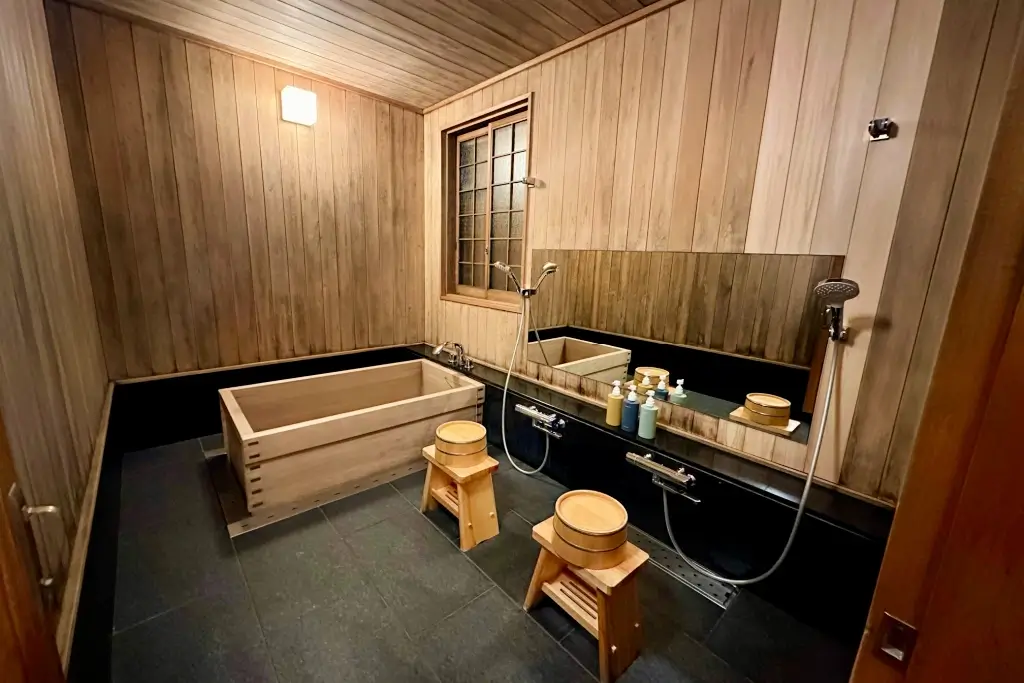
Ryokan remain important because they offer more than just a place to sleep. Staying at one often includes seasonal meals, comfortable tatami rooms, and attentive service. Guests usually wear yukata robes and enjoy communal or private hot spring baths. These features create a relaxing atmosphere unlike that of modern hotels. Many travelers choose a ryokan for a deeper cultural experience.
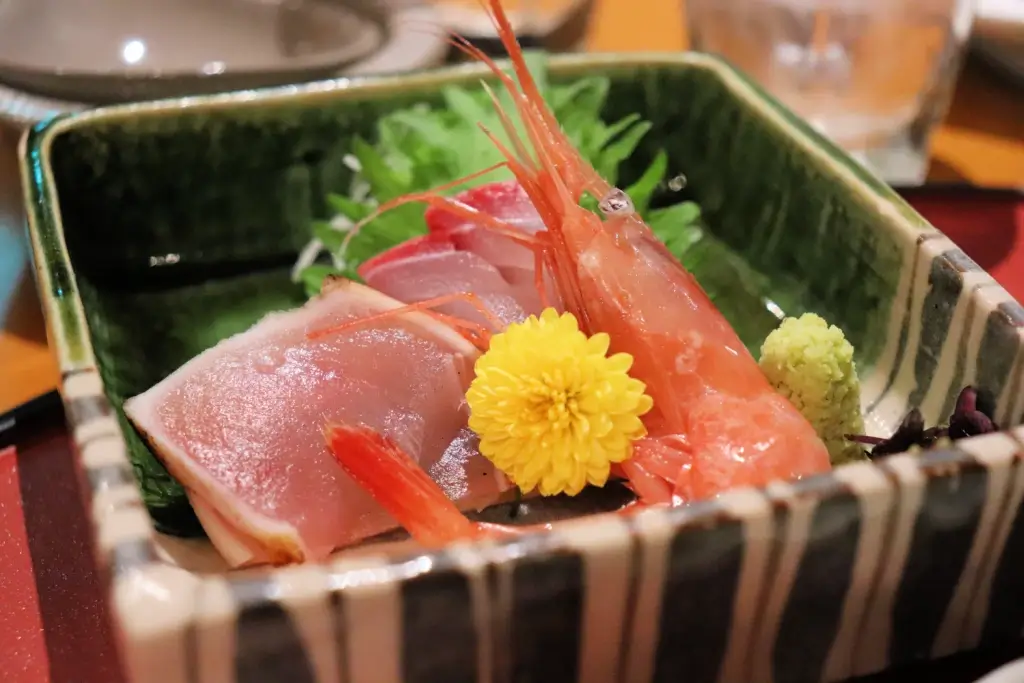
The cultural value of ryokan also helps protect historic architecture and local traditions. Many inns use traditional building techniques, sliding paper doors, and carefully designed gardens. Meals served at ryokan feature regional ingredients and seasonal dishes. By continuing to operate today, these inns keep centuries-old traditions alive, allowing travelers to experience a living piece of Japanese history.
The history of these traditional inns reflects Japan’s long history of travel and hospitality. What began as simple shelters for travelers developed into refined inns known for comfort and service. Over centuries, ryokan adapted to travelers while preserving traditional customs. Today, they remain a symbol of Japanese hospitality and culture. From ancient pilgrimage routes to modern tourism, ryokan have played an important role in welcoming travelers. Have you ever stayed at a ryokan? What was your experience like? Let us know in the comments below!
Cited Sources
- Japan National Tourism Organization. “Japanese Ryokan Guide”.
- Hakone Japan. “What is a Ryokan?”
- Matcha. “Ryokan 101: What It Is, Rates, and How It Differs from Hotels”.