


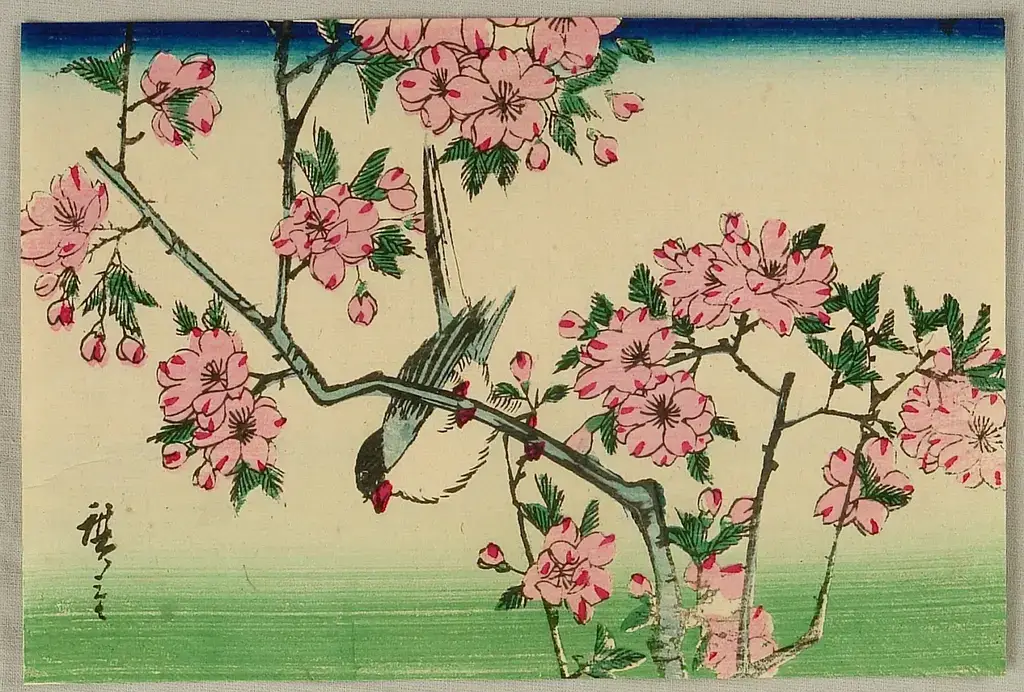
Cherry blossoms are one of the most recognizable symbols of Japan. Each spring, the sakura trees’ blooming inspires festivals, travel, and art. For centuries, poets have written about the beauty of these flowers and the emotions they evoke. Sakura poetry often explores themes of love, nature, and the passing of time. Understanding the history of sakura poetry reveals how deeply the cherry blossom is connected to Japanese culture.
Early Flower Poetry in Japan
Poetry about flowers in Japan existed long before cherry blossoms became the main focus. During the Nara period, Japanese aristocrats admired plum blossoms more than cherry blossoms. These flowers were influenced by Chinese traditions, which valued plum trees as symbols of spring. Poems written during this period described the fragrance and elegance of plum blossoms.
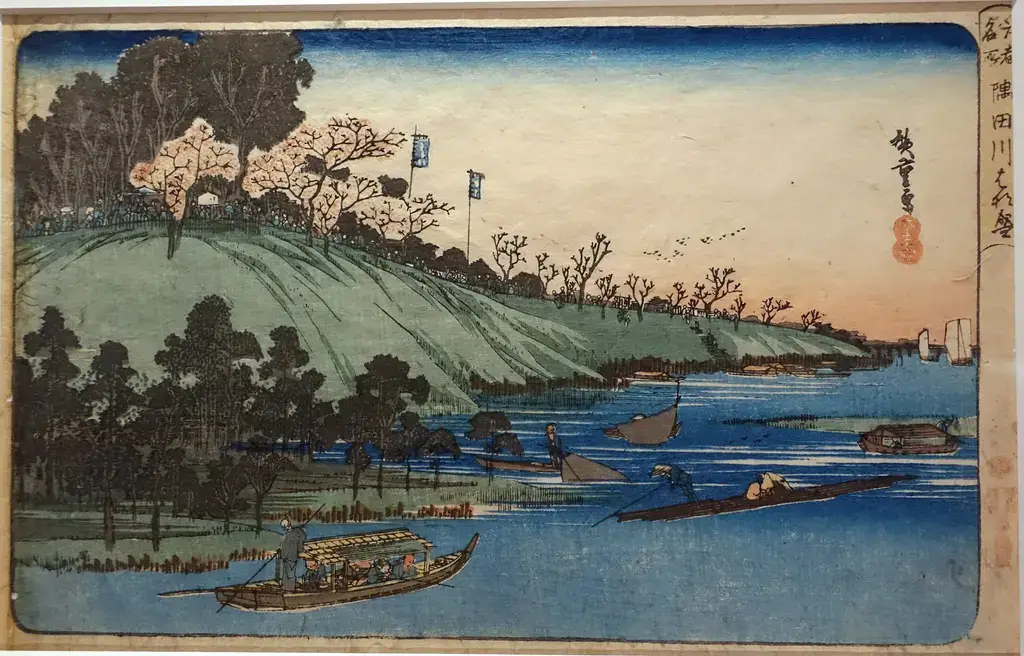
Over time, however, Japanese poets began to develop their own cultural preferences. Cherry blossoms replaced plum blossoms as the most admired spring flower. The shift reflected a broader movement away from Chinese cultural influence. By the end of the Nara period, sakura had already begun appearing more frequently in Japanese poetry. This change set the stage for the development of sakura poetry in Japanese literature.
Sakura Poetry in the Heian Court
Sakura poetry flourished during the Heian period. During this time, poetry was an important part of court life among aristocrats. Nobles exchanged short poems in letters and at social gatherings. These poems often describe nature, seasons, and romantic feelings. Cherry blossoms became one of the most common themes in these works.
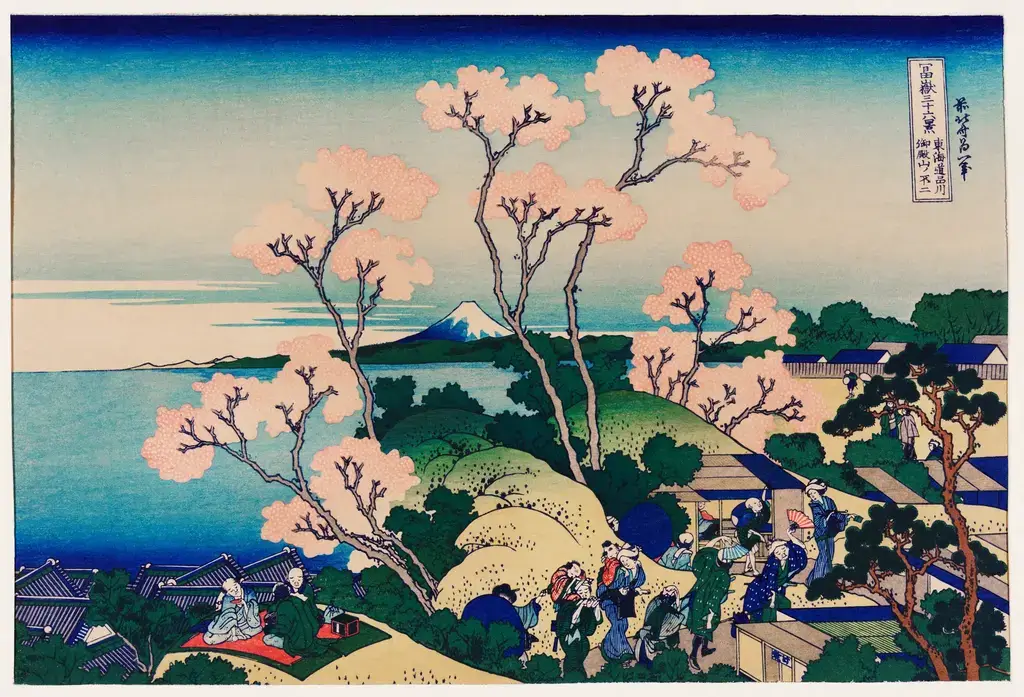
One of the most influential collections of poetry from this period is the Kokin Wakashū, compiled in the tenth century. This anthology includes many poems about spring and cherry blossoms. In court culture, writing poetry during flower-viewing gatherings was a refined activity. Poets attempted to capture the fleeting beauty of the blossoms in just a few lines. These poems helped establish sakura as a central symbol in Japanese literature.
Are you looking for great snacks for the sakura season? Check out Sakuraco! Every month, Sakuraco delivers delicious Japanese snacks, teas, and sweets from Japan so you may enjoy them at home.

The Symbolism of Cherry Blossoms
Sakura poetry often focuses on deeper symbolic meanings rather than simply describing flowers. One of the most important themes is impermanence. Cherry blossoms bloom beautifully for only a short time before falling from the trees. Because of this brief life, poets frequently use sakura as a metaphor for the temporary nature of life. The image reflects the aesthetic known as mono no aware, or appreciating the beauty of fleeting moments.
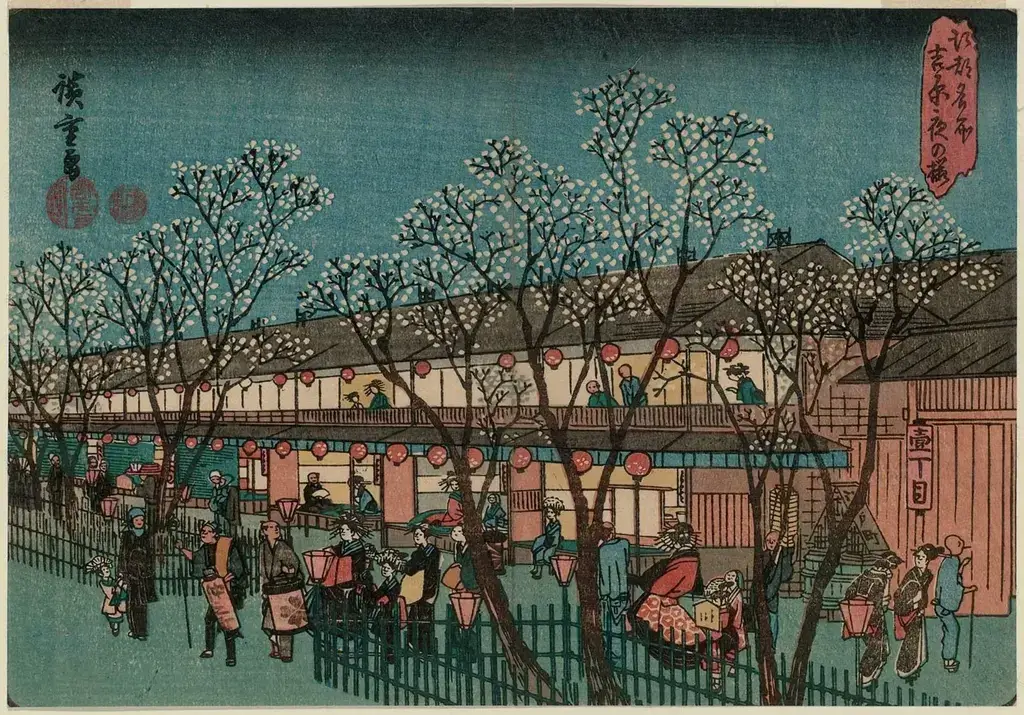
Cherry blossoms also symbolize youth, love, and renewal. In classical literature, falling petals often appear in poems about changing seasons or emotional transitions. These images can represent the passage of time or the end of relationships. Over centuries, this symbolism became deeply embedded in Japanese culture. Even today, sakura poetry often reflects themes of change and reflection.
Sakura in Haiku and Later Poetry
Sakura poetry continued to evolve after the classical court period. During the Edo period, a new form of poetry, haiku, became popular. Haiku poems are extremely short, typically containing only seventeen syllables. Despite their brevity, they often capture vivid scenes of nature. Cherry blossoms became a common seasonal word used in spring haiku.
One of the most famous haiku poets was Matsuo Bashō, who often wrote about nature and memory. His poetry reflects the quiet atmosphere of spring landscapes filled with blossoms. Other poets, including Yosa Buson and Kobayashi Issa, also wrote about sakura in their work. These poets helped expand the tradition of cherry blossom poetry beyond the aristocratic court. Their poems made the theme accessible to a wider audience.
Sakura Poetry and Hanami Traditions
The tradition of writing sakura poetry is closely linked with Hanami. Hanami gatherings involve viewing cherry blossoms while enjoying food, drink, and conversation. This custom has existed for more than a thousand years. Historical records indicate that an imperial cherry blossom viewing festival was held in 812 under Emperor Saga. During these gatherings, aristocrats often wrote poetry inspired by the blossoms around them.
Poetry became a natural part of the hanami experience. Writers attempted to capture the movement of petals, the color of the trees, and the emotions of the moment. These short poems served as artistic records of spring. In many ways, they functioned like snapshots of seasonal beauty. This tradition helped spread sakura poetry beyond the imperial court into wider society.
Why Sakura Poetry Still Matters Today
Sakura poetry remains an important part of Japanese literature and cultural identity. Many modern poets continue to write about cherry blossoms each spring. The theme appears not only in poetry but also in songs, novels, and visual art. Cherry blossoms still represent the fleeting beauty of life and the arrival of a new season. These ideas continue to resonate with readers today.
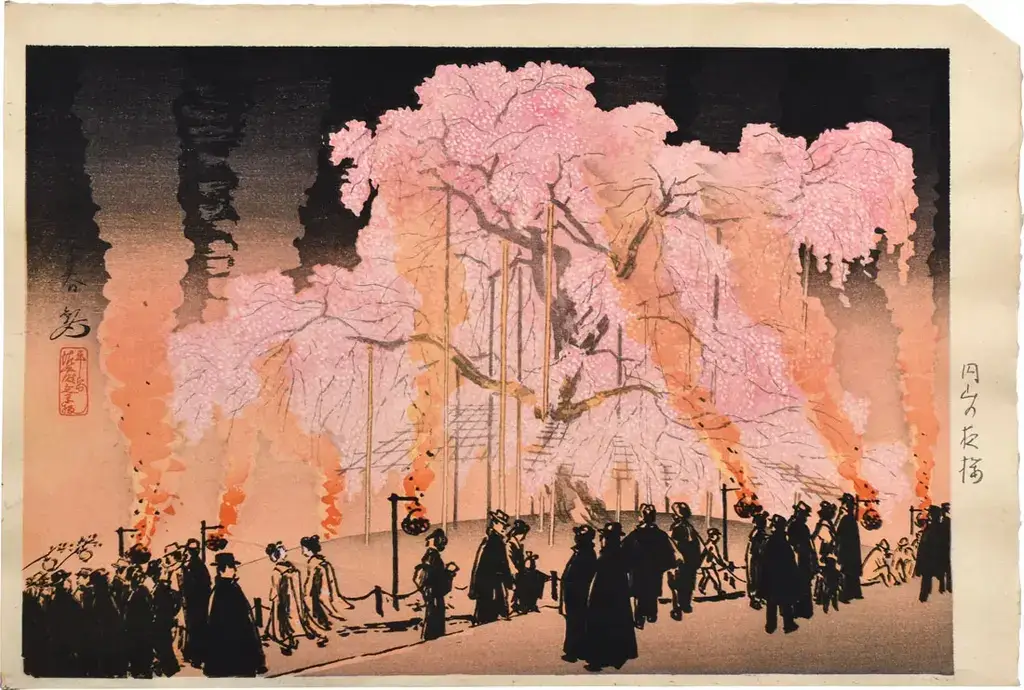
The influence of sakura poetry can also be seen in modern celebrations. During hanami season, people gather beneath blooming trees to appreciate the flowers. Even in contemporary Japan, the sight of falling petals often inspires reflection and creativity. The tradition of writing about sakura, therefore, continues across generations. In this way, sakura poetry remains a living part of Japanese cultural heritage. Have you ever read any sakura poetry? What are your thoughts on it? Let us know in the comments below!